
Tensions in the Strait of Hormuz: Iran deploys thousands of missiles and UAVs to blockade oil and gas shipments.
The conflict in the Middle East has disrupted shipping through the Strait of Hormuz, threatening global energy security and leaving more than 20,000 sailors stranded at sea.
The Strait of Hormuz is being blockaded by thousands of Iranian missiles and drones following airstrikes by the US and Israel on February 28, 2026. This action not only paralyzes the strategic shipping lane but also directly threatens global energy security, causing fuel prices to skyrocket.
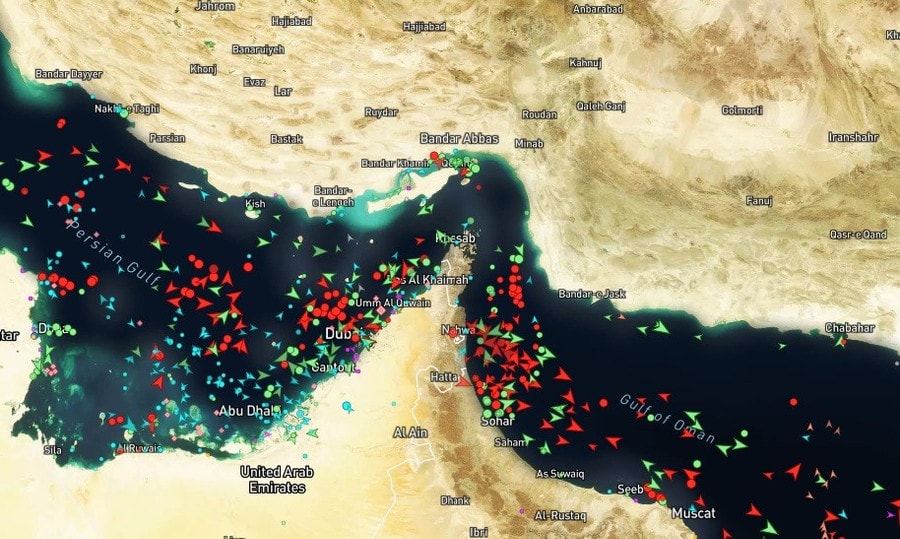
Serious impact on energy and maritime security.
The closure of the Strait of Hormuz has left numerous oil and liquefied natural gas (LNG) tankers stranded in the Persian Gulf. Conversely, hundreds of empty vessels are waiting in the Gulf of Oman, creating large-scale maritime traffic congestion and driving up global energy prices.
According to Arsenio Dominguez, Secretary-General of the United Nations International Maritime Organization (IMO), approximately 20,000 sailors are currently stranded on ships due to disrupted shipping. Notably, even countries not directly dependent on fuel from this region are experiencing negative impacts on their energy security.
Iran's UAV and missile combat capabilities
Experts at Reuters believe Iran is capable of maintaining disruption in the Strait of Hormuz for months. As one of the world's leading drone manufacturers, Tehran is believed to be capable of producing up to 10,000 different types of drones per month.
Although the actual number of finished products at the start of the conflict may have been lower than expected, analysts predict a sharp increase in production as Iran focuses all its efforts on defense manufacturing. Besides UAVs, Iran's missile arsenal is also considered the largest in the Middle East and among the world's leading.
Estimated size of Tehran's arsenal.
The exact size of Iran's missile arsenal remains a mystery, with conflicting data from international military sources. Specifically:
- Conservative estimate:Approximately 1,500 to 1,700 missiles.
- The Israeli military estimates:Approximately 2,500 missiles.
- Some independent experts:It could be up to 6,000 missiles.
The Tehran government has not yet issued any official confirmation regarding these figures. In recent days, the US and Israel have successfully destroyed a number of Iranian missiles and UAVs, but the size of the remaining arsenal is still considered a key factor in determining the outcome of the conflict.
Prospects of conflict and the possibility of maintaining the blockade.
Bob McNally, Chairman of Rapidan Energy Group, believes Iran will not surrender quickly or easily. Its current military capabilities allow Tehran to maintain the ability to jeopardize all commercial shipping through the Strait of Hormuz for the foreseeable future.
Overall, maintaining the presence of thousands of long-range guided weapons and suicide drones is giving Iran a significant advantage in controlling the flow of energy through this strategic strait, putting immense pressure on the international community.


