
Warning about the rampant subdivision and parcelling of rural land.
In recent years, in many localities in Nghe An province, the practice of collecting rural land and residential land, then subdividing it for sale, has become widespread. This activity not only disrupts the real estate market but also breaks down planning, leaving many long-term consequences for land management and infrastructure development.
Land subdivision and parcel splitting are rampant.
Observations in the former Nghia Dan district show that land subdivision and parceling are rampant. On social media, it's easy to find advertisements for "cheap land plots," "high-profit investment," and "complete legal documentation," attracting the attention of many people and investors.
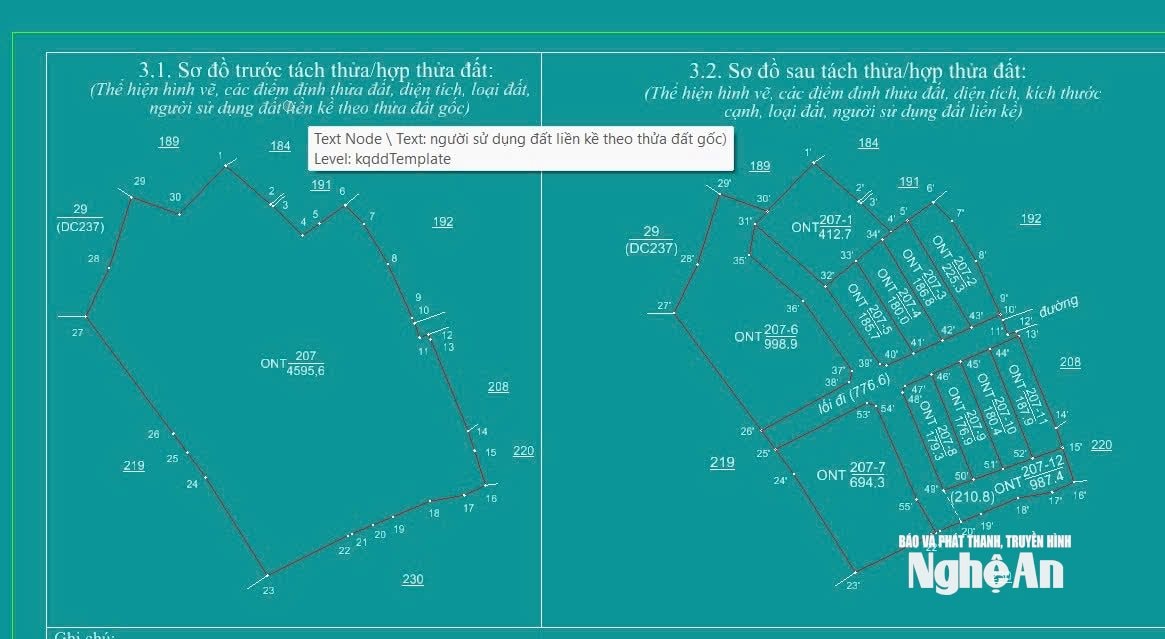
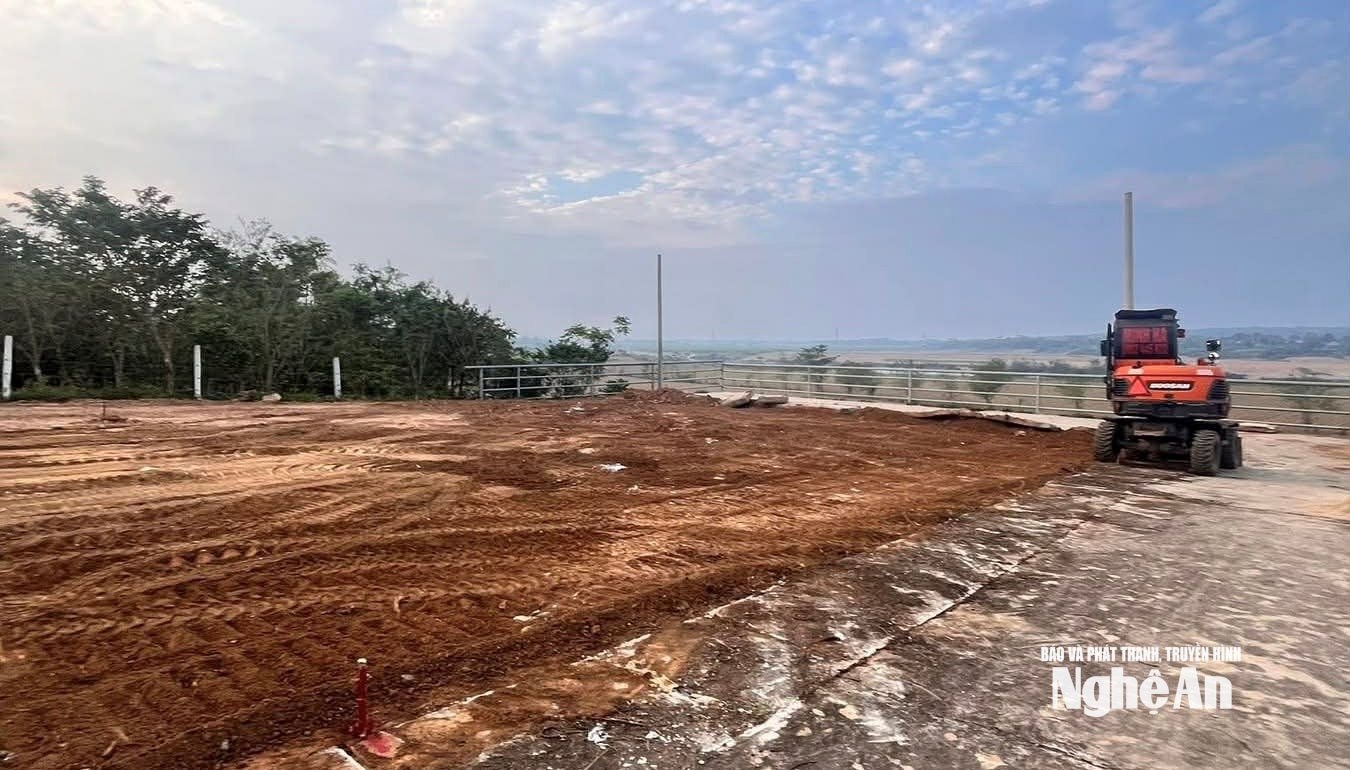
In Nghia Tho commune, many large plots of land belonging to residents have been quickly acquired and then divided into dozens of smaller lots for sale. In Thanh Hoa hamlet, reporters observed a plot of land larger than 10,000 m² that had been leveled and divided into 22 lots, each measuring 7-8 meters wide and approximately 25 meters deep.
Notably, this entire subdivided area has only one concrete road leading into it, a dead-end street, with no drainage system, canals, or integrated infrastructure. Yet, the plots here are still being offered for sale at an average price of around 220 million VND per plot.
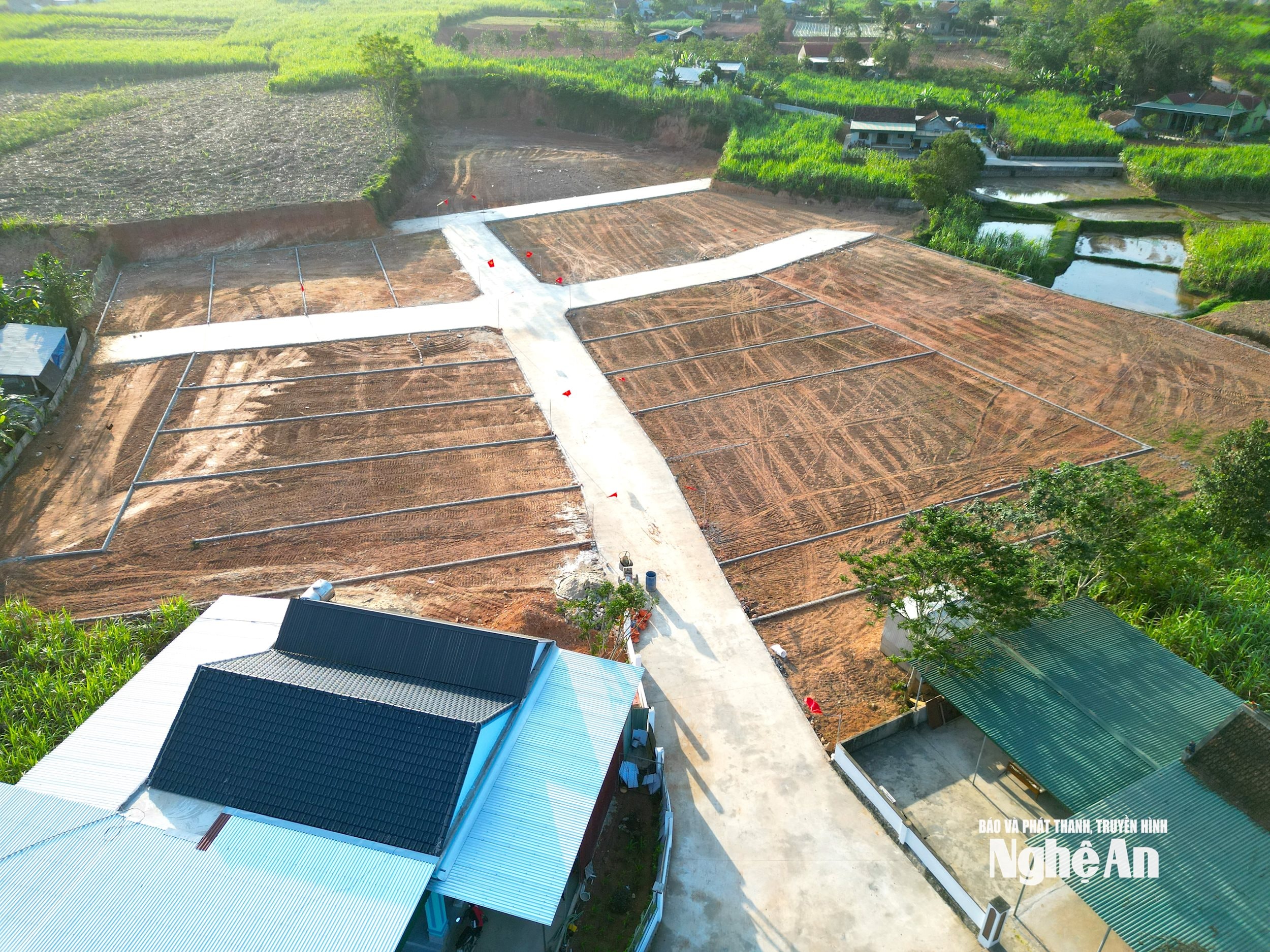
According to our investigation, the land was initially owned by several local households, then resold to investors. After completing the land subdivision procedures, the investors proceeded to level the land, build internal concrete roads, and then put it on the market.
Mr. Nguyen Van T. (residing in Thai Hoa ward) said that although the price of subdivided land in these areas is relatively "soft" compared to the general market, he remains hesitant. "The land is flat and cheap, but the roads are dead ends, and the infrastructure is lacking and not synchronized. If you buy it for investment, it will be very difficult to resell later," Mr. T. shared.
In reality, many people in the former Nghia Dan district who bought land during the "land fever" are now facing the problem of their capital being tied up. Many plots of land, after being subdivided, are left abandoned, overgrown with weeds, with no construction or habitation. Those who bought later and want to resell to "get rid of their assets" have to accept losses, lowering prices below the purchase price, but still struggle to find buyers with genuine needs.
Speaking with reporters, Ms. Nguyen Thi Nga, Head of the Economic Department of Nghia Tho commune, said that there are currently quite a few areas in the commune where land subdivision and plot sales are being carried out. Among them, there are at least two large-scale subdivisions, with 20 or more plots of land, located in Thanh Hoa and Dong Hoi hamlets.
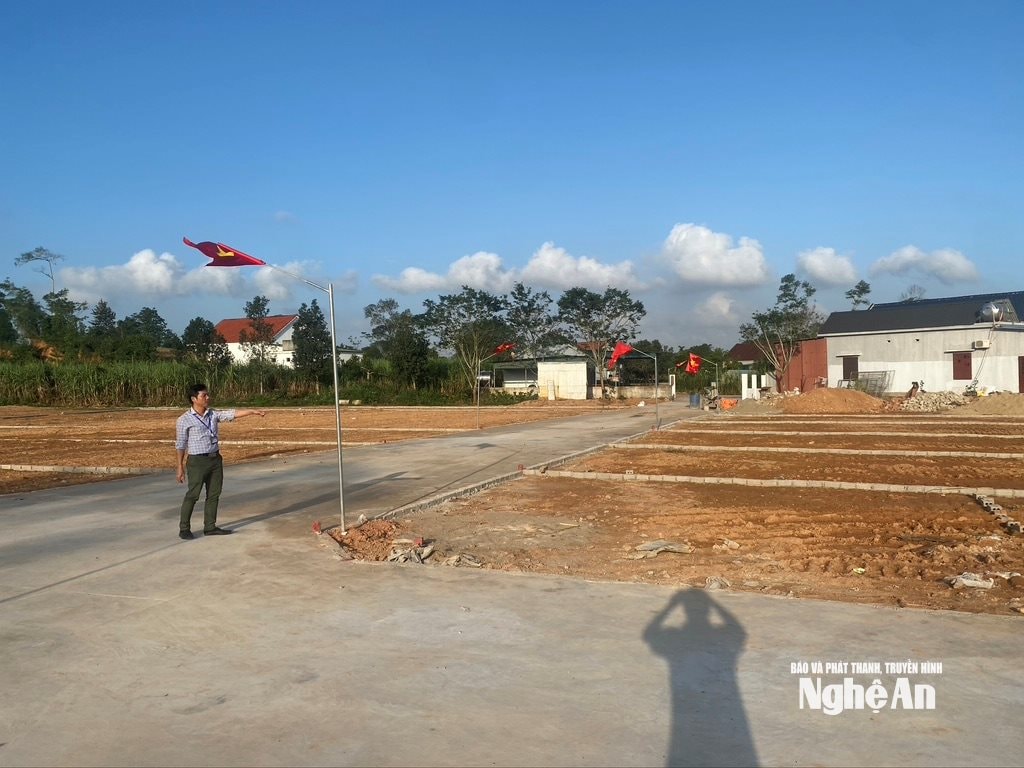
According to Ms. Nga, dividing land into 2-3 plots for children in a family is reasonable and suits practical needs. However, recently, some investors have taken advantage of loopholes in the regulations to "distort" the process, dividing a large plot of land into dozens, or even up to 40-50 plots in some places, for business purposes.
"The widespread practice of subdividing land plots will, in the long run, have many negative consequences for urban planning. The dense formation of individual land plots creates new concentrated residential areas that exceed the initial plan, putting significant pressure on technical and social infrastructure," Ms. Nga emphasized.
According to the leaders of Nghia Tho commune, land management in the locality is facing many difficulties because current regulations do not require the opinion of the commune-level government when approving land subdivision applications. The issuance of land use right certificates is carried out by the Land Registration Office, while the local government is not fully informed, leading to a situation where "the commune is unaware and unable to manage the land from the beginning."
In Nghia Lam commune, Mr. Nguyen Hung Cuong, Chairman of the People's Committee, said that before the administrative merger, several areas had already seen land subdivision and parceling. Currently, the commune still has a considerable amount of residential land, so the risk of investors continuing to buy and subdivide land is very high.
The widespread practice of subdividing land plots is not only occurring in Nghia Tho and Nghia Lam communes but also in many other localities throughout Nghe An province.
According to land management experts, the rampant subdivision of land plots not only disrupts land use planning but also causes a series of long-term consequences. Most of the subdivided land plots lack adequate infrastructure such as drainage systems, electricity, fire protection, and waste treatment.
Many internal roads are only temporarily constructed with thin concrete, lacking drainage systems and quality control oversight. When people move in, the risk of flooding and infrastructure degradation is very high.
Stricter management is needed.
Given this situation, local authorities and relevant agencies all agree that a comprehensive solution is needed to control the rampant practice of subdividing land and selling plots.
According to Ms. Nguyen Thi Nga, Head of the Economic Department of Nghia Tho Commune, local authorities need to be involved from the beginning in the process of reviewing and evaluating land subdivision conditions, because they are the level that has the most accurate understanding of the current land status, infrastructure, and residential planning in the area. “Land subdivision and sale cannot be solely based on legal documents; it must also be correct in terms of land use. It must be residential land with completed infrastructure such as electricity, water, and transportation, ensuring connectivity and meeting the long-term living needs of residents, avoiding the formation of residential areas lacking basic living conditions.”
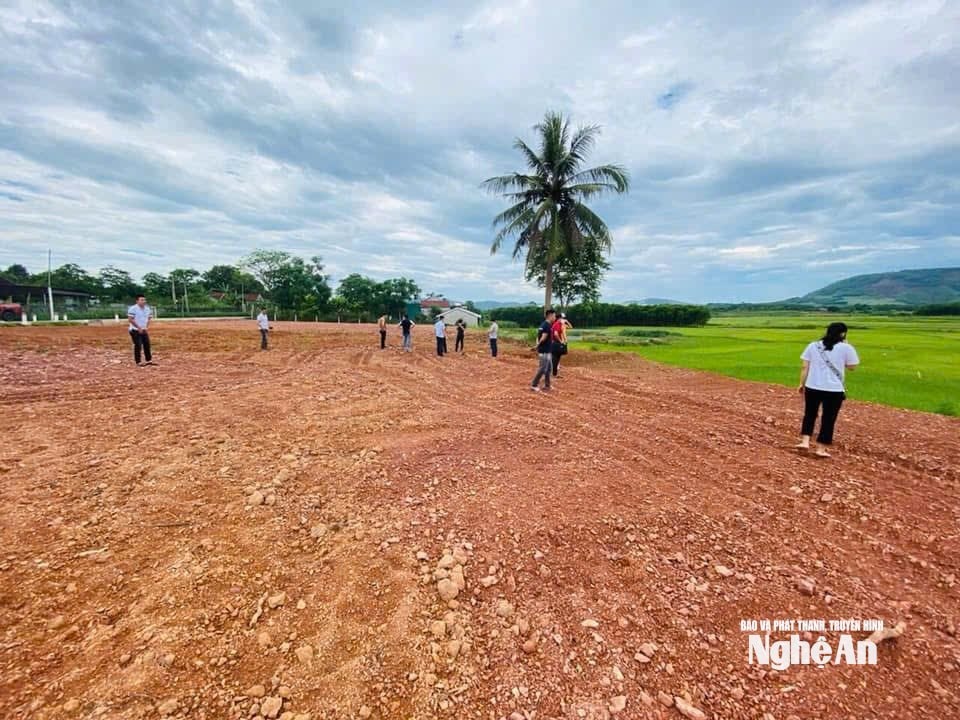
Sharing the same view, Mr. Nguyen Hung Cuong, Chairman of the People's Committee of Nghia Lam commune, believes that without strict management from the local government, land subdivision and parcel splitting activities can easily disrupt approved planning, leaving long-term consequences for the development of residential areas and infrastructure. The commune-level government needs to be given a clear role in supervising and providing input on land subdivision applications, especially for large-scale land plots, in order to promptly prevent the exploitation of legal loopholes to form spontaneous residential areas, putting pressure on management and infrastructure investment in the future.
According to Mr. Thai Duy Hung, Head of the Land Management Department of the Nghe An Department of Agriculture and Environment, land subdivision must fully meet the conditions stipulated by law, including Decision No. 82/2025/QD-UBND of the Nghe An Provincial People's Committee issued on January 5, 2025.
Article 9 of Decision No. 82 clearly stipulates the conditions for land subdivision and consolidation for each type of land in the province, requiring that the subdivided land plot must have access to a public road with a minimum width of 4 meters; and also meet other conditions.
For residential land plots that have been allocated by the State and granted land use rights certificates according to detailed construction plans approved by competent authorities, the subdivision or consolidation of land plots is only permitted after the competent authority approves or accepts the adjustment of the plan in accordance with the law on planning and construction, and must comply with regulations.
Tightening land subdivision conditions is an urgent requirement to restore order in land management, prevent rampant land partitioning and sale, and ensure urban and rural development in accordance with planning, sustainably and for the long term. Relevant agencies need to strengthen inspections and strictly handle violations, while also carefully reviewing each land subdivision application to ensure compliance with approved planning and infrastructure.


