
Beware of 5 sophisticated scams at airports and tourist destinations.
Tourists need to be aware of fake Wi-Fi traps, overcharging taxis, and fake police officers to protect their belongings and personal information throughout their exploration.
Even experienced travelers can fall victim to sophisticated scams at airports or crowded tourist attractions. These traps often target the fatigue of long flights or the unfamiliarity of tourists in new locations, aiming for illicit profit.
The pitfalls of free Wi-Fi in public places.
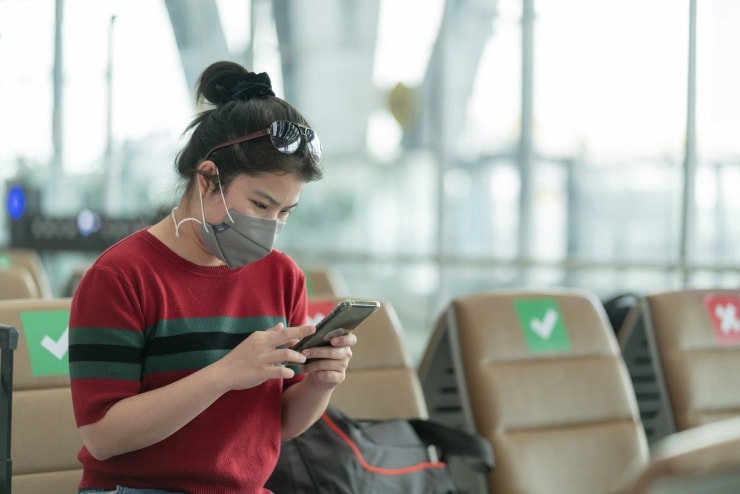
According to NDTV Travel, airports, cafes, and town squares are common places where fake Wi-Fi networks occur. Travelers often see a series of similar-sounding network names, often accompanied by the word "free" to attract users.
In reality, these are networks set up by cybercriminals to steal data. When logging in, the system will ask for your phone number, social media account, or Gmail address. From there, the attackers can access bank accounts and personal information. Be cautious if the Wi-Fi name has spelling errors like "Starbuks_Free" as this is a suspicious sign.
The tactic of announcing that a destination is closed.
When they see tourists looking for directions, some individuals will act friendly and inform them that the location is closed due to renovations, a festival, or VIP guests. They then suggest taking you to souvenir or jewelry shops in exchange for a commission.
To avoid falling into traps, you should proactively check information on the official website or fan page, or ask the hotel reception directly. Absolutely do not trust sudden advice from strangers on the street.
Taxi matrix and sky-high fares
Taxis are the area most prone to fraud. Many drivers intentionally turn off the meter, claim the meter is broken, or offer a cheap fare but then arbitrarily increase the price with excuses like traffic jams, baggage fees, or peak hour charges.
A helpful tip for travelers is to agree on the price before getting into a taxi if there's no meter. Ideally, use reputable ride-hailing apps or ask hotel staff to call a trustworthy taxi company. If the driver shows signs of locking the car doors or making threats, remain calm and try to contact someone for help.
Dealing with fake police officers
In some areas, scammers may dress like police officers to stop tourists for administrative checks on the pretext of possessing illegal substances. They often demand on-the-spot fines or confiscate valuables.
In this situation, ask the other party to provide identification. It's important to note that a real police officer would never demand a fine on the street. You should carry a copy of your passport and keep the original in a safe at your hotel.
Unexpected kindness from a fake helper
Many individuals, dressed in professional attire and wearing fake airport employee badges, proactively offer to help passengers with their luggage or guide them to shortcuts. However, their main purpose is to lead tourists to secluded parking areas to force them to use expensive parking services or to take advantage of their inattention to steal their wallets and phones.
The best advice is for travelers to follow the signs themselves and move to the official taxi pick-up area with designated staff and clear queues. Be wary of overly eager offers of help at transfer areas.


