
Beware of hotel booking scams on social media.
Choosing safe, reputable, and civilized accommodation is something every traveler desires on every trip. However, just one click on a fake fan page or choosing an accommodation that doesn't live up to its advertising can ruin the entire vacation.
The fake page looks better than the real one.
"Some fake fan pages are even more professionally produced than the hotel's official fan page.",Mr. Nguyen Dam Thang, Director of Minh Chau Cua Lo Hotel, shared his thoughts on the increasingly sophisticated online booking scams.
Indeed, all you need to do is go to Facebook and search for the name.hotelThere are quite a few pages with the same content and address copied from the hotel's official website. However, the fake pages have twice the number of followers compared to the real ones. When messaging to book a room for the end of July, while the official page sent a price list with the hotel's red stamp at the lowest price of 850,000 VND/room, the fake page only offered a room with a sea view, 32m2 in size, for 550,000 VND, along with many attractive services such as free pick-up and drop-off at Vinh train station, and a free Asian and European buffet breakfast with over 30 dishes. When booking, customers were also required to pay a 50% deposit.
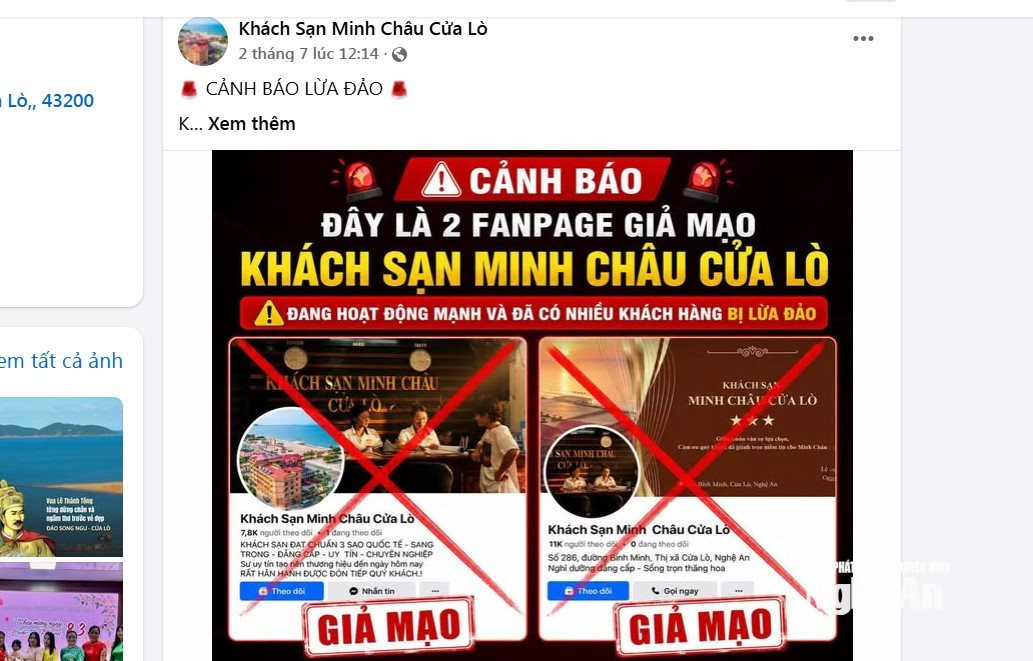
Regarding the advertising information from fake pages, Mr. Nguyen Dam Thang stated that with such low prices, hotels cannot cover their costs: The more branded the hotel, the more likely it is to be targeted by fake fan pages. This price is completely unrealistic because the cost of accompanying services alone exceeds the room rate.
Elaborating on this, the owner of Minh Chau Hotel stated that these fan pages not only copy images and information but also invest in advertising, create fake reviews, and some fan pages are even identified as originating from abroad. In fact, during this year's tourist season, the hotel has received many cases where tourists only realized they had been scammed upon arrival. If rooms are still available, the hotel proactively offers discounts to share the losses with the customers.
Similarly, simply because he trusted a fan page with a professional interface and an advertisement promising "beautiful rooms, half the market price, plus two complimentary buffet meals," a tourist from Hanoi transferred a deposit to book a room in Cua Lo. Only when he arrived at the hotel with his luggage to check in did he realize with astonishment that the booking code did not exist and the hotel had never received any payment.
According to Mr. Nguyen Trong Ky, Head of Sales at Summer Hotel, this is just one of many cases the hotel has received during this year's tourist season. Unfortunately, many victims are educated, have carefully researched information, and have even contacted the hotel directly, but ultimately still fell for the unusually low prices on social media.
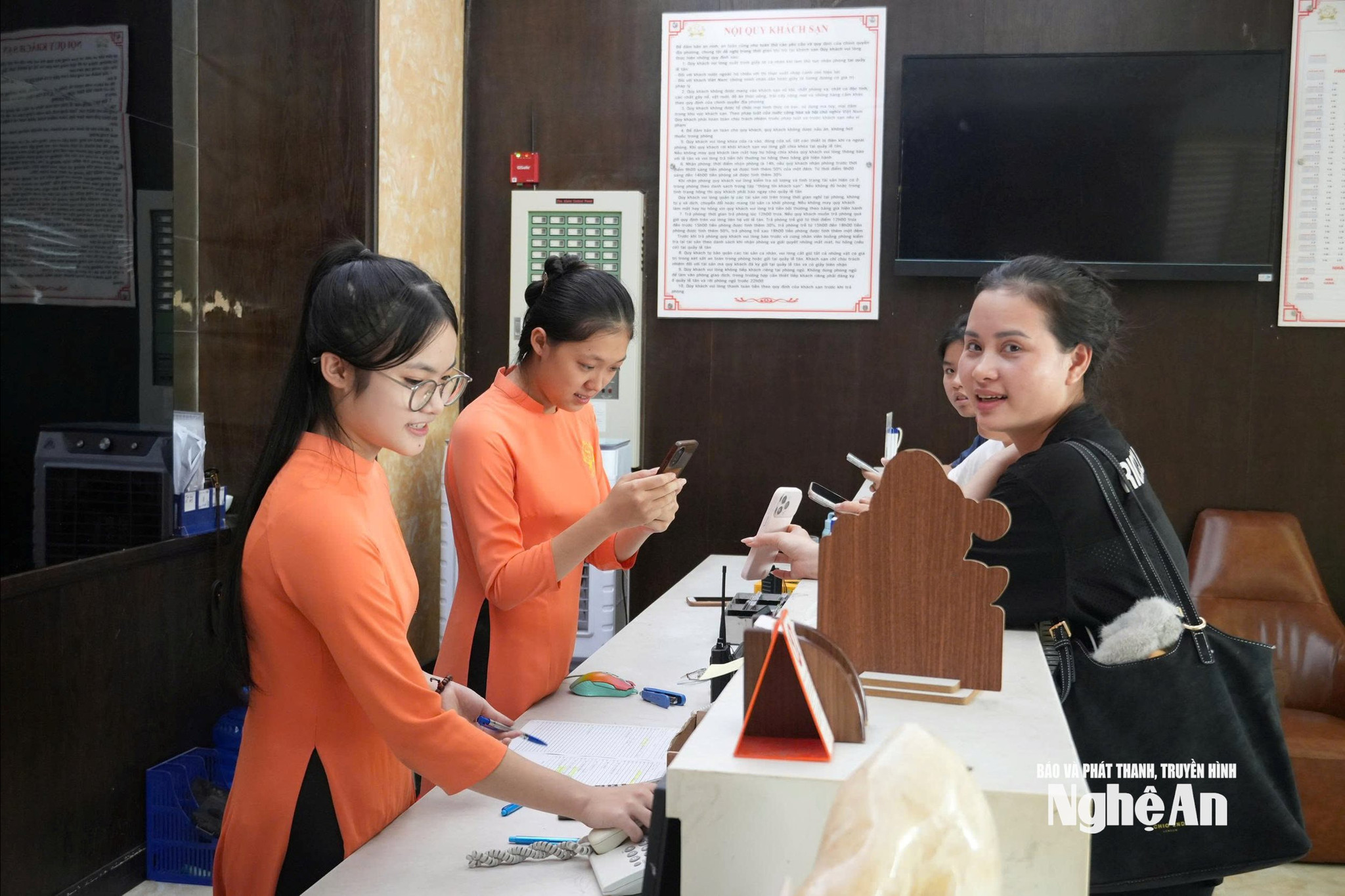
Previously, it was estimated that approximately 80% of this hotel's guests were group bookings through travel agencies and tour operators, while only about 20% were individual travelers. Typically, during peak tourist season, most rooms are booked in advance by travel agencies, so individual travelers often have to search for information on social media to make reservations. This loophole is exploited by scammers.
The most common tactic is offering unusually low prices. While the actual price of many room categories ranges from 2.2-2.4 million VND, fake fan pages quote prices from only 1.2-1.5 million VND. When customers question the low price, the scammers immediately offer plausible explanations such as having reserved the room at a discounted price from the beginning of the season or having had a cancellation and needing to resell it to recover capital.
Mr. Nguyen Trong Ky - Head of Sales Department, Summer Hotel
During the scam, exploiting tourists' desire to save money, they only request a deposit of about 20%, much lower than the hotels' regulations. More sophisticatedly, after receiving the first payment, another individual impersonating a hotel manager calls to inform the customer that they transferred the wrong identification code or payment details, causing the system to fail to register the transaction. They then request another transfer to complete the process, promising to refund the previous amount. Many, fearing they might lose their accommodation, transfer the money again and become victims of the second scam.
To avoid falling into traps, hotel owners advise travelers to prioritize searching for information on Google Maps or the official website, and to call the hotel directly instead of contacting them via Facebook. Another effective way to verify information is to ask staff to add you on Zalo and make a video call directly at the reception desk.
In addition, before booking, travelers should check the "Page Transparency" section on Facebook to see the fanpage's name change history. Pages that have changed names multiple times or have an unusually high number of followers, mainly from abroad, should be viewed with particular caution. More importantly, do not trust offers with unusually low prices or excessive discounts that far exceed market rates.
Lack of transparency with customers
Besides facing the problem of fake fanpages used for fraudulent bookings, this year's tourist season has also seen several incidents related to service quality and the way tourists are treated.
In Cua Lo ward, in July alone, there were at least two incidents reported by customers on social media, attracting public attention. One case involved booking through the Booking.com app. According to the customer's complaint, after accepting the booking, the accommodation provider announced that all rooms were booked, but then reopened sales at a higher price.
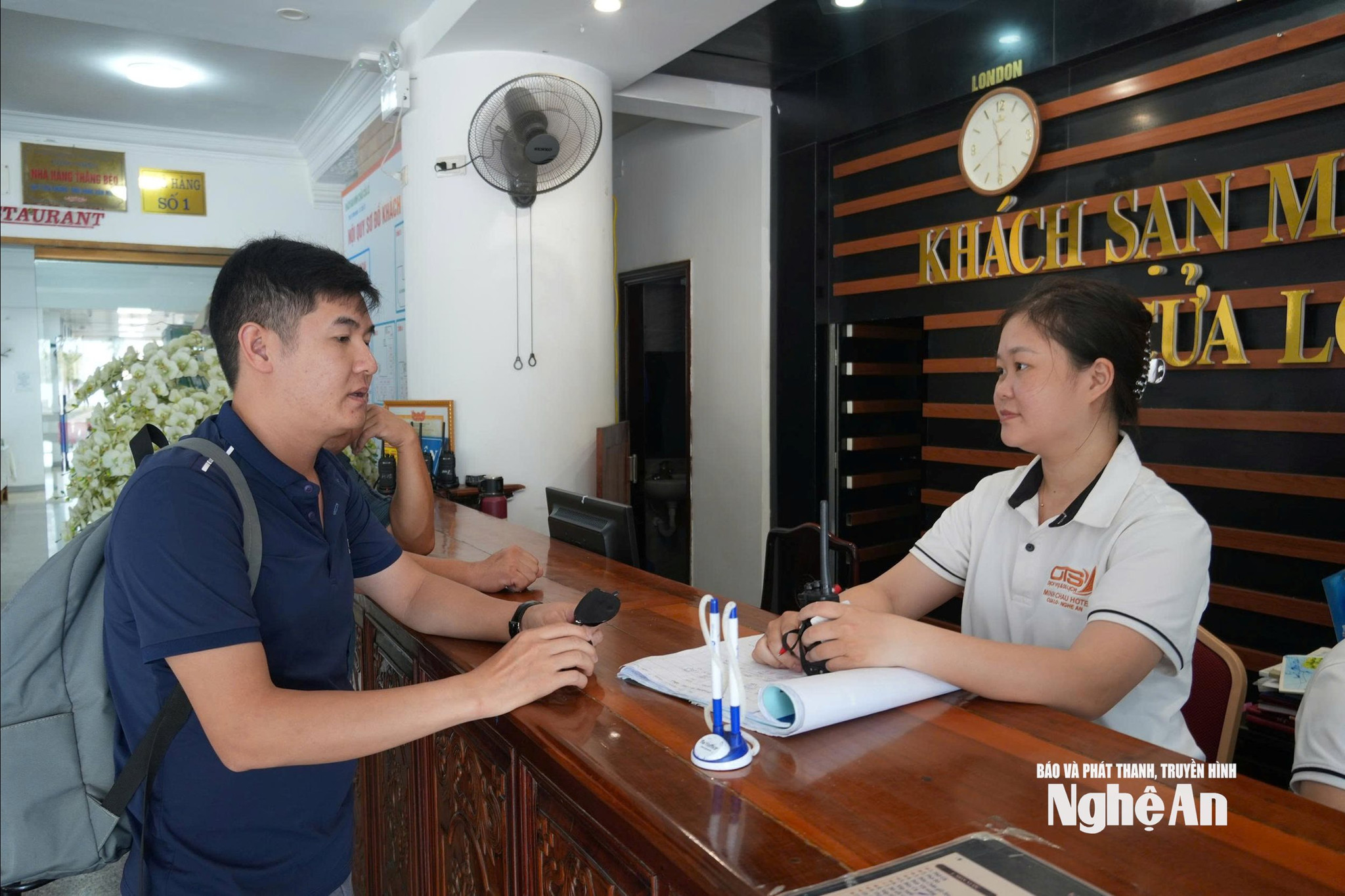
The other incident occurred at the Rubik Hotel. Specifically, after a holiday in Cua Lo, a tourist from Hanoi posted on social media complaining about the hotel's unprofessional behavior, demanding that the guest check out despite having confirmed the reservation and received a deposit. The post quickly attracted thousands of interactions, with the majority of opinions suggesting that the accommodation's behavior was disrespectful to customers and could negatively impact the image of Cua Lo tourism. Immediately after the incident went viral, the hotel owner posted a public apology, admitting that due to haste, the statements and actions were inappropriate, and accepting responsibility for the incident.
According to Mr. Nguyen The Son - Head of the Culture and Social Affairs Department of Cua Lo Ward,Immediately after receiving the information, the local authorities worked directly with the owner of the accommodation facility to verify and clarify the incident: "The hotel owner acknowledged the shortcoming, proactively apologized to the tourists, and committed to rectifying the situation," Mr. Son said.
Regarding the handling of the case, according to Mr. Son, the local authorities will consider the matter in a way that ensures the strict enforcement of the law while also providing opportunities for the business to rectify the violations. In addition, for the act of failing to protect the legitimate rights and interests of tourists, the authorities are reviewing the case and may impose administrative penalties based on legal regulations. The fine for individuals could range from 10 to 15 million VND. Simultaneously with the legal action, the local government also requires the accommodation establishment to proactively contact the tourists to discuss the matter, rectify the consequences, and ensure the legitimate rights of customers.
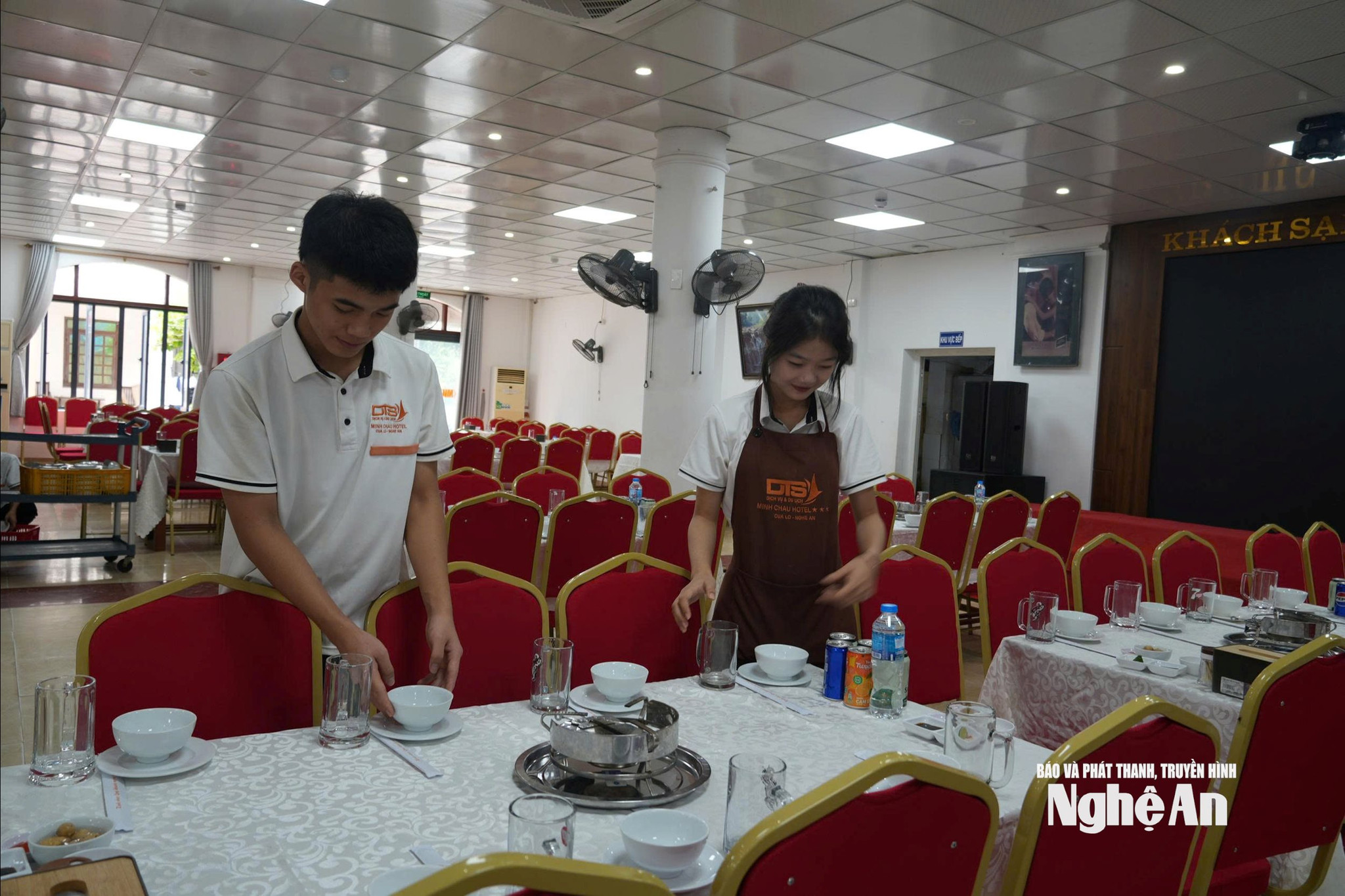
Although these are isolated incidents, according to Mr. Nguyen The Son, this is also an opportunity for the locality to review and rectify the business activities of accommodation services in the area.
Recently, Cua Lo ward has coordinated training courses for tourism businesses on legal regulations, and required these businesses to sign commitments to strictly comply with regulations in their operations. Through this, we focus on building a culture of civilized, courteous, and professional conduct, and ensuring hygiene, environmental standards, and service quality. This will contribute to building Cua Lo's image as a friendly, safe, and civilized destination, and fostering trust among tourists during each tourist season.
Mr. Nguyen The Son - Head of the Culture and Social Affairs Department of Cua Lo Ward,


