
Beware of scams in e-wallet transactions and impersonators of delivery drivers.
Using the personal information and OTP code provided by the victim, the scammer links the e-wallet to the bank account, withdraws money to the e-wallet, and steals the funds.
Electronic wallet transaction fraud
Banks are warning about several scams in e-wallet transactions and how to avoid them. Scammers often use phone numbers posing as bank officials or representatives from large e-wallet companies like VNPay, ZaloPay, etc., to contact customers via phone calls, emails, or SMS/Zalo messages. They offer advice on withdrawing cash from credit cards, online loans, prize winnings, customer service, and surveys, ultimately requesting customers to open an e-wallet account.
Scammers instruct customers to scan QR codes or click on fake links, leading to websites that resemble banks or e-wallets. These websites then request personal information and account/credit card details under the pretext of assisting with loan applications, claiming rewards, or creating e-wallet accounts. Scammers typically request information such as: full name, ID number, account number, password, card number, OTP code, etc.
After collecting information provided by customers, fraudsters create fake accounts, thereby gaining control of the victim's banking app and e-wallet. The scammers link the e-wallet to the victim's bank account, then withdraw money from the bank account to the e-wallet and steal the funds.
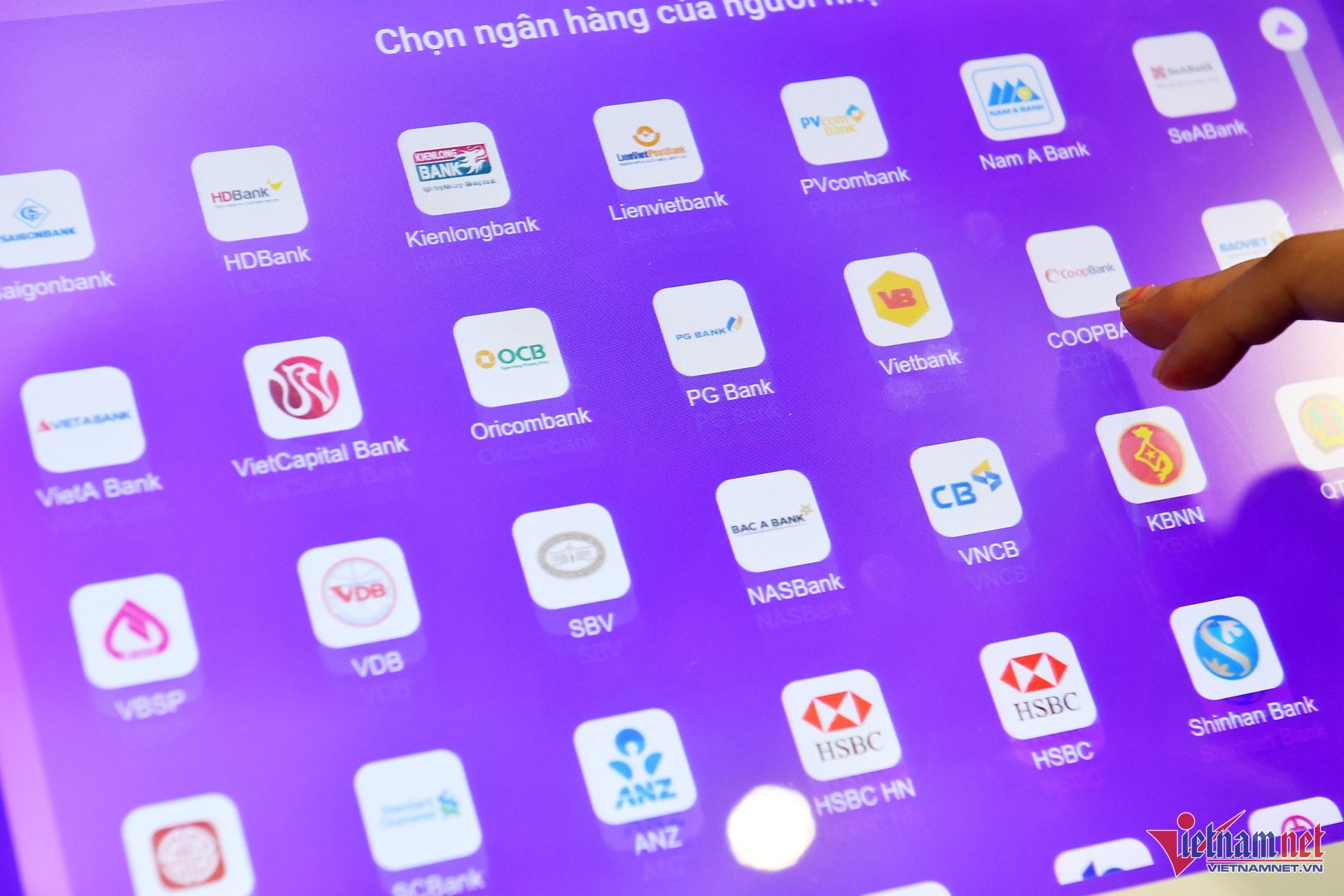
The bank advises customers to be extremely cautious of calls from unknown phone numbers, or messages and emails requesting QR code scanning. Absolutely do not click on any links from unknown sources received via text message/email. Do not register accounts/electronic identity on behalf of others.
Do not provide personal information/bank account information over the phone or on social media. Carefully check all communications, especially requests for money transfers or information provided via phone or social media.
Do not download or install applications via unofficial or unverified links or instructions, such as links or application installation files (APK files) on the Android operating system. Only install software that has been officially announced by the authorities on their official websites.
Test the application and its features before granting permissions to view the screen, input data, or control the screen. Proactively enable/disable online payment features on the banking application to control online transactions.
Impersonating a delivery driver to swindle money from customers.
Recently, a new scam has emerged where perpetrators impersonate delivery drivers, calling to deliver ordered goods, gifts from a seller, or gifts from a bank (e.g., credit cards), with customers only needing to pay the delivery fee.
The scammers typically choose a time when customers are not home, constantly urging them to receive their orders, claiming that failure to deliver on time will result in not meeting their daily targets. Customers are usually persuaded and make bank transfers to pay for the order or delivery fee.
After receiving the payment, the sender mistakenly claimed the recipient's account was a delivery member account, and the customer would be charged monthly for this membership package.
The scammers send a fake link and phone number (e.g., 1900xxxx), asking customers to contact them to cancel their membership and get a refund. When customers access the link and provide their information, their bank account or card will be debited.
Banks advise against transferring funds or making payments for orders with unclear information such as tracking numbers, recipients, or orders that do not originate from customer needs.
Do not share personal information such as address or phone number on social media. Do not scan QR codes whose contents are unknown.
Be cautious of offers and gifts from anyone, including bank employees. Verify information with the seller through official channels before transferring money. Do not click on links unless you have clearly verified the information of the person making the request. Banks do not charge any fees through shippers.


