
Casemiro and the art of winning time: When football intelligence replaces speed.
Despite being considered past his prime, Casemiro has scored 10 goals, and alongside legends like Giggs and Maldini, he is redefining the concept of age with his top-level footballing intelligence.
At Old Trafford, time is inherently a relentless flow. But when Casemiro scored against Brentford to seal a 2-1 victory last Tuesday, that flow seemed to slow down. With 10 goals in a season considered the end of his career, the Brazilian midfielder is joining the legends at Carrington in proving one thing: great players don't fade, they just move to a different level of thinking.

Survival instinct and response from Jamie Carragher
In top-level football, the body always goes through a painful "negotiation" with its will. Sprints that were once instinctive become calculated moves, and injuries require longer recovery times. Most players choose to compromise, but Casemiro did not.
His performance against Brentford not only earned him the Man of the Match award but also served as a powerful response to Jamie Carragher. When the former Liverpool defender advised him to "leave football before football leaves you," the former Real Madrid defensive machine remained silent and focused on action. With four goals in his last six games, Casemiro is controlling the match with the cunning of a seasoned mind rather than relying on physical exertion.

Ageless minds at the Theatre of Dreams
Old Trafford has never lacked players who know how to control a game with their minds even when their legs are tired. They understand that the speed of decision-making declines much more slowly than the speed of sprinting, and that a precise positioning can compensate for a 20-meter chase.
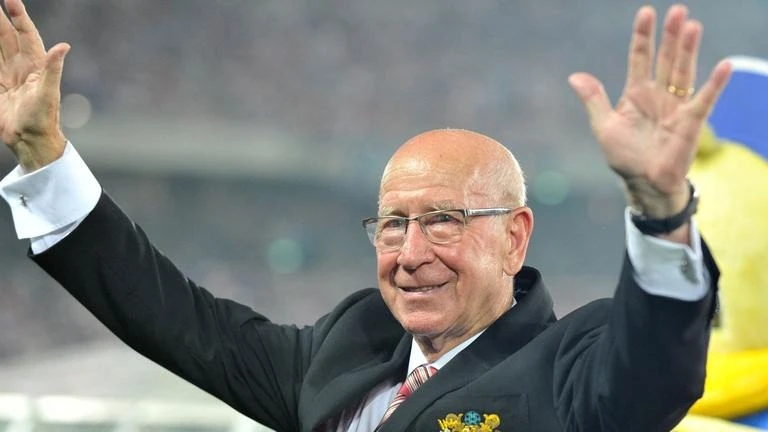
Sir Bobby Charlton and his vision for coordination.
Sir Bobby Charlton didn't play until he was 30 just for fame. His spatial awareness made him a masterful coordinator. When his physical strength no longer allowed him to overcome opponents with brute force, Charlton used his vision to ensure he never found himself in situations requiring physical contact.
The perfect evolution of Ryan Giggs
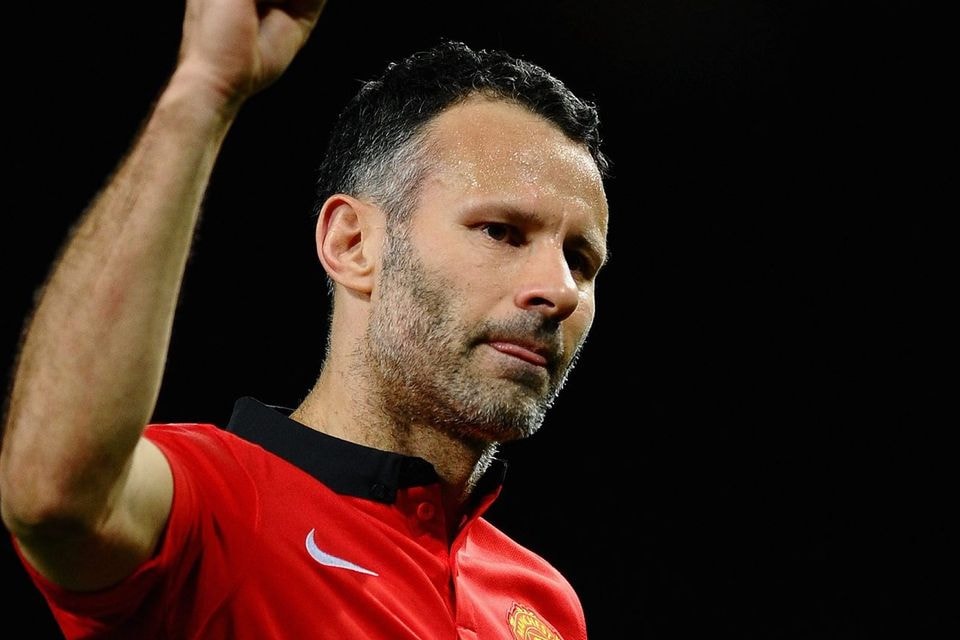
Ryan Giggs is the perfect example of evolution. From a whirlwind winger, he gradually moved into the center to become the orchestrator, extending his peak career until the age of 40. Sir Alex Ferguson once turned Giggs into a special weapon in Champions League knockout matches, where 60 minutes from a 38-year-old veteran provided more tactical value than 90 minutes of strenuous effort from younger players.
Teddy Sheringham and Paolo Maldini's speed paradox
Teddy Sheringham is a classic example of footballing intelligence. Never considered a quick player, he built his career on knowing exactly where to be before the ball arrived. At the age of 35, he earned the admiration of the entire nation by winning the PFA Player of the Year award with 15 Premier League goals.
Meanwhile, Paolo Maldini transformed defending into a high-level art form. At 40, he still dealt with dangerous situations before younger defenders even realized it. Maldini's philosophy was simple: "If I have to tackle, it means I made a mistake beforehand." He used his intelligence to avoid having to correct mistakes with speed.

Casemiro and his final instincts at Carrington
Despite criticism of his slowness in his second season, Casemiro responded with the primal instincts of a defensive midfielder. The partnership between him and Kobbie Mainoo – 14 years his junior – is the most beautiful image in the Premier League this season. While Mainoo provides youthful energy, Casemiro acts as a guide, shielding his younger teammate with 15 years of experience.
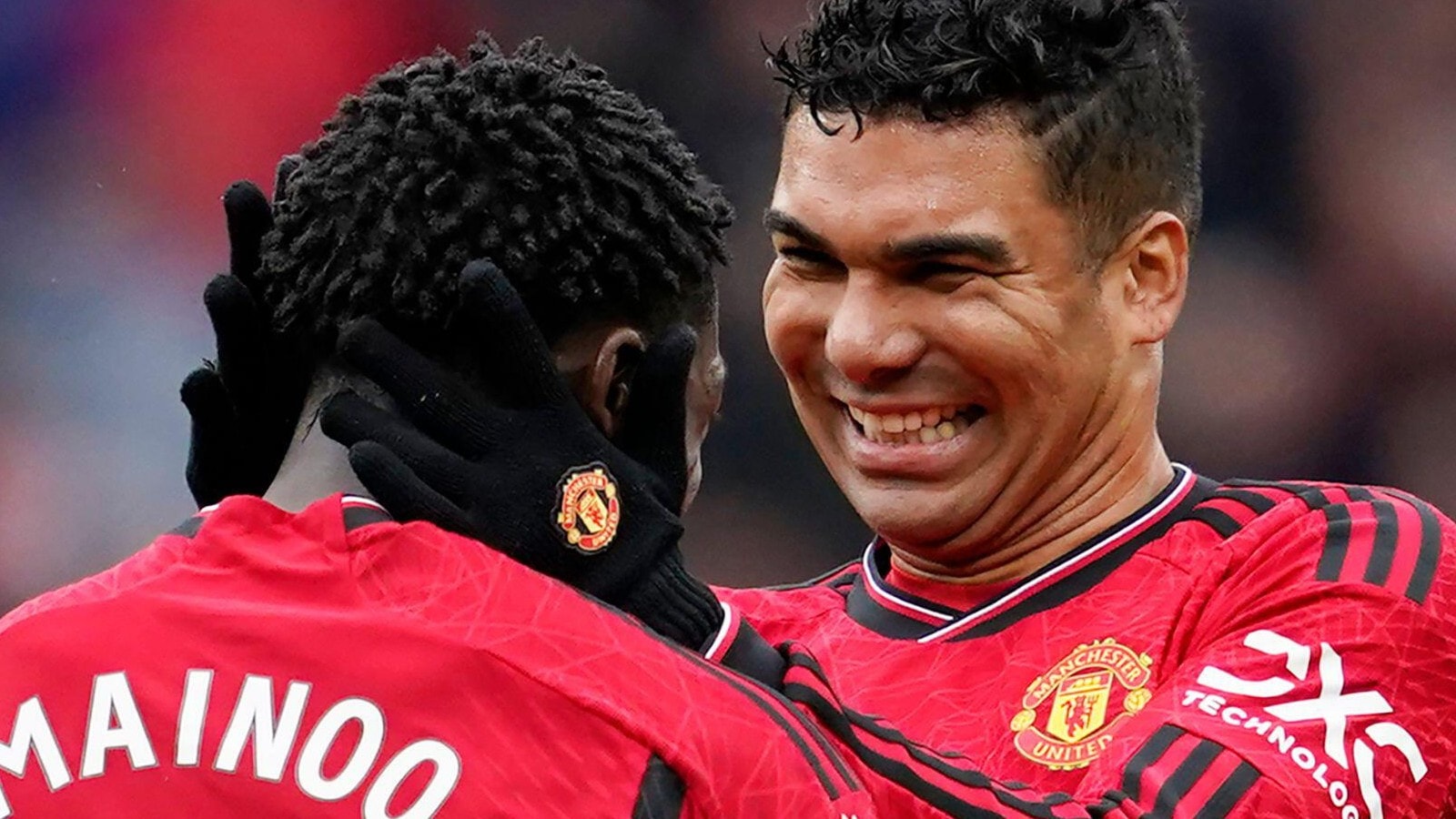
The decision by Manchester United's management not to renew his contract is a strategic move from a long-term perspective. However, parting ways with a footballing genius of his caliber still leaves a void. Casemiro is leaving with the highest volume, with the goals and fighting spirit of a young player seeking his first contract.
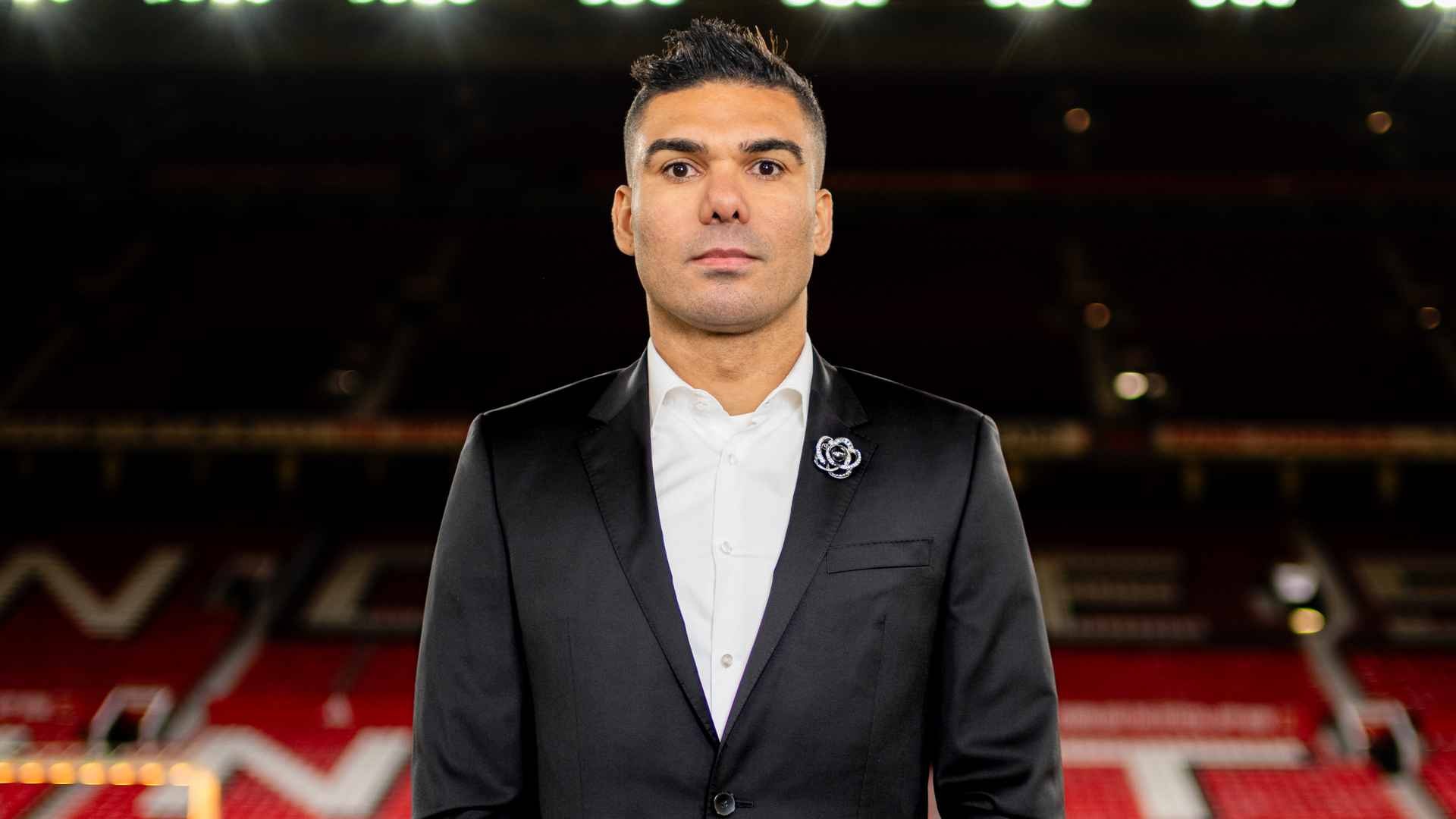
Manchester United's history will see younger, faster midfielders, but the image of Casemiro at 34 fighting to the very last second will forever be a reminder of the value of intelligence. Great players never truly disappear; they only leave behind lessons about how the mind can conquer time.


