
Cooperative Club: Connecting for Shared Development
The establishment of cooperative clubs is creating a practical channel for collaboration among units in the same industry. Beyond exchanging experiences, members aim to support each other in terms of products, markets, seed sources, and gradually form a sustainable product supply chain.
Developing together in the same field.
From operating independently, cooperative clubs are gradually becoming a connecting bridge, creating an environment for members in the same industry to exchange experiences, share resources, support production, expand markets, build brands, and achieve sustainable development.
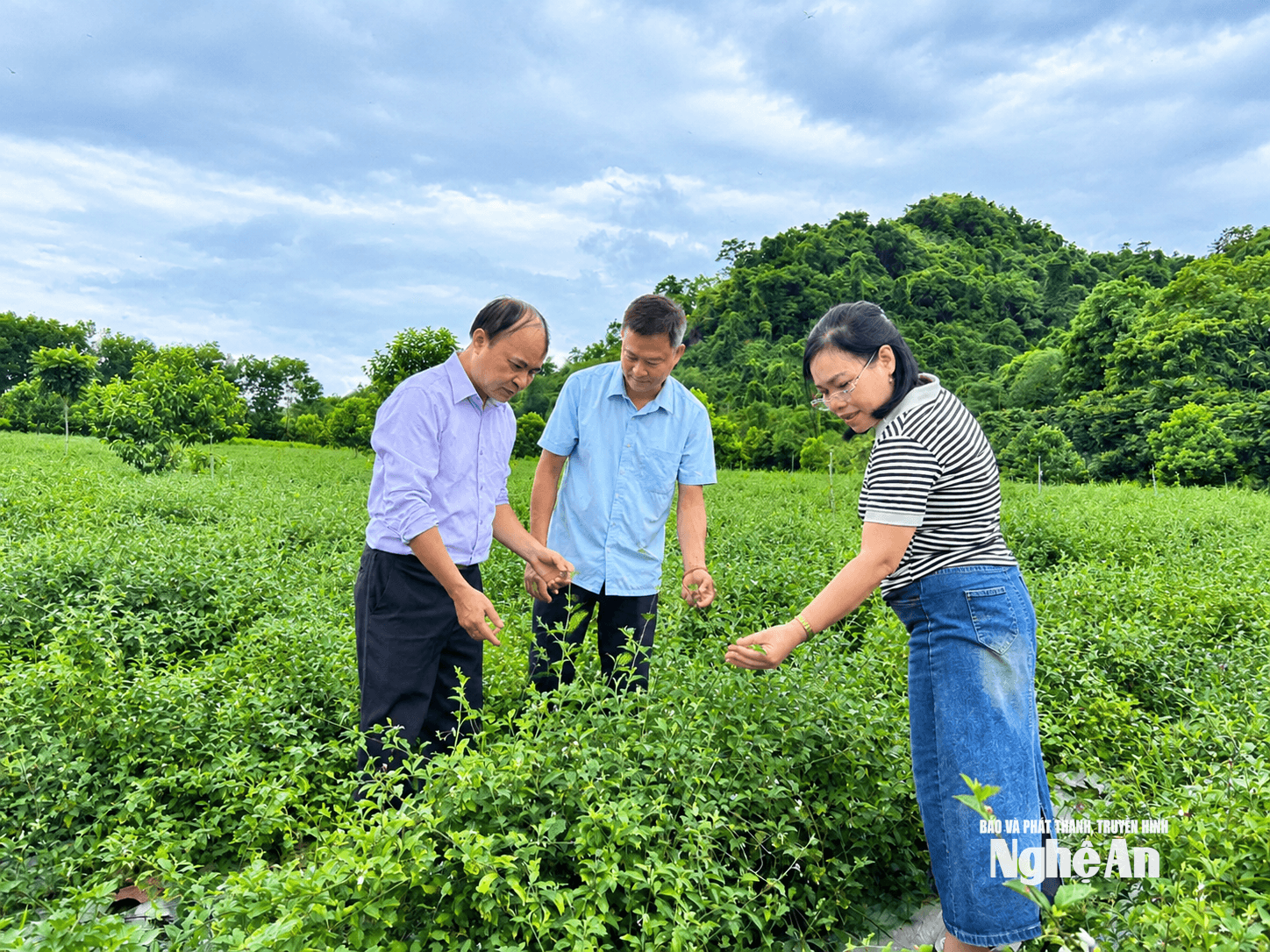
The Nghe An Medicinal Herb Cooperative Club was newly established in early May 2026, with 14 members consisting of cooperatives operating in the production, processing, and trading of medicinal herbs in the province. Although each unit has its own scale, products, and business strategy, they all share a common desire for a space to connect, learn from, and support each other in their development.
Mr. Phan Van Dien, Director of Pu Mat Medicinal Herb Cooperative and Chairman of the Nghe An Medicinal Herb Cooperative Club, said that the establishment of the club stemmed from the practical needs of the cooperatives. Previously, each unit mainly found its own direction, built its own raw material areas, produced, and sought markets. Meanwhile, cooperatives and businesses operating in the medicinal herb sector can greatly support each other if they form close links.
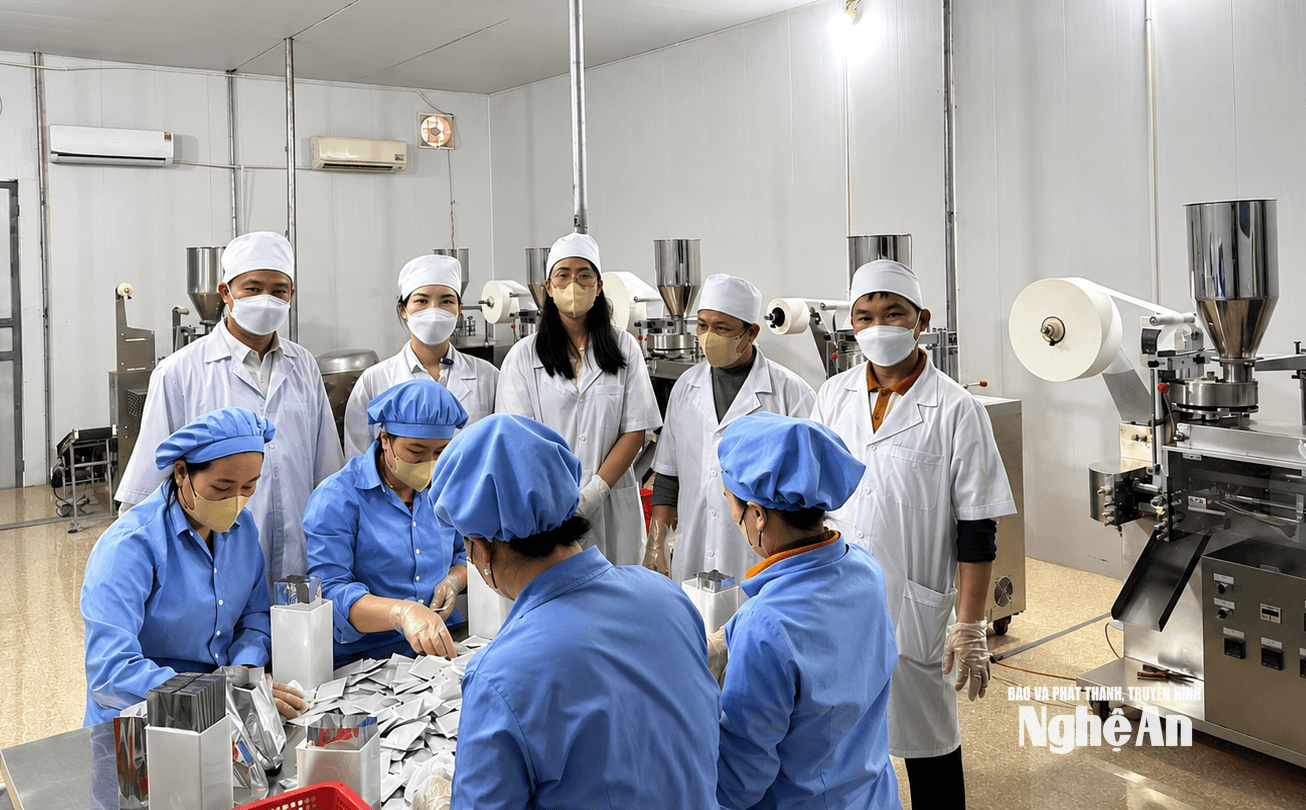
Members can learn from each other's experiences, support each other, and cross-sell products. Each unit has a different business strategy, so coming together will lead to more innovative approaches and collaboration opportunities.
Mr. Phan Van Dien - Director of Pu Mat Medicinal Herb Cooperative, Chairman of the Nghe An Medicinal Herb Cooperative Club
According to Mr. Dien, establishing the club is necessary because its members share the same production and business fields and have many similar aspirations. From production, developing raw material areas, processing, to promoting and selling products, the cooperatives can exchange experiences and support each other. This is also a suitable direction in the context of medicinal herb production, which increasingly demands high quality, traceability of raw materials, and production processes. If each cooperative operates independently, addressing these requirements will be more difficult.
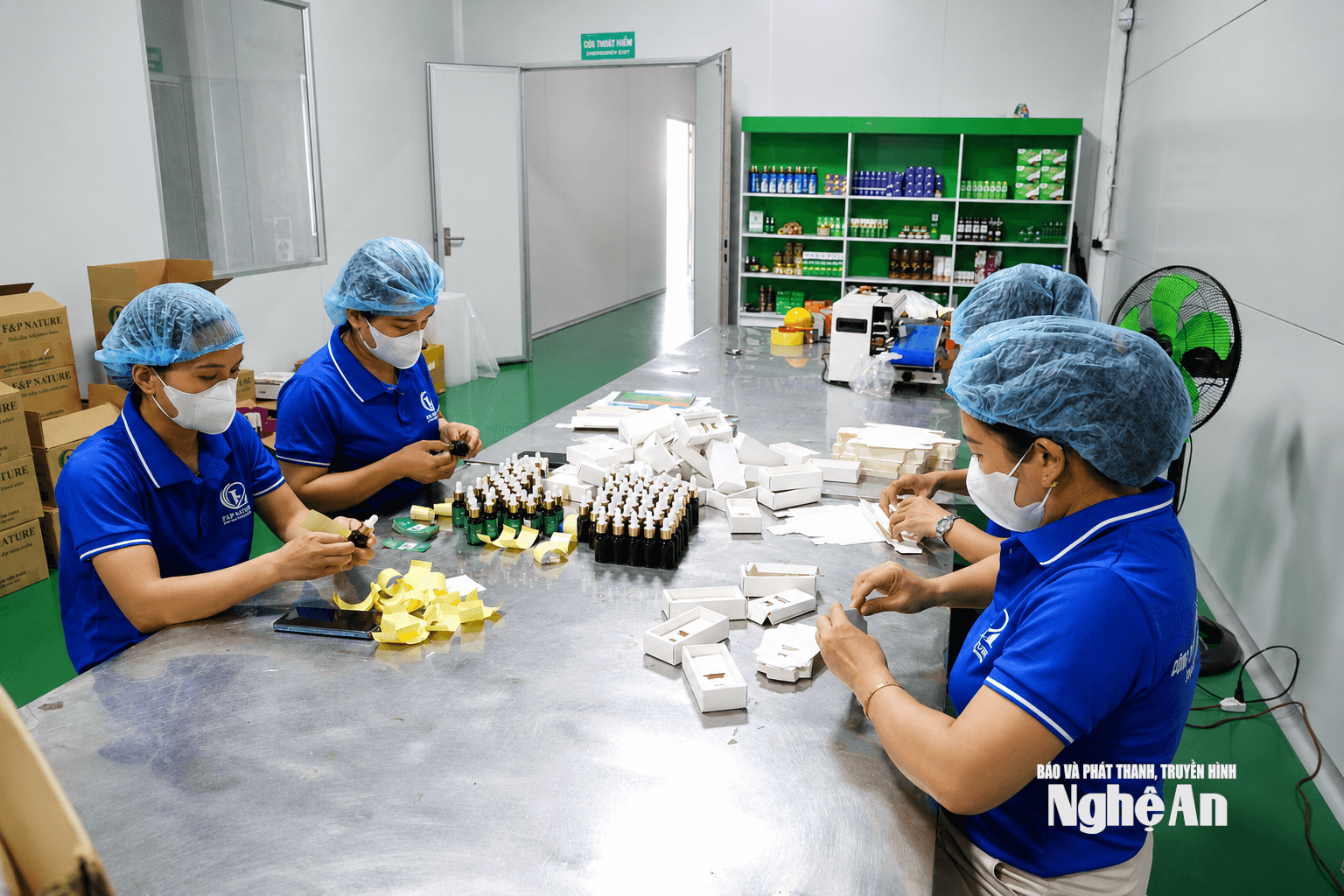
One of the issues of concern to members of the Medicinal Herb Cooperative Club is the planning of raw material areas. According to Mr. Phan Van Dien, the province needs a comprehensive plan for medicinal plants, paying particular attention to areas with suitable conditions for growing medicinal plants under the forest canopy. This is considered a promising direction for development, both utilizing the advantages of natural conditions and creating livelihoods for people in mountainous areas. However, to develop in a commercial and sustainable direction, the planning of growing areas needs to be done systematically, linked to market demand and the capacity for processing and consuming the products.
Another issue is the source of medicinal plant seedlings. Currently, many cooperatives still have to source seedlings from the market, while the origin of the seedlings is not always clear. This creates considerable difficulties when cooperatives want to upgrade their production processes and develop products that meet high standards.
In particular, when cooperatives register their products according to GACP – the Good Agricultural and Collection Practices for Medicinal Plants standard recommended by the World Health Organization – the requirement for the origin of the plant material becomes very important. Accurately identifying the medicinal plant species is one of the essential factors in ensuring the quality and value of the product.
"To develop medicinal plants into a key crop, we need a unit that produces and supplies high-quality medicinal plant seeds with clear origins. Only then will cooperatives be able to easily establish raw material areas, trace origins, and register for the necessary standards," Mr. Dien emphasized.
Not stopping at the initial 14 members, the Nghe An Medicinal Herb Cooperative Club aims to continue recruiting more households, cooperatives, and small and medium-sized enterprises operating in the medicinal herb sector in the province. This expansion of membership is expected to create a broader network where each member can leverage their unique strengths.
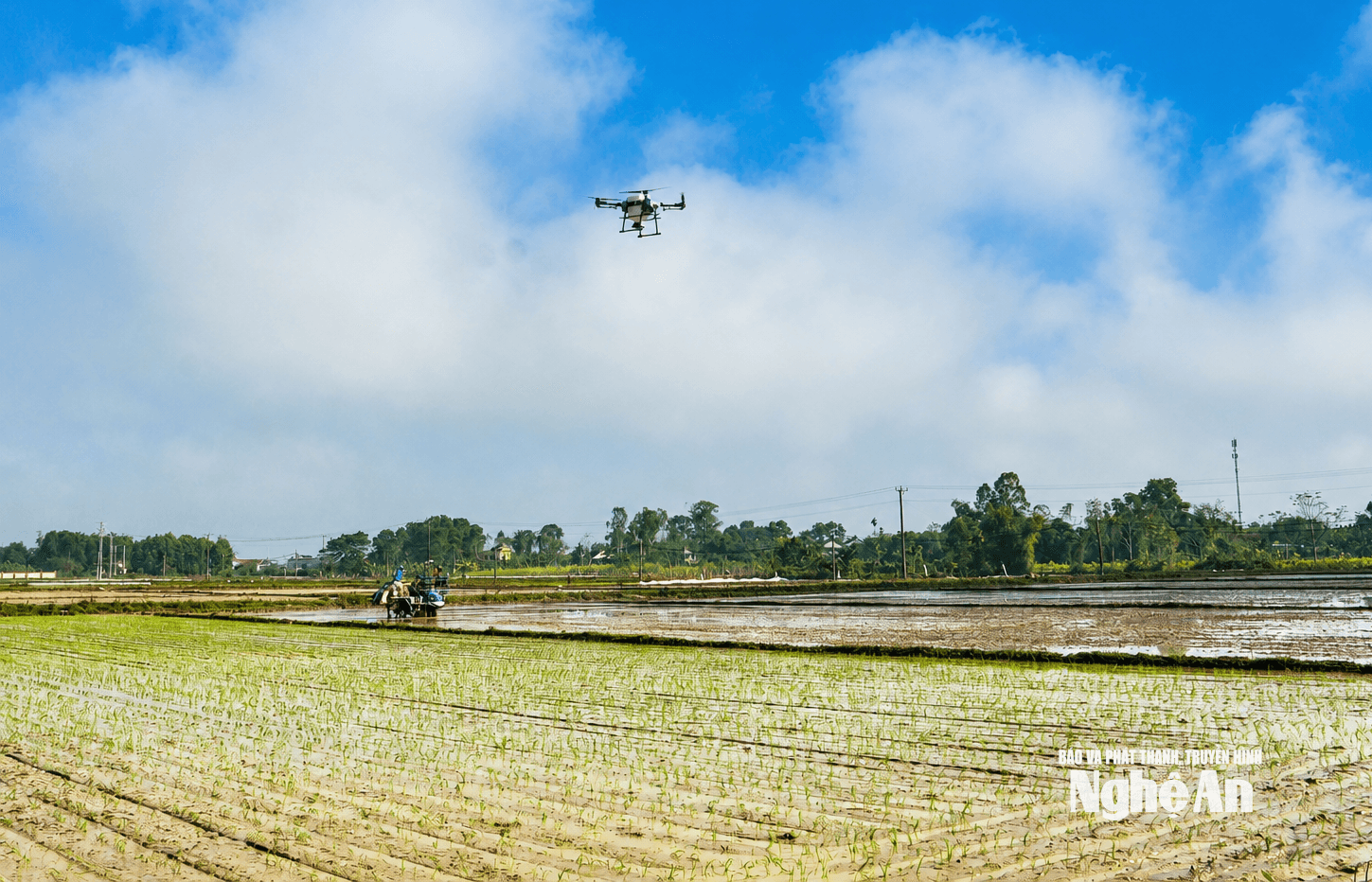
The Agricultural Cooperative Club for Mechanization in Production was launched earlier this August with 30 members. Mr. Ho Sy Quang, Chairman of the Board of Directors and Director of Tho Thanh General Agricultural Service Cooperative, and Head of the Agricultural Cooperative Club for Mechanization in Production, believes that establishing this club is necessary. It provides a platform for cooperatives in the same field to meet, exchange experiences, and share effective methods for applying machinery and equipment to production.
Through this, cooperatives can support each other in terms of human resources, machinery, and technology, gradually increasing productivity, reducing costs, freeing up labor, and promoting agricultural production in a modern and efficient direction.
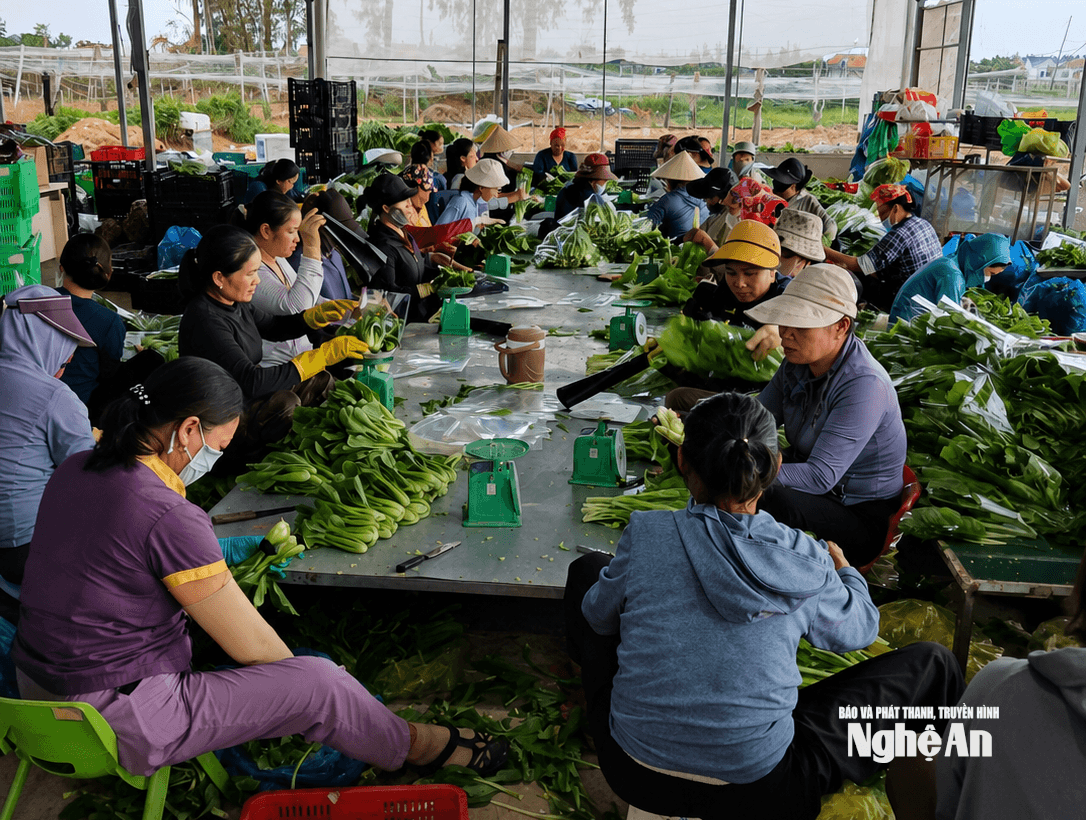
Through discussions with several members of the Agricultural Cooperative Club on the application of mechanization in production, it was found that collaboration brings many practical benefits, especially during peak seasons. Mechanization is increasingly being applied from land preparation, planting, and cultivation to harvesting. It is hoped that, through the club, cooperative members can support each other, promptly resolve difficulties and obstacles, ensure production progress, reduce costs, and improve efficiency.
Strengthening the bonds within cooperative clubs.
Mr. Nguyen Ba Chau, Chairman of the Provincial Cooperative Union, said that from the beginning of 2026 until now, the Provincial Cooperative Union has established two cooperative clubs: the Nghe An Medicinal Herbs Cooperative Club and the Agricultural Cooperative Club promoting mechanization in production. This year, the Provincial Cooperative Union plans to establish an additional Community Tourism Cooperative Club.
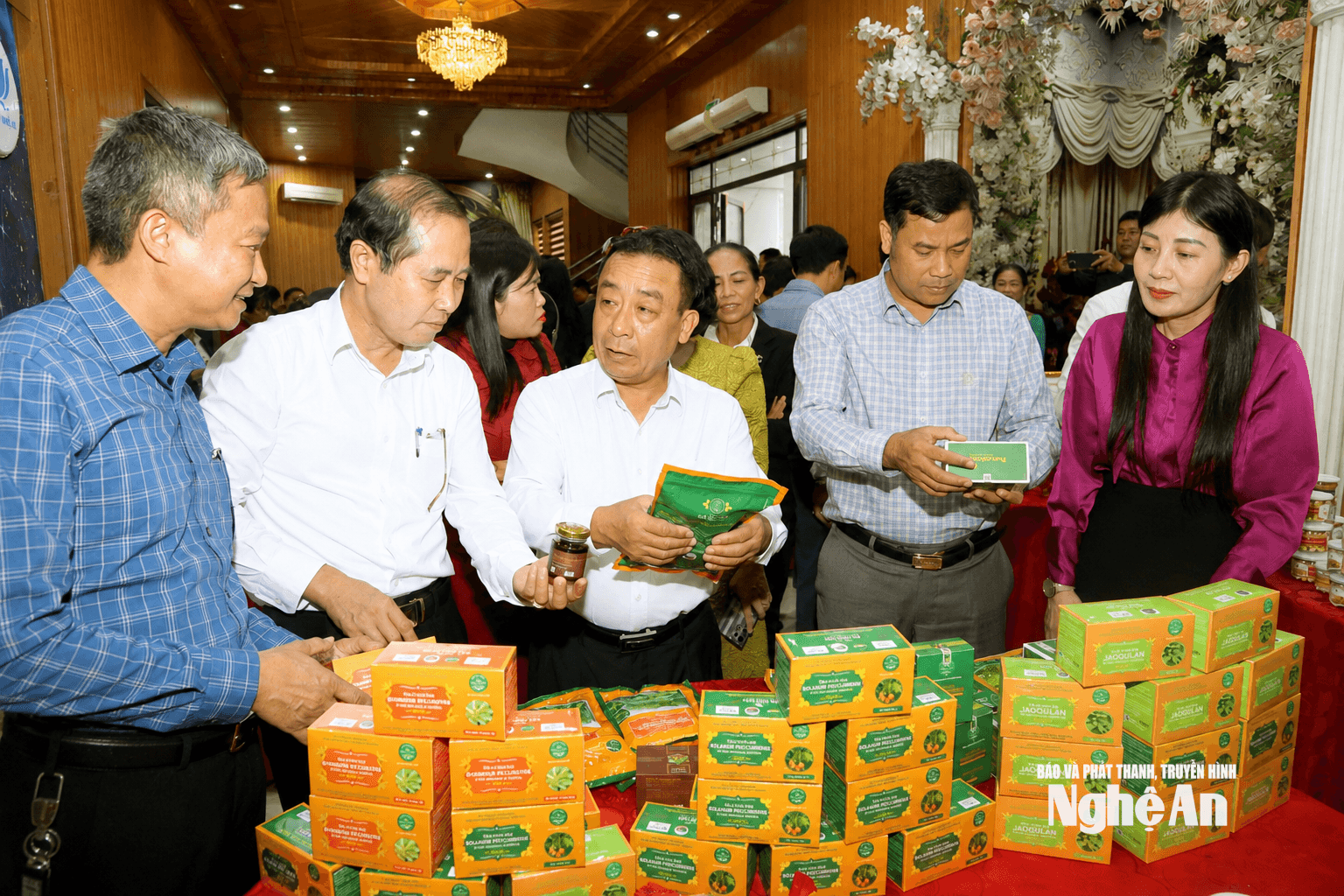
According to Mr. Chau, the establishment of cooperative clubs aims to create an environment where units in the same field can meet, exchange experiences, and support each other with resources. Through this, cooperatives can reduce fragmentation in production, strengthen linkages, and develop together. More importantly, through these clubs, cooperatives can coordinate to develop key products, form common brands, and enhance the position of the collective economic sector in the market.
In reality, a cooperative cannot independently handle all stages from seed selection, raw material sourcing, production, processing, to consumption. Therefore, collaboration between units in the same industry is crucial, especially as the market increasingly demands higher quality, standards, and traceability.
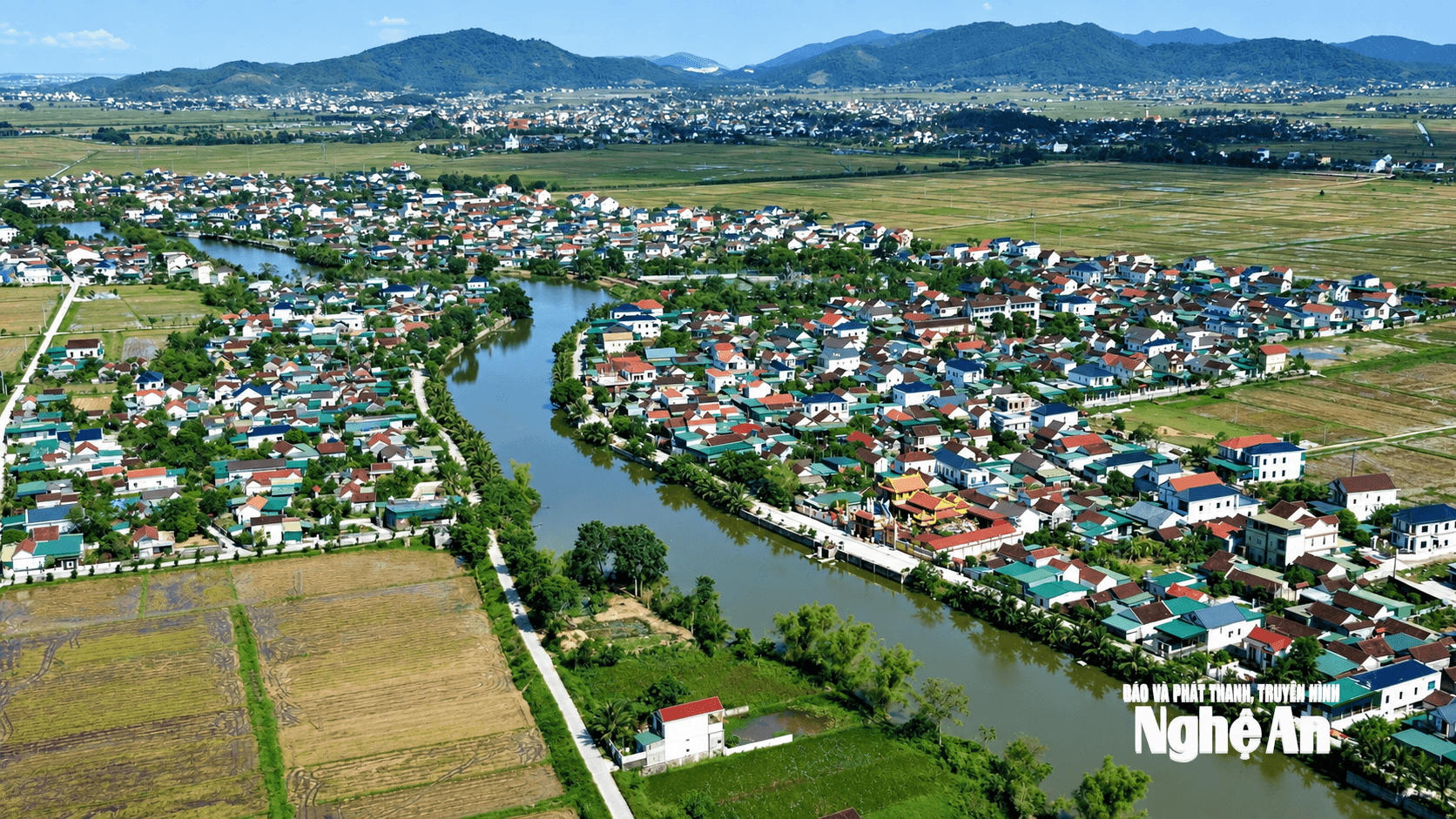
The Nghe An Medicinal Herbs Cooperative Club and the Agricultural Cooperative Club are introducing mechanization into production, which is expected to be the starting point for forming a new form of linkage. Through exchanging experiences, supporting products, and sharing markets, members can move towards deeper linkages in production and consumption.
Currently, the province has 941 cooperatives operating in diverse fields such as medicinal herbs, agriculture, brocade weaving, forestry, and transportation. Establishing clubs for each industry is a necessary step, creating a forum for cooperatives to strengthen linkages, exchange experiences, support resources, overcome difficulties together, and improve production, business efficiency, and competitiveness.


