
Players currently playing in Southeast Asia could participate in the 2026 World Cup.
42 out of 48 teams have already qualified for the 2026 World Cup; Jordan and Curacao will bring players currently playing in Southeast Asia, while Yuran Fernandes, Alvin Fortes, Schindler, and Frans Putros could feature.
As the national team's training camps at the end of 2025 conclude, the picture for the 2026 World Cup is becoming clearer: out of 48 spots, 42 teams have already secured their tickets. And scattered among them are teams currently playing in Southeast Asian national leagues, from Malaysia to Indonesia and Thailand.
Two teams have confirmed they will be bringing players currently playing in Southeast Asia: Jordan and Curacao. The rest are potential candidates awaiting final roster confirmation, depending on form and the playoff route.
Jordan and Curacao pave the way for players from Southeast Asia.
Under coach Jamal Sellami, Jordan considered the Selangor FC duo of Noor Al Rawabdeh and Mohammad Abualnadi as almost the default choice. Their stability, ability to handle demanding situations, and understanding of each other in tactical operations earned them the trust of the coaching staff.
In Curacao, Gervane Kastaneer (Persis Solo) is highly regarded by coach Dick Advocaat for his experience and versatility. Although his club's performance isn't always consistent, that trust is enough to almost guarantee him a place at the World Cup in the USA, Canada, and Mexico.
Names that could break through
The vibrant international player market in Southeast Asia is creating more opportunities for new faces to make their way into the upcoming World Cup.
- Yuran Fernandes (PSM Makassar): The central defender has been a cornerstone of the defense for two seasons and has been recalled to Cape Verde, a team that has qualified for the World Cup for the first time. With consistent form in Liga 1, his chances of participating in the big tournament are high.
- Alvin Fortes (Selangor): An attacking player who maintains a significant influence at both his club and with the Cape Verde national team. If he maintains his form, he could very well feature in the World Cup.

- Kingsley Schindler (Buriram United): A player on the Ghana squad – the team that qualified for the World Cup. The next year will decide: if he integrates well and demonstrates his abilities in the Thai League, he could become a representative of the Thai League on the biggest stage.
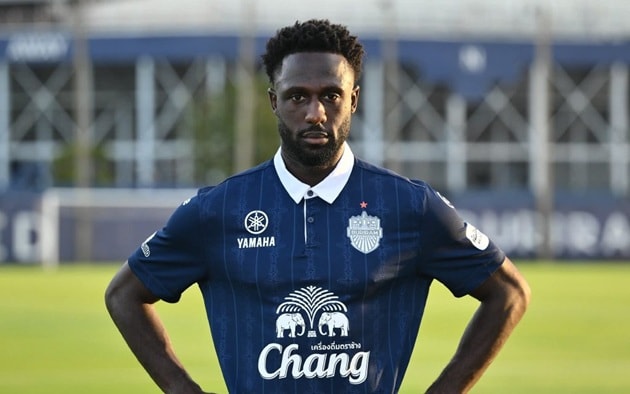
- Frans Putros (Persib Bandung): The defender remains a trusted player for the Iraqi national team. The team will participate in the intercontinental play-offs; if they qualify, Putros is likely to be included in the final squad.
Perspective: Opportunities are created by stability.
The common denominator among the candidates is stability and a clear role at their club: from a "pillar" like Yuran Fernandes to the versatility of Gervane Kastaneer, or the attacking influence of Alvin Fortes. For Jordan, the connection and understanding of the system between Noor Al Rawabdeh and Mohammad Abualnadi is the basis for their preference.
In the Thai League, Schindler needs a full playing cycle to prove himself in a new environment. His ability to adapt will be a crucial factor in securing Ghana's ticket to the World Cup.
Significance for Southeast Asian football
If all goes well – from consistent form to securing a playoff spot – the 2026 World Cup could see more players currently playing in Southeast Asia than any previous World Cup. This would be a measure of the growing appeal of regional leagues and reaffirm Southeast Asia's role as a valuable launching pad for international talent.


