Economy

The bamboo from Nghe An is difficult to sell, breaks easily, and degenerates.

Hoai Thu - Thanh Phuc September 10, 2024 11:40

For the past two years, bamboo and rattan growing areas in Que Phong have seen virtually no buyers, reducing the main source of income for local people. In many places, the rattan plants are beginning to degenerate and break.

bna_lung-qp...-06e03b6c33146eb3f8362a96c6536003(1).jpg
In many villages and hamlets in the mountainous districts of Nghe An province, bamboo is the main source of income for the people; among them, Que Phong district has about 17,000 hectares, ranking among the top localities with the largest bamboo forest area in the province. The bamboo forests in Que Phong district are mainly concentrated in Dong Van and Thong Thu communes with nearly 830 hectares. The remaining area is distributed in other communes. Photo: HT
ban_nguyen-lieu-lung(1).png
Reed is a raw material for the handicraft industry, paper production, and provides a significant annual income for people in mountainous areas, approximately 3-4 million VND/hectare. Particularly, areas with FSC-certified reed forests ensure transparency in the origin of the raw materials, facilitating export. (Photo: TP)
Để khai thác được cây lùng người dân phải trèo đèo lội suối, vượt thuyền qua vùng lòng hồ chặt từng cây mang về
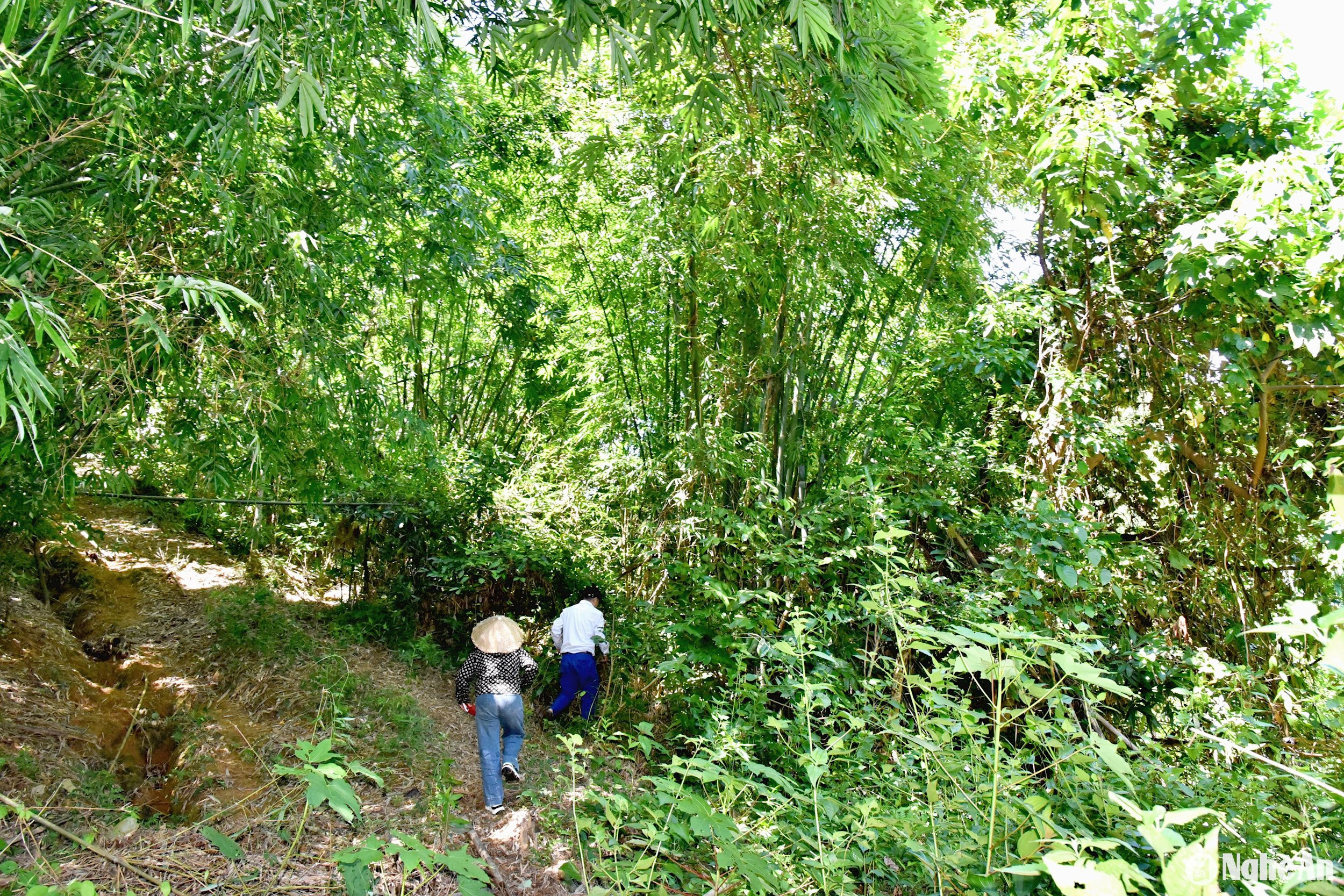
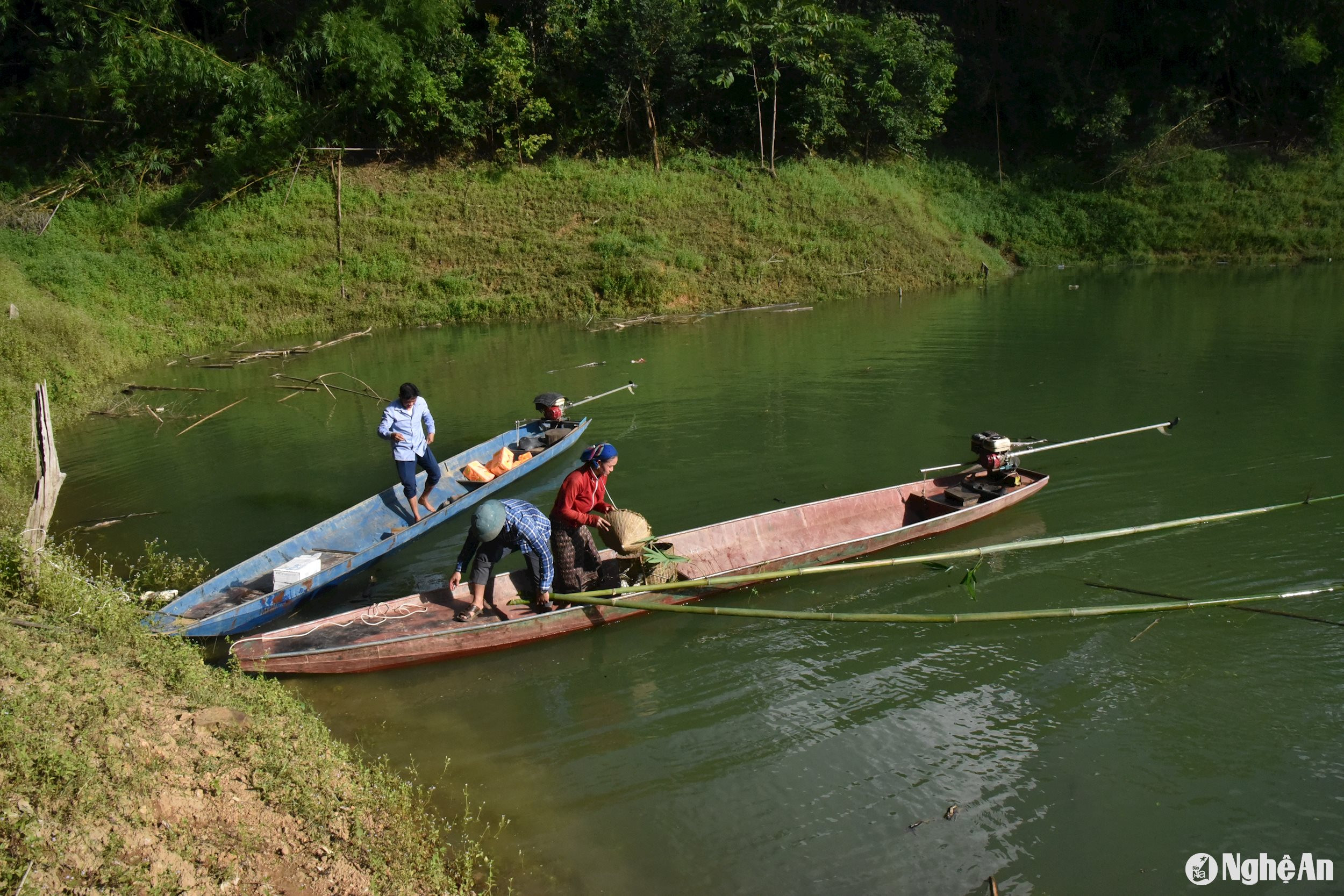
The bamboo forests are located in remote areas, on mountains or around hydroelectric reservoirs. Therefore, to care for, protect, and harvest the bamboo, people have to climb mountains, cross streams, and travel by boat across the reservoir to reach the planting areas, care for the plants, or cut down individual trees to bring them back. Photo: HT
cây lùng ở Thong Thụ, Đồng Văn mọc ở các vùng núi cao, cách xa khu dân cư có nơi trên 40km hoặc quanh vùng lòng hồ thuỷ điện
In the two communes of Thong Thu and Dong Van, bamboo grows in high mountainous areas, far from residential areas, in some places over 40 km from the border with Thanh Hoa province. The entire Thong Thu commune has about 500 hectares of bamboo that have been certified by FSC. According to Mr. Luong Ngoc Huan, Chairman of the People's Committee of the commune, currently, the sale of bamboo is facing difficulties because there are almost no businesses buying it. Only a few traders buy in small quantities. Photo: TP
Công việc chặt lùng đồi hỏi người có sức khoẻ dẻo dai
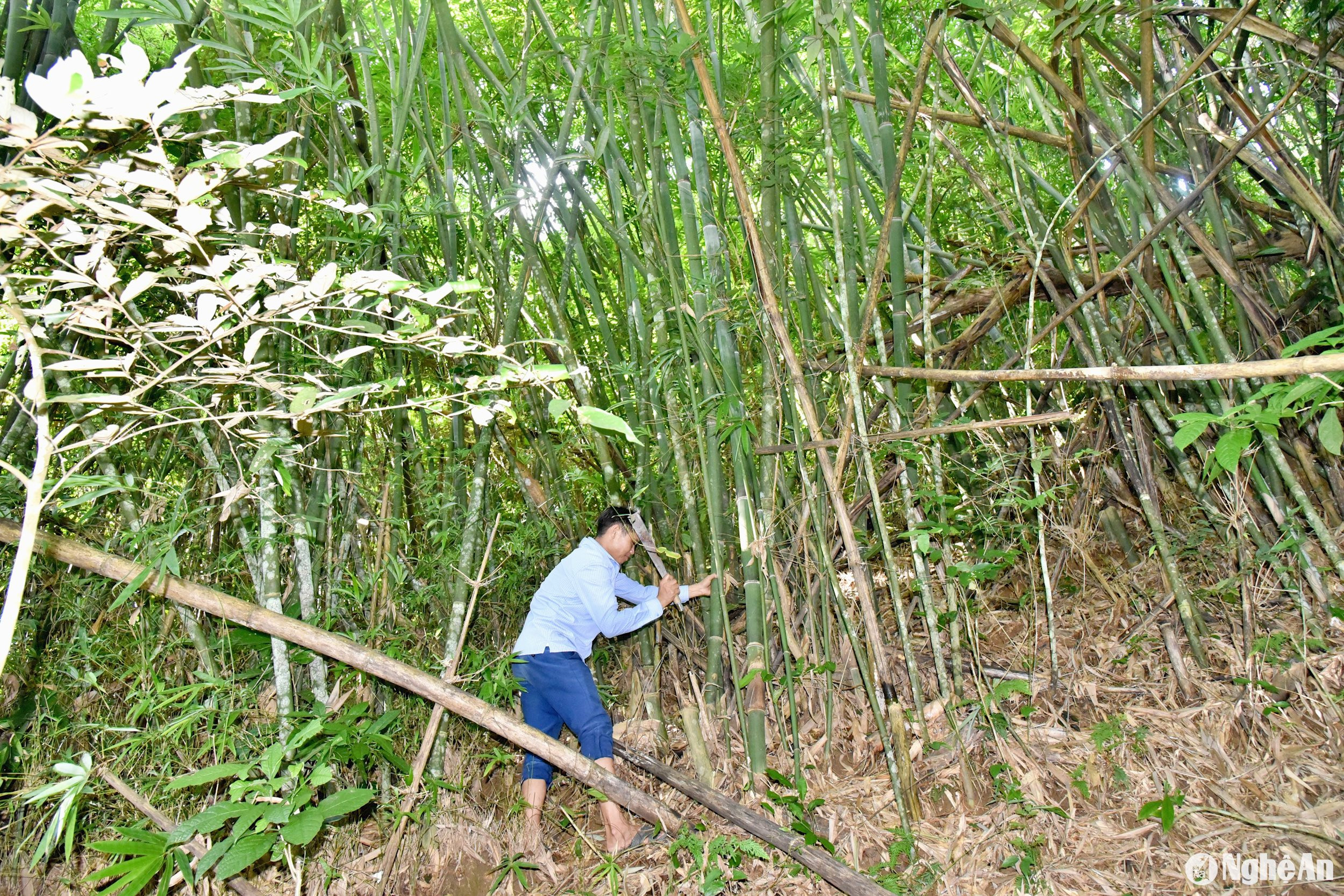
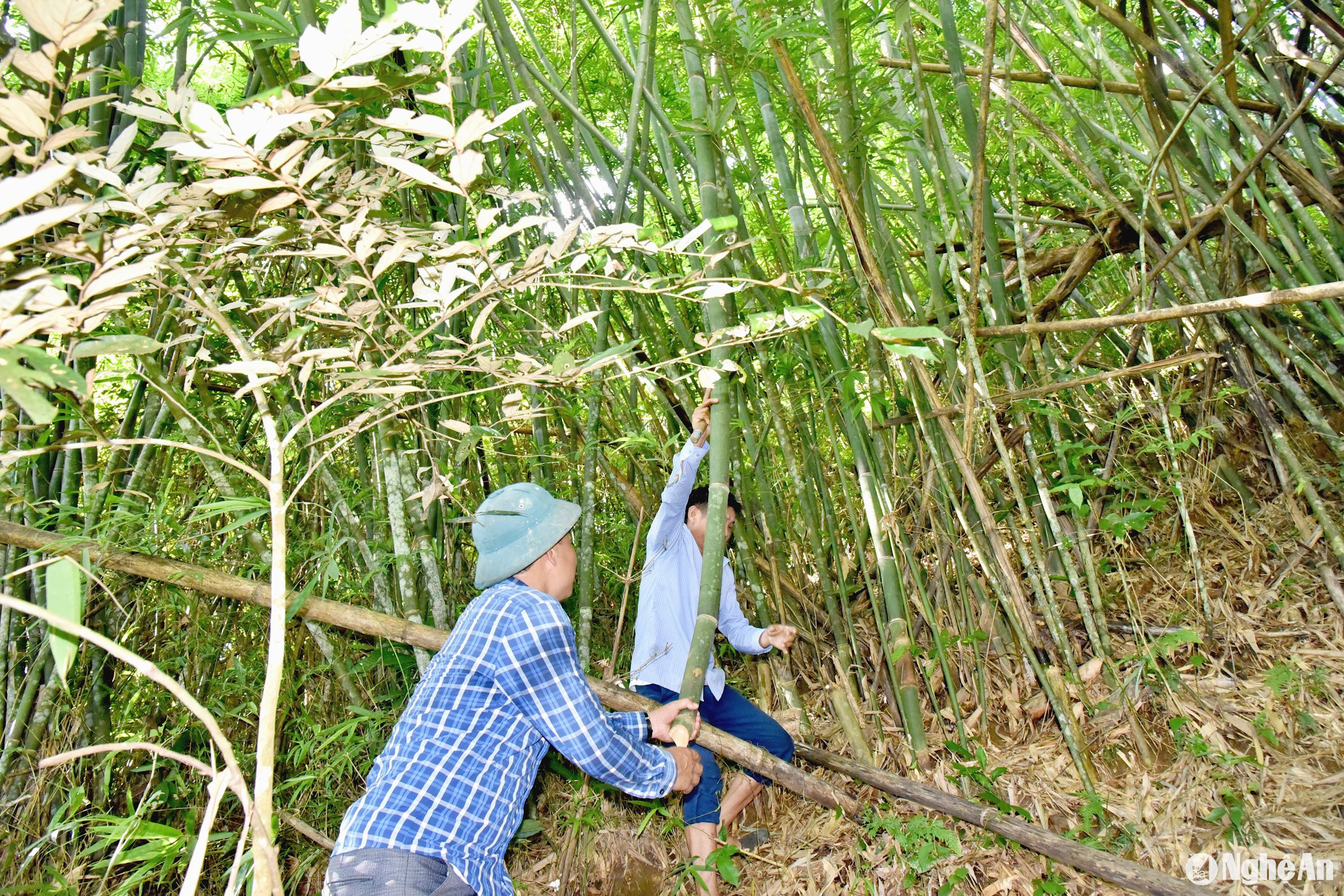
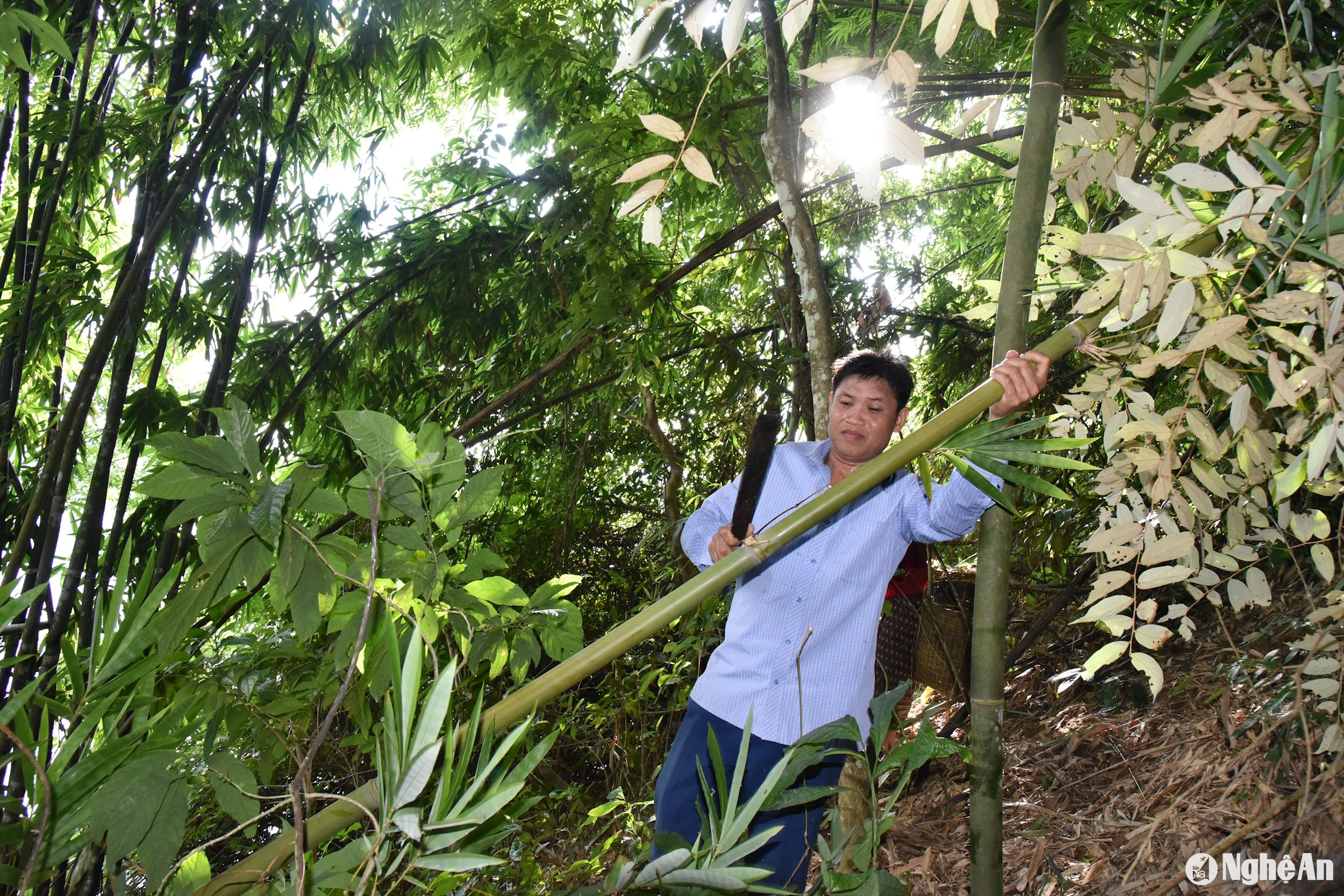
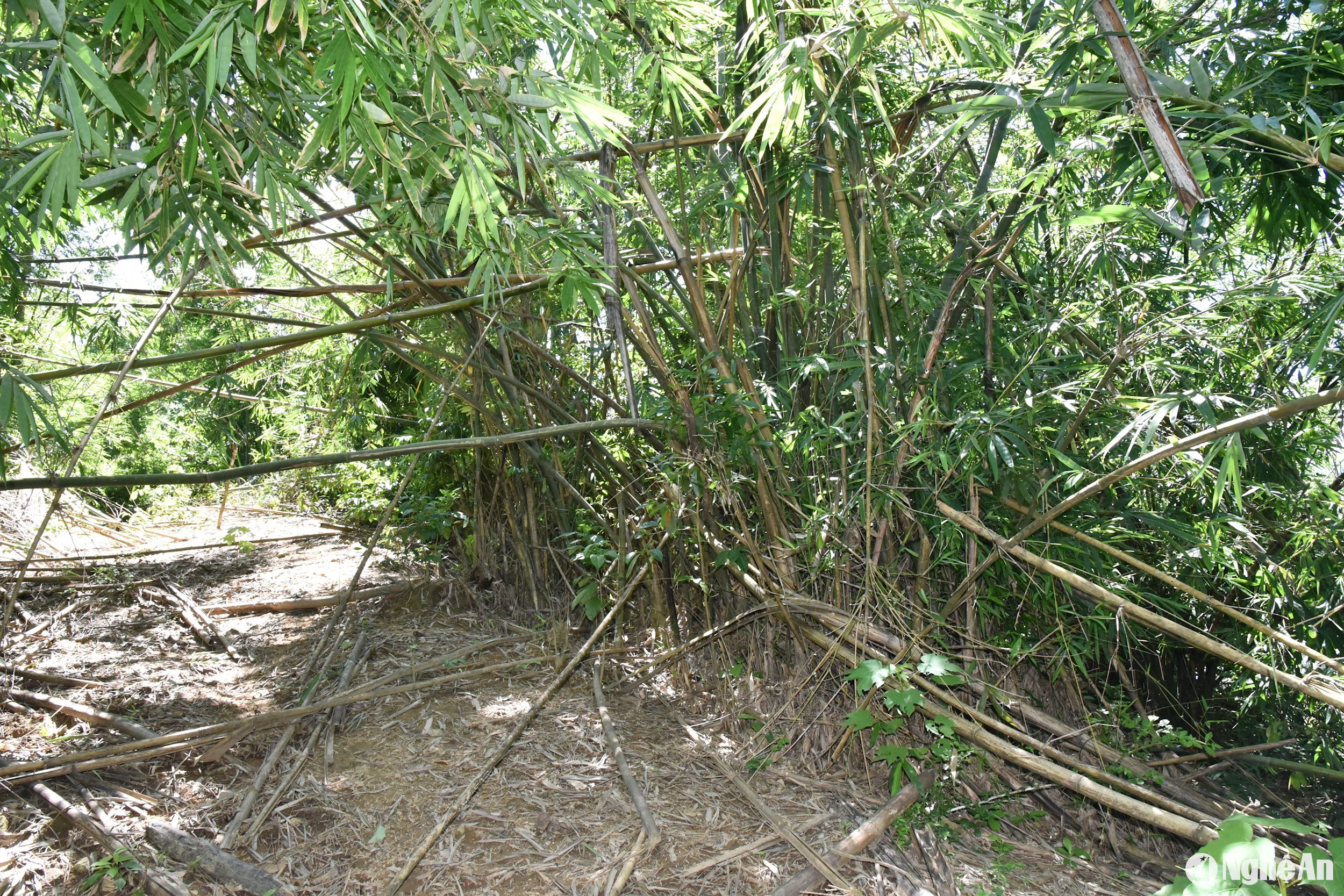
Dong Van commune has over 330 hectares of bamboo that have been certified by FSC and are ready for harvest, but are currently experiencing sluggish sales. Besides the difficulty in selling, many bamboo forests in Thong Thu and Dong Van communes are deteriorating, with trees breaking and falling due to weather conditions. Bamboo trees have a flowering cycle of about 6-10 years. Whenever the trees flower, the bamboo dies in large numbers, turning yellow and then dying. (In the photo: Cutting bamboo requires strong physical fitness and extensive forest experience. Photo: HT)
bna_lung-f3601f6cdb98bcb4a60452b79a161486(1).jpg
Ms. Luong Thi Tien, head of Muong Hinh village in Dong Van commune, said that for about two years now, bamboo in Dong Van commune has been unsaleable due to a lack of buyers. Therefore, not only has the main source of income for the villagers decreased, but many bamboo forests have begun to degrade, with flowering trees dying or breaking and falling. (Photo: HT)
bna_2870.jpg
"Bamboo is the main source of income for the people here. About three years ago, bamboo was bought at a price of about 12-13 thousand VND/kg. Several trucks came to collect about 3 tons of bamboo each day. On average, this brought in an income of about 30-40 million VND for households. However, for the past two years, bamboo hasn't sold, and people have stopped going into the forest to harvest it," said Mr. Luong Van Thuong, Deputy Secretary of the Party Committee of the commune. Photo: TP
bna_2881.jpg
Residents of Muong Hinh village, Dong Van commune, transport bamboo from the reservoir area of ​​the Hua Na hydroelectric power plant back to their homes. Photo: HT
Lán khai thác lùng ở Đồng văn bỏ hoang đã hơn 2 năm xập xệ đổ nát
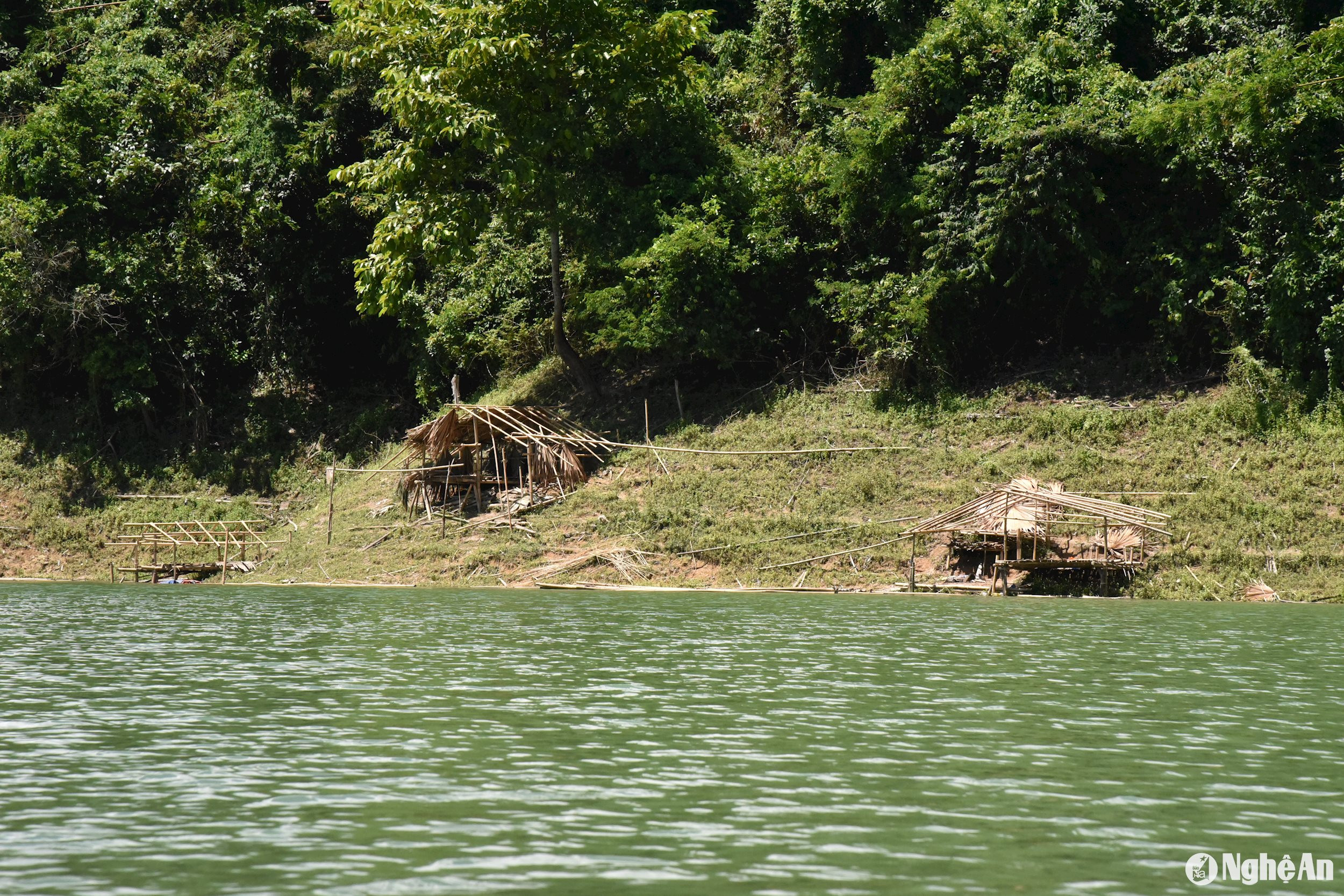
The bamboo harvesting shed in Dong Van commune, abandoned for over two years, has fallen into disrepair and is in ruins. (Photo: TP)
bna_2846.jpg
According to officials and many residents of Thong Thu and Dong Van communes, in 2024, an increasing number of bamboo forests are experiencing mass flowering and death, causing losses in raw materials and income for the people. The local authorities have reported to the District People's Committee, requesting solutions to support people in selling their bamboo raw materials. Previously, in Que Phong district, there was a company called Khanh Tam that bought bamboo and acacia from the people, but for more than two years, the company has been operating intermittently, hardly buying anything, and even owing large sums of money to many households for the purchase of acacia and bamboo raw materials. Many households are owed hundreds of millions of dong by this company. (Photo: HT)
People in Muong Hinh village, Dong Van commune, harvest bamboo. Clip: HT - TP
0 0 0
x
The bamboo from Nghe An is difficult to sell, breaks easily, and degenerates.
Google News
POWERED BYFREECMS- A PRODUCT OFNEKO