
Met tree - the 'green gold' of the people of Western Nghe An
Along the western districts of Nghe An province, vast green bamboo forests stretch across the foothills and along the banks of the Lam River, intimately connected to the lives of the local people. Not only is it a stable source of income, but bamboo also plays a crucial role in poverty reduction and creating sustainable livelihoods for the highlanders of Nghe An.
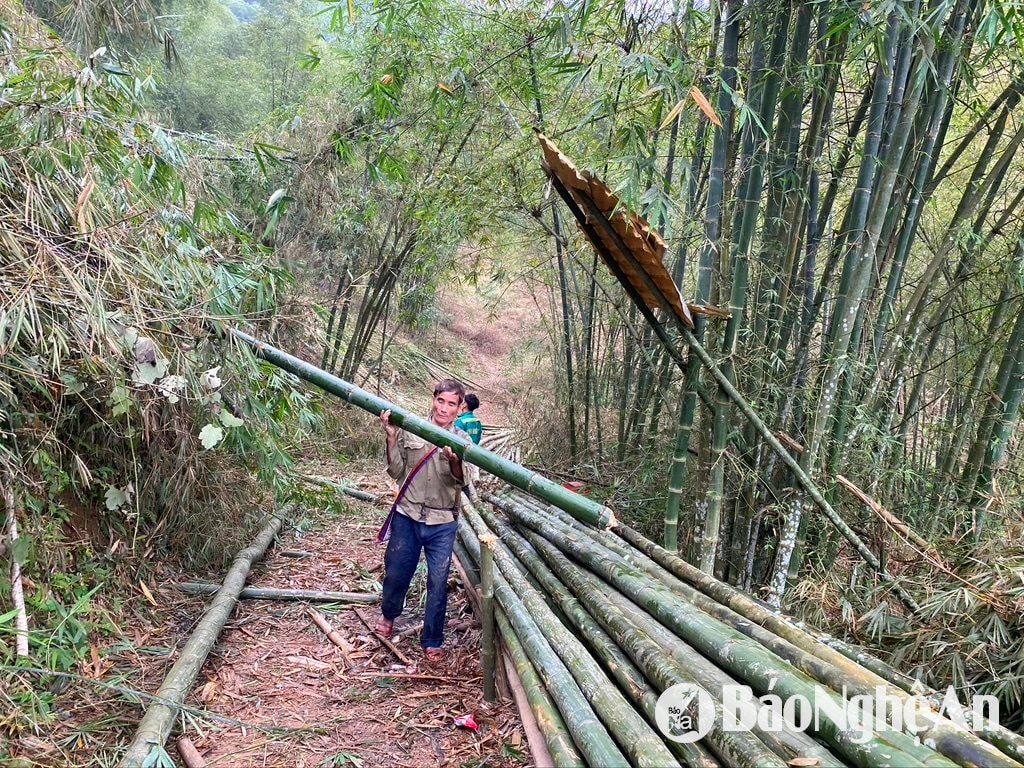
"A friend" and companion of the people.
The bamboo plant known as "mét" is actually a type of forest bamboo, commonly called "mét" by the people of Nghe An province. From the moment it sprouts, it offers many benefits to the local people. In the past, the local people used "mét" bamboo shoots as a food source to alleviate hunger during the lean season. Today, "mét" bamboo shoots are not only a traditional dish but are also processed into specialties, sold in the lowlands, contributing to increased income.
For people in mountainous regions, even with increasingly prosperous lives, bamboo shoots remain a familiar dish, closely associated with Thai cuisine. Bamboo shoots can be grilled over charcoal to make salads, pickled in salt to make sour bamboo shoots for preservation, and combined with many other dishes.
Beyond just food, when the bamboo matures, people also utilize it for building stilt houses, huts, fences, water wheels, water troughs, and plant it along riverbanks to prevent erosion. Household items such as baskets, sieves, and other containers are also made from bamboo, demonstrating the close connection this tree species has with the lives of the people.
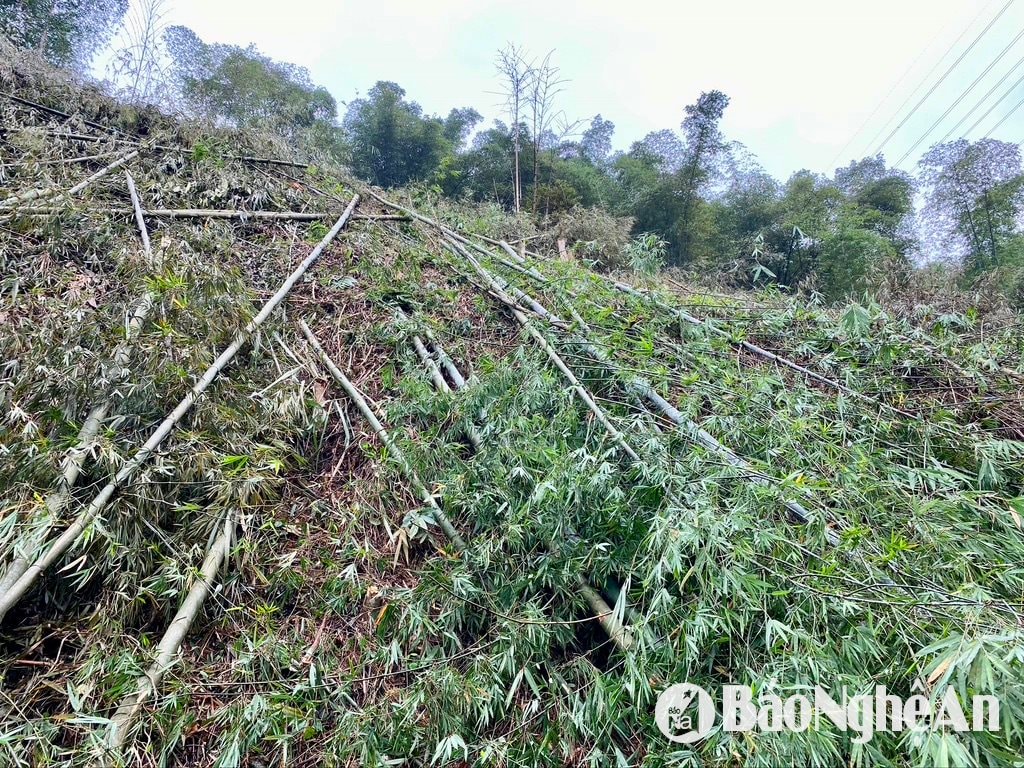
Life has changed thanks to the met tree.
In early April, we visited Lang Khe commune, Con Cuong district, where the lives of the people have changed significantly thanks to the cultivation of bamboo. At the foot of the low hills, along the streams and waterways, are lush green bamboo and bamboo forests stretching far and wide. Not far away, sturdy houses have sprung up, evidence of the prosperity of the people thanks to this crop.
Currently, people are in the midst of harvesting bamboo, with trucks loaded with bamboo being busily transported downstream. This year, bamboo prices are stable and quite high. Mr. Vi Van Tinh, a bamboo farmer in Lang Khe commune, said that each bamboo stalk costs between 25,000 and 35,000 VND, depending on size. With 1.5 hectares of bamboo cultivation, his family earns about 35-40 million VND per year, and after deducting expenses, they still make a profit of around 30 million VND.
"The 'met' tree is a perennial crop; once planted, it can be harvested for 40-50 years without much care. Traders are now buying it directly from the farmers, and the prices are good, so the people are very enthusiastic about expanding the planted area," Tinh shared.
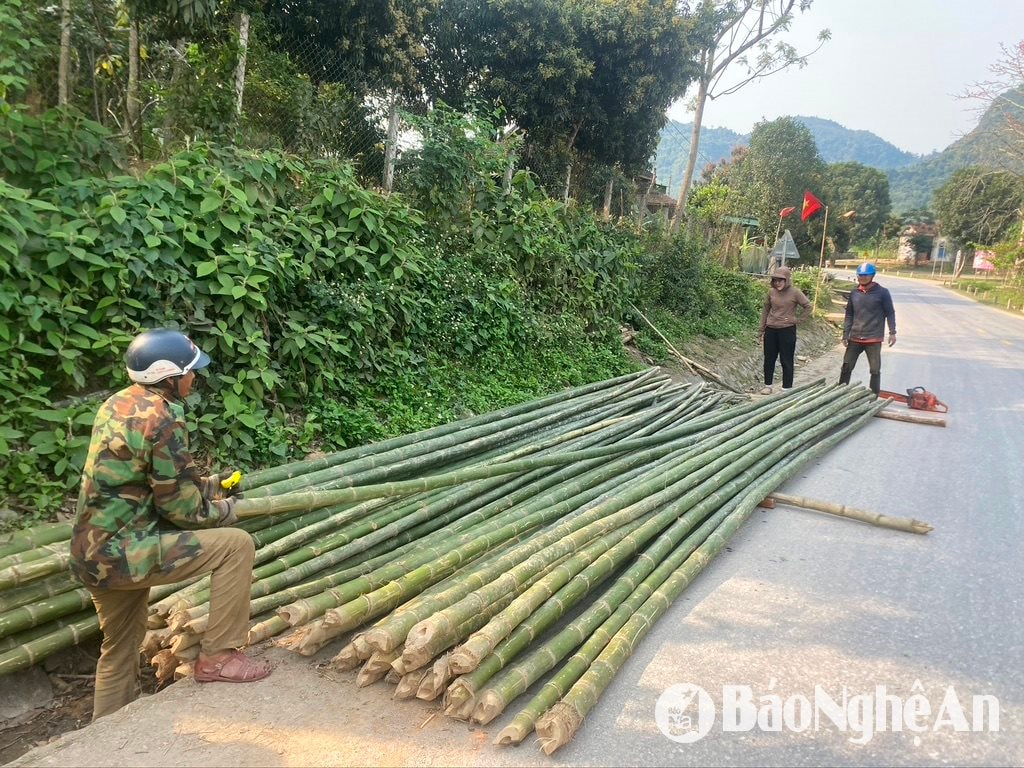
Previously, bamboo in Con Cuong district was mainly grown on a small scale to serve the weaving needs of the local people. Nowadays, with the policy of developing the forest economy, people have expanded the area of bamboo cultivation according to the planned raw material zone. According to data from the Department of Agriculture and Environment of Con Cuong district, the locality currently has more than 3,300 hectares of bamboo cultivation, concentrated mainly in the communes of Chau Khe, Bong Khe, Chi Khe, Binh Chuan, Lang Khe, Mon Son, Luc Da, Cam Lam... This brings in an annual revenue of 12-15 billion VND.
Not only in Con Cuong, but also in Tuong Duong district, people are actively promoting bamboo cultivation, helping them increase their income. Mr. Vi Van Vinh, a resident of Tam Lien village, Tam Quang commune, noted that bamboo cultivation requires little effort and low costs but yields high economic returns. His family alone has nearly 2 hectares of bamboo, with a density of 200 clumps per hectare, each clump containing dozens of plants, which can bring in 60 million VND per hectare per year.
According to Ms. Kha Thi Hien, Chairwoman of the Tam Quang Commune People's Committee, the commune currently has 800 hectares of bamboo planted along the Lam River and streams, with more than 600 households participating. Income from bamboo cultivation averages 50-60 million VND/hectare, significantly contributing to poverty reduction.
The entire Tuong Duong district currently has approximately 1,600 hectares of bamboo, concentrated mainly in the communes of Yen Thang, Nhon Mai, Thach Giam, Tam Dinh, Tam Thai, and Tam Quang. The District People's Committee has implemented a project to develop bamboo and rattan raw material areas for the period 2021-2025, with the goal of expanding the planting area to over 32,000 hectares. Of this, 21,200 hectares will be planted in a mixed manner, 9,260 hectares will be newly planted, and the existing area will be sustainably exploited.
Mr. Nguyen Huu Hien, Vice Chairman of the People's Committee of Tuong Duong District, emphasized: "The district is focusing on exploiting the potential of the bamboo plant to create sustainable livelihoods for the people. In particular, thanks to support from livelihood development programs, we have implemented the project "Scaling up sustainable livelihood models from bamboo development along the value chain". In this project, Tam Hop and Tam Quang communes received 1.6 billion VND in support, and Tam Dinh, Tam Thai, and Thach Giam communes received over 1.7 billion VND."
To ensure the effectiveness of the bamboo planting project, forestry officials and relevant units organized technical guidance on silvicultural practices for local people, helping to improve bamboo productivity and ensure sustainable development.
We purchase and process bamboo on-site.
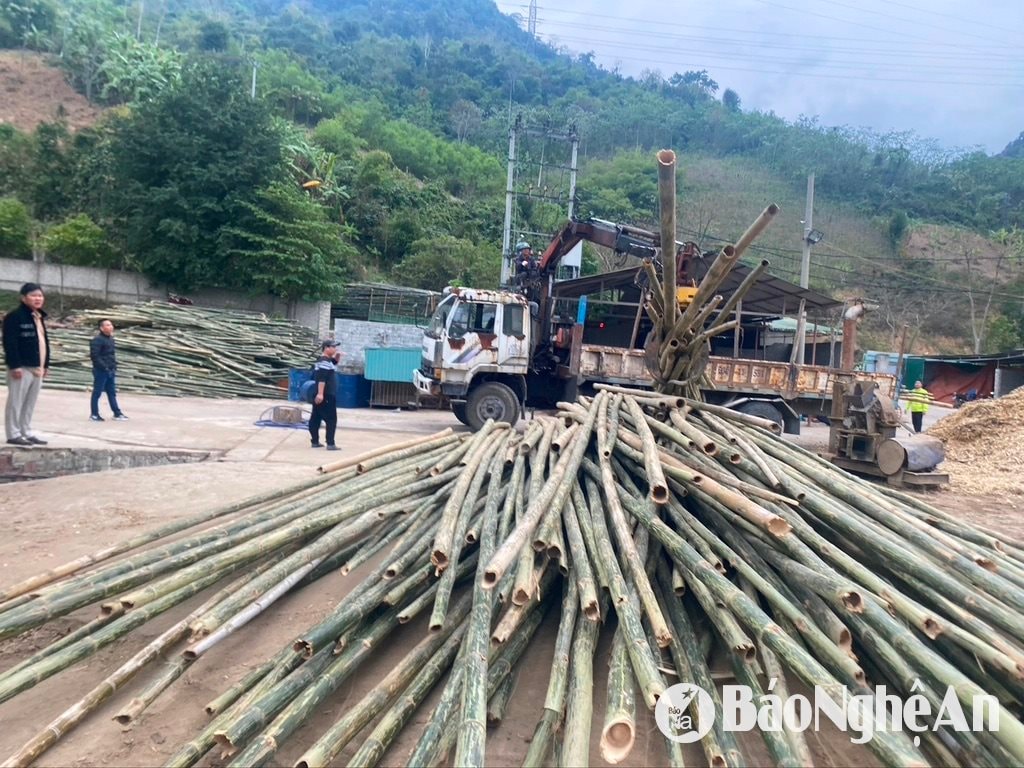
Currently, the market for bamboo in Tuong Duong district is quite stable. Besides traders from various places coming to purchase the bamboo, the locality also has processing facilities right on-site, helping farmers to produce with peace of mind without worrying about the market. One of the typical facilities is the bamboo processing factory of Mr. Cao Anh Khoa, in Cay Me village, Tam Thai commune, Tuong Duong district.
Mr. Cao Anh Khoa, originally from Dien Chau district, has long been connected to the Tuong Duong area and recognized the potential of the bamboo plant. Seeing the large market demand, he invested in a processing line to turn bamboo into quick-use chopsticks for the domestic market and for export to Asian countries.
Each year, his facility exports approximately 5,000 tons of chopsticks made from a meter. According to Mr. Khoa, this product is very popular, especially in Taiwan and some countries in the region. Recently, the domestic demand for meter chopsticks has also increased sharply, and at times his facility cannot produce enough to meet the demand.
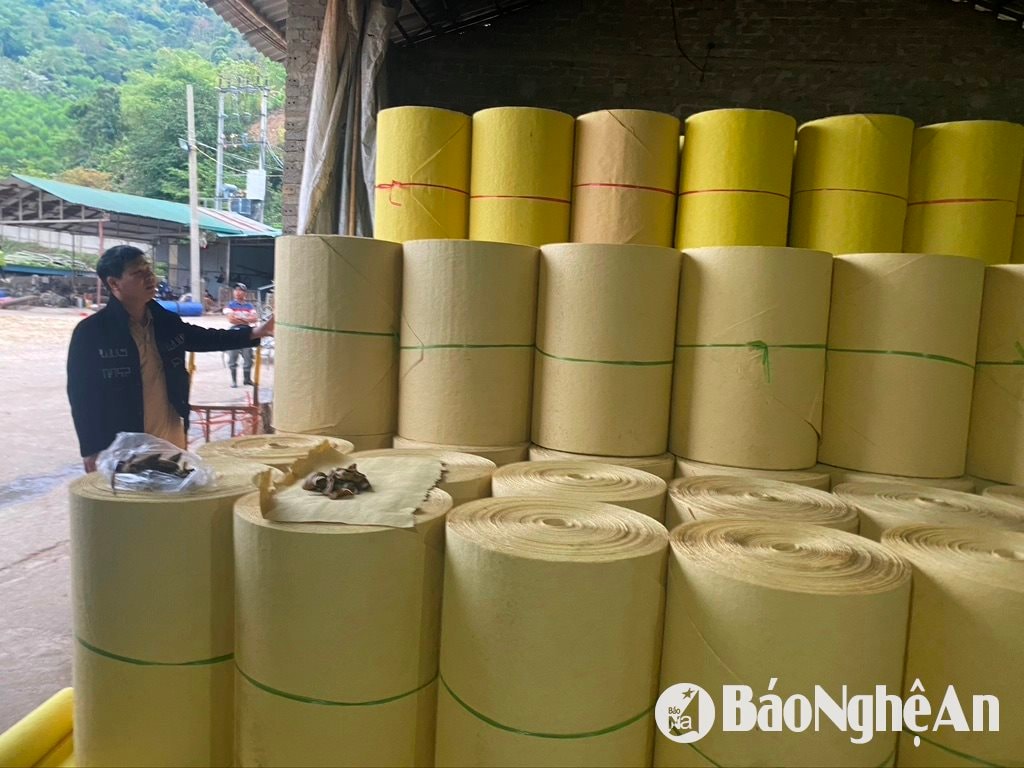
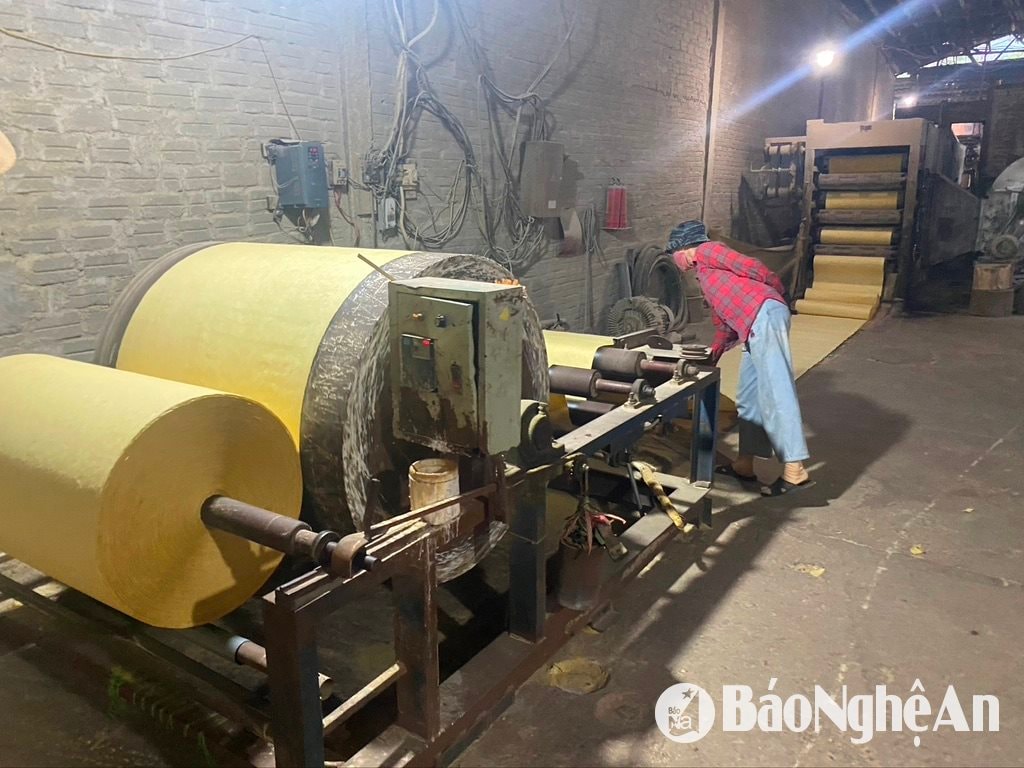
To maximize the value of the bamboo, Mr. Khoa not only produces chopsticks but also finds ways to process by-products to reduce waste. Previously, only 230-300 kg of bamboo from one ton could be used to make chopsticks, with the rest going to waste. Since 2021, his facility has invested in upgrading technology to utilize the surplus during processing, producing additional paper blanks and pulp – raw materials for paper mills both domestically and internationally. Currently, his facility supplies approximately 9,000-12,000 tons of paper raw materials annually, with the bamboo mainly sourced from Con Cuong and Tuong Duong districts, generating 7-8 billion VND in revenue each year.
Besides contributing to the consumption of a large quantity of bamboo for local people, this processing facility also creates stable jobs for dozens of workers in Tuong Duong and Con Cuong districts, helping to improve the lives of many households.
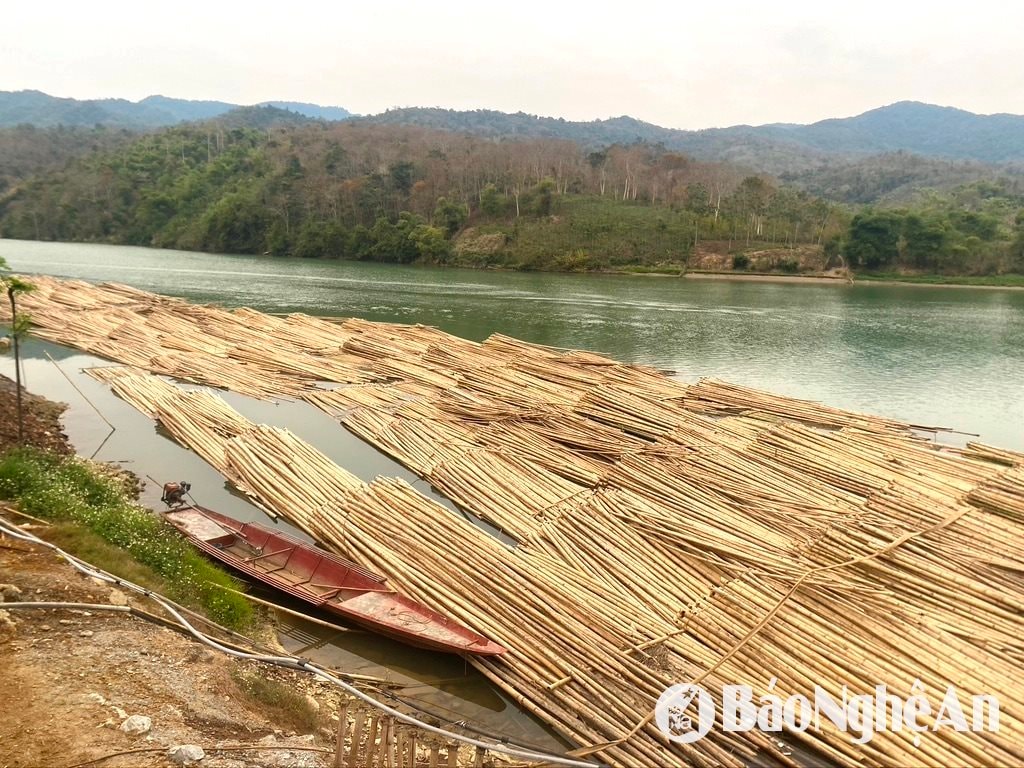
From small-scale cultivation, the bamboo plant has now become an important raw material source, helping thousands of households escape poverty and move towards a more prosperous life. With attention from the government and support programs and projects, the bamboo plant promises to continue to be a sustainable economic pillar for the people here.


