Bamboo - economic value and climate impact
Bamboo is a herbaceous plant with a rather unique stem structure, belonging to the Poaceae family. Bamboo is closely associated with the people and villages of Vietnam, not only in cultural and spiritual life but also widely used in daily life, production, and even in fighting against enemies. Bamboo has many important economic values and contributes to environmental protection.
According to scientific research, bamboo is the fastest-growing plant species in the world. Bamboo has the ability to regenerate itself; after harvesting mature plants, new shoots sprout and develop into the next generation without needing to be replanted. Typically, harvesting only 30% of the plants/clumps per year ensures that the bamboo growing area maintains its canopy density.
Bamboo grows everywhere, from arid mountainous areas to riverbanks and streams, and can even be cultivated in acidic or saline soils. According to statistics, there are over 1,000 different species worldwide, with bamboo covering up to 14 million hectares. Vietnam currently has 30 genera and 216 species of bamboo, including several economically valuable species such as Luong, Lung, Truc Sao, Lo O, Buong, Tam Vong, and Tre Gai, distributed in almost all provinces nationwide. A notable characteristic is that all species share the same traits: strong, spreading root systems and rapid growth.
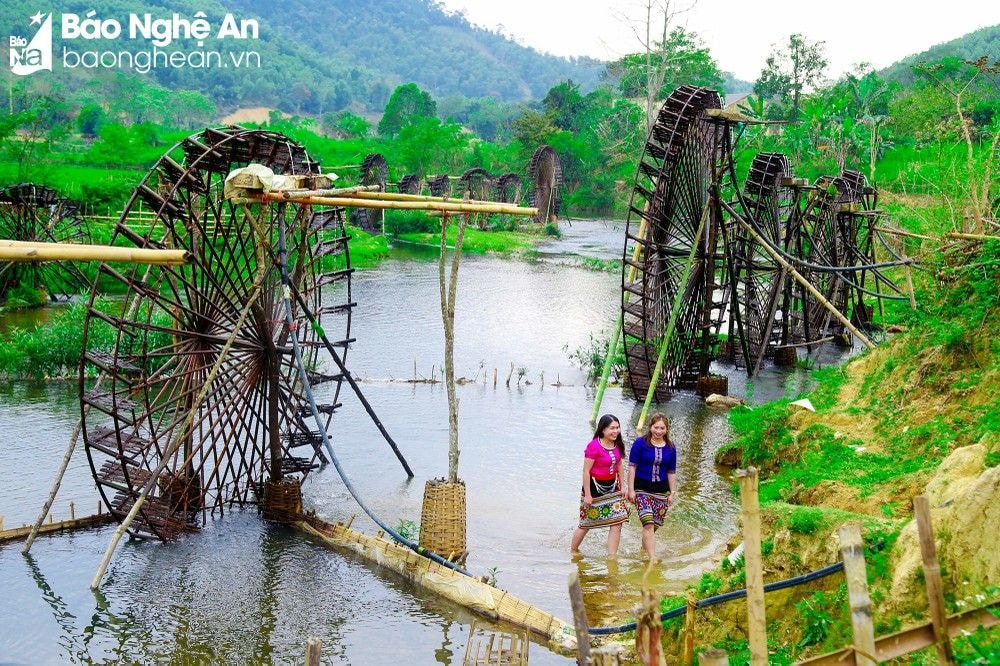
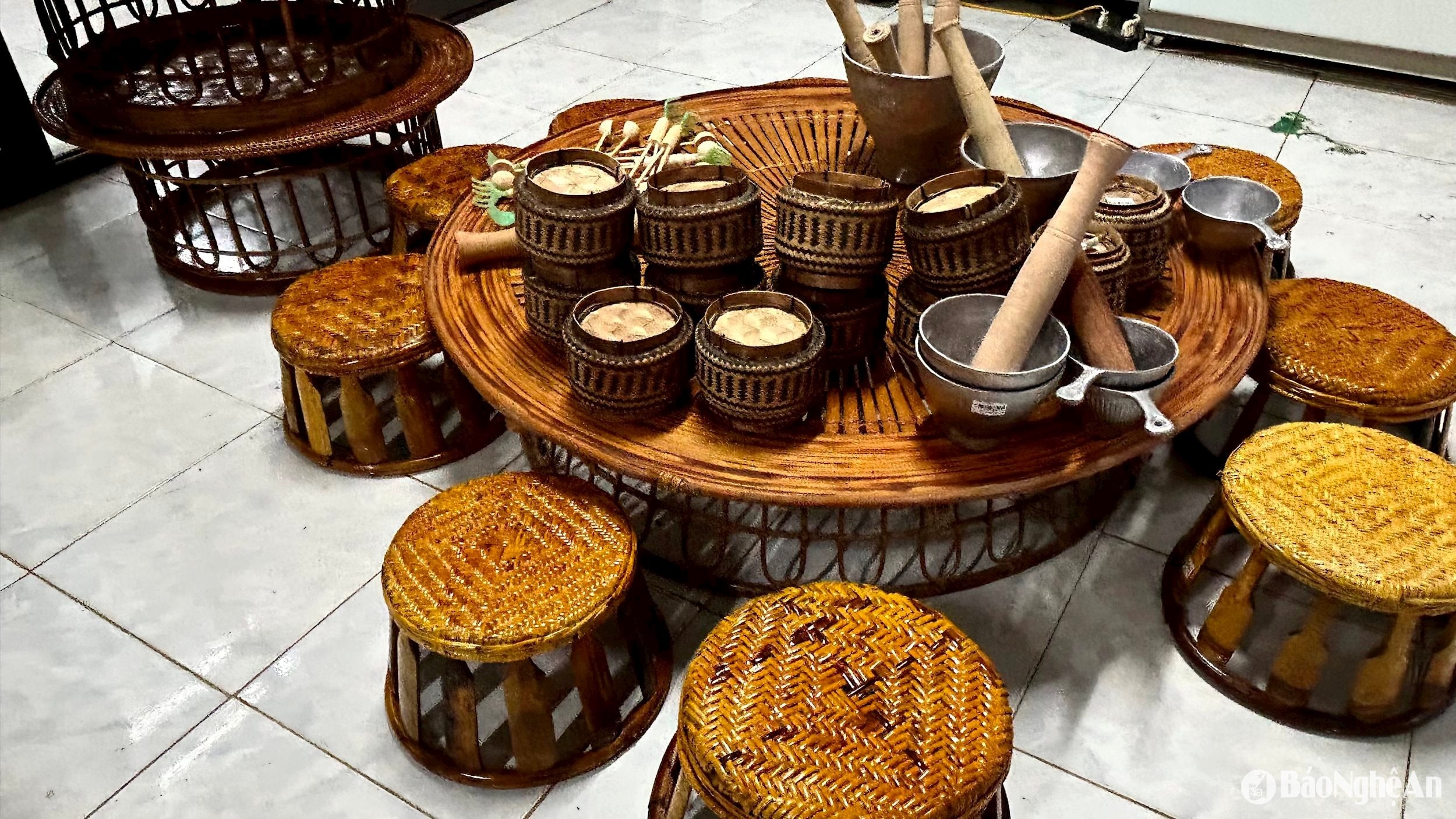
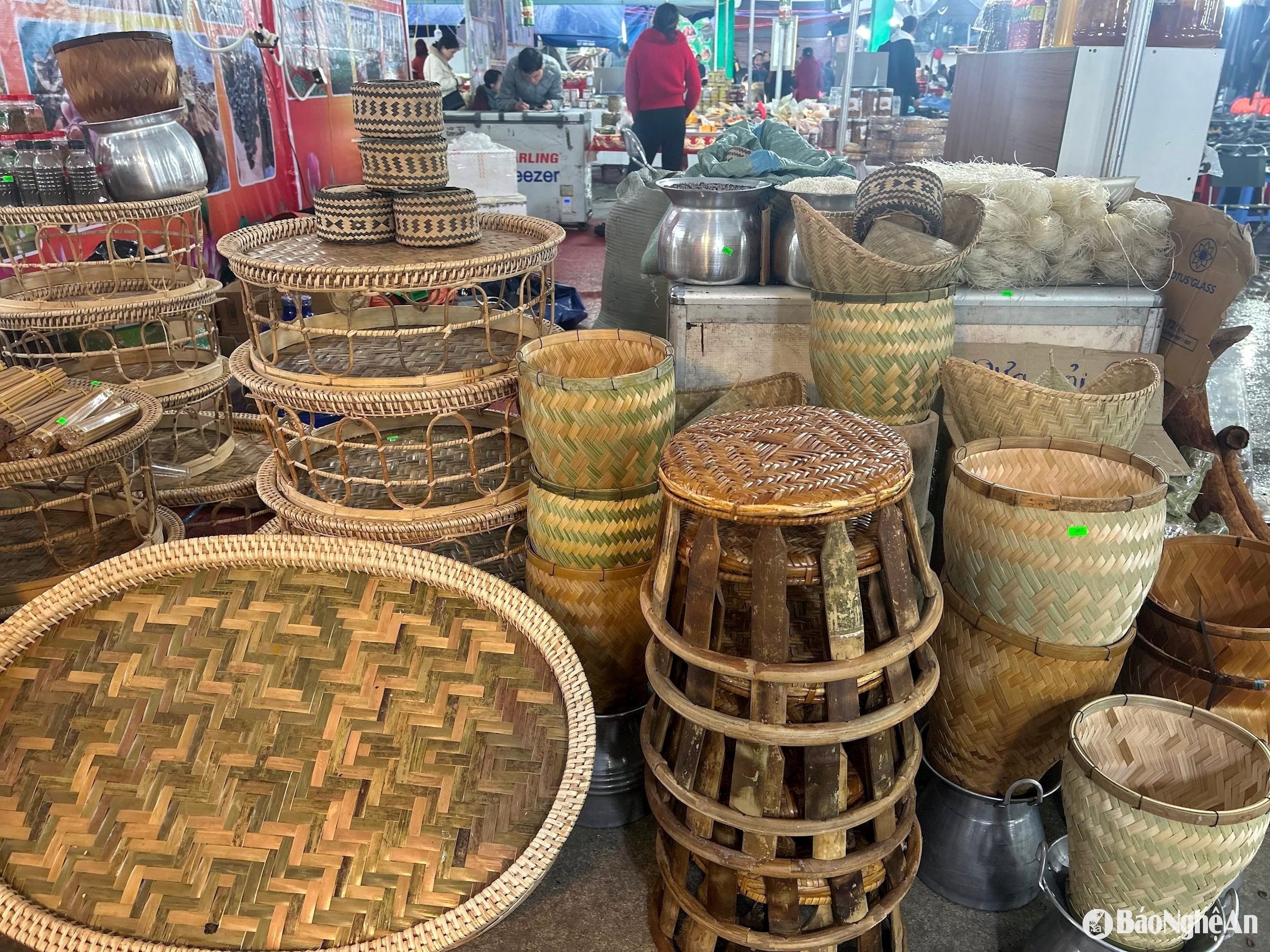
Bamboo is undeniably a versatile plant: it provides raw materials for food, medicine, fuel, and even construction materials. Since ancient times, Vietnamese people have used fresh and dried bamboo shoots to prepare many different dishes, a staple in daily meals for almost everyone, from the lowlands to the highlands. Bamboo stalks are also used to create unique dishes with distinct flavors, such as sticky rice cooked in bamboo tubes, pickled vegetables in bamboo tubes, fermented meat in bamboo tubes, fish cooked in bamboo tubes, and tea brewed in bamboo tubes. Beyond its use as food, bamboo is also a source of medicinal herbs and a primary raw material for handicrafts. For millennia, Vietnamese people have used bamboo to produce many household and industrial items such as beds, cots, cabinets, shelves, tables, chairs, baskets, and even smaller items like fans, chopsticks, and toothpicks.
Nowadays, as people increasingly gravitate towards eco-friendly and green materials, bamboo is truly gaining popularity. Many handcrafted products from traditional craft villages are being sold on the market, not only domestically but also exported internationally. According to statistics from the Ministry of Industry and Trade, in 2023 Vietnam exported bamboo products worth approximately US$733 million, with the main export markets including the EU, Japan, the United States, and China. Bamboo is a raw material for over 600 rattan and bamboo weaving villages, playing a crucial role in the livelihoods of farmers and contributing to poverty reduction. Bamboo is widely used not only as a raw material for handicrafts but also as a raw material for high-quality fabrics and paper.
Bamboo is also a green material for the construction industry. Furthermore, scientists have proven that bamboo building materials possess mechanical strength far exceeding expectations. Some bamboo species have compressive strength equivalent to concrete, and their strength-to-weight ratio is even higher than steel. With new technology, bamboo has been treated to resist termites (using carbonization technology), mold, and mildew, enhancing its durability and strength. Moreover, with block pressing technology, bamboo building materials can replace wood with many advantages and are more environmentally friendly and safer for human health.
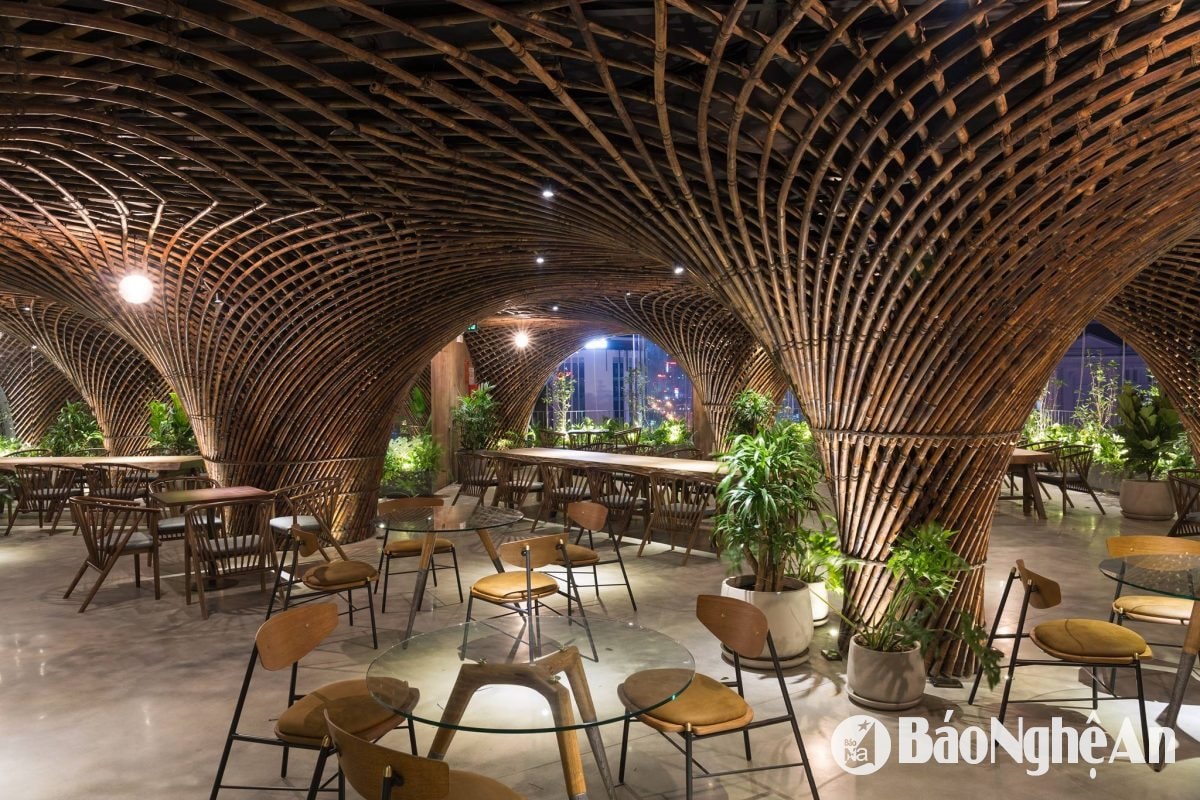
With the current area of native bamboo (1.6 million hectares, equivalent to 6.5 billion trees), the processing industry, bamboo pressing, and handicrafts not only serve the domestic market but Vietnam can also export billions of dollars worth of bamboo annually.
Bamboo also plays a role in preventing soil erosion, landslides, and climate change. Bamboo has a root system that develops horizontally, spreading 5-15 meters from the base of the plant, creating a dense and interwoven root network. At the same time, it can build bridges across cracks in the ground.
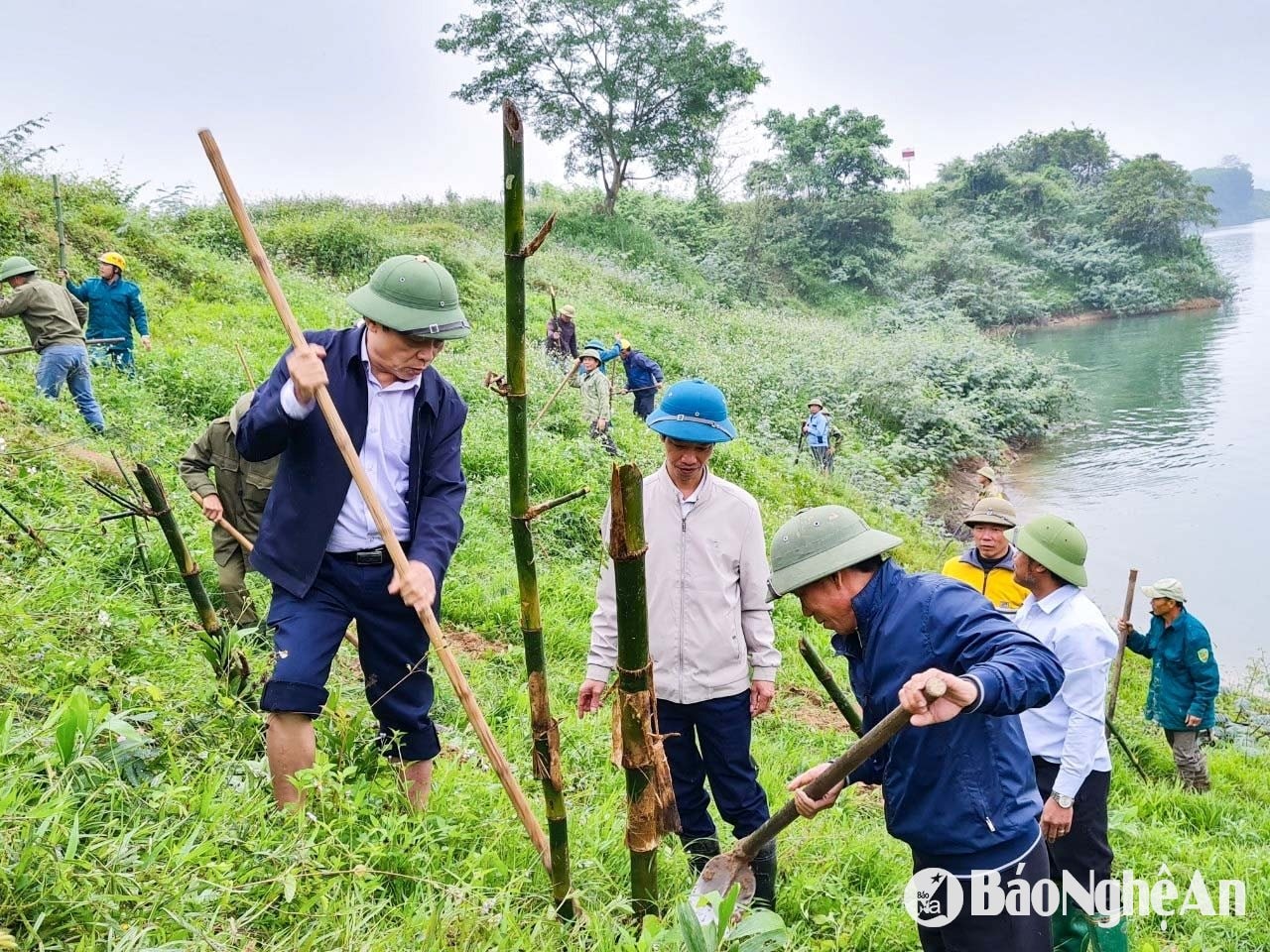
A bamboo pole can cling tightly up to 6 meters high.3The soil is protected. Furthermore, although most roots grow horizontally, some roots penetrate deep into the soil, anchoring it firmly on hillsides and riverbanks, preventing landslides. Bamboo helps maintain the topsoil, limiting erosion caused by heavy rains and surface runoff. Bamboo groves act like a wall at the foot of mountains and along rivers, blocking wind and waves, preserving soil, and protecting people's lives and property.
One of the great values of bamboo is its ability to combat climate change. Bamboo has the ability to absorb CO2.2Bamboo absorbs 2-3 times more carbon and releases over 35% more oxygen than woody plants of the same age. Bamboo matures after 3 years, during which time it absorbs up to 90% of the carbon it can absorb, reaching its highest carbon absorption rate in the 6th year. Because of its ability to be harvested early, with a 30% harvesting rate and the ability to regenerate to compensate for the harvested plants, bamboo is always at its peak CO2 absorption.2large. This is a superior feature compared to other trees in its role of contributing to CO2 reduction.2Therefore, the United Nations Climate Change Conference in Egypt in 2022 (COP27) affirmed: "Bamboo is an important solution to combat climate change."
Regarding the economic efficiency of bamboo cultivation, according to Dr. Nguyen Trong Nghia - founder of BWG and StaBoo (which have two bamboo processing factories in Hoa Binh and Thanh Hoa), the cost of planting bamboo is low, and the varieties are easy to cultivate (except for the species *Lung*). After 3-5 years, bamboo begins to yield a harvest (depending on the species and region), and annual income per hectare can reach from 10 million VND/ha to over 50 million VND/ha (intensive, ecological cultivation).
Nghe An province has approximately 106,698 hectares of bamboo and reed forests (with a reserve of about 1 billion bamboo and reed plants), ranking among the top provinces nationwide along with Thanh Hoa, Hoa Binh, etc., and possesses many valuable species such as bamboo, reed, and other similar plants.
Besides harvesting bamboo shoots, bamboo and rattan cultivation annually brings hundreds of billions of dong to the people of the Mekong Delta. For example, Con Cuong district has over 3,000 hectares of bamboo, yielding approximately 1.5 million plants each year, generating tens of billions of dong in revenue. Recently, with the support and attention of relevant agencies and authorities, people have paid more attention to bamboo in reforestation, protection, and sustainable forest management.
Que Phong's bamboo forests have been FSC certified and are protected and sustainably exploited. In many places in the Mekong Delta, people have planted bamboo in the hilly areas of Con Cuong, Tuong Duong, and Quy Chau districts, as well as along rivers (Anh Son district), which not only brings economic benefits but also helps prevent landslides.
However, apart from bamboo, which is a raw material for the handicraft industry and therefore commands a relatively high and stable price, other timber species remain low and unstable due to the lack of processing plants using new technology. Furthermore, harvesting in recent years has lacked planning and proper procedures (for natural forests) and proper care (for planted forests), leading to a decline in both yield and quality.
To leverage the superior characteristics of bamboo in developing forest-based economic activities and combating climate change, we propose the following suggestions:
Nghe An needs to identify bamboo as a key forestry crop for development and incorporate it into its forest-based economic development strategy, especially in the mountainous districts. Simultaneously, it should review the area of natural bamboo forests to develop plans for conservation, planned exploitation, and forest restoration. It should also orient the development of new planting areas for businesses and individuals to participate in intensive and ecological bamboo cultivation, prioritizing ecological methods. Furthermore, it should select and introduce high-quality bamboo varieties with large biomass, high productivity, ease of harvesting and transportation, and suitability for different microclimates and soil types (foothills, hillsides, riverbanks, etc.).
Simultaneously, select native large timber species and understory trees to guide intercropping with bamboo in ecological bamboo cultivation methods. Allocate funds from disaster prevention and control budgets to districts to implement the planting of thorny bamboo in areas at risk of landslides in hilly and mountainous regions as well as along rivers. Assess carbon credits for various types of bamboo forests to include them in the carbon credit market, thereby increasing income for local people. Encourage the development of a high-tech and clean bamboo processing industry, focusing on areas suitable for native Vietnamese bamboo. Support the formation of a bamboo value chain throughout the province.
Nghe An should include bamboo as a multi-purpose native tree and grant it the same benefits as those eligible for large-scale timber forest planting and native tree reforestation programs in the Resolution. Resolution No. 18/2021/NQ-HĐND dated December 9, 2021, on promulgating regulations on a number of policies to support agricultural and rural development in Nghe An province for the period 2022 – 2025.
We propose that the Ministry of Agriculture and Rural Development add bamboo to the list of officially recognized forestry tree species stipulated in Circular No. 22/2021/TT-BNNPTNT dated December 29, 2021, issued by the Minister of Agriculture and Rural Development, in order to encourage businesses and individuals to plant bamboo.