
Google DeepMind CEO: Memory chip shortage is holding back the explosion of artificial intelligence.
The demand for high-bandwidth chips (HBMs) is exceeding supply, causing difficulties for AI models like Gemini and forcing Google to invest billions of dollars in infrastructure by 2026.
Demis Hassabis, CEO of Google DeepMind, has warned that physical infrastructure limitations are becoming the biggest obstacle to the widespread adoption of artificial intelligence (AI) models. Even leading corporations like Google are facing challenges as the demand for operating Gemini and large language models exceeds the capacity of their current systems.

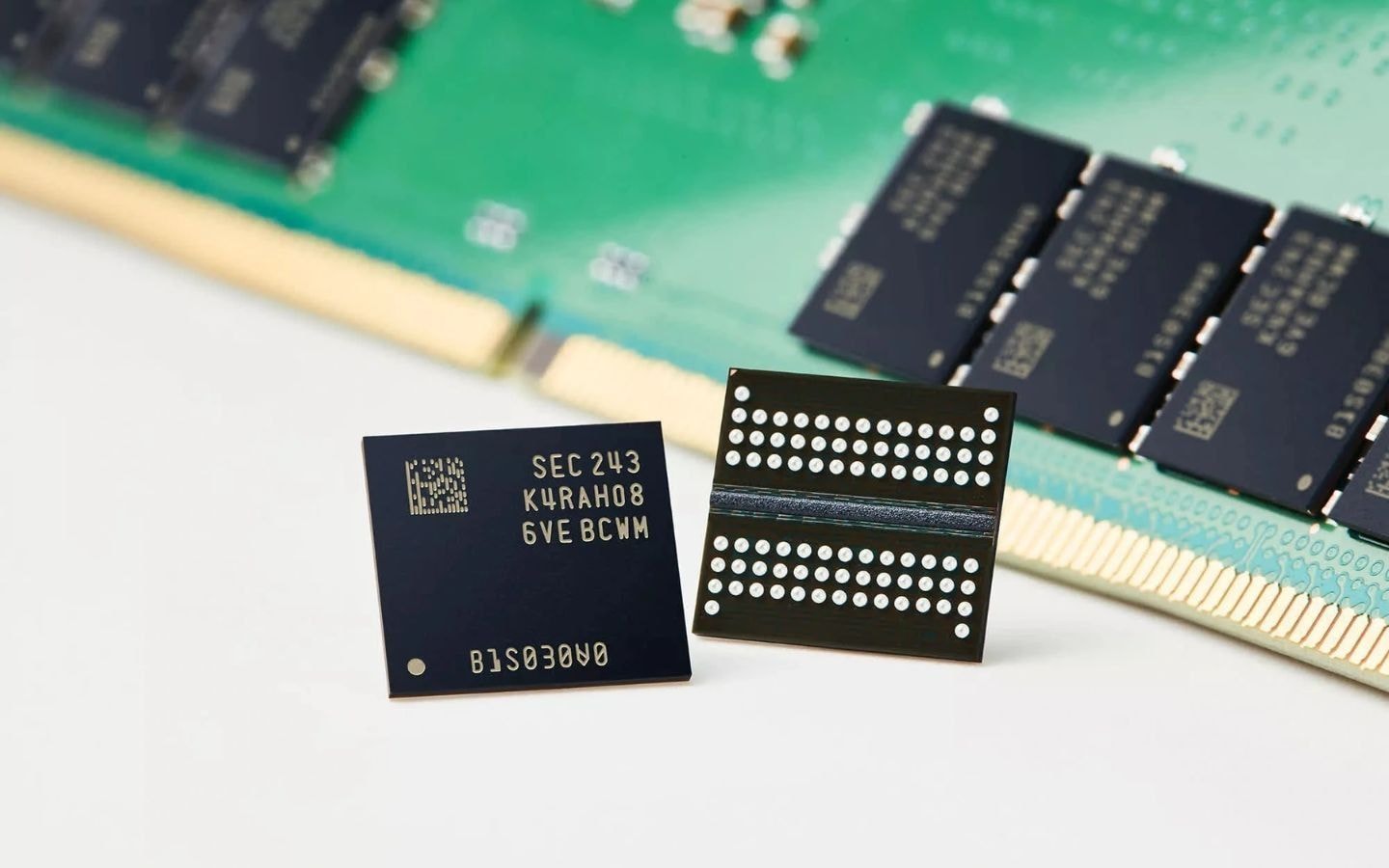
The demand for memory chips far exceeds actual production capacity.
According to Google DeepMind leaders, testing new AI ideas on a large scale requires a massive amount of memory chips to evaluate their effectiveness. The entire chip supply chain is facing heavy pressure as AI companies prioritize high-bandwidth RAM (HBM) – a component that is far more expensive and complex than the standard memory chips found in personal computers.
This supply-demand imbalance not only slows down AI research but also drives up the prices of consumer electronics. Currently, the global memory chip market is dominated by three leading manufacturers:
| Manufacturer | Role in the AI supply chain |
|---|---|
| Samsung | Leading manufacturer of memory chips and HBM solutions. |
| SK Hynix | Supplying key high-bandwidth memory chips for large-scale models. |
| Micron | Global strategic component supplier partner |
The challenge to hardware self-sufficiency for tech giants.
Although Google has the advantage of developing its own Tensor Processing Units (TPUs) for internal use and cloud services, the company has not yet achieved complete self-sufficiency. Essential components for a complete AI system still depend on a few key partners in the market. Mark Zuckerberg, CEO of Meta, has also emphasized that AI researchers today need access to massive amounts of chips and a reduction in administrative barriers to maintain development speed.
Commitment to invest hundreds of billions of dollars in AI infrastructure.
Despite facing supply chain hurdles, Google insists it will not slow down in the technology race. According to its Q4 2025 financial report, the company plans to invest approximately $175-185 billion in AI infrastructure and chips in 2026. This is a record amount to ensure Google does not fall behind in terms of hardware processing capabilities.
The statement by the CEO of Google DeepMind reaffirms a new reality: In the AI era, victory doesn't just belong to the entity with the superior algorithm, but also depends on the ability to own and operate the largest hardware resources.


