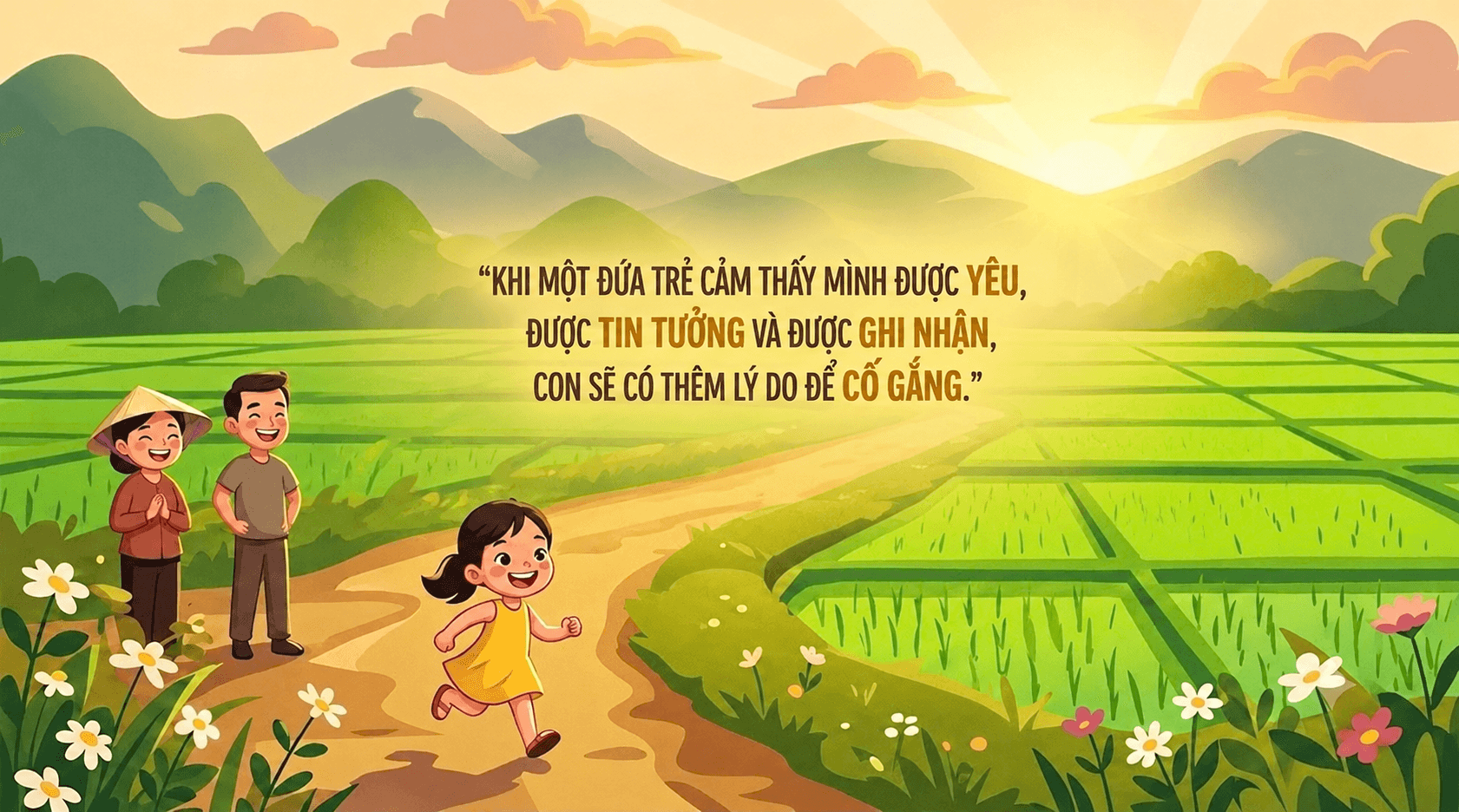
Parents and children: From distance to companionship
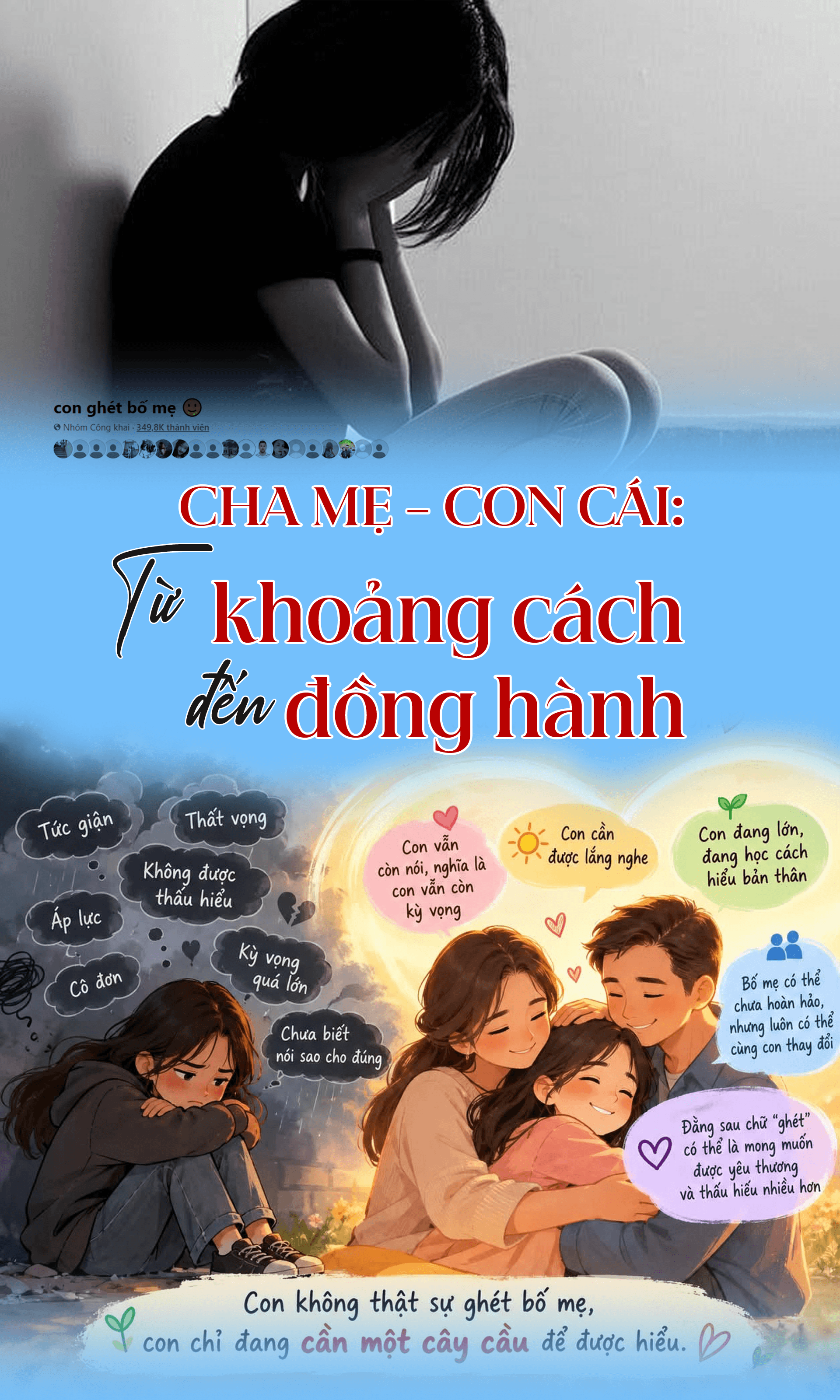
In just five days, the Facebook group "I Hate My Parents" grew from nearly 50,000 members to over 336,400, attracting the attention of both young people and parents. According to psychology experts, the group's popularity partly reflects the need for young people to be heard and share their feelings behind family conflicts...
Thanh Quynh/Present: Hong Toai •3/10/2026
*****
In just five days, the Facebook group "I Hate My Parents" grew from nearly 50,000 members to over 349,800, attracting the attention of both young people and parents. According to psychologists, the group's popularity partly reflects young people's need to be heard and share their feelings about family conflicts. However, along with the rapid increase in membership, the diverse backgrounds and motives of those participating have made the group's dynamics more complex and potentially unsafe for young people, especially when negative emotions are amplified or manipulated in a negative direction.

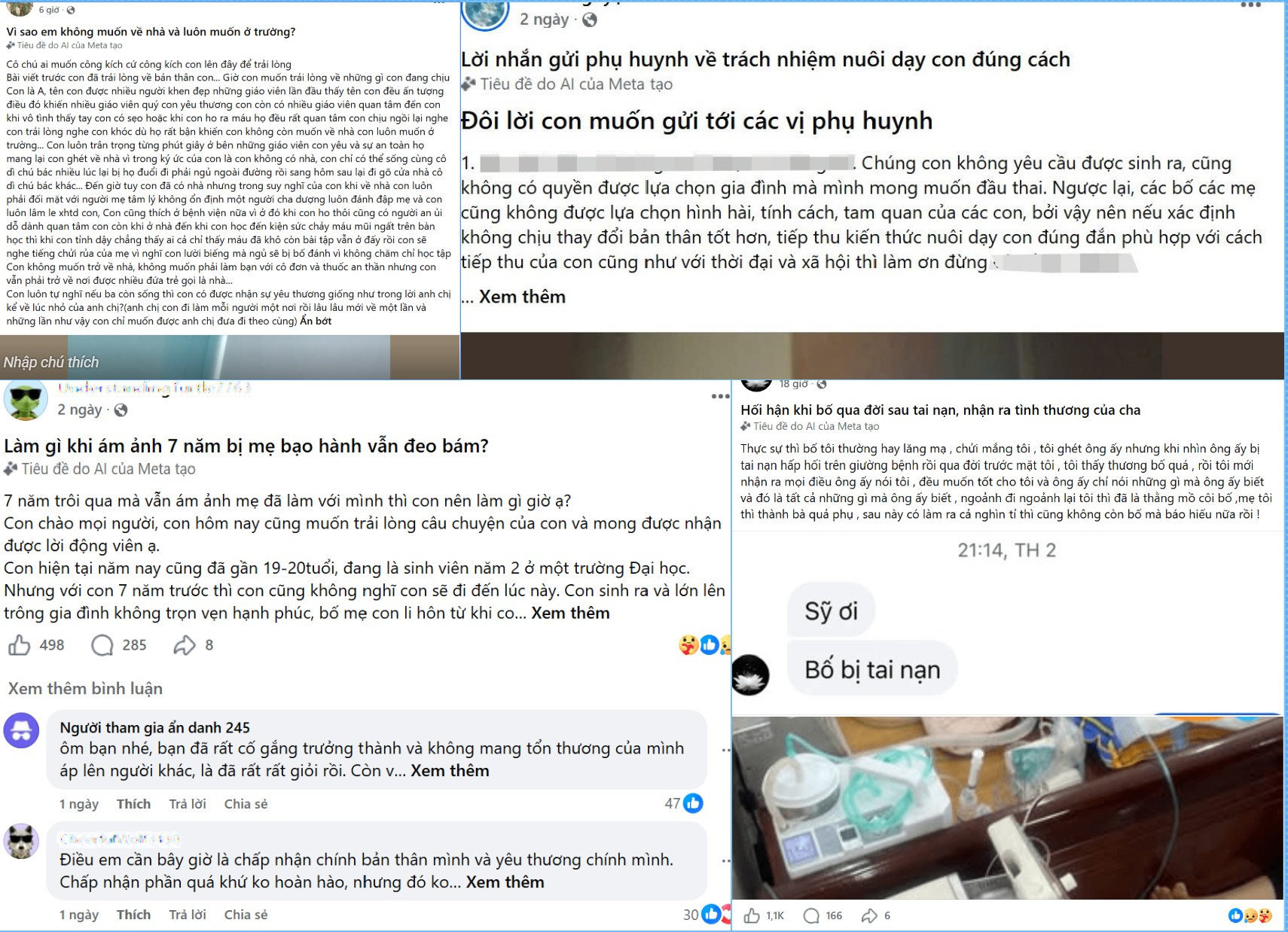
Having been a member of the "Kids Hate Their Parents" group for over two years, Nguyen Tien D. (born in 2009, residing in Block 6, Hung Binh Ward, Thanh Vinh Commune) doesn't understand why the group has recently attracted so much social attention.
I interacted less, mostly silently reading the shared stories, and realized that behind the word "hate," sometimes it's not necessarily negative feelings towards parents, but rather things that are difficult to put into words, frustrations that have been kept inside for too long.
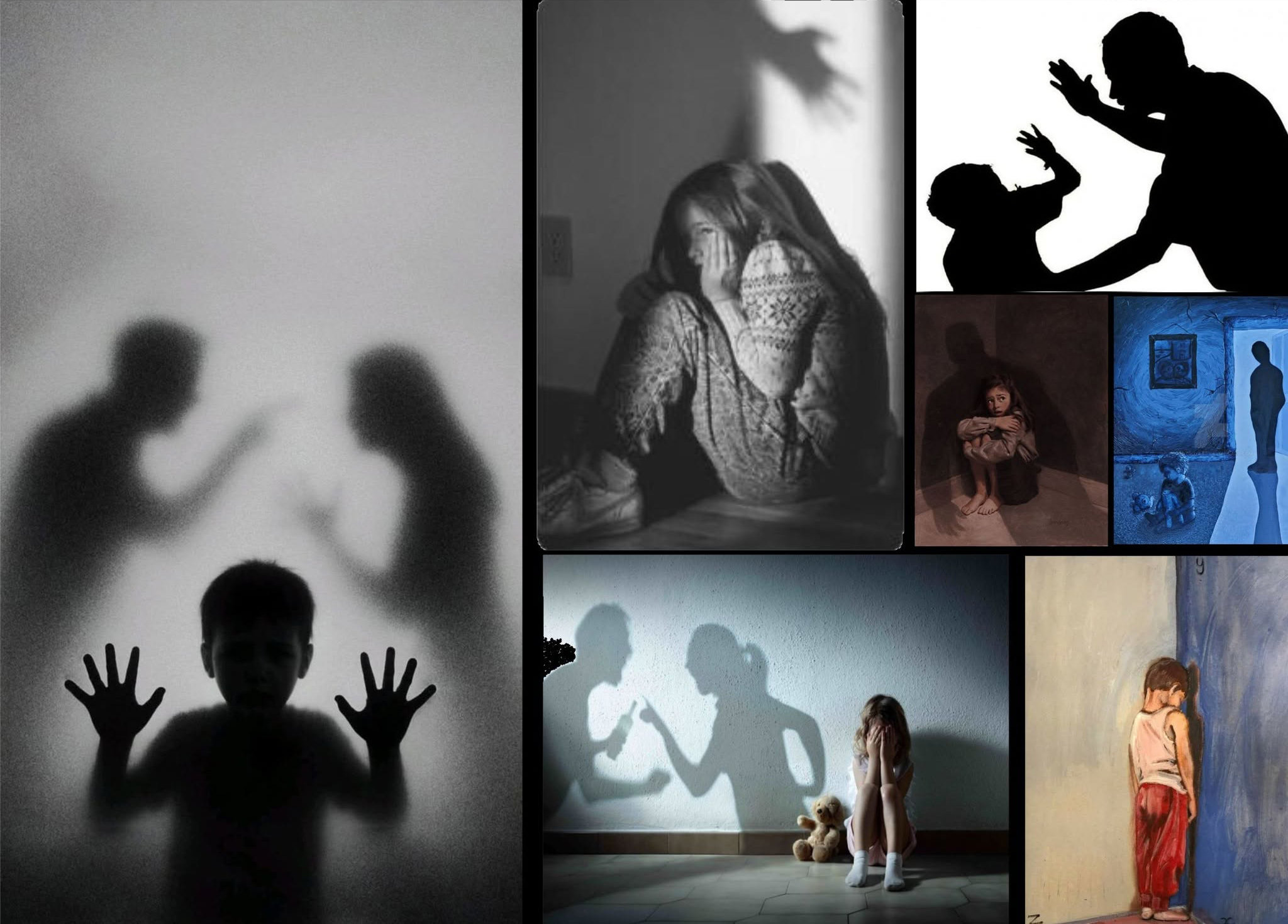
Sharing her own story, D. recounted how sad she used to be to witness her father frequently going out drinking and returning home drunk, leaving her mother to shoulder all the heavy responsibilities of the household alone.
But when she calmed down, she thought, perhaps her father was also carrying the pressures of making a living without knowing who to confide in. For him, alcohol might be a way to temporarily forget those stresses. Thinking this way, D. shared her story on the group and received support from many people in similar situations.
However, within the group, there are still many posts that show an overly inflated ego; many students often blame their parents without self-reflection. Many stories are told from a one-sided perspective, mainly focusing on what their parents did wrong, rarely considering their own behavior and responsibilities.
Some of the language used was quite harsh and disrespectful towards the parents. If you only look at the story from one side, initial resentment can easily escalate into anger.”
Nguyen Tien D. shared
What worries me more is that the debates in the group recently are no longer just between young people. As parents become more involved, stories that were once told from the children's perspective are now also being narrated by adults.
There are debates that, starting from one person's story, gradually escalate into heated dialogues between two generations.
On another level, in his role as a father and teacher, Associate Professor Bui Van Hung - Head of the Department of Educational Psychology, Vinh University of Education - has been paying particular attention to the growing popularity of the "Children Hate Their Parents" group on social media in recent days.
From an educational psychology perspective, Associate Professor Bui Van Hung argues that one shouldn't just look at the numbers and assume that hundreds of thousands of participants share the same attitude of hating their parents. In an online community, some people are genuinely experiencing conflict with their families, some seek solace and empathy, while others are simply curious and want to understand what's going on.
Behind the word "hate," we can see many existing problems in the relationship between parents and children. Observing the discussions in the group, one viewpoint that was strongly debated was that children do not choose to be born; the decision to have children belongs to the parents. Therefore, parents caring for and raising their children is a responsibility that comes with that choice, and should not become a "debt" that children are forced to accept in all aspects of their parents' behavior.
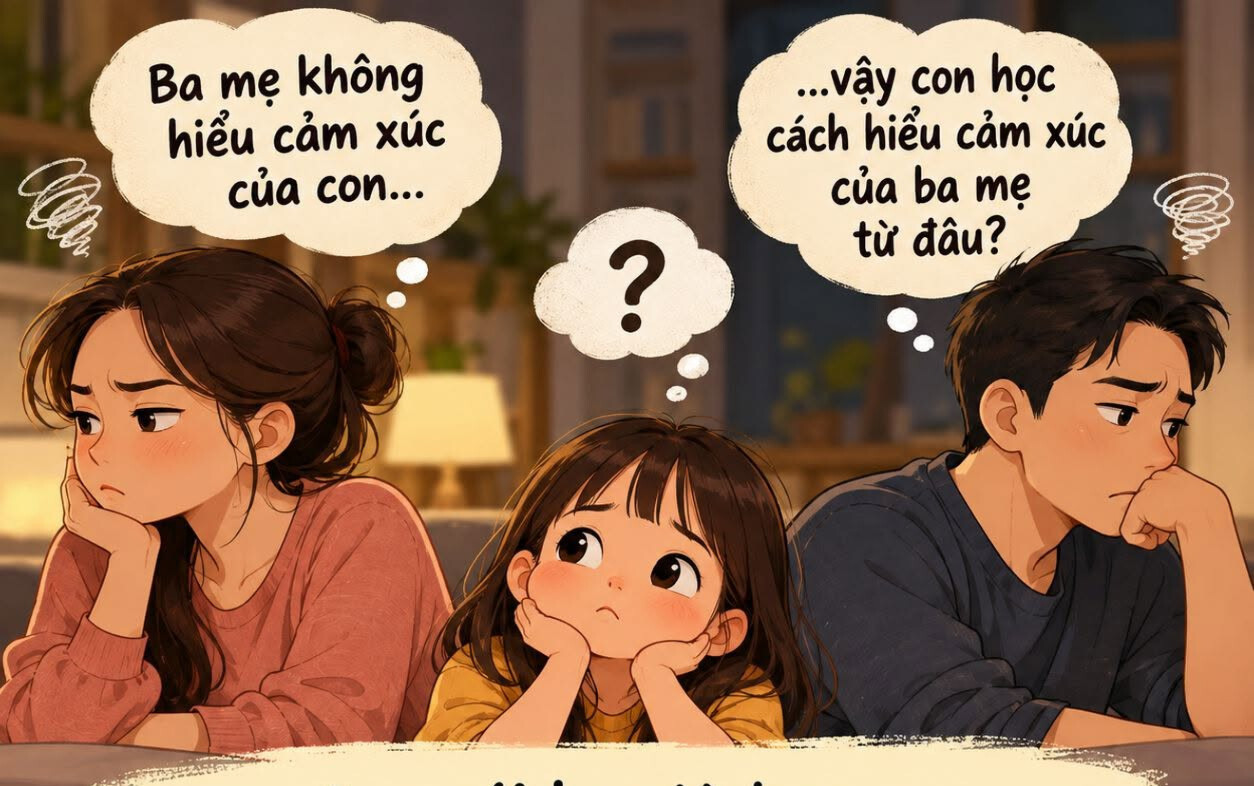
This line of reasoning reveals a remarkable shift in how young people view family relationships. They are no longer simply accepting familiar norms like "children must obey their parents," or "parents always do what's best for their children," but are beginning to question their right to be respected, their right to express their feelings, and their right to speak out about things that hurt them.
In addition, many members recounted conflicts with their parents related to academic pressure, feelings of being compared to "other people's children," phone control, romantic relationships, or personal choices.
During adolescence, the need for independence increases, while parents often want to protect their children through control. One side wants to make its own decisions, while the other wants the child to follow what they believe is right. Added to this are academic pressures, expectations of success, and a lack of time for conversation, easily turning these differences into conflict.
This is also when psychological resistance can emerge. When young people feel their choices or voices are restricted, they tend to resist what they perceive as imposition, sometimes not only through words but also through attitudes, behaviors, or withdrawal. This cycle of interaction widens the gap between the two sides, with adults believing they are protecting family norms, while young people feel their emotions are being continuously denied.
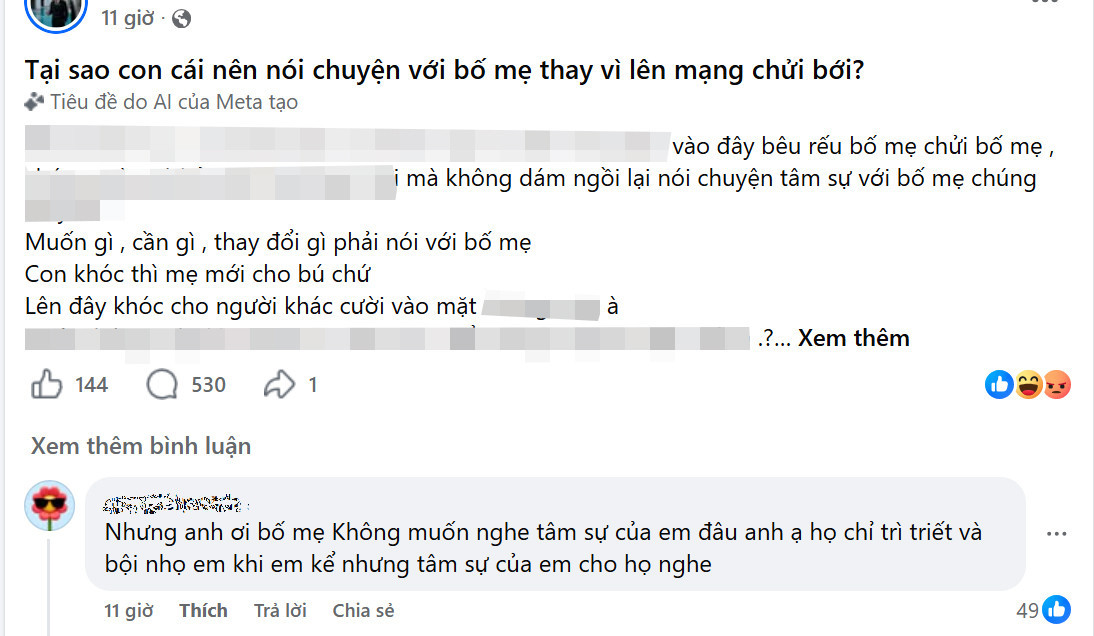
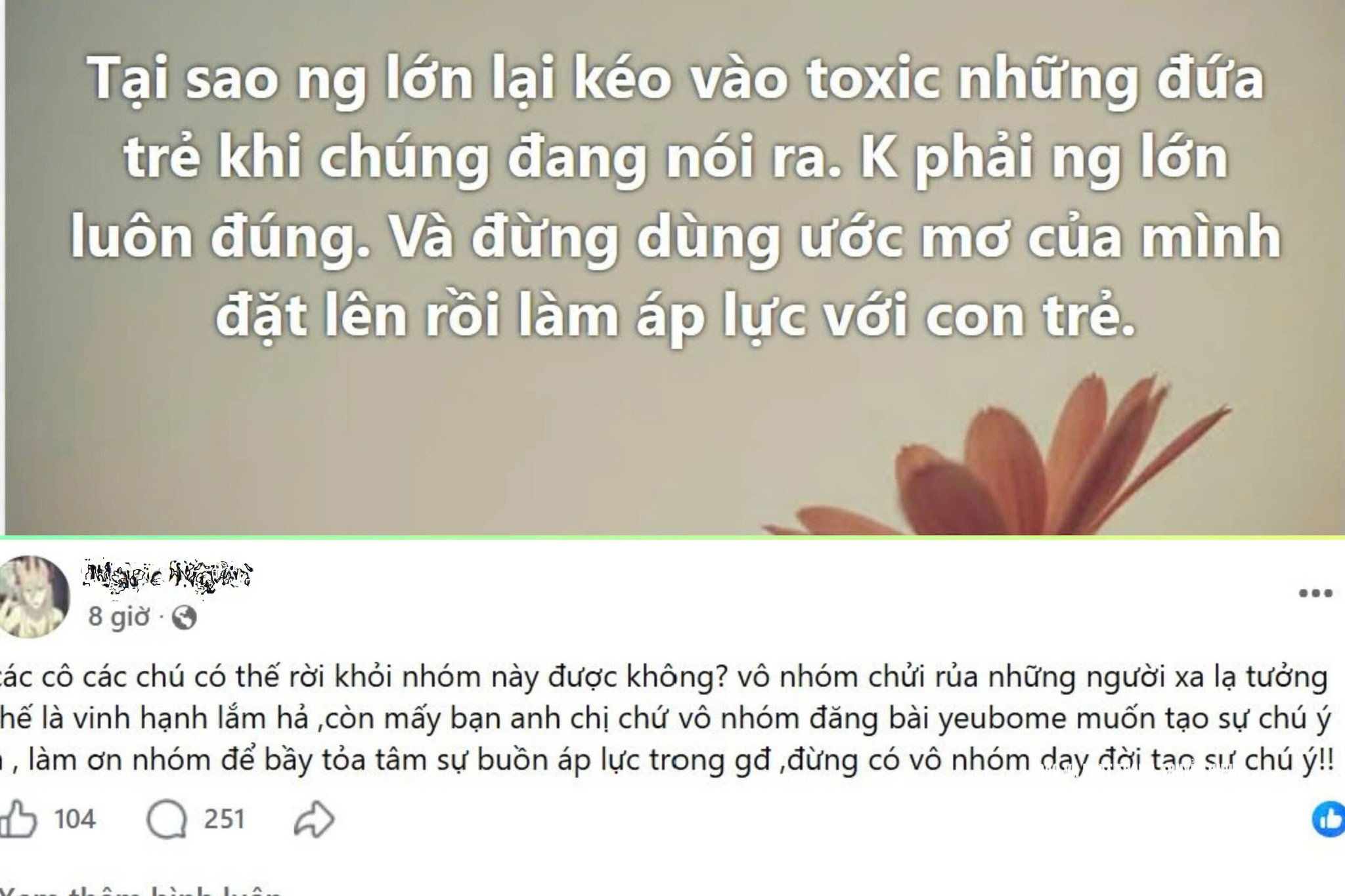
Of course, according to Associate Professor Bui Van Hung, it is also necessary to criticize a flawed mindset that is forming in a segment of young people who completely deny the responsibility, love, and positive values that family provides, simply because of disagreements or traumas during a certain period.
From the perspective of a parent participating in the group, Ms. Tran Thi Thanh Th. (residing in Block 1, Quan Bau, Vinh Hung Ward) said that not only the children but also parents are often hurt when reading articles and harsh words that their children dedicate to them.
From the heart of a parent, we are also looking for suitable ways to understand and educate our children in the right direction.
But sometimes, just from a single incident or inappropriate behavior, children generalize it into their parents' inherent nature. Sometimes, we only want to remind or guide them, but the children perceive it as imposition and control.
Ms. Tran Thi Thanh Th. (Block 1, Quan Bau, Vinh Hung Ward)
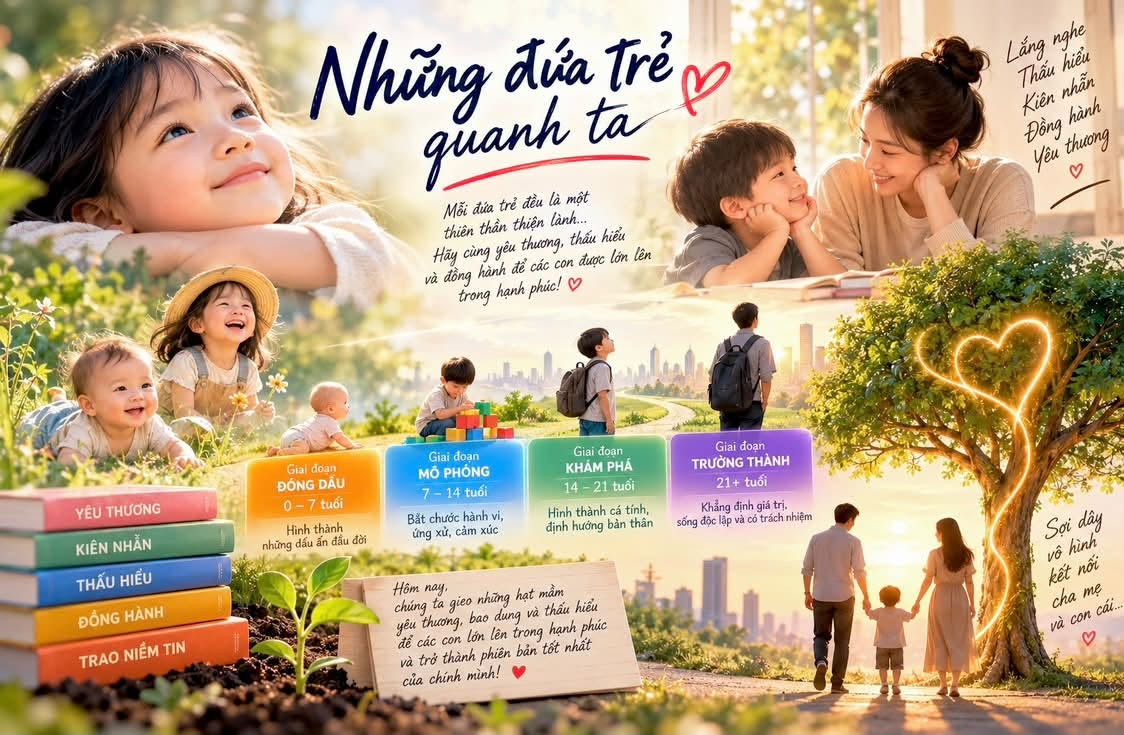
Recently, a new development has emerged in the group as accounts believed to belong to parents have been joining in increasing numbers. Some parents are using harsh language such as "disrespectful" and "insolent," posting messages asserting that young people are thoughtless for sharing family matters online. This counter-argument has further intensified the heated debates.
"Previously, debates were mainly among young people, but now adults are joining in. The issues being debated are no longer just about the poster's story, but have shifted to discussions between generations."
When one party feels they are not being listened to, a continued accusatory and dismissive response from the other party can escalate emotions.
Therefore, it is important for parents participating in the group to remain calm, because behind every story is a person who needs to be heard, and every conflict needs to be resolved at its root, scientifically, rather than through arguments.
Associate Professor Bui Van Hung - Head of the Department of Educational Psychology, School of Education, Vinh University, shared.
Besides the increasing participation of parents, the "Children Hate Their Parents" group has recently attracted other participants. These include accounts that exploit the psychology and trauma of young people to influence and manipulate them for their own purposes. This poses many risks to young people, especially when negative emotions can be amplified or pushed in an extreme direction.

According to Mr. Le Van Thuy, Head of the Social Protection and Children Department of the Nghe An Department of Health, if one observes carefully, it can be seen that some articles were created with the purpose of inciting generational hatred rather than sharing personal stories.
Besides the natural emotions of young people and parents, there have begun to be those who exploit this state of mind to incite and manipulate the psychology of the masses.
According to Mr. Le Van Thuy, a child who is angry with their parents, wants to escape control, or feels that no one is on their side will be more likely to open up to someone who shows empathy and support. However, if that approach shifts from public sharing to private messaging, building trust and then gradually luring, enticing, and promising money, jobs, housing, or a "different life," the risks can become much more serious.
Especially in the online environment, the identity and true intentions of the person you're interacting with are not always easy to determine.
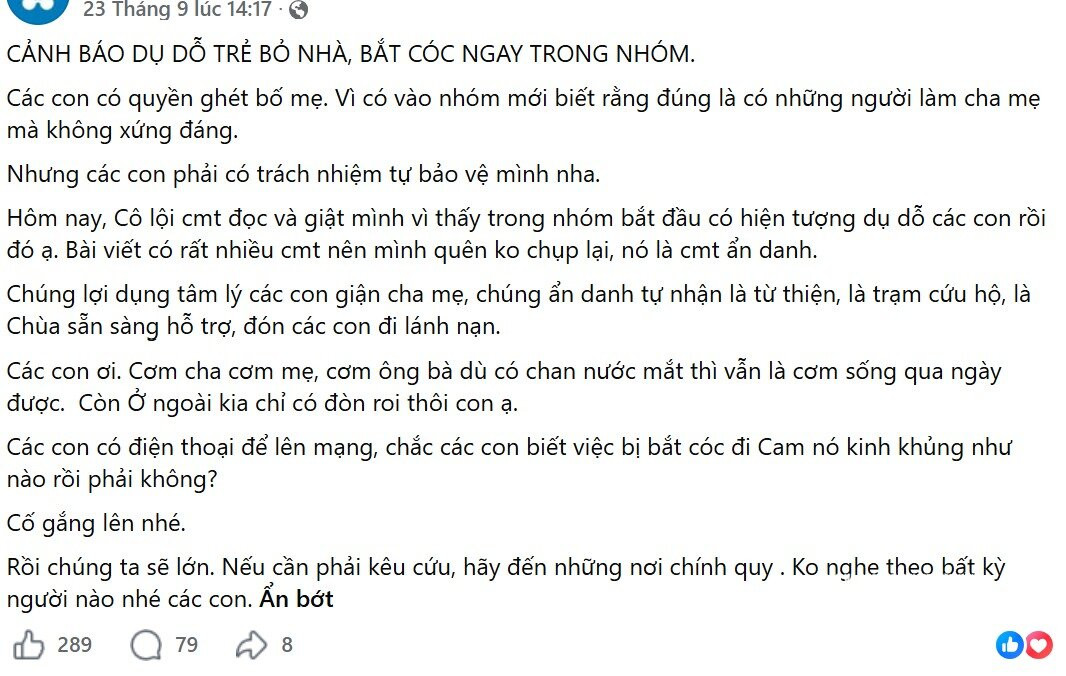
An account might appear to be from someone in a similar situation, a brother or sister willing to listen, but behind that could be a completely different agenda.
When a young person is feeling resentful and has a tendency to want to leave home, being manipulated by another party, which could transform those emotions into impulsive actions, is a risk that cannot be taken lightly.
Mr. Le Van Thuy, Head of the Social Protection and Children Department of the Nghe An Provincial Department of Health, observed.
Recent experience has also shown many cases where criminals exploit children's psychology to lure them away from home. Therefore, proactive prevention is crucial, especially for members who are under the age of majority.
From a child protection perspective, the important thing is not to prevent children from talking about things that hurt them, but to prevent that vacuum from becoming an opportunity for ill-intentioned people to step in.

Based on their experiences interacting with students, Mr. Truong Van Hung - Member of the Provincial Youth Union Executive Committee, Secretary of the Youth Union of Vietnam-Korea Industrial Technical College in Nghe An, and Ms. Phan Thi Quynh Trang - Deputy Secretary of the Youth Union of Vinh University, both agreed that the key concern behind the debates in the "I hate my parents" group is the need for a segment of young people to be heard, respected, and to seek empathy.
Given the nature of their work, which involves frequent interaction with and support of students (the Vietnam-Korea Industrial Technical College in Nghe An has 3,450 students, and Vinh University has nearly 20,800 students), Mr. Hung and Ms. Trang said that through conversations, some students admitted to having posted in the group. Many young people are very open with their friends but are hesitant to confide in their own parents.
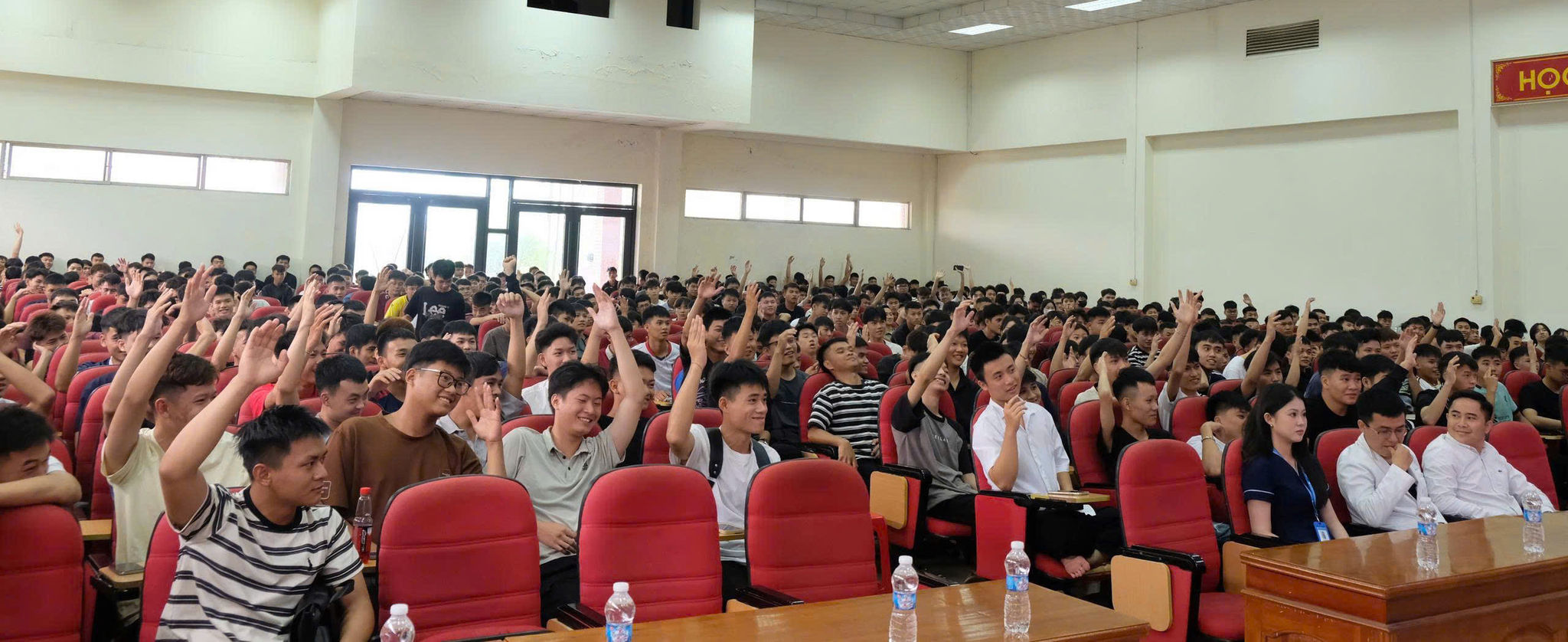
The students confided that their emotions are sometimes overshadowed by academics, achievements, or whether they are "good" or "bad." Meanwhile, anonymity online allows them to express things they find difficult to say directly without fear of judgment. Reading the stories of others in similar situations also helps them feel less alone.
From the perspective of those who work directly with young people, Hung and Trang believe that the issue shouldn't just focus on criticizing or eliminating a group, but should look more broadly at the gaps in family communication, school support, and young people's ability to protect themselves online.
According to Ms. Trang, parents show their love for their children through sacrifice and expectations, while children need understanding and respect. Both sides share love, but sometimes it's like they're "speaking two different languages." Therefore, the emergence of groups like this is also a signal for families, schools, and society to take a more serious look at the spiritual lives of young people, instead of just viewing them from a critical perspective.
To address the root cause, in my opinion, we must first return to what is very close to our family. A meal with conversation, a time when parents truly listen to their children, a way of behaving where adults can admit their mistakes and apologize to their children is often more valuable than advice given after an argument.
Parents need to listen before lecturing, refrain from comparisons, criticism, or using words that hurt their child's self-esteem, and respect them as individuals who are growing up.
Ms. Phan Thi Quynh Trang - Deputy Secretary of the Youth Union of Vinh University
Schools also need channels to detect early changes in students' psychology, behavior, academic performance, and relationships. Simultaneously, there should be people with the skills to listen, provide counseling, and know when to refer complex cases to a psychologist or child protection service. Especially in cases showing signs of violence, abuse, threats, or other safety risks, priority should be given to professional protection and support rather than simply advising children to "talk to their parents."
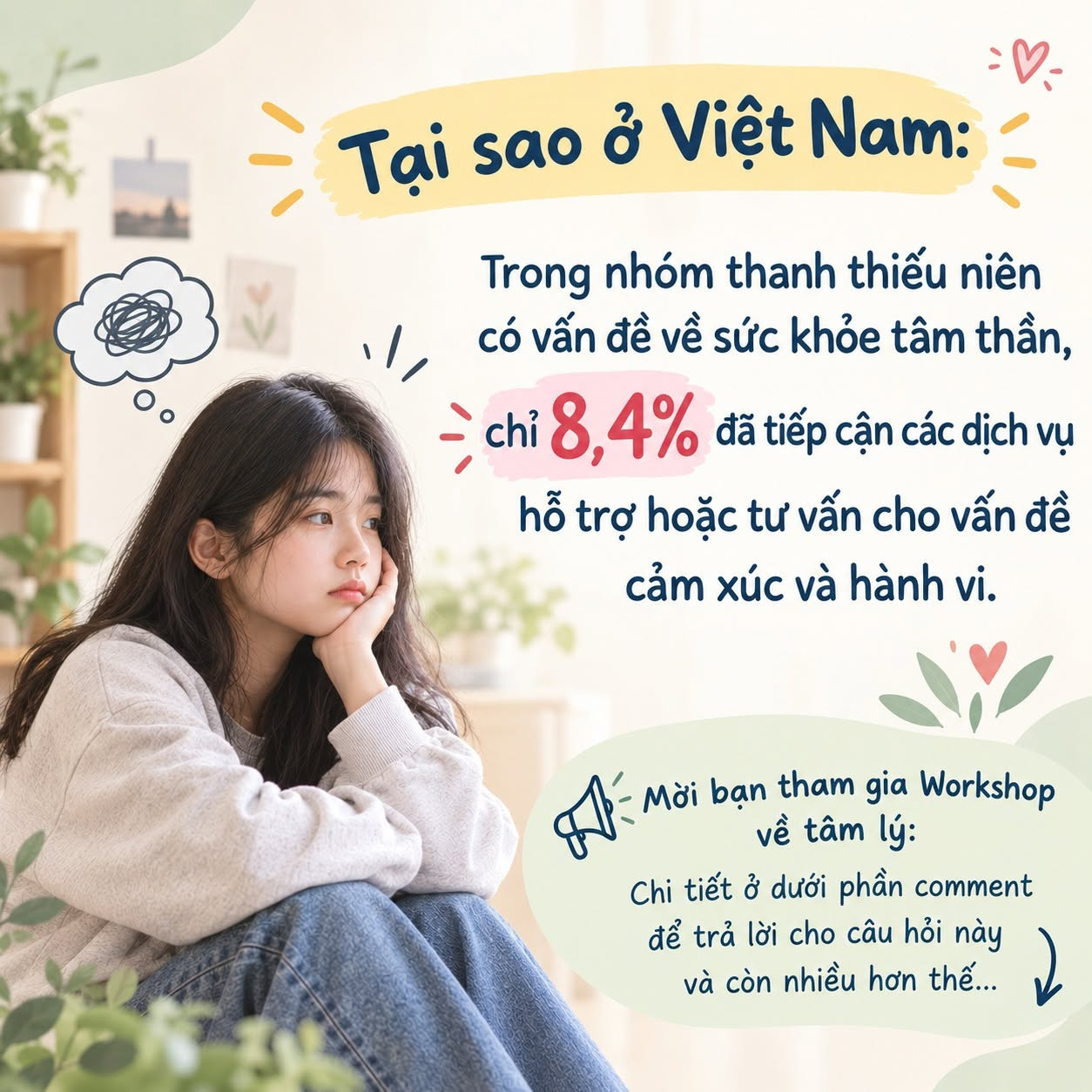
On another level, young people themselves need to be equipped with the skills to protect themselves online. They need to know how to distinguish between empathy and manipulation, between sharing to seek support and letting their emotions get out of control. They should also be cautious when providing personal information, avoid immediately initiating private conversations with strangers, and refrain from making major decisions when feeling angry or desperate.
Associations and socio-political organizations can also play a significant role in this issue, as they have close access to young people and can create additional dialogue, counseling, networking activities, and channels for students to turn to when they need to share their concerns.
For students, education in identifying, expressing, and regulating emotions, as well as using social media safely, needs to be implemented early. This will create open dialogue spaces and safe activities to connect in real life, helping them expand their support network instead of relying solely on online communities.