
Rectify violations and tighten management of clinics.
Given the complex developments in the operations of some clinics in particular and medical and pharmaceutical establishments in general, the Nghe An Health Department is coordinating with the police force to strengthen inspections and handle violations. Along with this, digitizing professional data and improving inter-agency coordination mechanisms are identified as important solutions to enhance management efficiency.
Repeatedly discovered violations
Recently, the Nghe An Department of Health, in coordination with the Provincial Police, has intensified inspections, detection, and handling of facilities showing signs of violations in medical examination and treatment activities.
Notably, violations occurred not only in unlicensed establishments but also in some licensed ones.
.jpg)
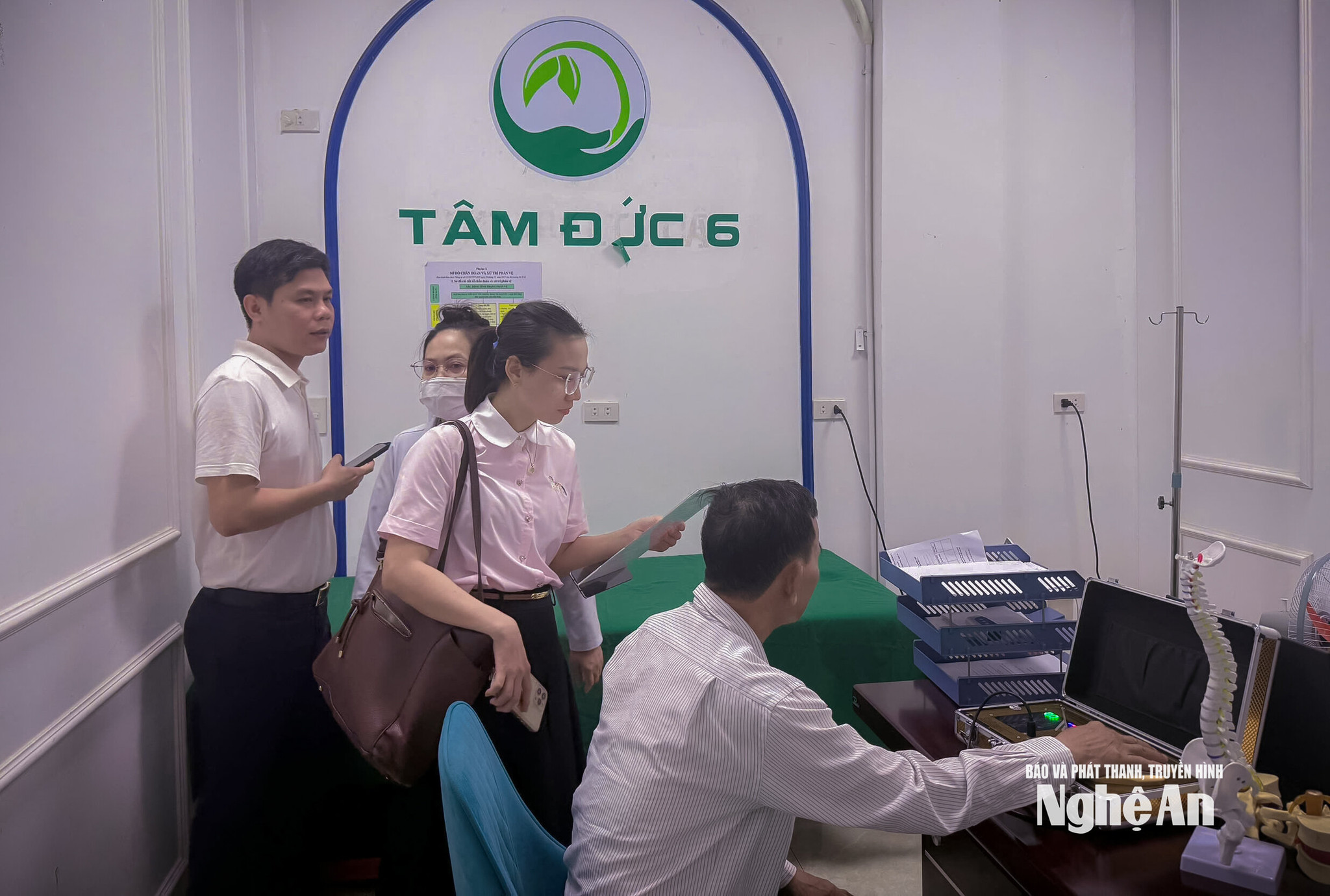
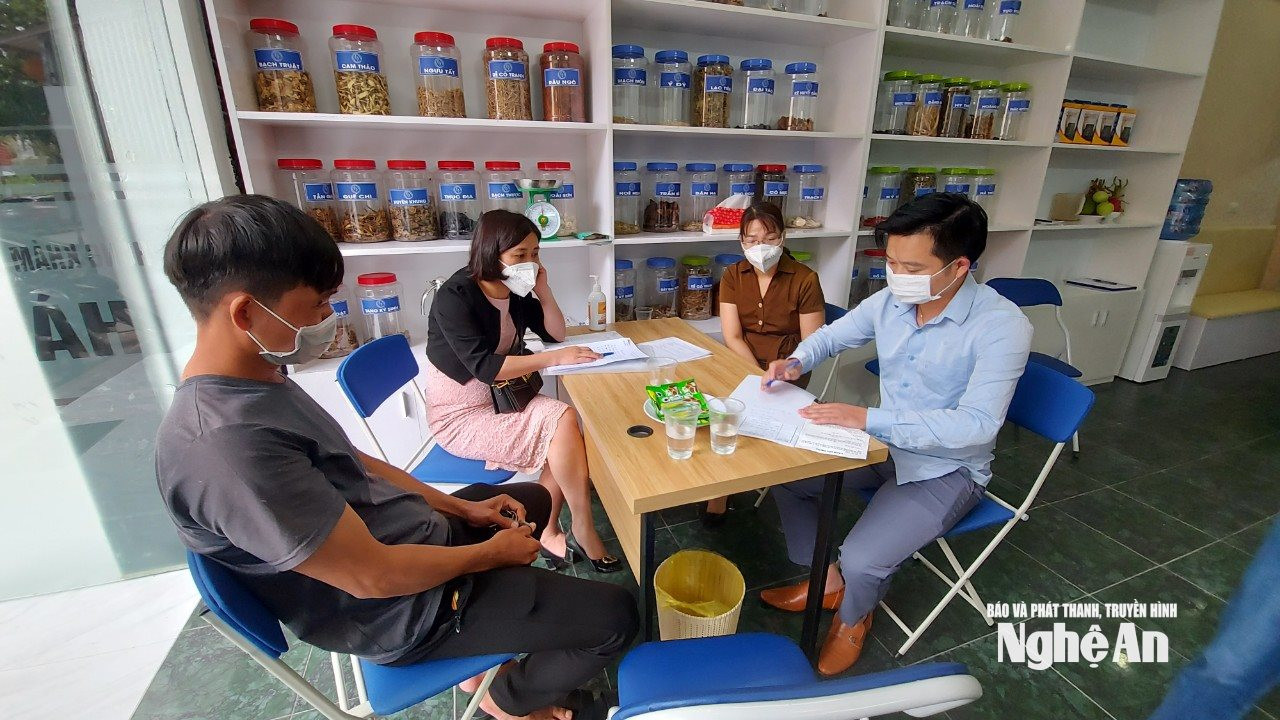
Specifically, recently, authorities conducted a surprise inspection of Tam Duc 6 Traditional Medicine Clinic, belonging to Tam Anh Medical Trading and Service Company Limited, located at 06 Phan Boi Chau Street, Thanh Vinh Ward.
During the inspection, the working group from the Provincial Department of Health and the Provincial Police discovered that the practitioners had not registered their practices as required; the person responsible for technical expertise was not present at the facility during the registered operating period and had not delegated authority.
The facility also employs practitioners without licenses or certificates to practice medicine; and provides services at locations not specified in its operating license.
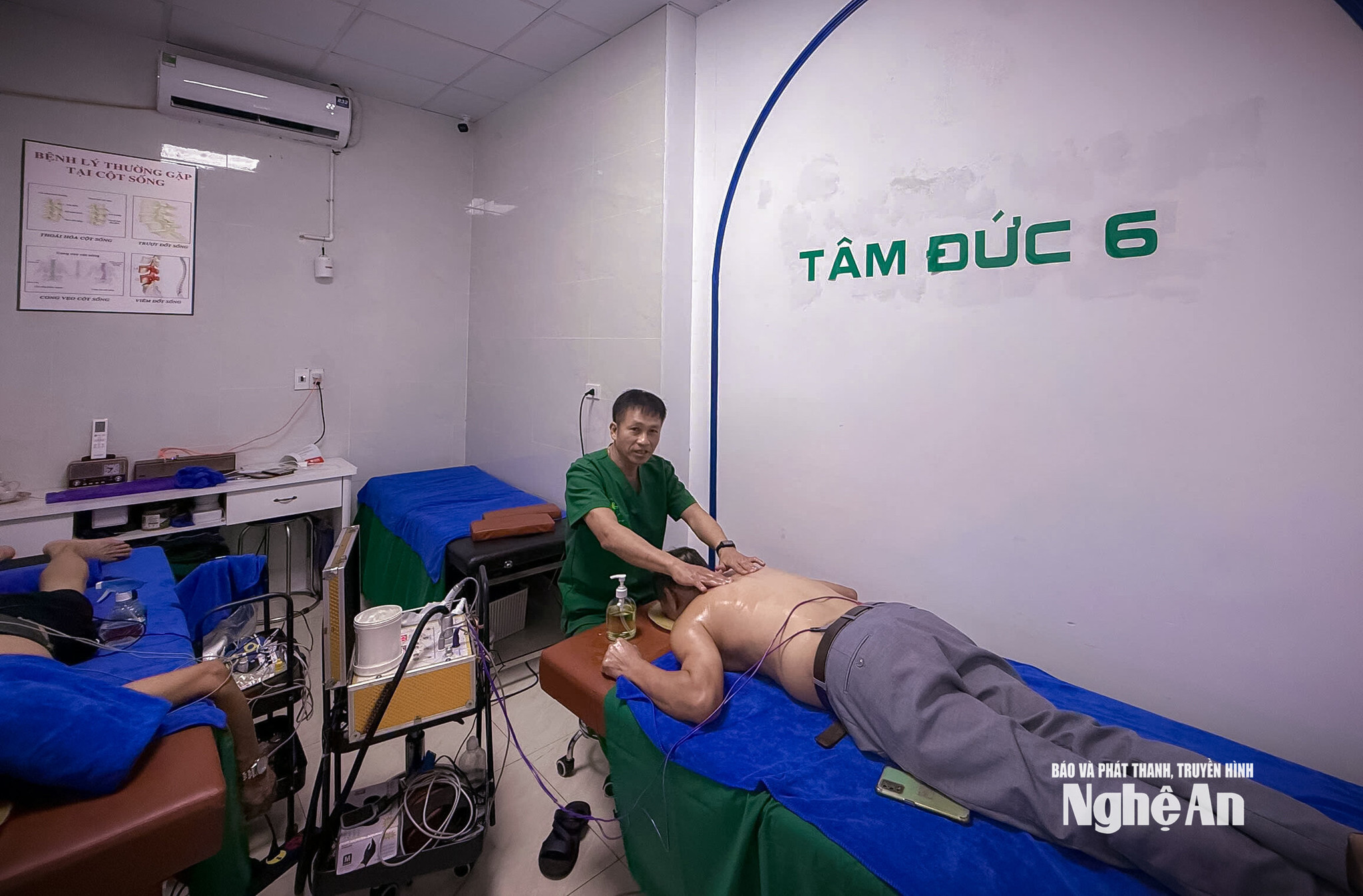
On September 7, 2026, the Director of the Nghe An Department of Health issued Decision No. 1646/QD-XPHC, imposing a total fine of 152 million VND on Tam Duc 6 Traditional Medicine Clinic and suspending its operation for 12 months.
Previously, the facility's operations had received negative feedback on social media. A post published in March 2026 reported a case where a patient was referred for treatment of a herniated disc, then advised on high-value treatment packages and signed a service agreement with many clauses related to providing and transmitting information about the facility.
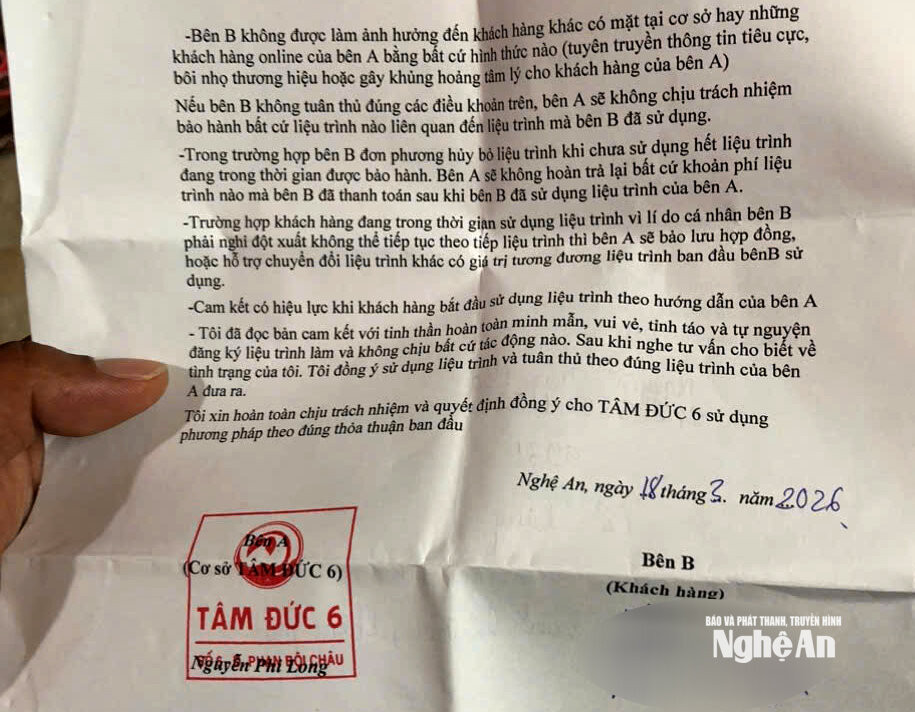
According to the complaint, the commitment requires service users not to negatively impact other customers through the dissemination of negative information, defamation of the brand, or causing psychological distress. In the event of unilateral cancellation of a treatment before completion, the establishment will not refund the fees paid after the customer has used the service.
Recent incidents have shown that private healthcare facilities are posing many management challenges, especially those operating beyond their licensed scope or employing personnel improperly.
.jpg)
Since the beginning of the year, the Nghe An Provincial Police, in coordination with the health sector, have cracked down on cases related to medical examination and treatment activities at several facilities. The investigating agency has prosecuted 10 defendants from the Nghe An Medical Clinic for the crime of "Deceiving Customers." According to the Provincial Police, the accused group used tactics such as exaggerating health conditions, creating anxiety, and then advising patients on expensive treatment packages.
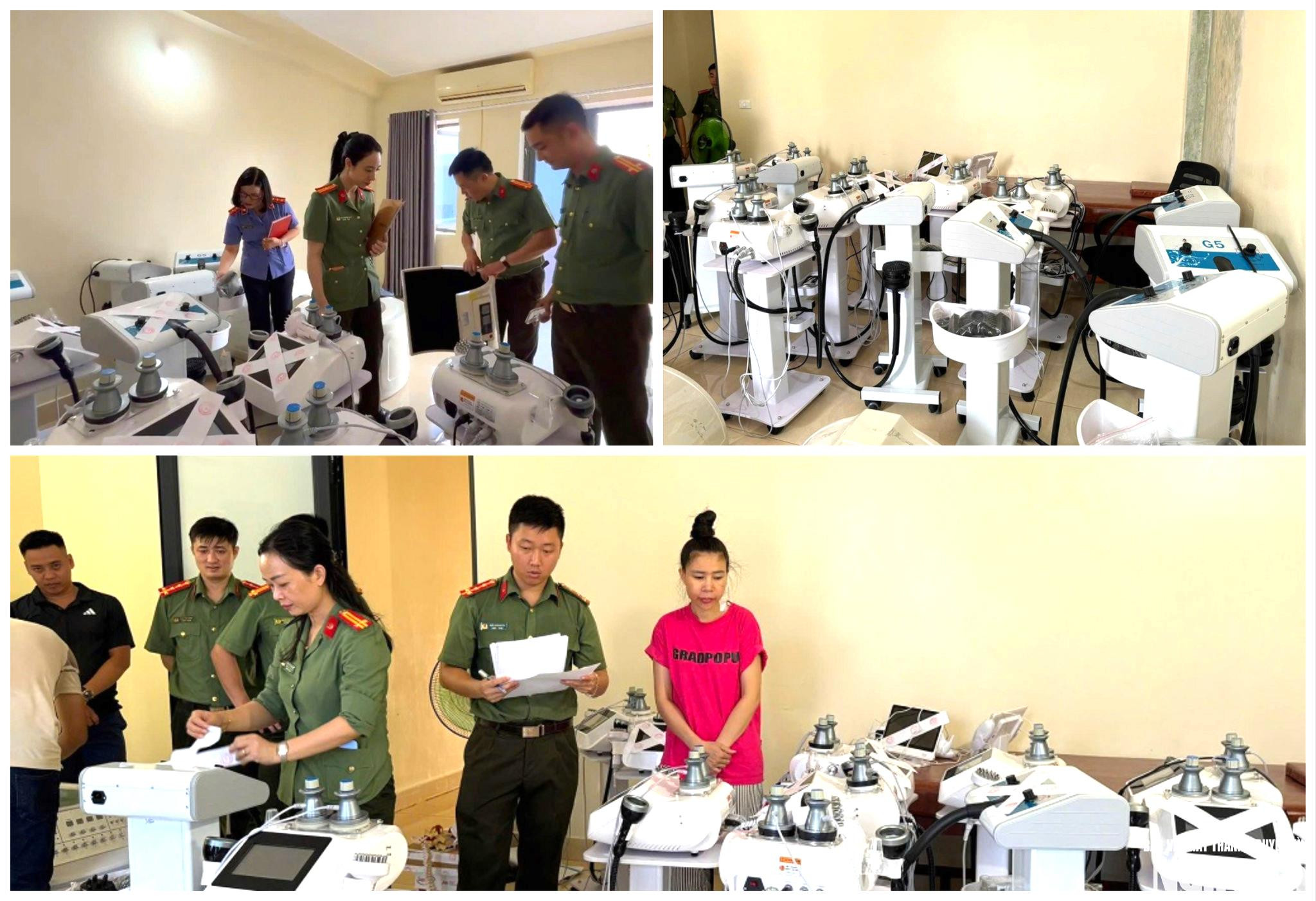
Regarding the "Phuc Tam 8" facility, the Provincial Police determined that this establishment was registered to provide beauty care, spa, and sauna services, but was also illegally conducting consultations, examinations, and treatments for musculoskeletal disorders. The Security Investigation Agency has initiated a criminal case and prosecuted the defendants for the crime of "Fraudulent appropriation of property."
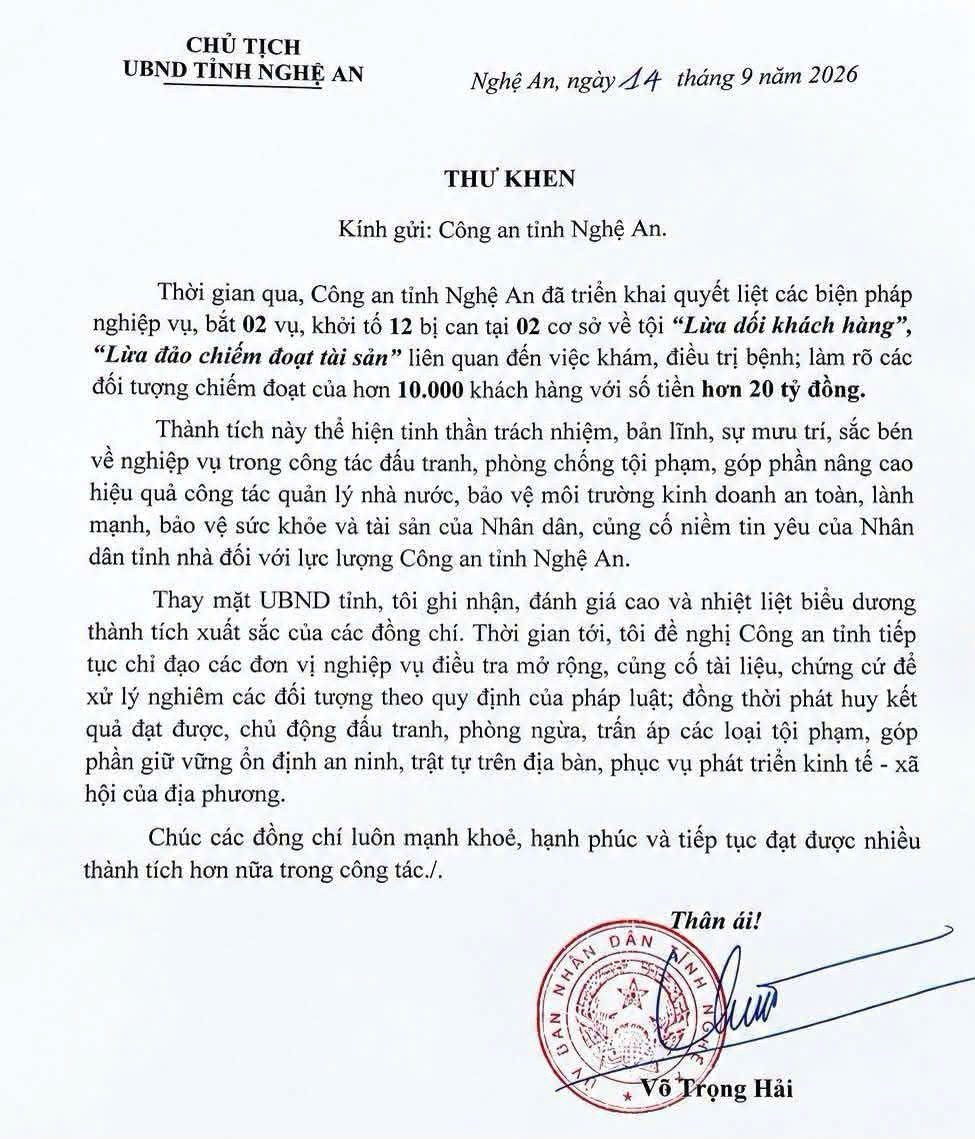
In recognition of these achievements, on September 14th, the Chairman of the Provincial People's Committee sent a letter of commendation acknowledging the achievements of the Nghe An Provincial Police in combating two cases related to defrauding customers and misappropriating assets in the field of medical examination and treatment. According to the letter, the police force has prosecuted 12 defendants at two facilities, initially clarifying the amount of money involved exceeding 20 billion VND and affecting more than 10,000 customers.
Digital data management
According to the Nghe An Department of Health, by mid-September 2026, the province had 4,087 private medical and pharmaceutical establishments, including 53 hospitals and health centers, 43 polyclinics, and 670 specialized clinics and medical service centers.
The private healthcare network contributes to expanding access to medical services, reducing pressure on the public healthcare system, and meeting the increasingly diverse healthcare needs of the people.
However, the large number of establishments also places higher demands on management, especially in controlling practice conditions, scope of expertise, and service quality. Since the beginning of the year, the Private Medical and Pharmaceutical Practice Management Department of the Nghe An Department of Health has inspected and advised on administrative penalties for 4 medical practice establishments with a total fine of 224 million VND; and fined one wholesale and 5 retail drug establishments with a total fine of 107 million VND.
Inspections revealed violations in both licensed and unlicensed establishments. For licensed establishments, some violations included operating beyond the approved scope of expertise; failing to maintain adequate technical conditions; changing personnel without reporting; using medical equipment of unknown origin; or failing to fully comply with regulations on service price listing.

Meanwhile, unlicensed facilities pose a higher risk. Some employ unlicensed personnel or those without professional certifications to directly examine and treat patients; they use equipment presented as medical devices but which is not on the list of permitted equipment. Some facilities also use unclear names and signage, making it difficult to identify their actual type of activity.
Management also faces new demands after the organizational model is restructured. The lack of personnel for inspection and supervision at the facility, coupled with the potential lack of in-depth medical expertise among local management staff, makes it difficult to evaluate technical services or determine the legality of certain equipment and intervention methods.
After the transfer of specialized inspections to the Provincial Inspectorate, the Department of Health no longer has a direct point of contact for specialized inspections as before. The Department has established a complaint receiving team within its Office; when incidents arise, separate verification teams must be formed, especially for complex cases.
Another issue is the division of jurisdiction. The Department of Health handles administrative violations within the scope of laws on medical examination and treatment. When signs of a crime are detected, the case file is transferred to the Police for investigation and handling according to their jurisdiction.
During this process, feedback from citizens, the press, social media, and hotlines are important sources of information that help authorities detect irregularities. However, a sense of apprehension, especially regarding issues related to personal health, means that not all patients are willing to speak up when their rights are violated.
In response to this requirement, the Nghe An Department of Health is accelerating the application of technology in managing private medical and pharmaceutical practices. According to the Director of the Nghe An Department of Health, Le Thi Hoai Chung, 100% of licensed private medical facilities must fully declare their data on the digital system, including operating licenses, approved technical procedures, personnel lists, scope and duration of practice.
The system is also designed to manage personnel turnover between facilities. If a practitioner has not completed the procedures for withdrawing or reducing their registration at their previous facility, the system can prevent them from registering at a new facility. This solution aims to limit the practice of "borrowing" personnel on paper, registering for practice that does not reflect reality, or having one person simultaneously registered at multiple facilities without ensuring the required practice time.
Currently, the Nghe An Digital Health Portal has integrated functions for searching for practitioners, operating licenses of medical facilities, and various data serving management purposes. This is a platform for citizens and management agencies to check information about facilities, practitioners, and scope of practice.

Along with data digitization, the Health sector continues to implement Directive No. 31 of the Standing Committee of the Nghe An Provincial Party Committee on strengthening leadership over non-public medical and pharmaceutical practices. The Department of Health advises the province on clearly defining responsibilities among departments, agencies, and local authorities; and at the same time strengthens coordination with the Provincial Police, organizing inter-agency inspection teams, focusing on facilities with a high risk of violations.
From the public's perspective, the health sector recommends choosing facilities with operating licenses; proactively checking information about licenses, scope of expertise, practitioners, and related conditions before using services. Any unusual signs during consultation, examination, treatment, or fee collection should also be promptly reported to the authorities.
Strict management of clinics and medical and pharmaceutical establishments is not only a requirement for regulatory agencies but also requires the participation of the public. When data is made public, coordination mechanisms are tightened, and irregularities are reported early, the risk of violations will have an additional "stopgap" right at the grassroots level.


