
Sesko's injury: Zirkzee's last chance at MU.
Sesko is out for a month; Ruben Amorim is forced to rotate the squad. With 89 minutes since the start of the season, Zirkzee has 3 games against Everton, West Ham, and Wolves to secure his place at MU before January.
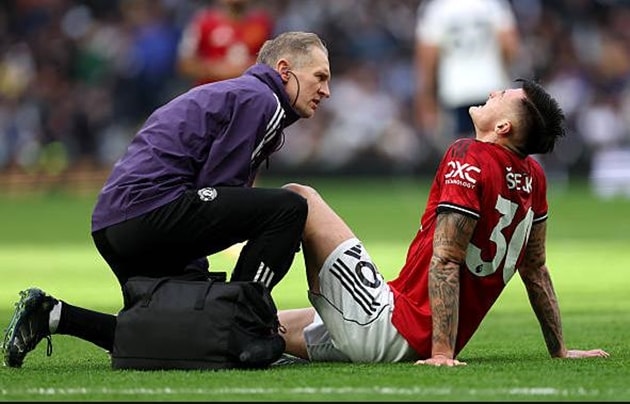
A crack has just opened up at Old Trafford: Benjamin Sesko's month-long injury. And in that void lies what appears to be an ultimatum for Joshua Zirkzee – who has only played a mere 89 minutes since the start of the season. If he doesn't seize this opportunity, the January transfer window will almost certainly be decided.
Amorim's stability and the "invisible wall"
Since the draw against Nottingham Forest on November 1st, Ruben Amorim has maintained the same starting lineup in the Premier League for a long period – a milestone in terms of consistency. Manchester United's absence from European competition and early exit from the Carabao Cup made it even harder for the reserves to break into the team. For Zirkzee, the feeling of spending weeks "with his face in the mirror" was real.
In that context, an unexpected variable presented an opportunity for playing time: Sesko's injury. This wasn't just a necessary rest for a key striker, but also a test of Amorim's philosophy of stability: would he continue to opt for safe solutions, or place his trust in a center forward who needed a moment to prove himself?
Why is Zirkzee suitable for the current structure?
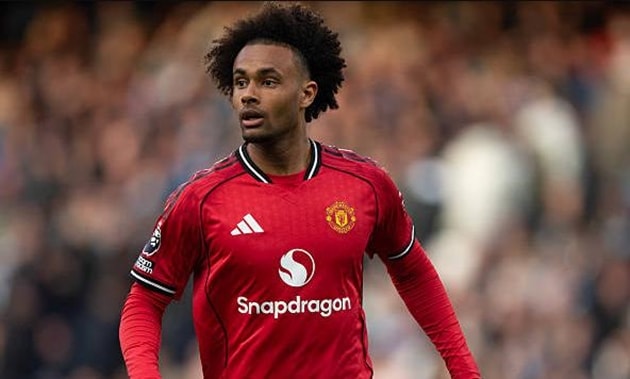
Zirkzee is not a passive number 9. His strengths lie in link-up play and holding up the ball – small actions that create a domino effect in the system. When the striker knows how to draw defenders away and pass the ball at the crucial moment, the speedy wingers like Matheus Cunha and Bryan Mbeumo will be freed up to break through.
If Manchester United push Matheus Cunha into the center, they will sacrifice explosiveness on the wings; while using Mason Mount as a "false nine" could disrupt the team's established structure. Entrusting Zirkzee with the central attacking role helps the team maintain the systematic form that Amorim is building, while keeping the supporting players in their areas of strength.
- Linking: maintaining rhythm, putting teammates in advantageous positions.
- Wall play: control the ball with the first touch, then release it precisely to the second line of attack.
- Draw defenders in: draw the central defenders away, opening up the inner flank for attacking runs.
For a team that prioritizes discipline and repetition in movement, a well-connected "pivot" like Zirkzee is more suitable than drastic adjustments made merely for short-term fixes.
Professional attitude and trustworthiness in the dressing room.
This opportunity came not just because of his professional skills. Zirkzee reacted in a way any manager would want to see: no signs of rebellion, hard work in training, and a connection to the team's collective joy. The image of him celebrating wildly with his teammates after the victory at Anfield, even though he didn't play a single minute, shows a player who puts the team first. His good relationship with captain Bruno Fernandes is another plus in the dressing room.
Three tests and a turning point in January.
The fixture list offered a safe space for experimentation: Everton, West Ham, and Wolves – teams currently languishing at the bottom of the table – provided a three-match run that allowed Amorim to assess the team without major disruption. This also presented a golden opportunity for Zirkzee to transform his limited 89 minutes into a strong argument for his role.
Alongside the pressure on the pitch is the pressure from the transfer market. Offers from West Ham, Everton, and the prospect of a return to Serie A with AS Roma are looming. If he isn't used now, the door to leaving Manchester United in January will almost certainly be wide open. Conversely, just a few performances in the right role – linking up, holding up, drawing defenders – could make Zirkzee the missing piece in the Red Devils' resurgence.
This is the moment when Amorim's extreme consistency needs a sensible exception. And if there's one exception worth betting on, it's a center willing to sacrifice the ball, serve the structure, and wait for his own moment.


