
Asia 2026: 9 must-visit destinations for the new year
From the 6,000-year-old ancient city of Erbil to the art island of Naoshima, from the pristine Labuan Bajo to the vibrant Seoul, these nine destinations showcase an Asia that is both dramatically changing and preserving its cultural depth.
As 2026 approaches, many cities and islands across Asia continue to invest heavily in culture, arts, and tourism infrastructure. Below are nine highly-regarded destinations where travelers can combine exploring history, contemporary architecture, and local life in a single trip.
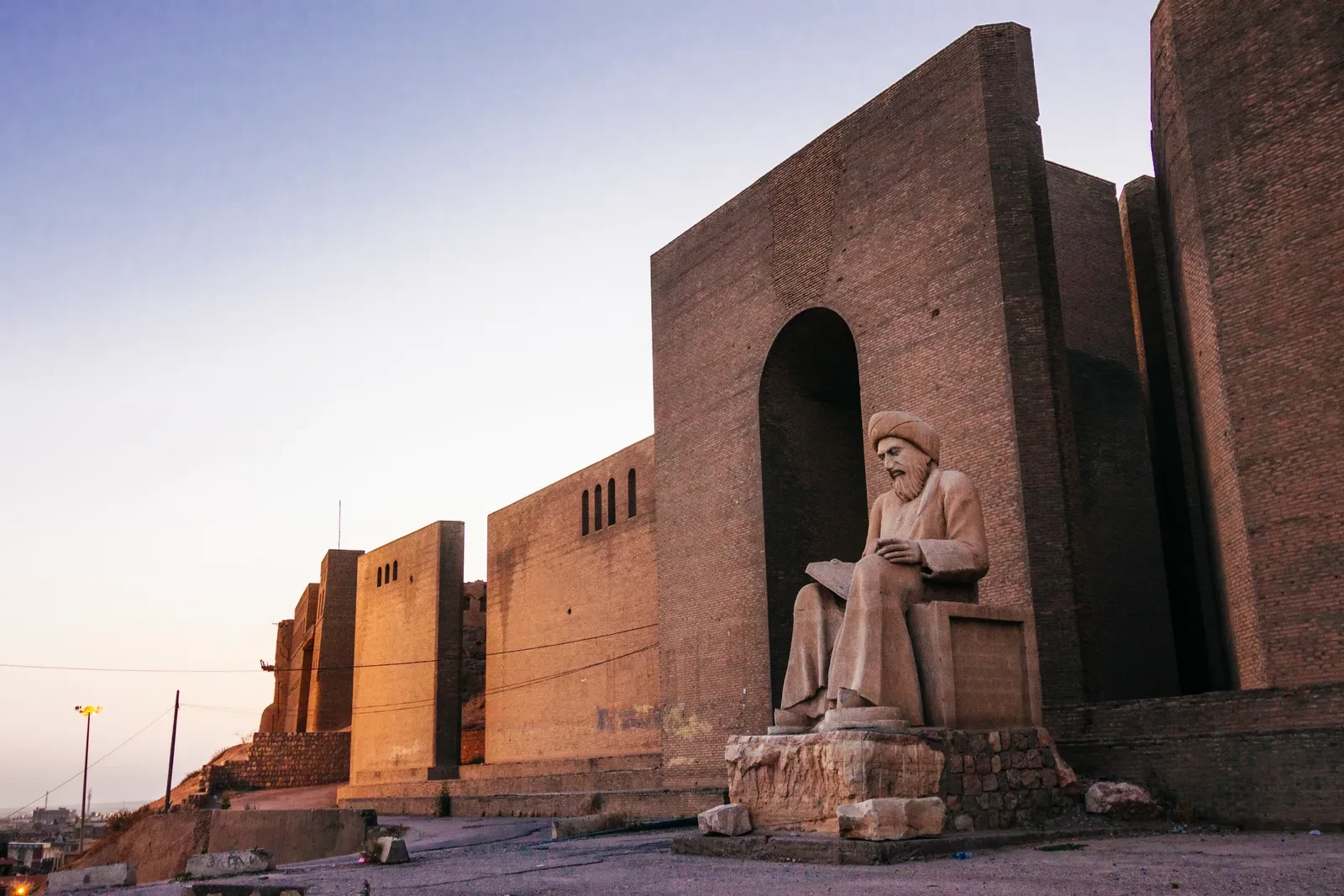
Erbil, Kurdistan (Iraq): A 6,000-year-old citadel amidst modern life.
Erbil is perfect for those seeking adventure and a different experience from familiar tourist destinations. The highlight of the city is the Old Town of Erbil, a World Heritage Site with a history of over 6,000 years, currently undergoing restoration and renovation.
Beneath the ancient city walls lies the long-standing history of Mesopotamia, while surrounding it is a rapidly developing metropolis with modern neighborhoods, the presence of numerous international brands, and large-scale projects. The feeling of stepping from the ancient stone slopes onto a boulevard brightly lit with signboards is what makes Erbil unique.
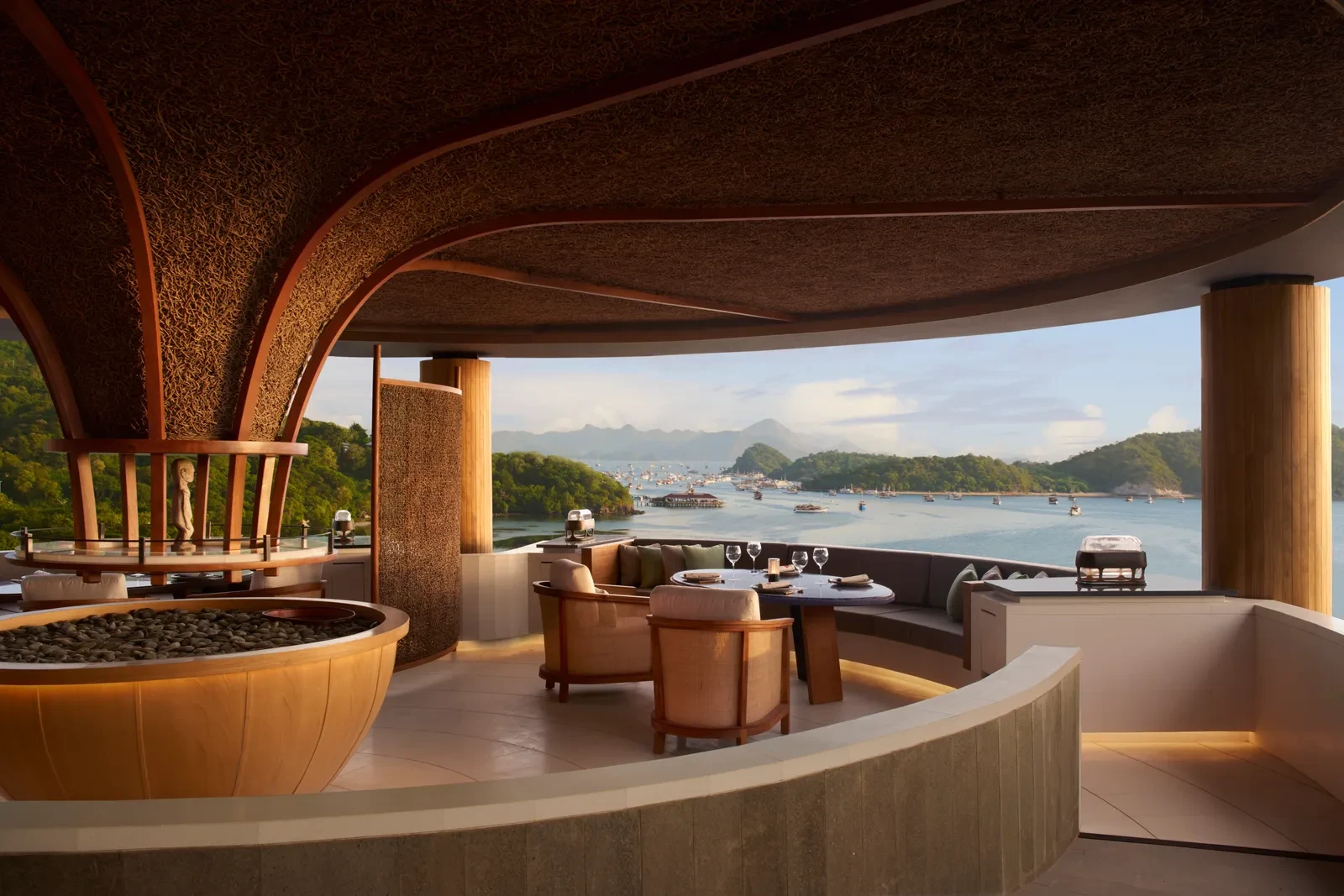
Labuan Bajo, Indonesia: the gateway to the world of Komodo dragons.
Labuan Bajo is a small fishing town on the western side of Flores Island, gradually becoming more familiar on the Asian tourism map. It is an ideal stop for those who love wildlife and want to access Komodo National Park, home to the rare Komodo dragon.
Previously, this area was often overshadowed by Bali. But with the new international airport and the emergence of luxury resorts, Labuan Bajo is "awakening." Sustainable tourism is being emphasized, from small cafes run by locals to community-based homestays, allowing visitors to experience a slower pace of life and connect with the local people.
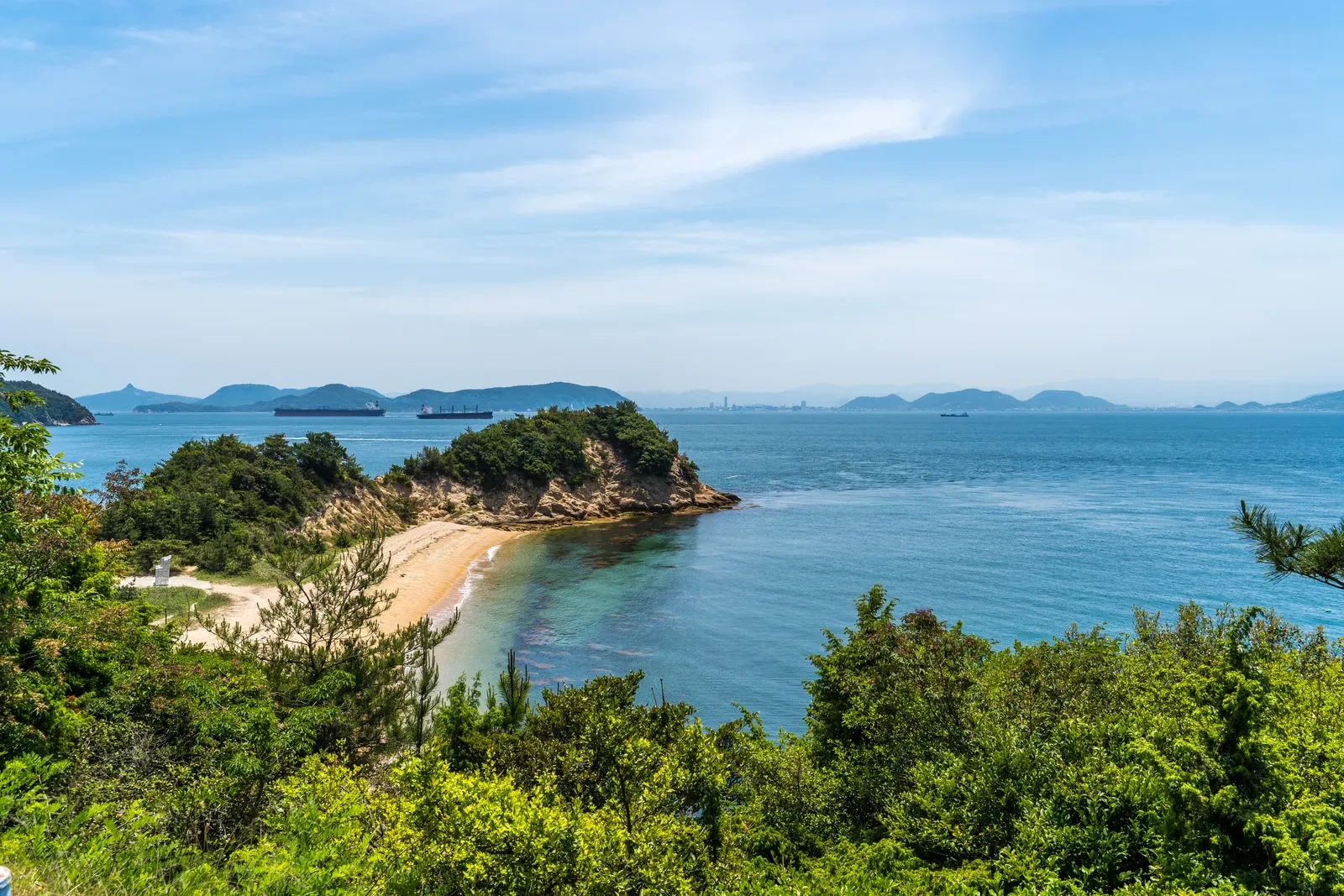
Naoshima, Japan: An art island in the Setouchi region.
Located off the coast of Setouchi, Naoshima, once a small fishing village, is now known as an open-air contemporary art space. Art installations and museums are interwoven into the island's landscape, so every turn along the coastal road can reveal a new artwork.
In 2025, the new Naoshima Art Museum, designed by architect Tadao Ando, will officially open, further solidifying its reputation as an "art island." With luxury cruises and hotels poised to appear, now is the perfect time to visit Naoshima before it becomes too crowded.
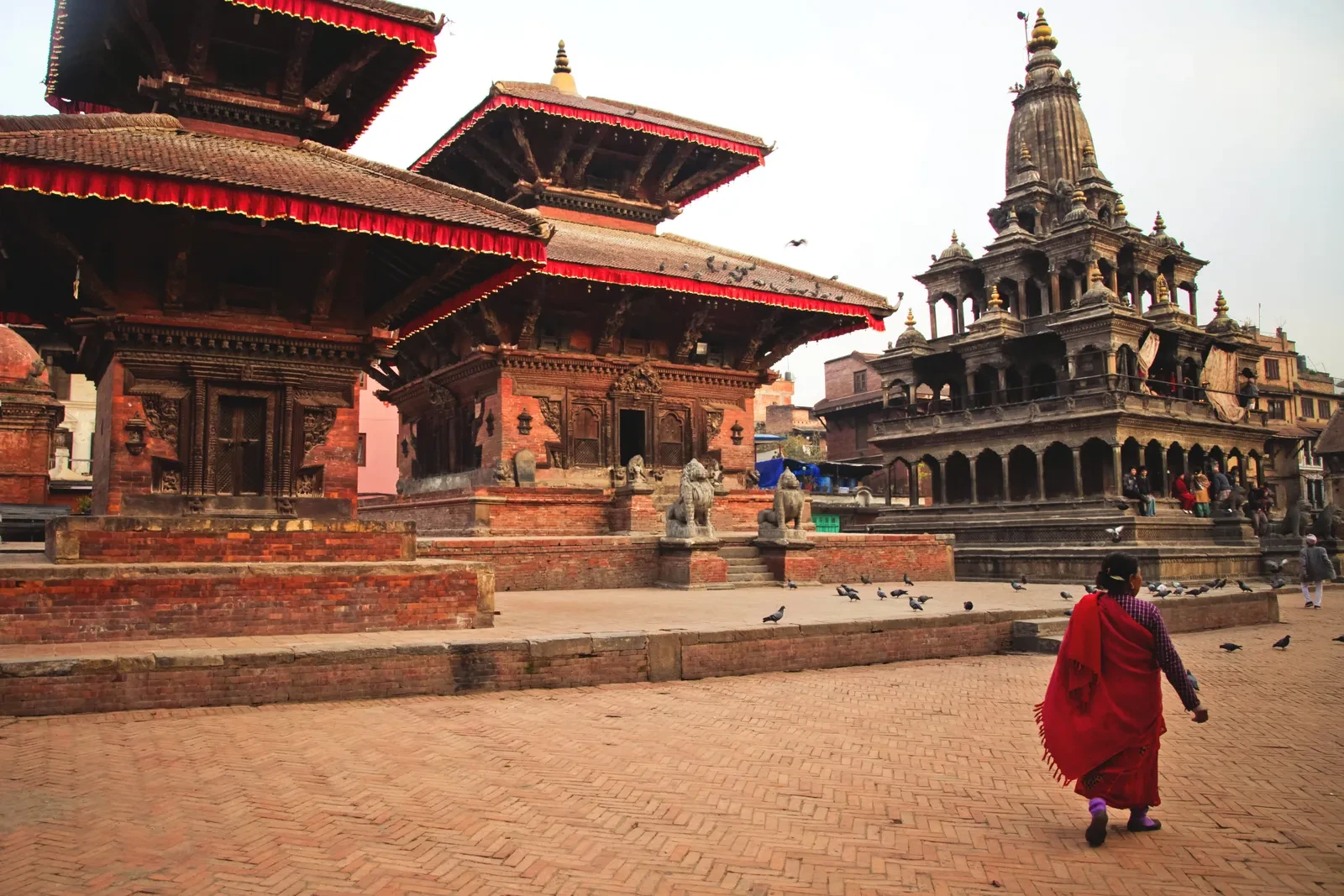
Patan, Nepal: Old town, craft villages, and artist community.
Patan, once the ancient capital of the Kathmandu Valley, is now a place where past and present intersect. Cobblestone streets, traditional craft villages, and a community of young artists coexist in a space that is not overly large but rich in cultural detail.
Galleries, artist accommodations, and weeks-long traditional festivals run parallel to trendy cocktail bars, artisanal tea houses, and contemporary restaurants. From long-established family eateries to top-rated bars, Patan offers a fresh approach to Nepalese culture: both ancient and modern.
Saadiyat Island, Abu Dhabi: The UAE's new museum district.
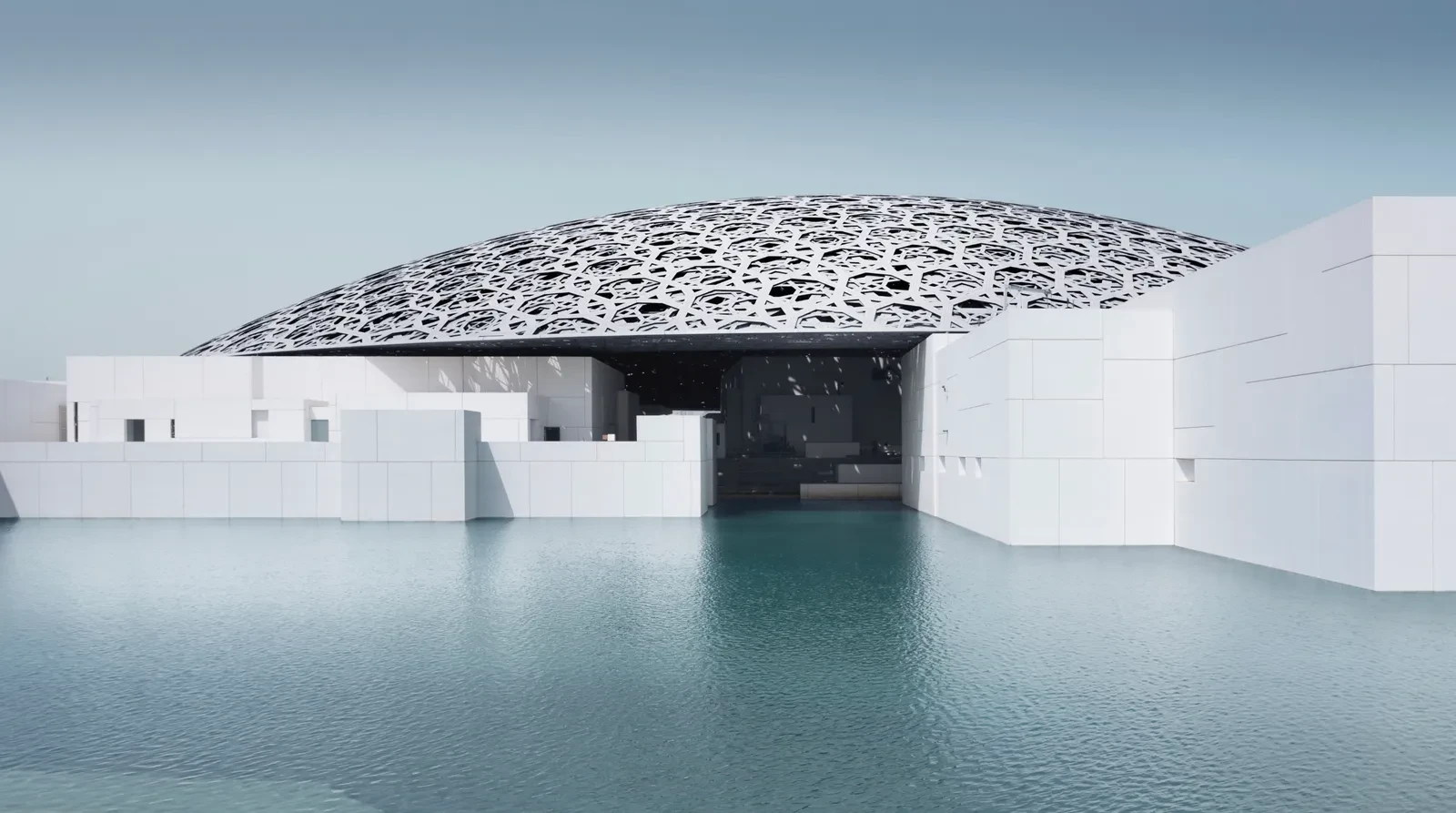
Saadiyat Island is a natural stop for those interested in world-class cultural institutions. The island is gradually taking shape as a new cultural hub of the UAE, with the Louvre Abu Dhabi, the Abu Dhabi Museum of Natural History, and the Zayed National Museum opening in succession.
The Guggenheim Abu Dhabi is expected to be completed in 2026, elevating Saadiyat to the level of world-renowned museum districts. In a single day, visitors can move between multiple museums, admiring contemporary architecture and diverse collections of history, science, and art.
Seoul, South Korea: Ancient palaces amidst a glass-and-steel skyline.
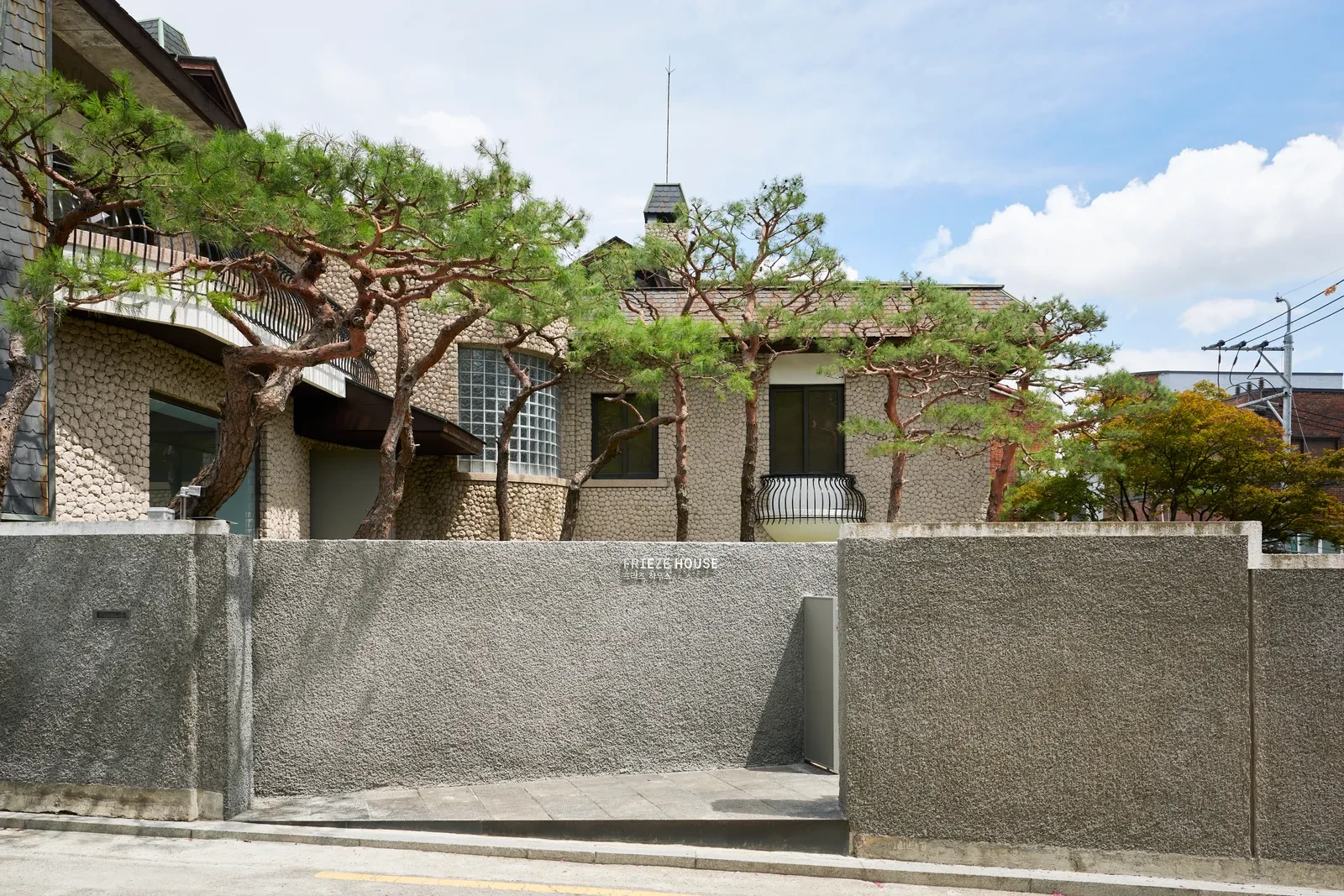
Seoul is not only associated with K-pop or fashion, but also with ancient palaces nestled amidst modern buildings. An upgraded transportation system makes it easier to travel to areas like Jegi-dong and Gongneung-dong, expanding exploration options beyond familiar tourist spots.
The city is constantly adding new attractions: observatories, museums, and art spaces. These include Frieze House Seoul and branches of the Seoul Museum of Art, making it easy for visitors to combine shopping, dining, and art in a single short trip.
Shenzhen, China: A special economic zone with a rich cultural calendar.
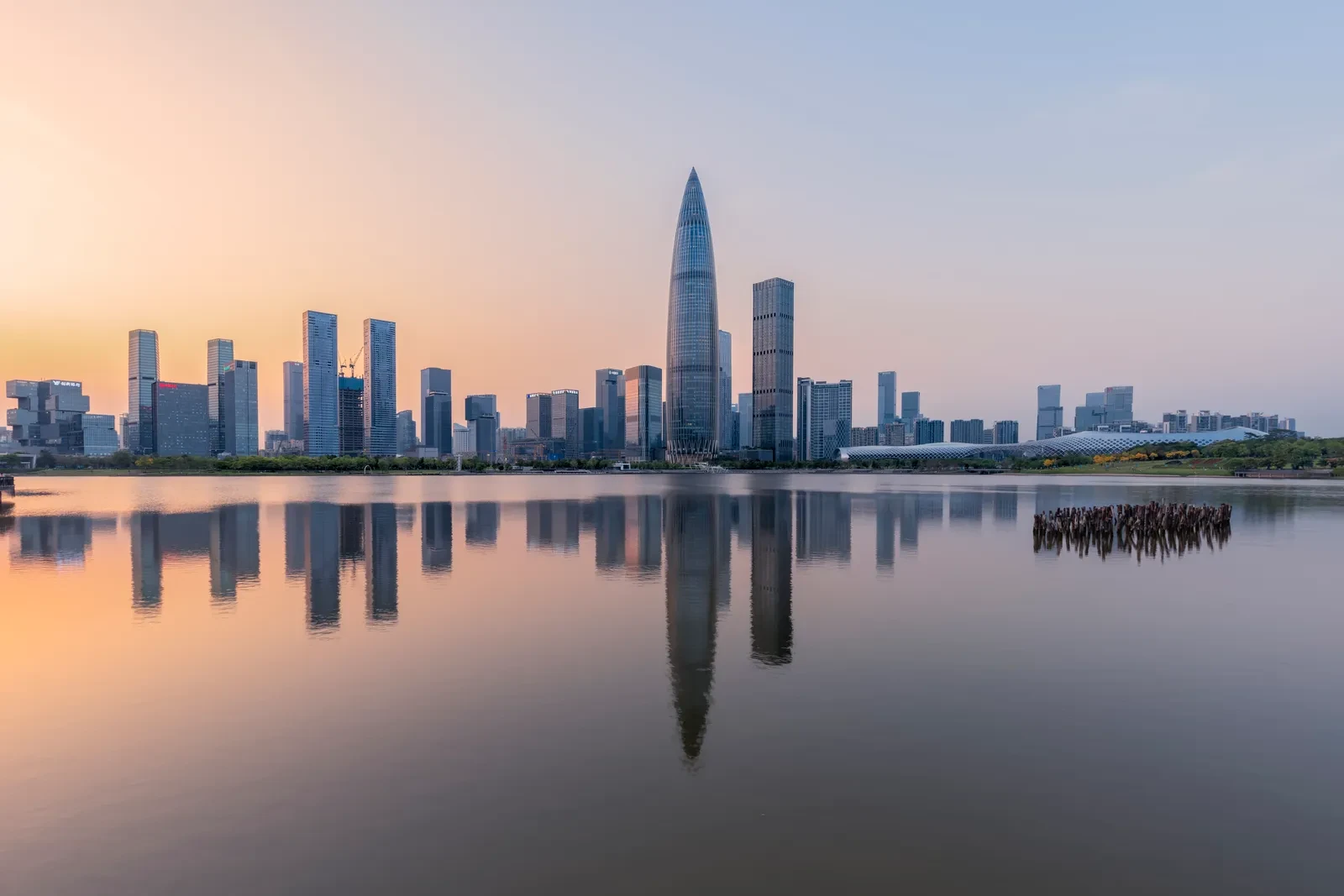
From a small fishing village, Shenzhen has transformed into a dynamic special economic zone with a skyline densely packed with skyscrapers and a series of new urban developments along the bay. Besides luxury hotels, the city has built itself a remarkable calendar of cultural events.
Shenzhen Design Week, Art Shenzhen, and the Verbier Festival – Asia's first classical music festival – make Shenzhen an attractive destination for lovers of design, art, and music. On a single trip, visitors can experience both the city's economic development and its creative energy.
Tashkent, Uzbekistan: The intersection of the Silk Road and Soviet architecture.
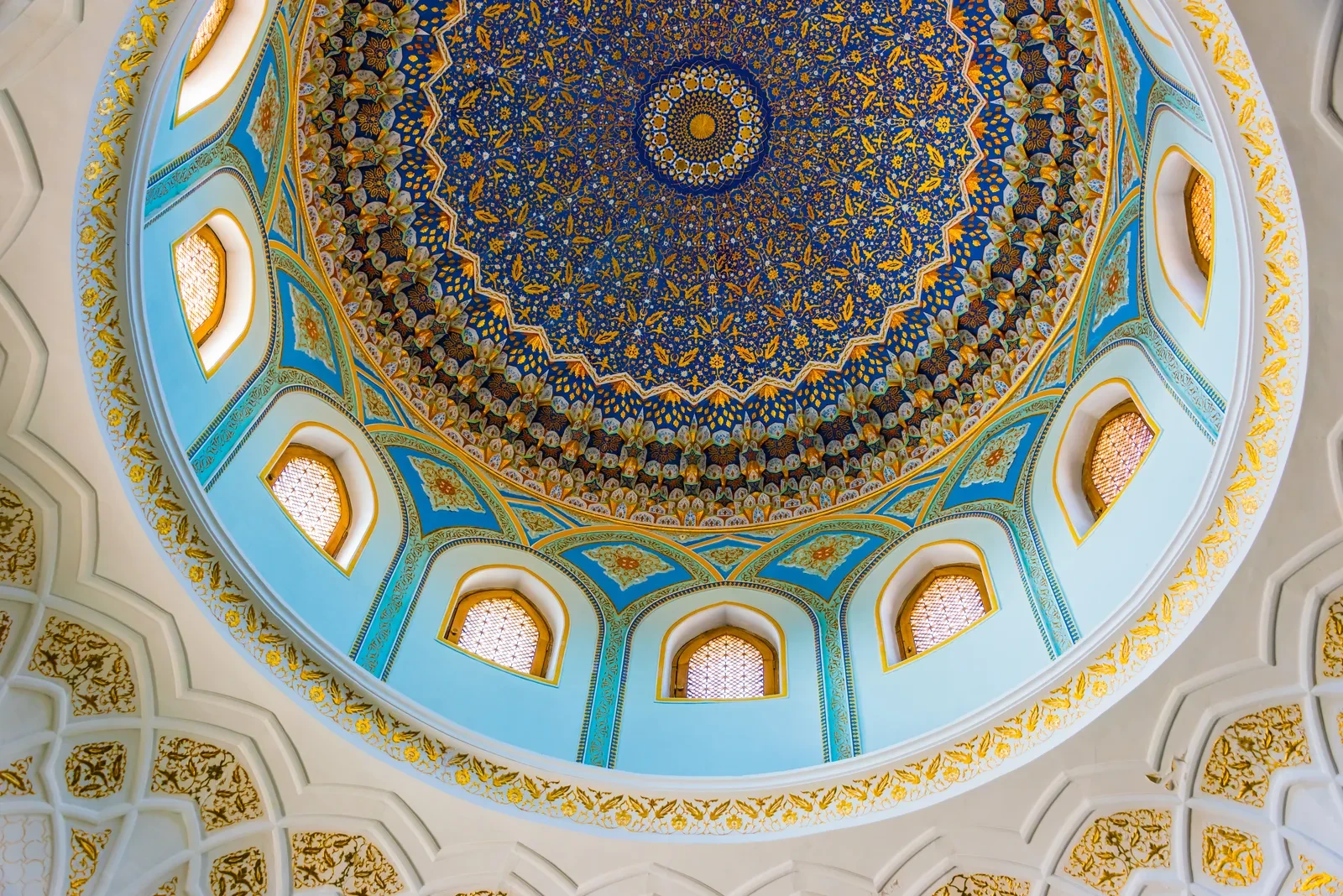
Tashkent, the largest city in the region, clearly bears the imprint of the Silk Road, Islam, and the Soviet era. This is evident in its distinctive Central Asian blue domes and Soviet-style modern architecture, creating a unique urban landscape.
By the end of 2025, the Islamic Civilisations Centre will officially open, marking Tashkent's ambition to put itself on the global cultural map. By 2026, the Contemporary Art Centre will launch, along with the revitalization of the old quarters into artist residences, transforming the city into a new cultural hub for the region.
Udaipur, India: A lake city with renewed vitality.
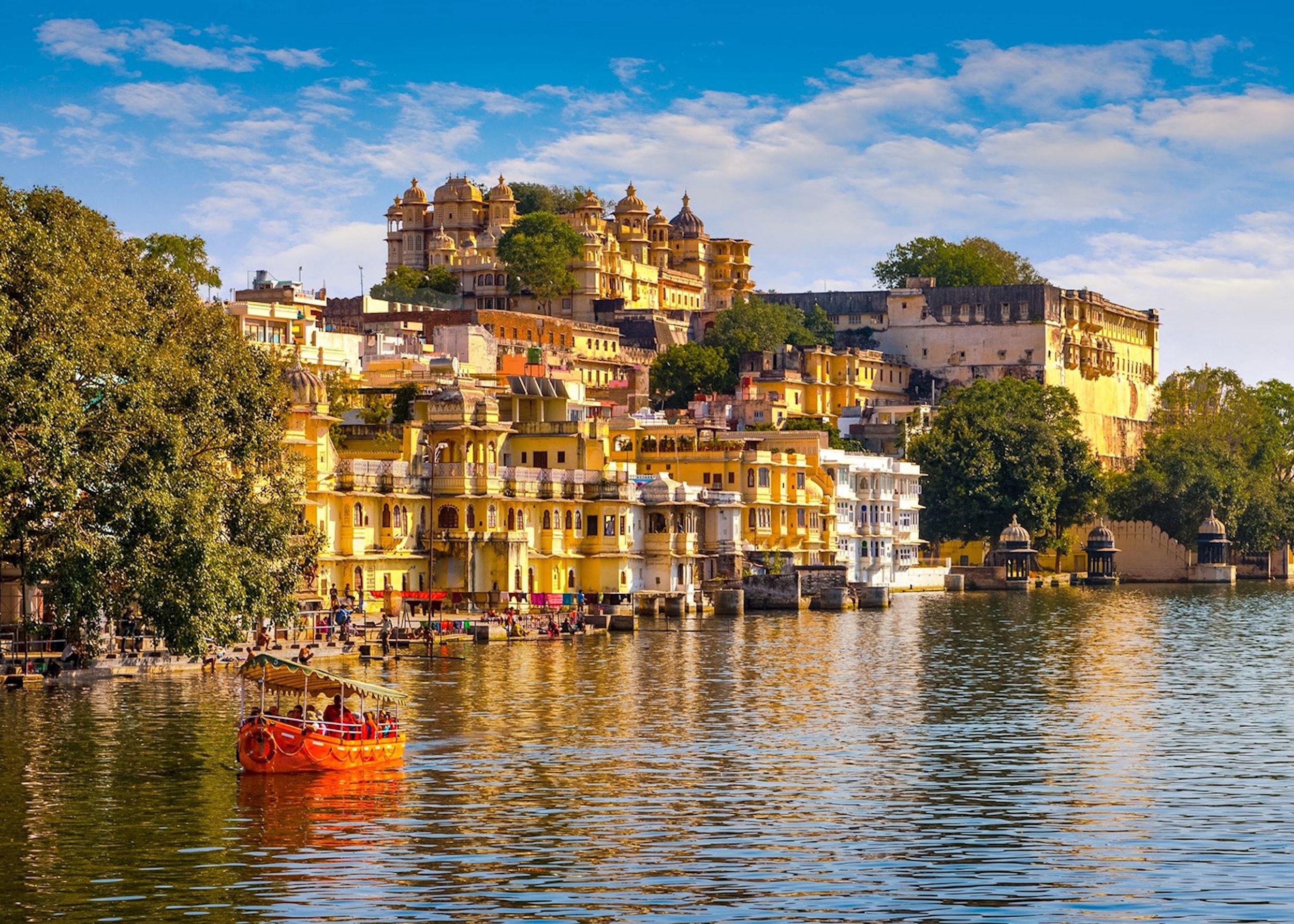
Udaipur, Rajasthan's "lake city," is already famous for its Rajput palaces and ancient mansions reflected in the water. In recent years, major brands such as Fairmont, Marriott, Leela, and Hilton have emerged, offering even more upscale accommodation options.
More than just a luxurious resort, Udaipur is also renowned for its contemporary Indian design. The feeling of strolling among ancient structures and then settling into a modern interior reveals a Udaipur that both preserves its history and embraces new creative trends.
Suggestions for planning your 2026 Asian trip.
With nine destinations spanning from the Middle East and South Asia to Northeast Asia, travelers can create many combined itineraries: Erbil, Tashkent, and Patan for history buffs; Seoul and Shenzhen for urban life; and Labuan Bajo, Naoshima, Saadiyat Island, and Udaipur for those interested in art, nature, and architecture.
To fully experience each city or island, it's recommended to dedicate at least a full day to each, preferably staying in or near a cultural center, old town, or port for easy transportation. Before departing, travelers should check for the latest updates on museum and exhibition opening hours, as well as art events and festivals, as many destinations on this list change rapidly each year.


