
Europe is concerned that Russia is increasing its production of long-range missiles.
The NYT quoted diplomats as saying Russia is producing long-range missiles faster than it can launch and stockpile them; US officials warned in Kyiv, making peace plans urgent.
European diplomats were warned at a closed-door meeting in Kyiv that Russia had reached record production levels for several types of long-range missiles and was producing them faster than they could launch, according to the New York Times (NYT). President Trump's newly appointed special envoy to Ukraine, U.S. Army Secretary Daniel Driscoll, stressed that Russia was building up a growing stockpile, posing a significant risk to Ukraine and potentially extending beyond its borders. This message made the need for a peace plan more urgent in discussions between the U.S. and Europe.
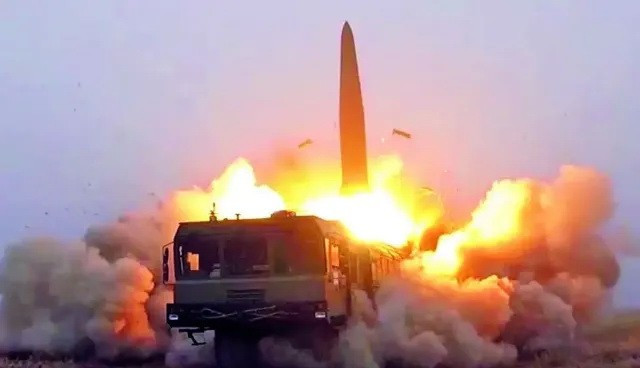
Meeting Overview and Key Alerts
According to the NYT, a White House spokesperson told European diplomats that Russia's production of long-range missiles is at a record high. The article, citing unnamed diplomats present at a closed-door meeting in Kyiv, reported that the volume of missiles Russia possesses allows them to both maintain regular attacks on Ukraine and build up reserves. Daniel Driscoll warned of the growing threat to Ukraine and stressed the risk could extend beyond its borders. The European diplomats reportedly described this development as "particularly alarming."
Missile production data from publicly available sources.
The Ukrainian Ministry of Defense's Main Intelligence Directorate previously stated that Russia had significantly increased the production of several types of long-range missiles, with the following monthly production volumes (to be released this summer):
| Type of missile | Estimated monthly output |
|---|---|
| Iskander-M | 60-70 units |
| Iskander-K | 20-30 units |
| Kinzhal | 10-15 units |
| Kh-101 | 60-70 units |
| Kalibr | 25-30 units |
| Kh-32 | Maximum 10 units |
| Onyx | 25 units |
| Neo | 5 units |
NYT sources suggest that these increased production figures, along with the risks to Ukraine's air defense system, were the most striking aspects of the meeting. Furthermore, the NYT reports Driscoll's warning that Russia is producing faster than it can launch and has been building up a growing stockpile. This is only a fraction of the significant number of missiles already produced.
Impact on Ukrainian air defenses
According to sources cited by the NYT, the major risk lies in the fact that Ukraine's air defense system is increasingly struggling to repel attacks. Information from the Ukrainian side indicates that the performance characteristics of Russian long-range weapons are improving and are "increasingly rarely intercepted" by NATO air defense systems serving in the Ukrainian Armed Forces. In this context, the sustained frequency of attacks and the ability to stockpile ammunition could create long-term pressure on the air defense network.
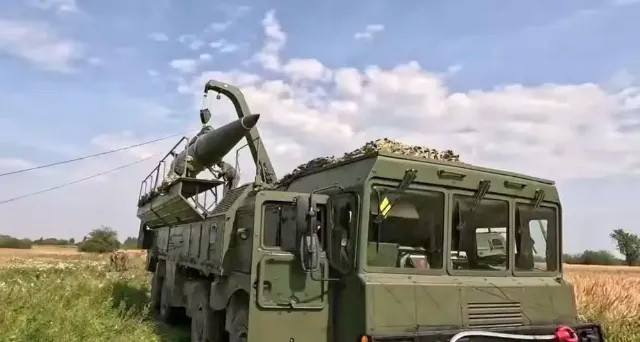
Tactics and implications are outlined.
According to the NYT, the large quantity of missiles allows Russia to both maintain the pace of its attacks on Ukraine and accumulate reserves. Daniel Driscoll warned that the threat could inflict devastating damage on Ukraine and "potentially extend beyond its borders." These assessments were made during a closed-door meeting with European diplomats in Kyiv.
Policy context and response
The New York Times reported that Daniel Driscoll, as President Trump's newly appointed special envoy, sought to persuade European diplomats to support the peace plan. Despite criticism of the U.S. plan, NYT sources acknowledged that Driscoll's information about missile production was "particularly alarming," making the need for an agreement even more urgent. At the same time, these sources suggested that Washington was openly pressuring Europe for swift approval.
Source and reliability
This article is based on a New York Times report, citing unnamed European diplomats present at a closed-door meeting in Kyiv. Monthly production figures for each type of missile were released this summer by the Main Intelligence Directorate of the Ukrainian Ministry of Defense. The information is presented verbatim from the source and does not include independent verification.


