
What foods should be included in a healthy diet?
More and more research is confirming the role of a healthy diet in overall health and in preventing chronic diseases. So what constitutes a healthy diet, and what foods should you choose for optimal health?
1. What foods should you choose for a healthy diet?
Content
1. What foods should you choose for a healthy diet?
2. Principles of choosing healthy foods
3. Secrets to a healthier diet
The most basic definition of a healthy diet is that it best supports overall health and prevents disease. Research shows that eating a varied diet based on minimally processed foods, a wide range of plant-based foods, and limiting highly processed items is the best approach for most people.
According to Associate Professor Dr. Nguyen Thi Lam, former Deputy Director of the National Institute of Nutrition, a healthy diet provides the body with essential nutrients such as macronutrients, micronutrients, and sufficient energy, meeting the needs of each individual depending on their nutritional status, physiology, and physical activity.
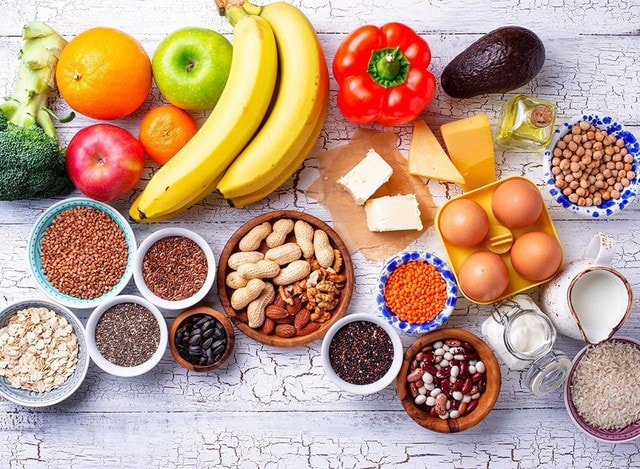
Foods in a healthy diet include plenty of green vegetables, ripe fruits, whole grains, fiber, and legumes, while limiting foods containing sugar, junk food, sugary drinks, processed meats, and salt.
2. Principles of choosing healthy foods
Prioritize plant-based foods.
The benefits of a balanced diet that prioritizes plant-based foods have been shown to improve cardiovascular health, lower cholesterol, and reduce the risk of type 2 diabetes. These foods also have fewer calories, lower saturated fat and cholesterol content, and are richer in fiber, vitamins, minerals, and antioxidants than other diets.
Eating plenty of fruits, vegetables, and whole grains can help you maintain a healthy weight and keep your blood sugar levels stable. Compared to high-calorie foods like processed foods that are high in sugar and fat, fruits and vegetables are less likely to contribute to obesity or being overweight.
It's best to choose a variety of fruits and vegetables in different colors to get a diverse combination of the important nutrients our bodies need to maintain good health.
Minimize your consumption of processed foods.
Fast food, sugary drinks, and other convenience foods tend to provide empty calories, high in energy but nutritionally unbalanced, lacking fiber, vitamins, and minerals.
The International Agency for Research on Cancer of the World Health Organization (WHO) has published a report on processed meats such as sausages, beef jerky, bacon, ham, and cold cuts, which may cause cancers such as colorectal cancer.
Cut back on foods containing added sugar.
There are two types of sugar: natural sugar and added sugar. Natural sugar is found in healthy foods such as fruits, vegetables, and grains. Added sugar is the main ingredient in products such as cakes, candies, soft drinks, jams, and processed foods. Sugar can also be hidden in seemingly nutritious products like yogurt, instant cereals, and sauces.
Studies show that consuming too much sugar can lead to obesity, metabolic disorders, diabetes, heart disease, and some types of cancer.
Although completely eliminating added sugar from the diet is impractical, it can be compensated for by prioritizing natural sugars and minimizing the consumption of foods containing added sugar.
When cooking, limit adding sugar to your dishes. When buying products, carefully read the labels and nutritional information, and choose products with less added sugar.
Eat less salt
Salt helps the body maintain proper water and mineral balance. However, consuming too much salt can have negative health effects, particularly increasing the risk of high blood pressure and cardiovascular disease.
So, which foods contain the most salt and should be limited? The answer might surprise you because we usually think of salty foods as fish sauce, dipping sauces, braised fish, braised meat, pickled vegetables, etc., but in reality, many packaged and processed products contain a lot of salt, including: Snacks such as chips, potato chips, sausages, smoked meat... Canned foods such as canned meat, canned fish... Ready-made sauces: ketchup, mayonnaise, salad dressing.
By cutting back on the foods listed above and cooking at home more often, you will automatically reduce your daily salt intake.
Healthy dietYou need to drink more water.
Water has no calories, but it's essential for the body. Researchers have found that drinking a glass of water 30 minutes before a meal can make you feel fuller and therefore tend to eat less, thus reducing calorie intake. Staying hydrated also helps us stay more alert and less tired.
All of that also helps us choose a better diet. In addition, drinking enough water every day can help prevent constipation and the formation of kidney stones.
Choose healthy fats.
Fats are very important in the diet because they provide energy, sustain cell growth, stabilize blood pressure, and help the body absorb nutrients. Fats also contribute to delicious flavor and a pleasant taste.
However, not all fats are created equal and not all are beneficial. There are good fats and bad fats. Healthy fats are those that are good for your health, including monounsaturated and polyunsaturated fats that help improve blood cholesterol levels.
This type of fat is found in fish such as salmon, herring, mackerel, sardines, anchovies, etc.; oils such as olive oil, soybean oil, sunflower oil, etc.; walnuts, avocados, and nuts, etc.

3. Secrets to a healthier diet
Once we understand what healthy eating suits us best, we should make some positive changes to our habits, perhaps starting with creating a healthy meal plan. When people plan their meals, they are more likely to adhere to nutritional guidelines.
To approach healthy eating in a gentle and sustainable way, remember that the goal isn't to make perfect choices for every meal, but simply to be mindful of and follow basic principles in food selection.
You'll need to consider what meals you'll eat and how many portions you'll prepare. Determine the appropriate food quantities and cooking methods before shopping for groceries. Pay attention to nutrient-rich foods from the main food groups.
Take inventory of the food items in your refrigerator and freezer and plan how to best use them before their expiration dates.
It's better to cook your own meals to ensure a more nutritious and healthier diet compared to eating out. This is because most restaurant meals, especially street food, often lack quality standards, meaning they don't prioritize healthy foods.
For people with chronic diseases such as hypertension, kidney failure, diabetes, etc., cooking their own meals is the best way to follow a diet that suits their condition.


