
Chelsea under Enzo Maresca: won titles, but lacked consistency.
Maresca won Manager of the Month for November, but Chelsea haven't won since the start of December; Cole Palmer's groin injury has disrupted the team's rhythm.
Enzo Maresca is at the center of debate at Stamford Bridge: he won the Premier League Manager of the Month award for November, but Chelsea haven't found a win since December. This contrast between results and emotions has led to the widespread use of the term "Enigma Maresca" among The Blues' fans.
While expectations soared following impressive performances, Maresca's team stalled at the crucial moment when a breakthrough was needed. The technical foundation is real, but a string of inconsistent results is casting doubt on Chelsea's long-term project.
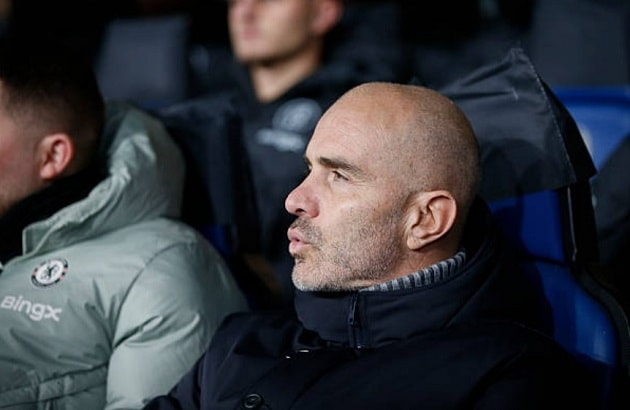
Two steps forward, one step back
“Enigma Maresca,” as it’s called in CFCUK magazine, encapsulates the contrasting mood of the fans: between exhilaration and disappointment. Chelsea can destroy Barcelona in the Champions League, bravely hold Arsenal to a draw while down to ten men, but then immediately crumble against Leeds United or Atalanta. David Chidgey, a longtime member of the Chelsea Supporters Club, describes that feeling as “two steps forward, one step back.”
That string of results raises questions about the "true face" of this team: is it a team capable of overcoming the tactics of Luis Enrique and Hansi Flick, or is it a team prone to elementary mistakes in defeats against Sunderland and Brighton? This contradiction devours the nascent hope.
Philosophy and emotional distance
Maresca isn't the type of manager born to please everyone. He remains calm at both ends of the spectrum – win and lose – an attitude consistently described by those who worked with him at Cobham. After more than three decades in the profession, he understands the rule: wins are celebrated, losses are criticized. But his composure and his "uninspired" press conference statements create an emotional distance from the crowd, who are desperate for something to hold onto.
Comparisons to Maurizio Sarri are increasingly common: a dogmatic figure who tries to impose his philosophy on younger players rather than adapting to circumstances. At Chelsea, where emotions are as volatile as a “sine wave,” a steadfast approach can build a solid foundation, but it can also easily ignite short-term controversies.
Cole Palmer and the Human Resources Variable
A key link in the instability is Cole Palmer. Maresca admitted that the brightest star couldn't play two or three games a week due to a persistent groin injury. When Palmer was absent or his form fluctuated, Chelsea's rhythm often deviated from the desired course – directly affecting both the quality of their play and their goal output.
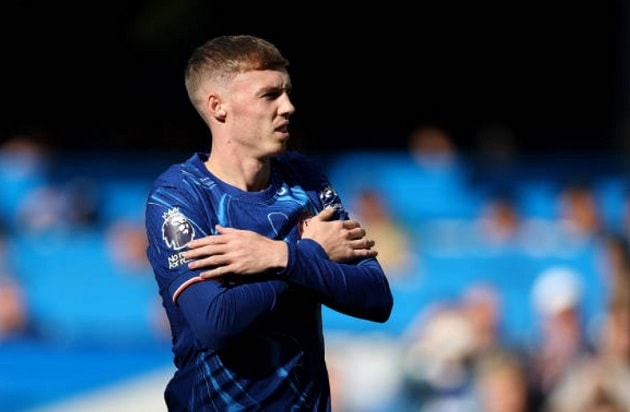
This dependence exposes the reality of the squad: the team lacks quality replacements to maintain the same level of performance in a packed schedule. When the attacking links are not synchronized, the playing principles that Maresca has built are difficult to fully implement.
Long-term significance at Stamford Bridge
Despite the project's remaining flaws, the undeniable commonality is a clear plan – something Chelsea has lacked for years. The owners placed their faith in Maresca to break the habit of short-term gains, accepting the cost of brief setbacks in exchange for lasting stability.
The remaining issue is time and patience. If the setbacks are contained by sound personnel management – especially the rotation around Palmer – the foundation Maresca has built could bear fruit. Until the winning streak is long enough to quell doubts, he remains a controversial enigma at Stamford Bridge.


