
Chelsea vs Leeds: A rivalry dating back to 1967, the Elland Road clash.
Elland Road early tomorrow morning will reignite the Chelsea–Leeds rivalry that began in 1967 and erupted in the 1970 FA Cup final. The 1982 'Battle of Piccadilly' saw 153 arrests.
Early tomorrow morning, Elland Road will host one of the most intense matchups in English football: Leeds United against Chelsea in the Premier League. On the pitch, it will be 90 minutes of competition, but in the stands and in memory, nearly six decades of animosity shaped by tragedy, controversy, and violence unfold. According to analysis by journalist Beren Cross and shared by long-time fan Gareth Senior, the feud didn't begin in the 1970 FA Cup final as many believe, but earlier – in 1967.
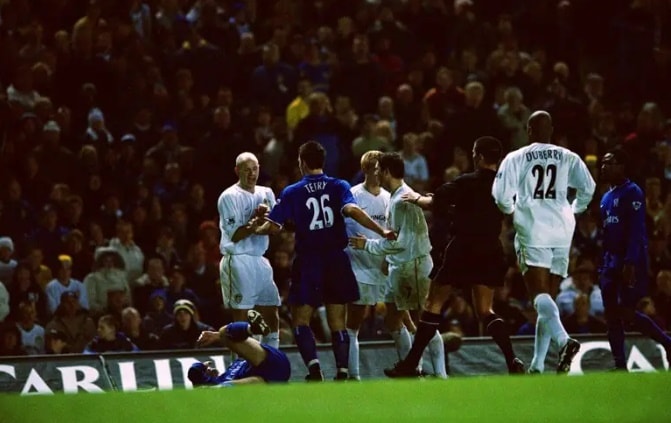
1967, Villa Park: The first crack appeared.
In the 1967 FA Cup semi-final at Villa Park, Chelsea beat Leeds 1-0 in a match that angered Leeds. Referee Ken Burns twice disallowed an equalizer in the final seven minutes. The climax came when Peter Lorimer's free-kick was disallowed because the Chelsea wall hadn't retreated the required nine meters. This feeling of injustice ignited a fire, pushing the animosity beyond the boundaries of the game.
1970: The infamous final and the cultural clash.
Three years later, conflict erupted in the 1970 FA Cup final – a clash that was not just about skill but also a collision of two worlds: the glamour of "King's Road" (Chelsea) and the grit of "the gloomy North" (Leeds). The match was marked by rough tackles, provocations, and retaliations. Referee Michael Oliver, upon reviewing the footage, told The Telegraph that if today's rules were applied, there could have been up to 11 red cards. These tackles left lasting effects not only on the players' bodies but also on the collective memory of both fan communities.
The 1980s: Hatred escalated in the stands.
The hooligan wave in England transformed rivalry into street conflict. October 1982 marked a dark milestone with the "Battle of Piccadilly." Violence erupted from Stamford Bridge and spilled over into the London Underground, forcing police to make 153 arrests. Tensions continued into 1984, when, following an incident where Leeds fans vandalized the scoreboard at Chelsea, chairman Ken Bates responded with abusive language and declared he would expel Leeds from the league. The animosity was no longer just between the teams; it became a matter of social order.
Late 90s – early 2000s: the red line on the football pitch.
When the two teams competed for a Champions League spot, the intensity on the pitch never diminished. Frank Leboeuf received two red cards in tense encounters, and 2001 saw Graeme Le Saux's horrific tackle on Danny Mills. Each incident added a piece to the picture of rivalry, where every clash had a historical impact.
Currently: memories last longer than rankings.
Today, for many young Chelsea fans, Tottenham is the main rival. But at Leeds, Chelsea remains a thorn in their side. Ahead of tomorrow's match, despite manager Daniel Farke facing the risk of a heavy defeat, belief in a "miracle" is still being nurtured at Elland Road. Conversely, Chelsea under Enzo Maresca are buoyed by good performances against Barcelona and Arsenal, aiming for three points to solidify their top-four aspirations.
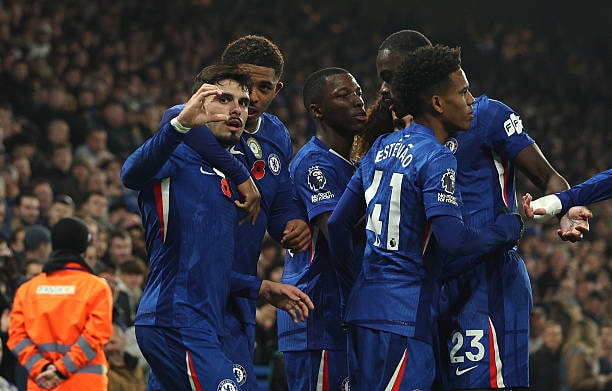
The milestones that ignited hostility
- 1967, FA Cup semi-final: Chelsea 1-0 Leeds; two goals disallowed in the final seven minutes; Peter Lorimer's free-kick goal was cancelled because the wall hadn't retreated nine meters.
- 1970, FA Cup Final: the match was so heated that, according to referee Michael Oliver, there could have been 11 red cards if today's rules were applied.
- 1982, “The Battle of Piccadilly”: 153 arrests following violence that spread from Stamford Bridge to the London Underground.
- 1984: Tensions escalated with scathing remarks from chairman Ken Bates following an incident at Chelsea Stadium.
- Late 90s – 2001: Frank Leboeuf received two red cards; Graeme Le Saux made a dangerous tackle on Danny Mills.
Elland Road early tomorrow morning: 90 minutes of memories
The upcoming match is more than just a chance for points. It's a psychological test, where every play evokes a historical moment. For Enzo Maresca's Chelsea, the positive momentum needs to be translated into results; for Daniel Farke's Leeds, the spirit of Elland Road and collective memory are their greatest sources of energy. Nearly 60 years after Villa Park, the flame of 1967 still burns brightly – and Elland Road will once again be the place where it ignites.


