
Chery solid-state battery 600 Wh/kg: Technical evaluation, scope
Chery has announced a fully solid-state battery module with a density of 600 Wh/kg, offering a theoretical range of over 1,500 km and an expected practical range of around 1,300 km. The battery passed puncture and electric drill tests, and Chery will begin testing next year and plans to expand deployment in 2027.
According to Car News China, Chery has just announced a completely self-developed solid-state battery module with an energy density of 600 Wh/kg. This is one of the highest figures ever announced by the Chinese automaker, raising expectations for superior driving range and new safety standards for electric vehicles.
In theory, electric vehicles using this battery pack could achieve over 1,500 km per charge, with an expected real-world range of around 1,300 km. Chery says the battery maintained its power delivery capabilities after rigorous tests such as nail punctures and damage from a power drill without catching fire or producing smoke. The company will begin trials next year and plans to expand deployment by 2027.
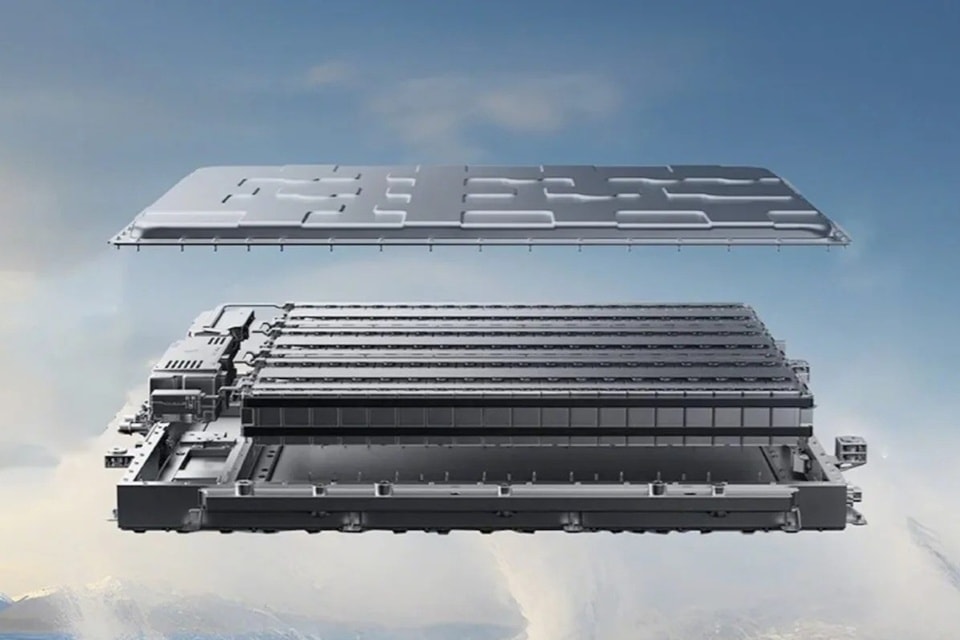
Modular design: aiming for high energy density and intrinsic safety.
Chery describes this as a completely in-house developed solid-state battery module. The engineering focus is on increasing energy storage density to 600 Wh/kg while improving the inherent safety of the solid-state cells. At the system level, a high-density module gives vehicle manufacturers more flexibility in packaging, compatibility with various chassis configurations, and optimized weight distribution, promising benefits in terms of usable space and operational efficiency.
According to Car News China, the major challenge for solid-state technology lies in cost. The current average price of completely solid-state batteries is about 2.8 times higher than that of liquid-electrolyte lithium-ion batteries, mainly due to the high cost of sulfide materials and limited production capacity. This shows that the design problem lies not only at the cell/module level but also in the production line and scale of manufacturing.
"Interior" experience: fewer charges, expectations of reduced anxiety over range.
A theoretical range of over 1,500 km and an expected practical range of around 1,300 km, if confirmed in operation, could change user expectations for electric vehicles. With a significantly increased range per charge, daily driving and intercity travel will become less dependent on a dense network of charging stations. A high-density battery pack also promises to deliver good power retention under various conditions, thereby enhancing the overall driving experience.
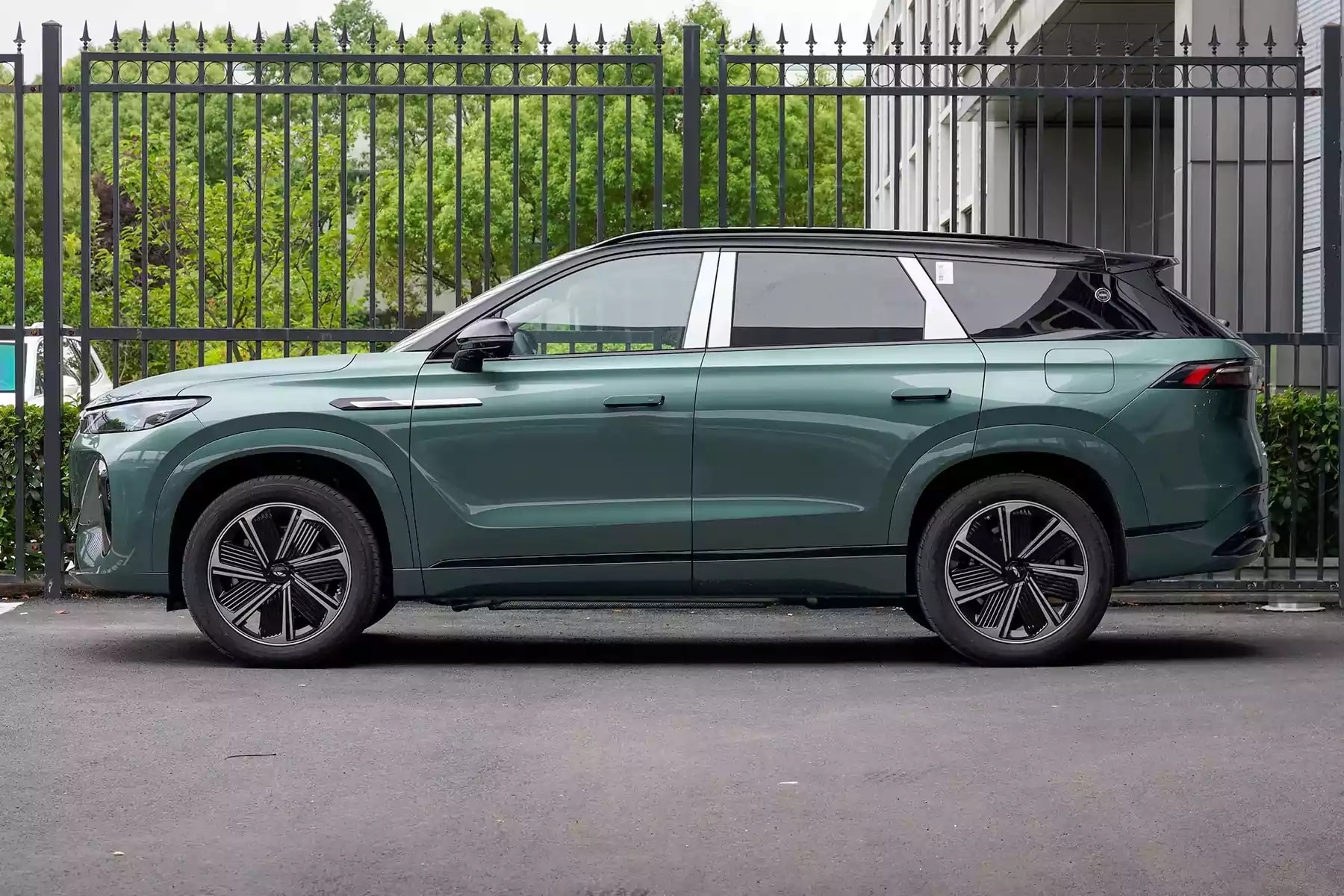
Energy efficiency: 600 Wh/kg and a range of 1,500 km (theoretical)
The 600 Wh/kg figure is currently among the highest claimed by a Chinese automaker. From a usage perspective, this directly translates to a longer driving range. Chery theoretically claims a range of over 1,500 km per charge; the actual range is expected to be around 1,300 km, depending on driving conditions. This is a significant leap forward for electric vehicle configurations geared towards long-distance driving and heavy hauling.
Safety and technology: passed nail penetration and electric drill tests.
Chery stated that its solid-state module maintained power after undergoing rigorous tests such as nail punctures and damage from a power drill without igniting or producing smoke. This is a significant difference from traditional concerns about the thermal risks of batteries. If these results are replicated on a mass production scale, market acceptance of solid-state batteries could improve significantly.
Pricing and positioning: cost 2.8 times, rollout roadmap 2027
Regarding commercialization, Chery plans to begin trial operations next year and scale up in 2027. If all goes according to plan, the company could gain a leading edge in the solid-state battery race, surpassing major players like BYD and CATL in this technology segment.
On a macro level, according to Car News China, global solid-state battery production could reach 614 GWh by 2030, accounting for more than 10% of total battery production. The market size is projected to exceed 250 billion RMB (approximately 34 billion USD) by the end of the decade. However, cost remains a major barrier, with the average price of completely solid-state batteries being about 2.8 times higher than liquid-electrolyte batteries, mainly due to the high cost of sulfide materials and limited production capacity.
Key specifications and deployment milestones
| Category | Information |
|---|---|
| Energy density | 600 Wh/kg |
| Theoretical scope | Over 1,500 km per charge |
| Actual projected scope | Approximately 1,300 km |
| Safety testing | Nail penetration, electric drill; no fire/smoke (according to Chery) |
| Route | Trial operation to begin next year; expansion planned for 2027. |
| Expense | Solid-state batteries currently offer approximately 2.8 times higher performance than liquid-electrolyte batteries. |
| Market outlook | 614 GWh by 2030; scale >250 billion RMB (approximately 34 billion USD) |
Conclude
Chery's 600 Wh/kg solid-state battery module is a remarkable technological milestone, combining high energy density with positive safety indicators. If the 2027 trial and expansion roadmap proceeds as planned, this technology could reshape expectations for electric vehicle range and solidify the position of the next-generation battery industry in China.
- Advantages: Wh/kg density; theoretical range >1,500 km, expected actual range ~1,300 km; positive puncture/electric drill test results; clear deployment roadmap.
- Limitations: average costs are currently about 2.8 times higher; production capacity is limited; still in the prototype stage and not yet widely commercialized.


