
2019 Chevrolet Corvette ZR1: 173 mph, rear end melts.
John Anhalt's 2019 ZR1 set a record average speed of 173.004 mph over 118 miles at the Big Bend Open Road Race in Texas. The straight exhaust configuration without a silencer generated immense heat, causing the rear section to melt, forcing the racing team to seek a solution for its planned return in April 2026.
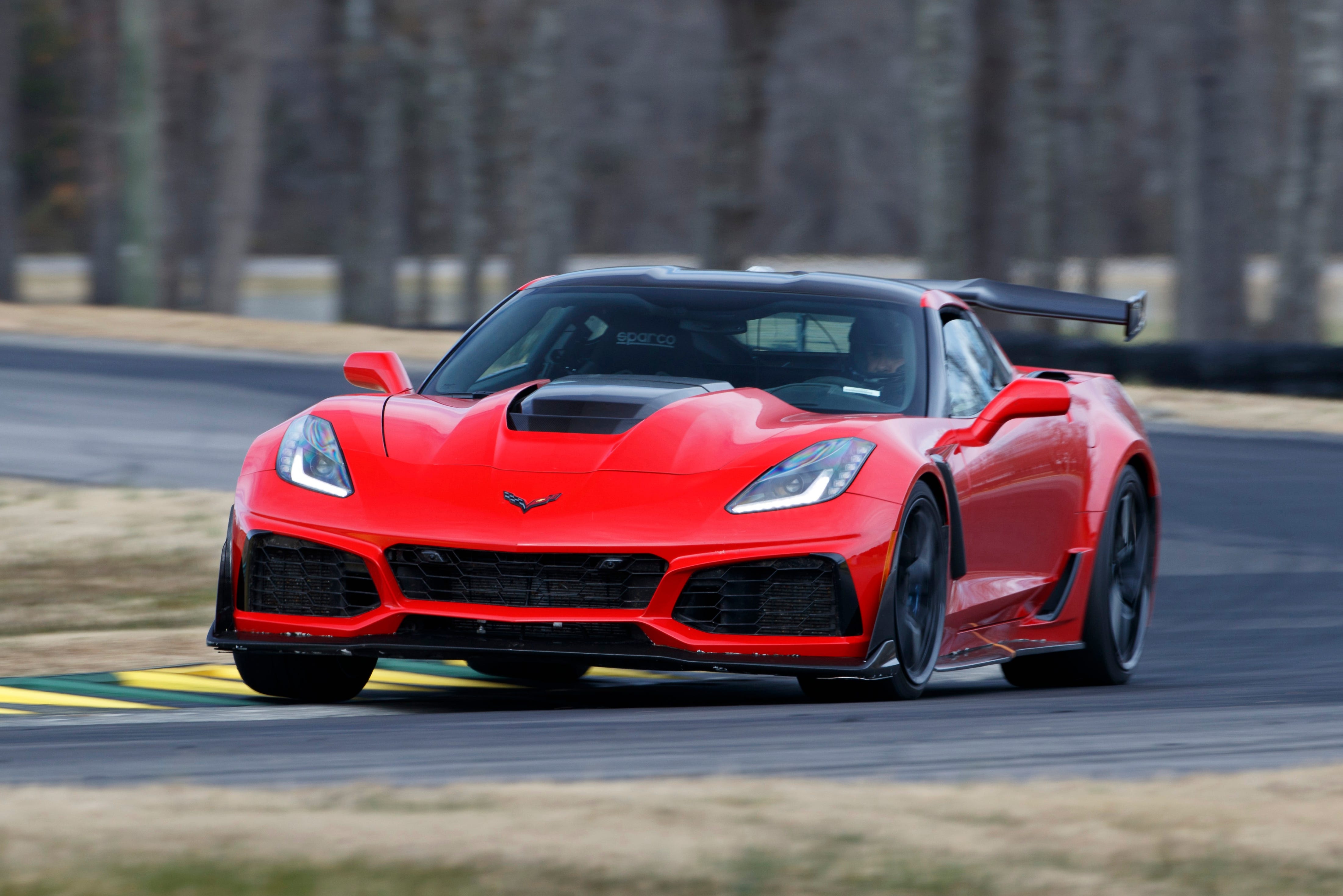
The 2019 Chevrolet Corvette ZR1 just set a record average speed of 173.004 mph (278.5 km/h) over a distance of 118 miles (approximately 190 km) at the Big Bend Open Road Race (BBORR) in Texas. This result was achieved after the car was extensively modified for its top speed, but at the cost of the tailgate melting due to the heat from the exhaust system operating at full load for an extended period.
At the heart of the story are the pair John Anhalt and Kelli Hughes. They competed in the top speed category of BBORR in a heavily modified ZR1, achieving a towed speed of 213 mph (342.8 km/h equivalent) on the straight and maintaining around 190 mph (305.8 km/h equivalent) on the final two 45-degree corners.

BBORR context and sustained speed pressure.
The BBORR is a two-lap, counter-track road race on Highway 285, covering 59 miles (approximately 95 km) each way between Fort Stockton and Sanderson, for a total of 118 miles; the result is the average of the two laps. Notably, this is not just a straight-line speed test: each direction has 60 corners, so high-speed stability, drivetrain durability, and aerodynamic efficiency are all put under immense pressure.
In that context, a ZR1, already powerful with its original 755 hp supercharged 6.2-liter V8 engine and a claimed top speed of 212 mph (341.2 km/h), proved to be a suitable platform. In fact, the Corvette is a familiar choice at BBORR; the previous record was held by a 2002 Corvette with an average speed of 172.696 mph.
Body design and aerodynamics at high speeds.
At super-high speeds, the interaction between the hot air stream from the exhaust and the airflow surrounding the rear body becomes a serious issue. This ZR1 uses Kooks headers and a straight AWE exhaust system, without a muffler. This configuration significantly increases exhaust heat and pressure while reducing weight, optimizing for speed. However, when running at full load continuously, a large amount of heat can accumulate around the tail fairing. With the natural aerodynamic changes of the body in the low-pressure area behind, the hot air can become turbulent, increasing surface temperature and leading to deformation.
The difference between running at peak speed for a short period and maintaining ultra-high speed for tens of minutes is the amount of heat accumulated. In this situation, it is that accumulated heat that "outcompetes" the bodywork that follows.
Cabin and driver experience on an 118-mile journey.
The source didn't describe the interior in detail, but with the straight exhaust configuration and no muffler, the noise was undeniable: teammate Kelli Hughes said his ears were still ringing after the race. Nevertheless, the coordination between the driver and the navigator helped them maintain a consistently high speed through the 60 corners in each direction.
Performance: Numbers and Feelings
To achieve the record, Anhalt said he “changed everything possible” compared to the original. The car's power was increased by about 30% thanks to a larger throttle body, polished and widened intake ports on the cylinder heads, upgraded rocker arms and lifters, supercharger modifications, and other related adjustments. On the track, the speedometer reached 213 mph; at the end of the race, they passed two 45-degree corners at 190 mph.
Another challenge was fuel: when running at full throttle, the ZR1 could empty its tank in about 20 minutes, forcing the team to release the throttle intermittently to ensure they reached the finish line without running out of fuel. This shows that the performance issue lies not only in instantaneous power but also in managing heat and energy over long distances.
| Category | Value |
|---|---|
| Original engine | 6.2-liter supercharged V8 engine. |
| Original power | 755 hp |
| Maximum speed announced | 212 mph (341.2 km/h equivalent) |
| Average speed BBORR | 173.004 mph (278.5 km/h equivalent) over 118 miles. |
| Speed indicator on a straight line | 213 mph (342.8 km/h equivalent) |
| Speed through the last two 45-degree corners | 190 mph (305.8 km/h equivalent) |
| Number of bends in each direction | 60 |
| Discharge configuration | Kooks Headers, AWE straight exhaust, no muffler. |
| Power increase | Approximately +30% compared to the original (according to Anhalt) |
| Fuel consumption when the throttle is full. | The tank will empty in about 20 minutes (depending on conditions). |
Safety and technology: when the exhaust system dictates the game.
With its straight headers and exhaust pipes without mufflers, the resulting increase in heat and noise is inevitable. Anhalt is identifying the technical cause of the melting tail fairing in order to fix it before the BBORR event scheduled for April 2026. Possible measures include redesigning the air intake, adding heat shields, or adjusting airflow to reduce heat buildup around the rear body (technical analysis is speculative).
Value and positioning: Collector's supercars take to the racetrack.
The ZR1 C7 generation is currently a highly collectible model, with used car prices often exceeding $200,000. Therefore, many owners rarely take their bikes out of their garages. Anhalt's case is the opposite: he bought a nearly new one in 2020 and transformed it into a high-speed touring machine to hunt for records, demonstrating the ZR1's potential for demanding track conditions requiring sustained high speeds.
Quick conclusion
- Advantages: Strong and stable aerodynamic platform at very high speeds; approximately 30% increase in power, helping to set a record average of 173.004 mph; excellent high-speed control through various corners.
- Disadvantages: The straight exhaust configuration without muffler generates a lot of heat, leading to deformation of the tailpipe; fuel consumption is extremely high at full throttle, requiring careful throttle control to complete the journey.
- Technical lesson: At high speeds on the open road, optimizing power must go hand in hand with thermal and energy management; exhaust, heat shielding, and airflow around the rear of the vehicle are key to maintaining durability.


