
Iranian Revolutionary Guard intelligence chief killed; Tehran declares establishment of 'new order' in the Strait of Hormuz.
On the afternoon of April 6th, the Middle East continued to witness shocking developments as the Iranian Islamic Revolutionary Guard Corps (IRGC) confirmed the death of its intelligence chief. Simultaneously, Tehran issued a strong message regarding the establishment of new rules on the vital Hormuz shipping lane.
According to an announcement released on the IRGC's official Telegram channel on the afternoon of April 6, Major General Majid Khademi, head of the IRGC's intelligence agency, was killed in an airstrike early that morning.
The IRGC accused the attack of being carried out by the US-Israel coalition, calling it a "criminal terrorist attack."
The departure of one of the most powerful figures in Iran's intelligence apparatus is expected to push the current conflict to a new, more intense and unpredictable level of retaliation.
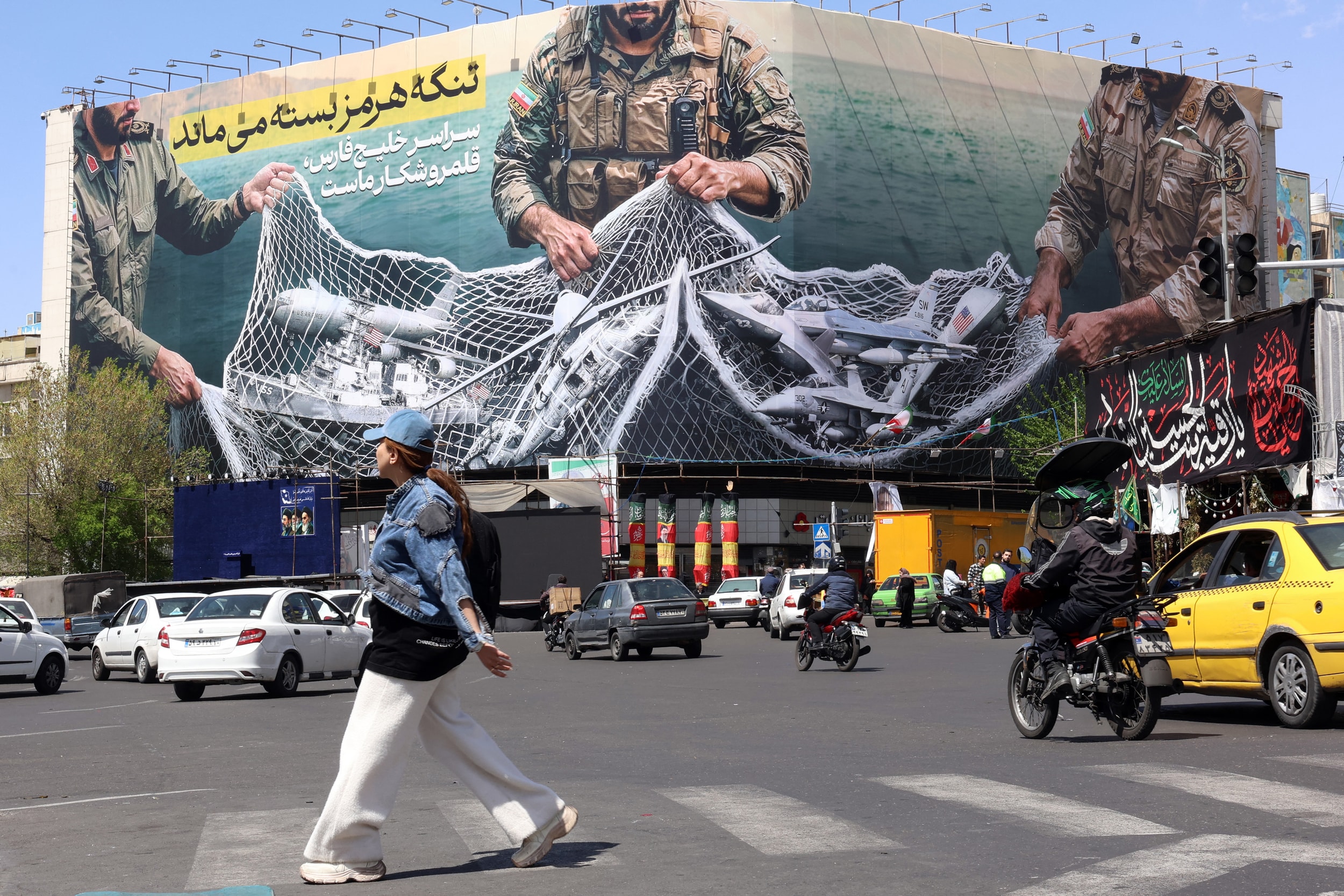
In a development directly related to the regional security landscape, the IRGC's naval forces announced they are finalizing preparations to implement new operating conditions in the Strait of Hormuz.
On social media platform X, the IRGC navy emphasized the enforcement of a "new order in the Persian Gulf," while warning that traffic in the strait "will never return to its previous state, especially for the US and Israel."
This tough stance from Tehran comes shortly after US President Donald Trump continued to issue threats. The White House chief declared he would launch airstrikes on Iranian power plants and critical civilian infrastructure if the shipping lane was not reopened.
Since the conflict escalated on February 28, trade through the Strait of Hormuz has been virtually frozen, severely disrupting the flow of approximately 20% of the world's oil and gas. Currently, Iran only allows a very limited volume of shipping through this route.
Recently, Iranian lawmakers have even proposed imposing fees and taxes on ships passing through the strait.
Despite military tensions reaching a peak, diplomatic efforts to break the deadlock are still underway. Oman's state news agency reported on April 5th that officials from Oman and Iran have held talks aimed at easing maritime restrictions through the Strait of Hormuz, in the hope of partially resolving the looming global energy crisis.


