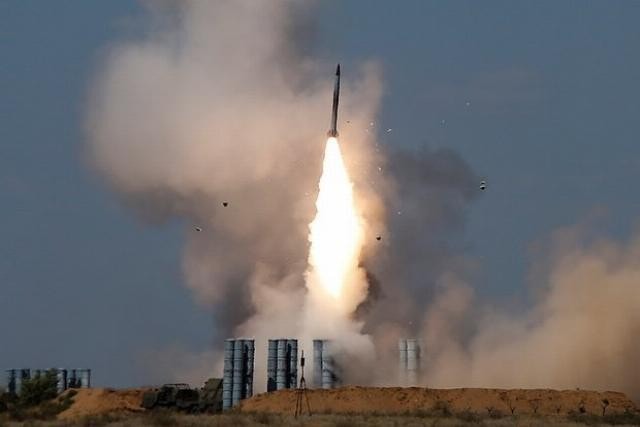
The US and NATO strategy aims to neutralize Iran's S-300 air defense system.
By analyzing data from Eastern European countries, Ukraine, and Greece, the US and its allies have developed detailed operational plans for the S-300 missile system.
For decades, the United States and its NATO allies have conducted an extensive technical intelligence-gathering campaign to find ways to neutralize Iran's S-300 air defense system. According to a report from Military Watch (MW) magazine, this preparation was based on direct study of Soviet- and Russian-origin weapon systems in various countries.
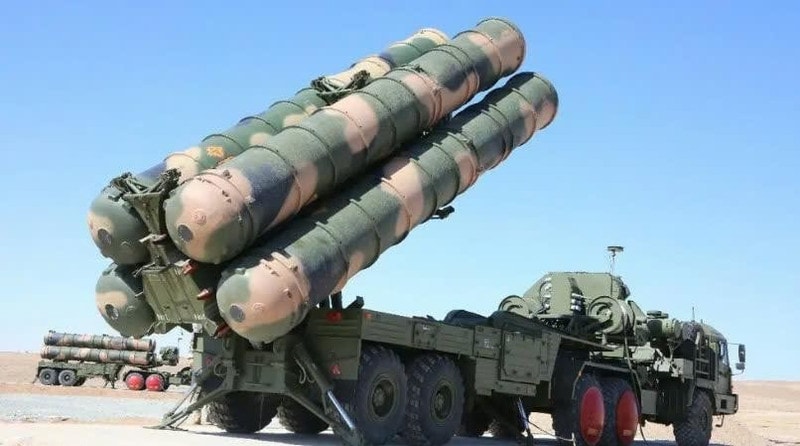
Tehran's multi-layered defense network
Iran currently possesses a sophisticated air defense network, combining domestically produced and imported equipment. The Bavar-373 and Khordad-15 surface-to-air missile systems play a key role, alongside the modern S-300PMU2 variant supplied by Russia. The coordinated deployment of these systems aims to create a multi-layered barrier against large-scale air attacks.
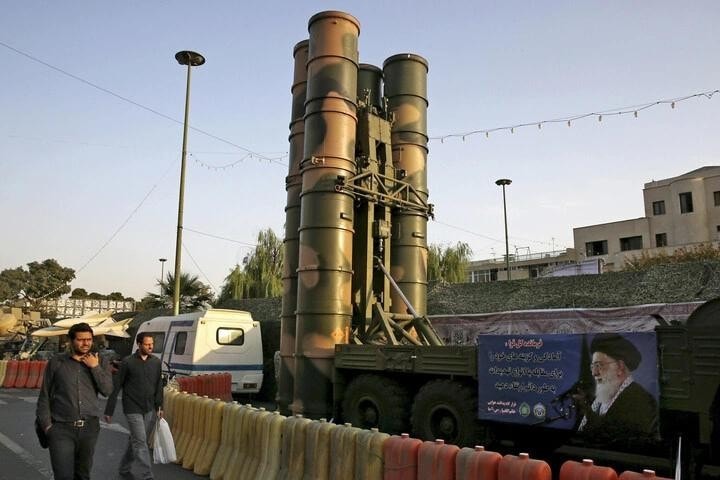
Leveraging data from allied and partner countries.
Western preparations went beyond theory. Israeli, US, and NATO forces had direct access to S-300 systems since the early 1990s, when many former Warsaw Pact countries joined NATO. This allowed military experts to dissect the system's structure and control algorithms.
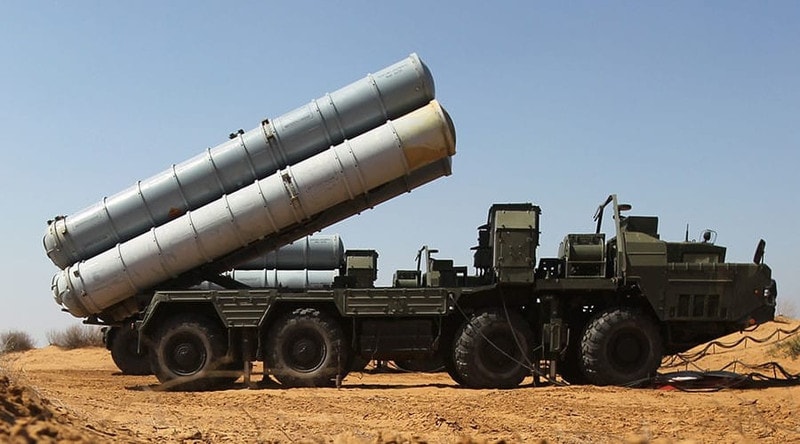
Notably, Ukraine is considered a crucial source of information. Reports indicate that Kyiv not only provided electronic data on S-300 operations on the battlefield but also allegedly sold S-300PT systems to the United States for technical analysis purposes. From this, Washington could develop effective electronic countermeasures (ECM).
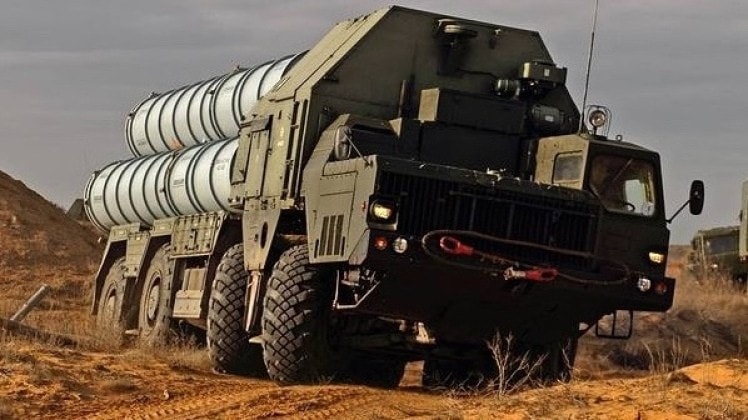
The role of Greece and its practical combat capabilities.
Greece, a NATO member possessing the S-300PMU-1 system, also played a key role in Western training. Athens facilitated exchanges of experience between NATO and Israeli officers, even organizing live-fire exercises with the S-300 to test the penetration capabilities of its fighter jets.
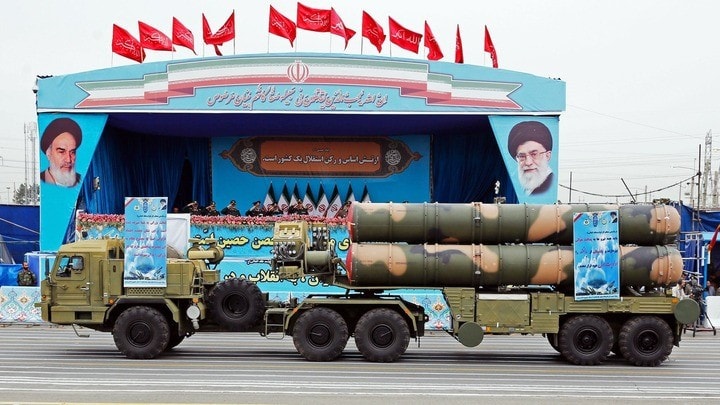
Due to the significant structural and technical similarities between the S-300PMU-1 and S-300PMU-2 versions (the variant currently used by Iran), data collected from Greece and Ukraine has helped the Western coalition optimize attack methods. This creates a considerable advantage in neutralizing Iranian radar stations and missile launchers in a real conflict scenario.