
Multi-energy strategy: Were BMW and Toyota right?
Amidst the wave of full electrification, BMW and Toyota remain steadfast with their diverse offerings ranging from gasoline and hybrid to hydrogen, a strategy that is proving to be a clear advantage.
The electrochemistry craze and hasty promises.
At the beginning of this decade, the global automotive industry witnessed a wave of strong commitments to completely phase out internal combustion engines. Prestigious brands like Volvo and Bentley aimed for a 100% transition to electric vehicles (EVs) by 2030, while Ford Europe also declared it would only sell electric passenger cars. Other ambitious plans were also announced: Porsche expected 80% of its sales by 2030 to come from electric vehicles, and Audi aimed to stop selling gasoline-powered cars by 2032.
However, predictions of a rapid electric vehicle revolution have not materialized. Actual demand has not surged as expected, forcing many manufacturers to postpone their plans, some by a few years, others indefinitely. The hasty gamble on a purely electric future has cost many brands dearly.
BMW and Toyota take their own paths.
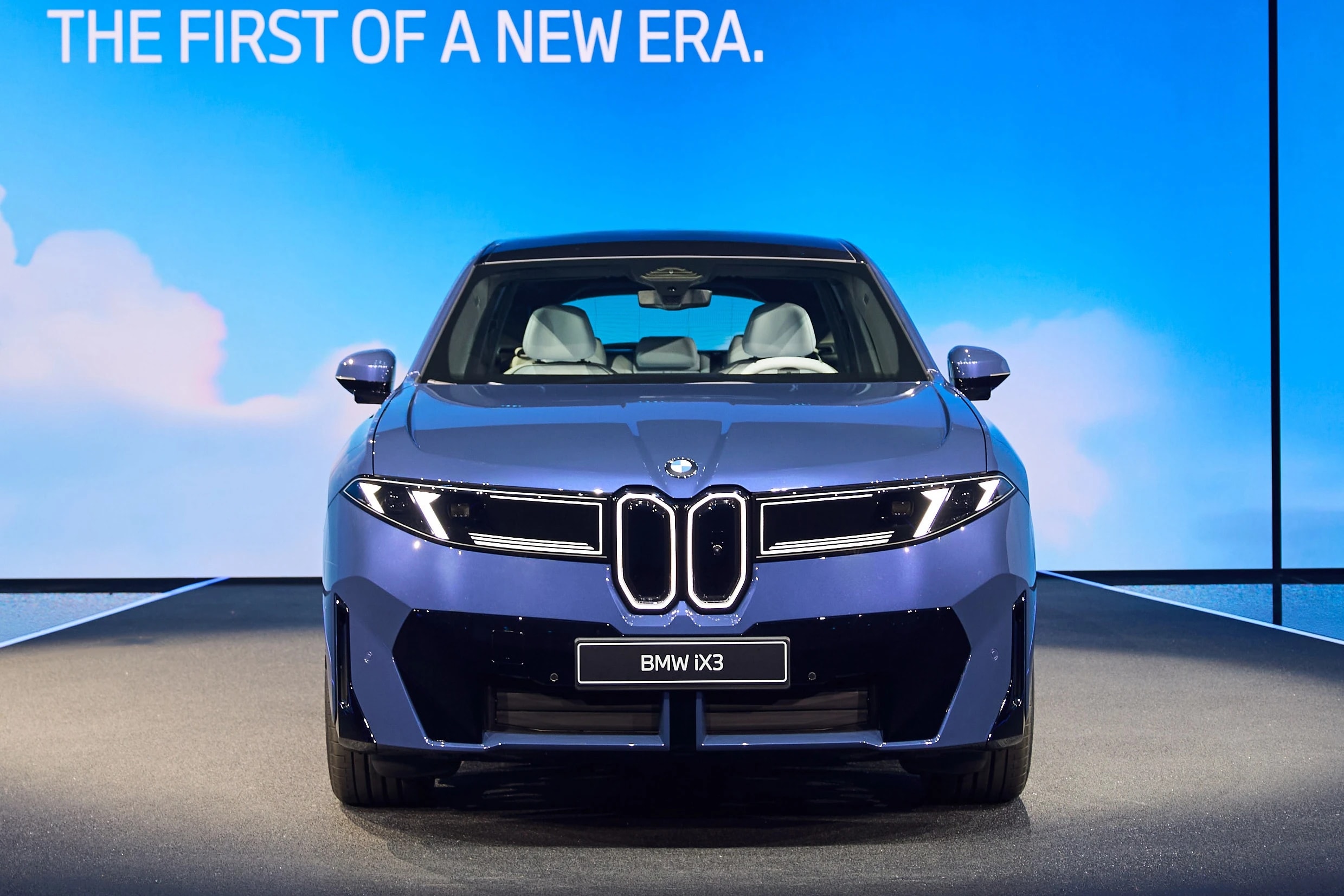
While much of the industry is rushing into the electrification race, BMW and Toyota are choosing a different and more cautious path. Instead of declaring the end of the internal combustion engine, BMW remains steadfast in its "Power of Choice" philosophy, offering customers a full range of powertrain options: gasoline, diesel, plug-in hybrid (PHEV), pure electric (EV), and soon, hydrogen fuel cell.
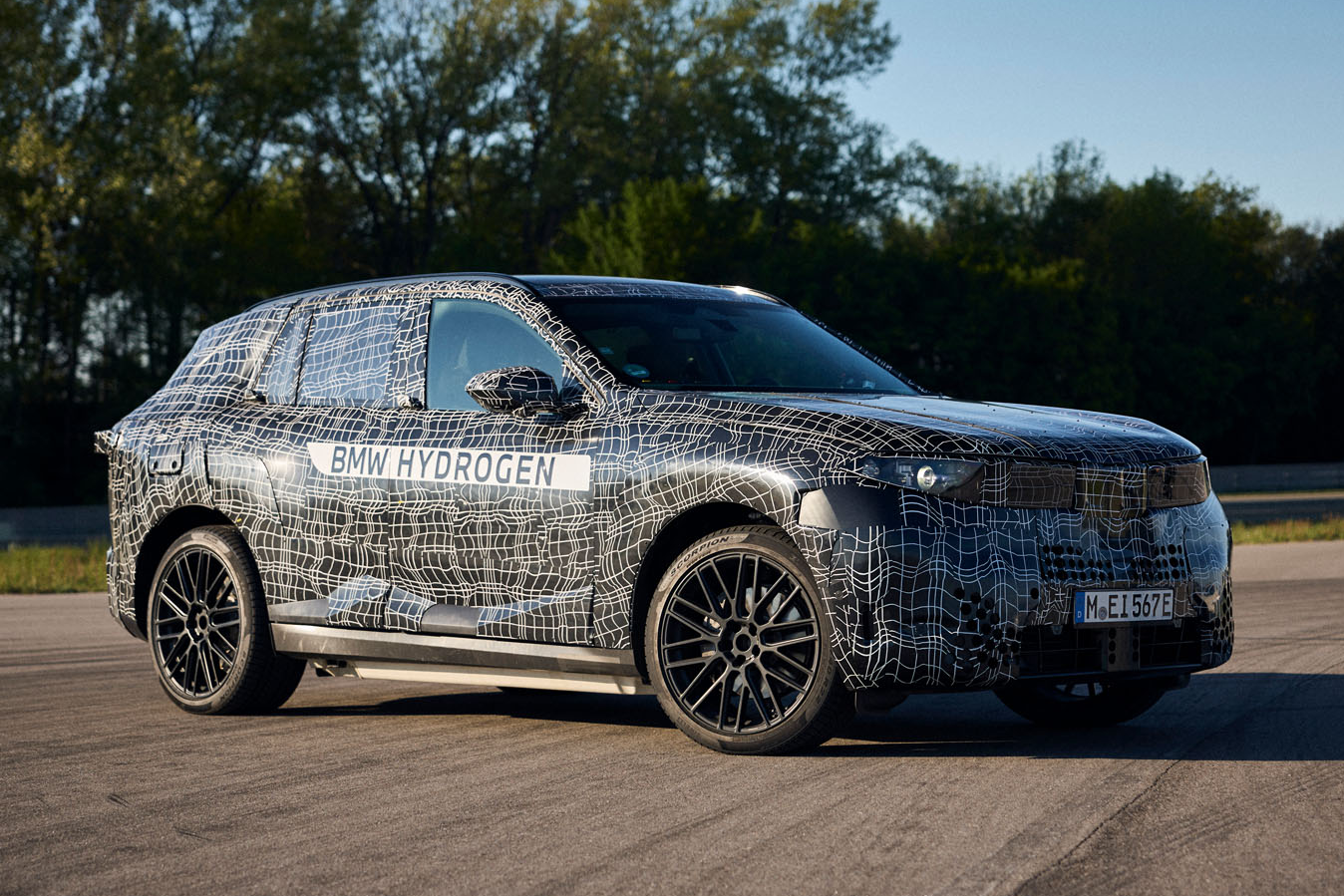
The clearest evidence is the plan to launch the next-generation iX5 Hydrogen in 2028. Developed on the Neue Klasse platform and using a fuel cell system co-developed with Toyota, this will be BMW's first commercial product line equipped with this technology. BMW CEO Oliver Zipse has repeatedly publicly opposed the European Union's plan to ban the sale of internal combustion engine vehicles by 2035, arguing that this policy restricts consumer choice and could eliminate tens of thousands of jobs.
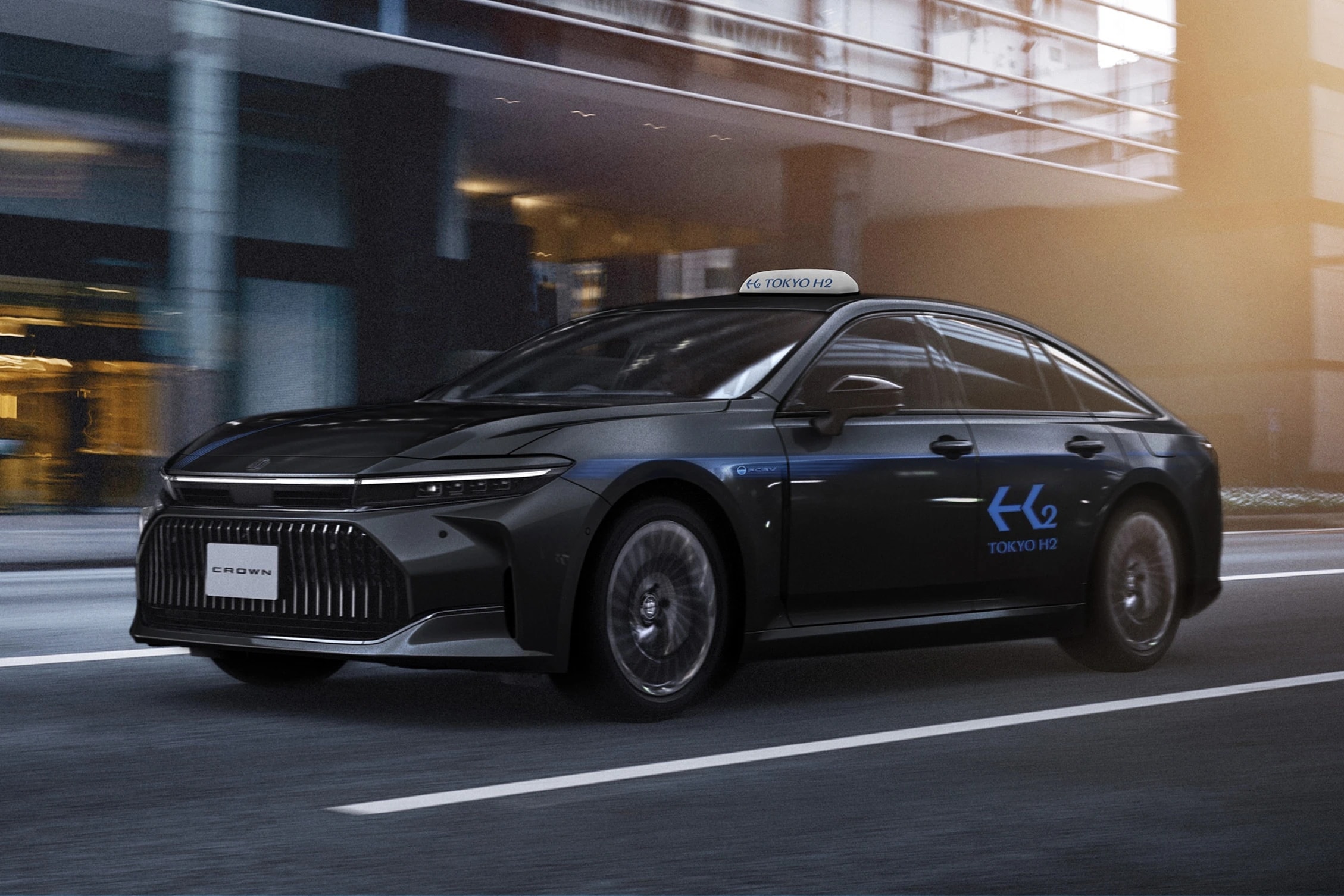
On Toyota's part, the Japanese automaker is also pursuing a similar multi-pronged strategy. President Akio Toyoda once predicted that electric vehicles would never account for more than 30% of the global market share. Instead of focusing entirely on EVs, Toyota is investing heavily in alternative solutions to reduce emissions, including the development of synthetic fuels, biofuels, and testing hydrogen-based internal combustion engines on high-performance models such as the GR Yaris and GR Corolla.
When competitors have to "turn around"
It is precisely this commitment to a diversification strategy that has helped BMW and Toyota avoid the costly "reversals" that many competitors are facing. Porsche is a prime example. The German sports car manufacturer is now forced to reinvest in an internal combustion engine version for the next-generation Macan, which was originally planned to be electric-only. Mainstream sports cars like the Boxster and Cayman have also had to revert to traditional internal combustion engines.
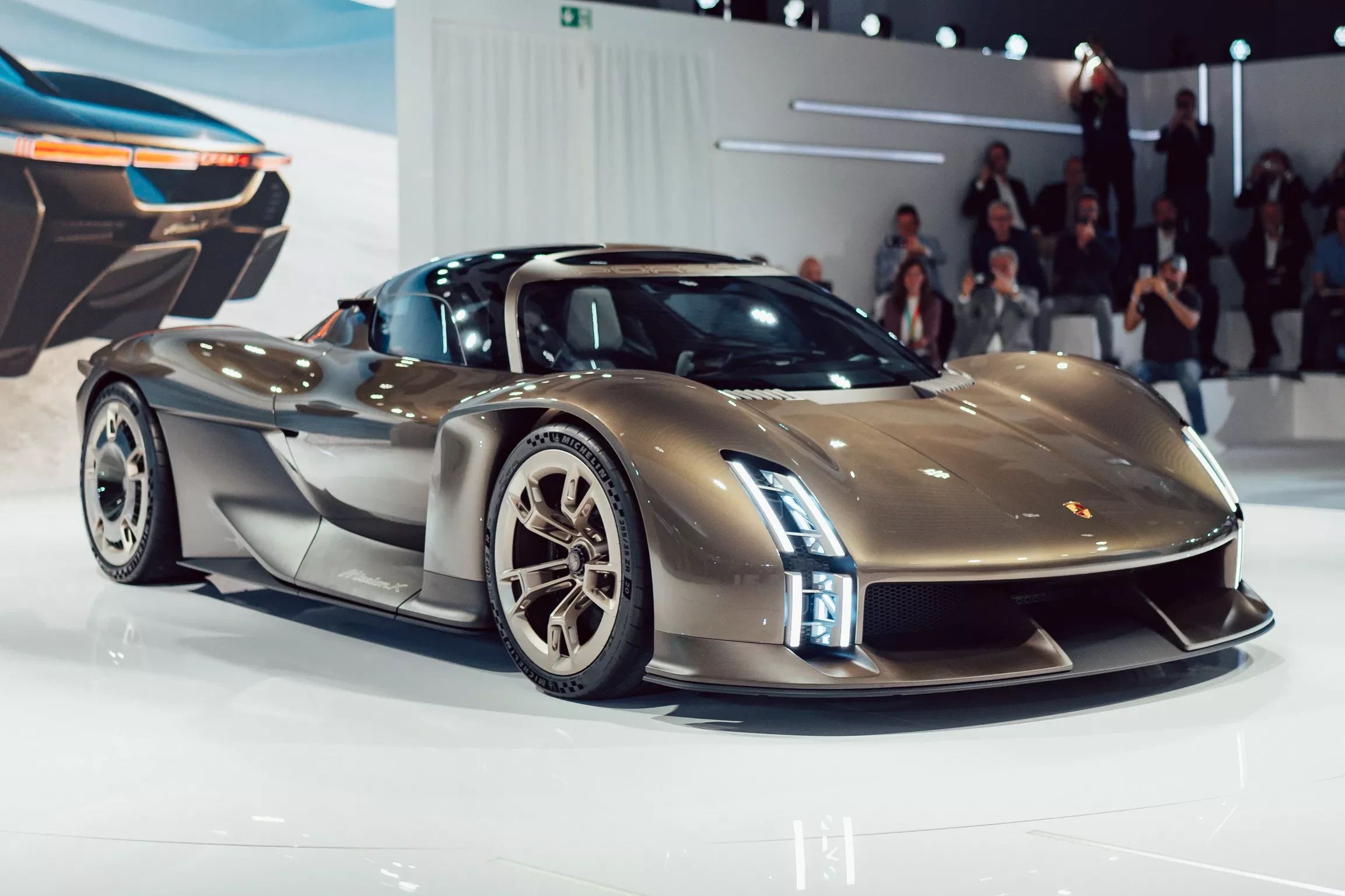
These unplanned adjustments not only slowed down the roadmap but also cost Porsche and its parent company Volkswagen billions of dollars. It is estimated that this strategic shift could cost the company up to $2.11 billion.
Electric vehicle market: Growth, but uneven.
It's undeniable that the electric vehicle market is still on an upward trend. According to the European Automobile Manufacturers Association (ACEA), electric vehicles accounted for 17.7% of total new car sales in Europe in the first eight months of the year, up from 14.1% in the same period last year. The International Energy Agency (IEA) also forecasts that more than 20% of new cars sold globally in 2024 will be electric vehicles, equivalent to 17 million units.
However, this shift varies greatly across regions. In Norway, electric vehicles account for 89% of new car sales, but in a large market like the US, this figure is only 9.2%. The vast differences in charging infrastructure, government support policies, and consumer affordability demonstrate that a single "all-EV" strategy cannot be applied to all markets.
Conclusion: Strategic vision creates an advantage.
By accurately assessing market realities and diverse consumer needs, BMW and Toyota have chosen a flexible strategy instead of blindly pursuing electrification at all costs. Their multi-energy approach not only allows them to better respond to varying market conditions but also provides them with a solid position, ready to adapt to any scenario, regardless of how quickly or slowly the transition to electric vehicles unfolds. In a long-distance race, caution and strategic vision are proving to be decisive advantages.


