
Iran's missile strategy and a turning point in the Middle Eastern military balance.
Iran is accelerating the modernization of its ballistic missile arsenal with the Fattah hypersonic missile, combined with new-generation air defense systems and fighter jets from China and Russia.
Iran's Islamic Revolutionary Guard Corps (IRGC) is accelerating the modernization of its strategic arsenal, making ballistic missiles a vital pillar for national security. Amid increasing international pressure, Tehran is focusing on developing weapons with high precision and the ability to penetrate even the world's most advanced defense systems.
Despite Western nations' attempts to reimpose sanctions through the UN Security Council, China and Russia have affirmed their stance in defending their strategic partners. These two permanent members stated that the sanctions mechanism cannot be activated without a new vote, which would almost certainly be vetoed.
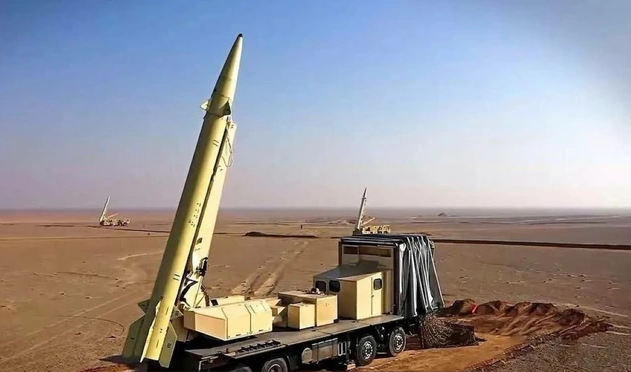
Hypersonic missile technology and deterrence capabilities
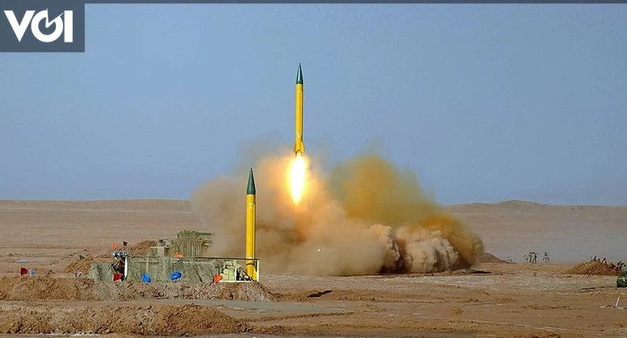
The power of Iran's missile forces was clearly demonstrated in the confrontation with Israel in June. When Tel Aviv launched a large-scale offensive, Tehran responded with a barrage of precision missiles, penetrating the highly-rated, multi-layered defense system. The rapid depletion of interceptor capabilities forced Israel to accept a ceasefire on June 24.
The highlight of the IRGC's arsenal is the Fattah hypersonic ballistic missile, which was announced to have successfully passed tests on June 18th. With flight speeds exceeding Mach 13 and exceptional maneuverability in its terminal phase, the Fattah poses a significant challenge to any existing interceptor system. Even US officials have acknowledged the destructive power these new missiles can inflict on fortified targets.
The deployment of Fattah missiles, along with other multi-warhead missiles, has helped Iran strengthen its strategic deterrence capabilities. Military experts believe that this unstoppable retaliatory strike capability has deterred new military attacks against the country.
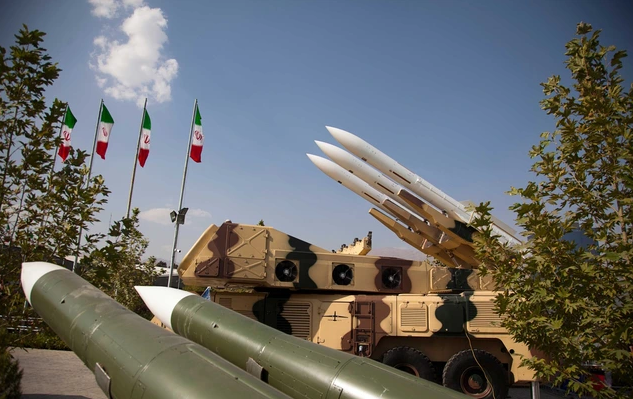
Transcontinental technological links
The flow of military technology between Tehran and partners like North Korea has been sustained for more than four decades. Following Pyongyang's successful testing of the Hwasong-8 hypersonic glide vehicle in 2021, observers noted significant similarities in the design of the Fattah, unveiled two years later. This technical assistance has enabled Iran to independently produce solid fuel and sophisticated guidance systems.
Alongside its offensive capabilities, Iran is perfecting its long-range air defense network with support from China. Reports indicate that Iran has ordered the HQ-9B system, dubbed the "Asian version of the S-300." This system boasts impressive technical specifications:
| Specifications | Functionality |
|---|---|
| Maximum range | 200 km |
| Number of targets tracked simultaneously | 100 targets |
| Type of interception target | Ballistic missiles, stealth aircraft |
| Operating range | Middle - High |
Upgrade your air force's power with the Su-35 fighter jet.
To address its air force's weakness, which relies on outdated equipment from the Cold War era, Russia has begun transferring new-generation fighter jets to Tehran. The contract for 48 Su-35s, along with batches of modernized MiG-29s, will help Iran establish an effective air defense perimeter. The Su-35, with its Irbis-E electronically scanned array radar and Mach 2.25 speed, will play a crucial role in escorting and protecting key nuclear and military facilities against air attacks.
A new balance of power in the Middle East
The combination of long-range attack missiles like the Fattah and the HQ-9B high-altitude defense system, along with the Su-35, is putting Iran into a multi-layered deterrence phase. While Washington maintains a presence in the Persian Gulf, Iran's possession of cutting-edge military technologies makes any attempt at a preemptive strike highly risky.
Iran is not only seeking survival but also asserting its position as a regional military technology powerhouse. This shift in defensive thinking—using missiles as both a shield and a sword—is reshaping the balance of power in the Middle East, despite Western sanctions.


