
The conflict spread throughout the Gulf region, turning the Iranian capital into a "ghost city".
By the morning of March 4th, the situation in the Middle East continued to be extremely complex as Iran expanded its retaliation with missiles and drones across the region. Meanwhile, the US and Israel announced they had destroyed key targets inside Tehran.
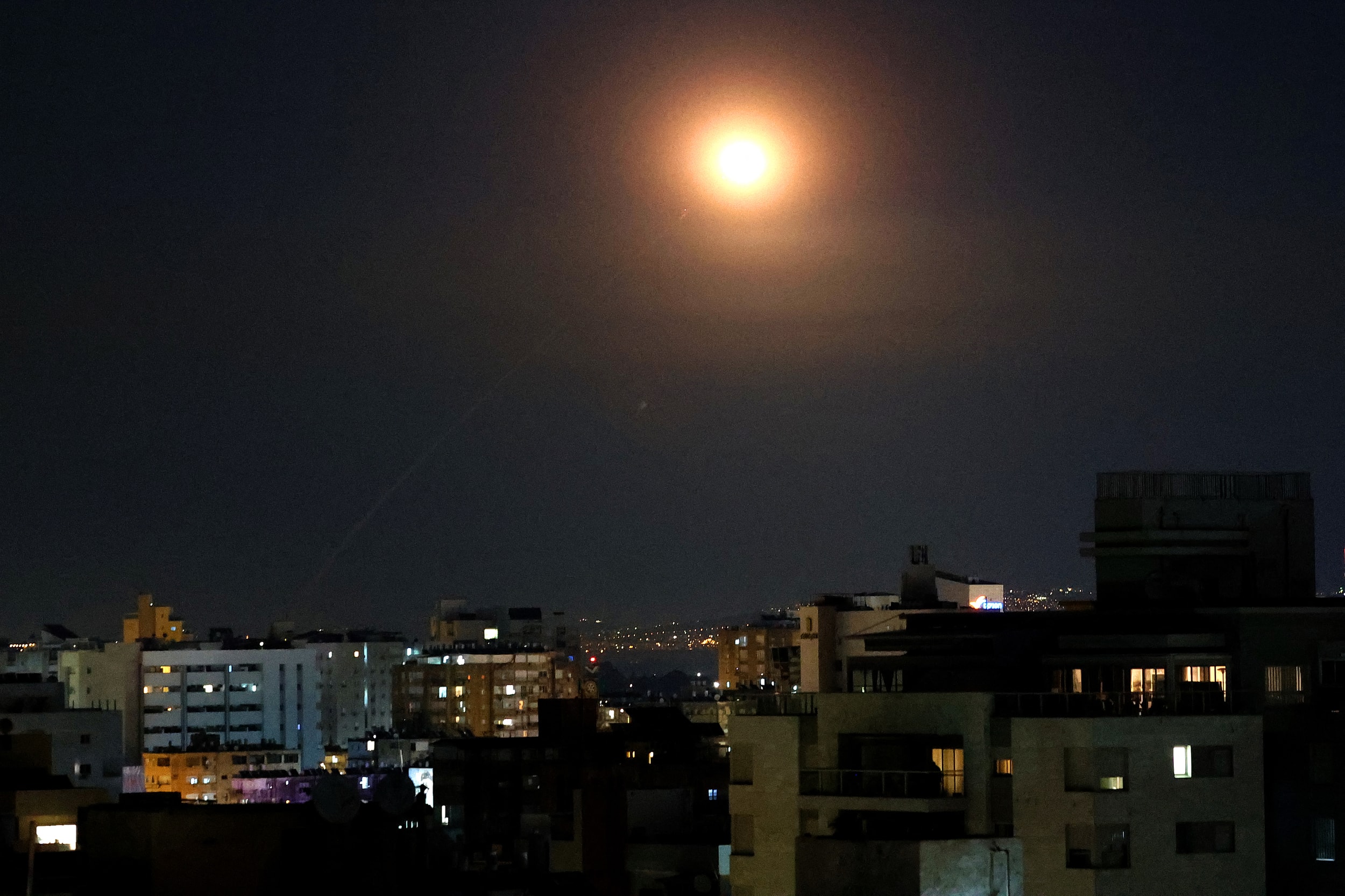
Impact on regional infrastructure
According to AFP, on March 3, an Iranian drone attack targeted an area near the US consulate in Dubai, causing a fire but no casualties. The US Al-Udeid military base in Qatar was also targeted.
This move follows a series of attacks the previous day targeting the US embassy in Riyadh, Kuwait City, and an air base in Bahrain, forcing Washington to order the evacuation of diplomats.
Conflict is spreading across the Gulf region. Qatar announced it shot down a missile targeting Hamad International Airport (Doha); Oman reported drone attacks on the port of Duqm; and in the UAE, debris from an intercepted drone caused a fire at an oil storage and trading facility.
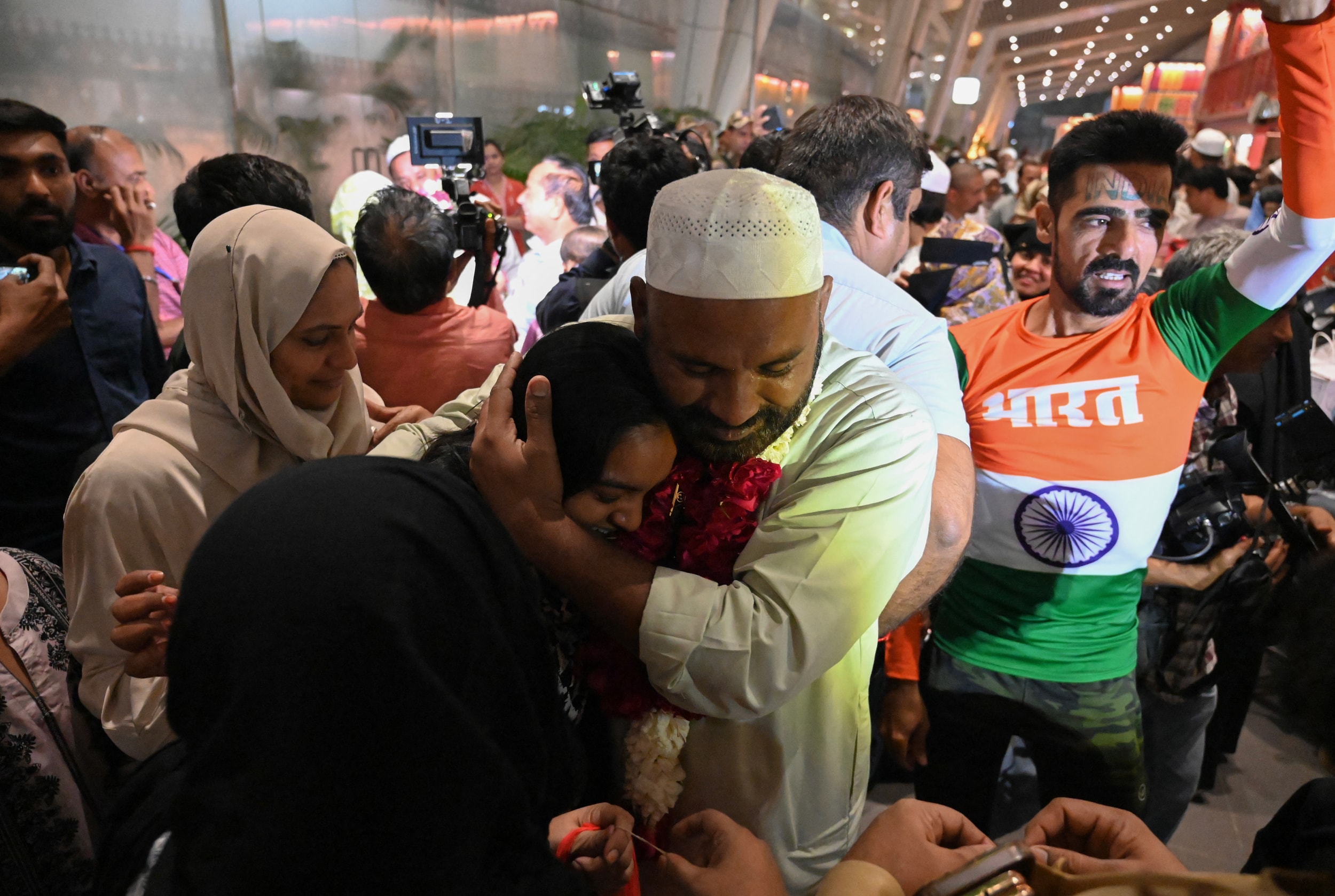
In Lebanon, violence also escalated. Hezbollah launched drones and missiles at an Israeli naval base in Haifa in retaliation for the assassination of Iran's Supreme Leader.
Israel retaliated with airstrikes on the Shiite-majority southern suburbs of Beirut and announced it was deploying troops across the border to create a buffer zone.
The United Nations says dozens have died and more than 30,000 people have been displaced in Lebanon.
General Ebrahim Jabbari of Iran's Islamic Revolutionary Guard Corps warned: "If the enemy decides to attack our nerve centers, we will strike at all economic centers in the region."
Faced with rising global energy prices, Trump announced that the US Navy was ready to escort oil tankers through the Strait of Hormuz – a route Iran has threatened to blockade.
Air strikes from the US and Israel.
The series of retaliatory actions followed the US and Israel's attack on February 28, which killed Iran's Supreme Leader Ayatollah Ali Khamenei. Notably, the attack occurred just two days after US and Iranian envoys began negotiations in Geneva on a nuclear agreement.
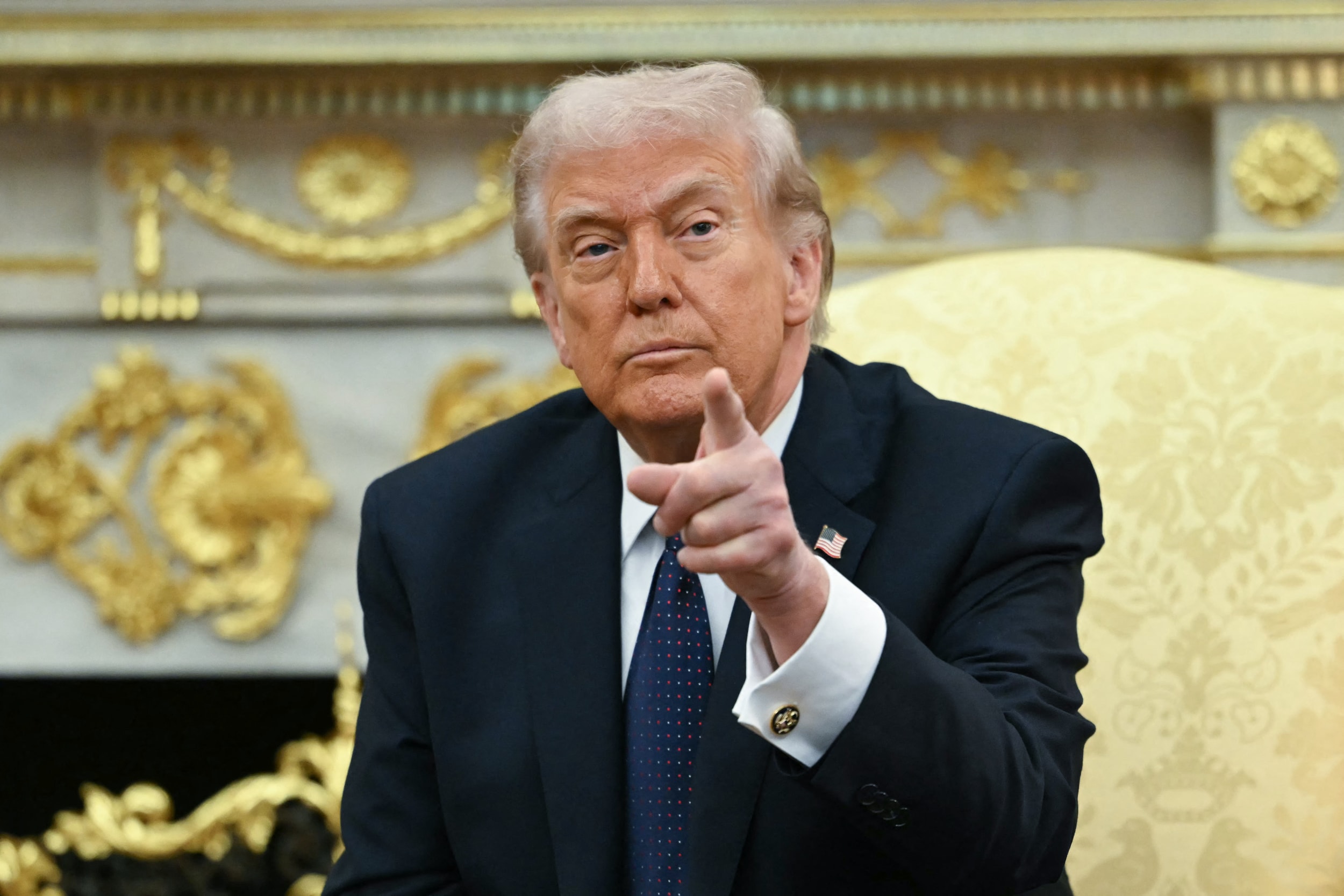
Trump declared that Iran wanted to resume negotiations but "it was too late." During a meeting with German Chancellor Friedrich Merz at the White House, Trump rejected earlier statements by Foreign Secretary Marco Rubio, who suggested the timing of the US attack was prompted by Israeli plans. Trump asserted, "If that were the case, I could have forced Israel to act."
Trump also claimed that the U.S. had destroyed almost all of Iran's navy, air force, and air defense systems, and eliminated potential successor leaders.
"Most of the people we targeted are dead. Now we have another group. Based on reports, they may also be dead," Trump said.
He emphasized that "regime change" was not the main goal.
On the Israeli side, the military announced it had struck an underground facility on the eastern outskirts of Tehran, accusing it of being a site for nuclear weapons development.
Iranian media reported that the airstrikes also targeted a building in the holy city of Qom belonging to the committee that selects the new supreme leader, and the Tasnim news agency reported that the committee's headquarters in Tehran had been attacked earlier. Additionally, images showed damage to Mehrabad Airport (which handles domestic flights) in Tehran.
Israeli Foreign Minister Gideon Saar has called on countries to sever all ties with Tehran.
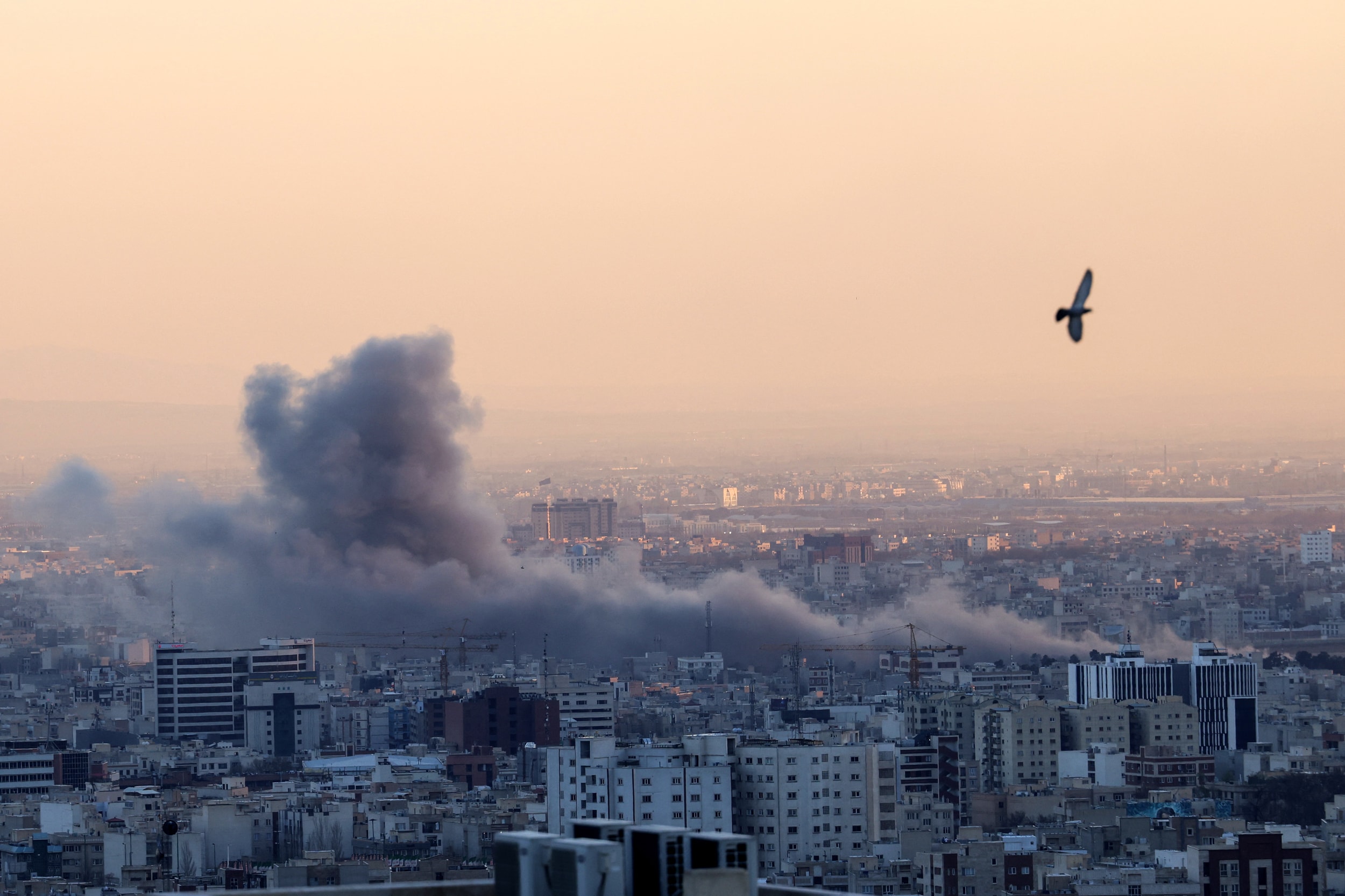
The scene in Tehran is deserted.
In Tehran, the capital city that normally has a population of 10 million, a profound silence prevails. In the northern part of the capital, the sounds of birdsong and cats meowing replace the noise of traffic jams.
Samireh, a 33-year-old nurse, shared: "There are so few people that you'd think no one has ever lived here."
People stayed indoors fearing bombings, while security forces and armored vehicles set up checkpoints and conducted random checks at intersections.
Iran's Foreign Ministry declared that the UN Security Council has a "responsibility" to act to end the war, while vowing economic retaliation.
The U.S. has asked non-essential staff to leave embassies and encouraged American citizens to depart on commercial flights.
The international community continues to express concern. According to Xinhua News Agency, Chinese Foreign Minister Wang Yi spoke by phone with his Israeli counterpart Gideon Saar, warning that the use of force "will only bring about new problems."


