
Middle East conflict on the morning of April 4th: Iran shoots down US plane, Trump proposes record $1.5 trillion defense budget.
As of the morning of April 4th, the conflict in the Middle East continued to escalate with fierce developments. While Iran intensified retaliatory attacks against Israel and shot down a US military aircraft, President Donald Trump requested the highest defense budget since World War II to deal with the crisis.
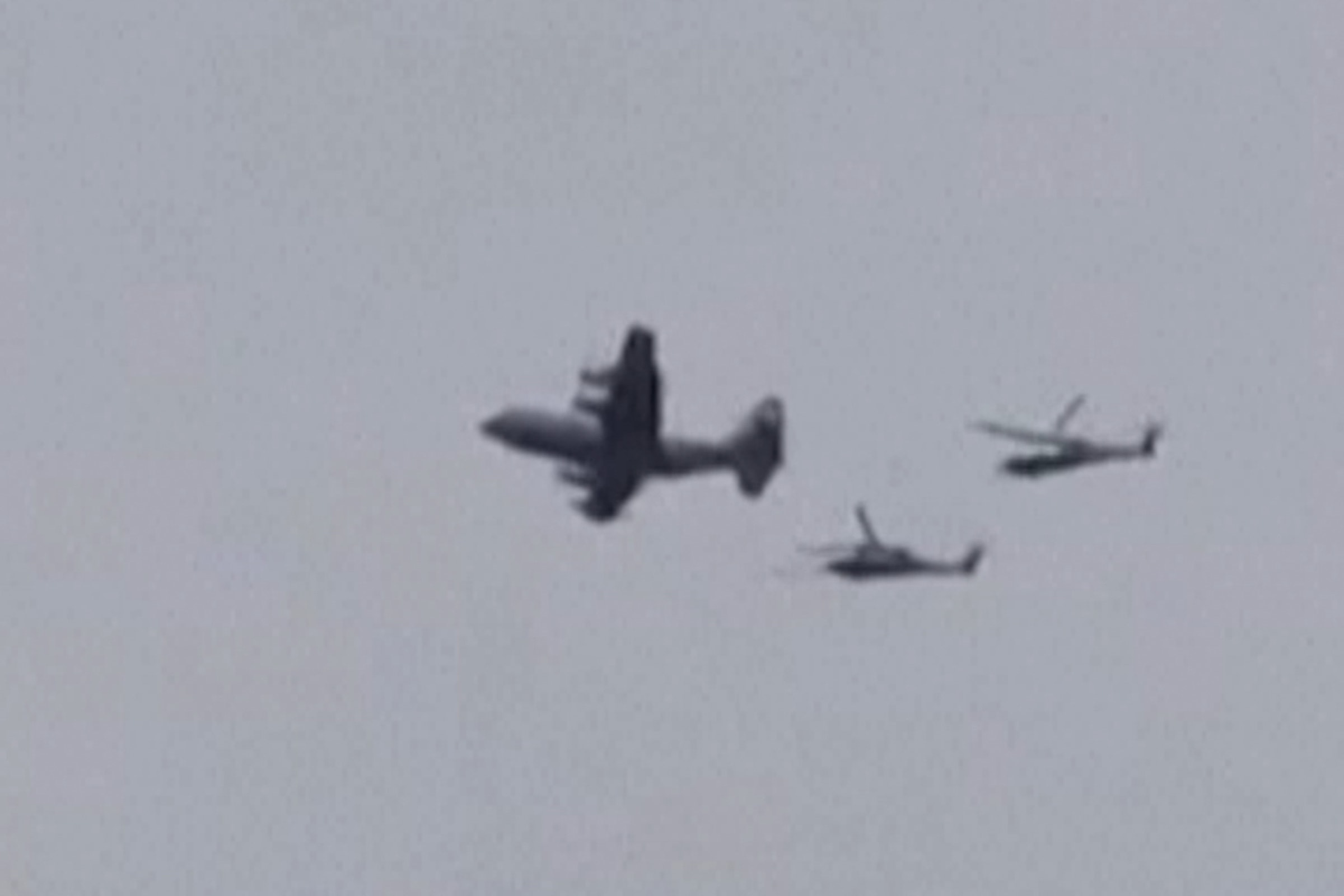
Direct confrontation between the US, Israel, and Iran.
Tensions on the ground show no signs of easing as the Israeli Defense Forces (IDF) confirmed on April 4th that they had detected multiple missiles fired from Iranian territory. On Telegram, the IDF stated: "Defense systems are being activated to intercept the threat." This is the latest retaliatory move by Tehran since the US-Israel coalition began its bombing campaign in late February.
Notably, Iranian state media claimed that its military had shot down a second US military aircraft in the Persian Gulf region. While Washington has not officially confirmed or denied this, US media revealed that one crew member was rescued.
The White House said President Donald Trump has been briefed on the incident. A large-scale search and rescue operation is currently underway.
Meanwhile, Iranian state television continuously broadcast images believed to be debris from the plane, and the Tehran authorities called on residents in the rugged mountainous southwestern region of the country to help hunt down the American crew.
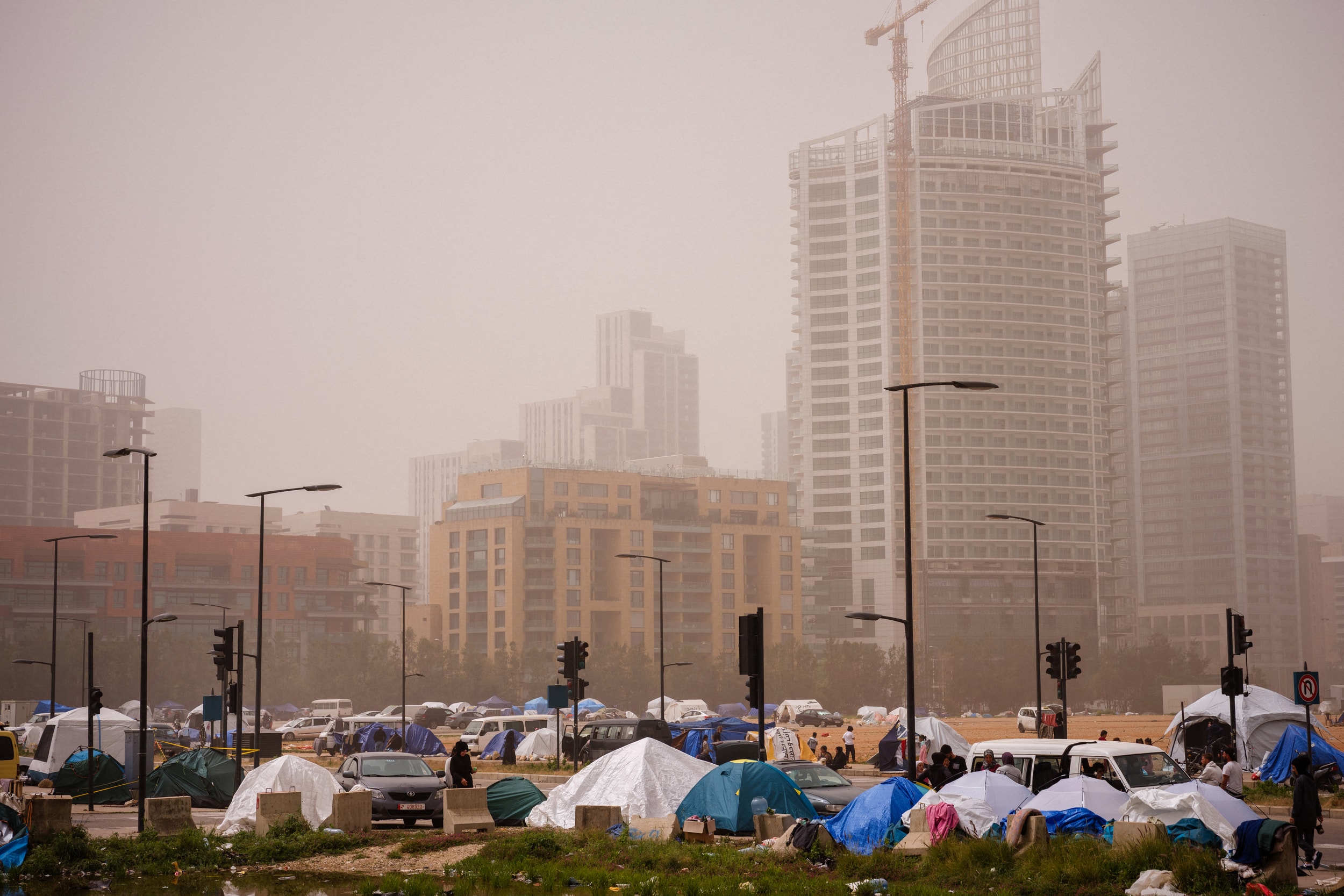
Escalating conflict and humanitarian warnings
The consequences of the conflict are causing heavy losses to neighboring countries.
In the UAE, authorities in Abu Dhabi reported that one Egyptian citizen was killed and four others were injured (two Egyptians and two Pakistanis) due to a fire at a gas complex. The cause was determined to be debris falling from a missile interception.
In Syria, state media (SANA) reported that Israeli shelling killed one man in Quneitra province, southern Syria, near the Israeli-occupied Golan Heights.
In Lebanon, Israeli troops continued bombing the southern suburbs of Beirut – an area believed to be a stronghold of Hezbollah forces – just hours after issuing an evacuation order.
On the same day, the United Nations peacekeeping force in Lebanon (UNIFIL) reported that an explosion at its base had injured three soldiers, two of whom were seriously wounded. This was the third incident targeting the force in just one week.
Amidst escalating security instability, the US Embassy in Lebanon issued an urgent warning, stating that Iran and its allied armed groups may target universities in the country, particularly the American University in Beirut (AUB) – one of the region's most prestigious educational institutions with a campus and hospital located in the heart of the capital.
Global consequences
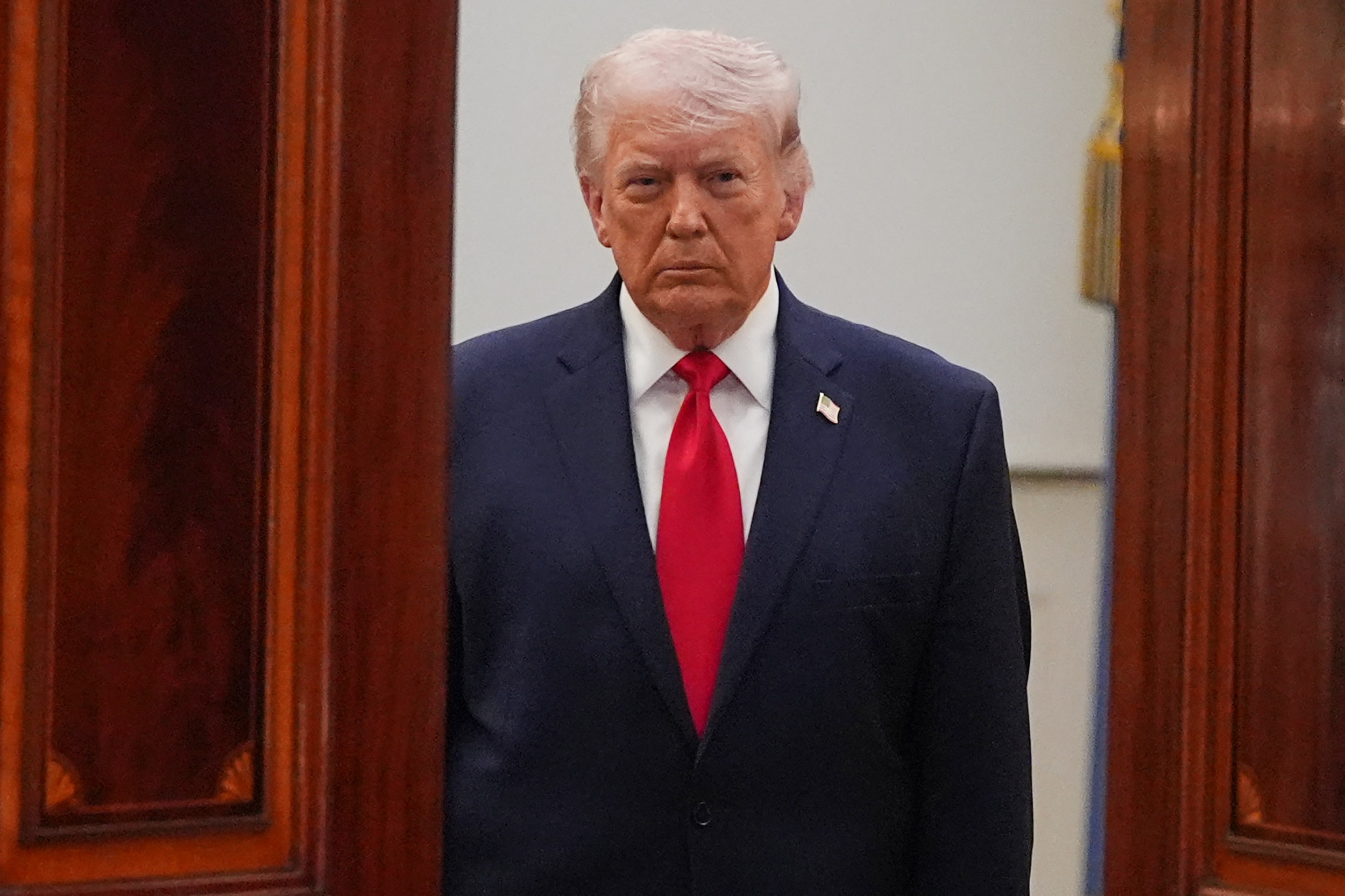
To meet the escalating costs of the war with Iran and global security commitments, President Donald Trump has officially requested that the US Congress approve a massive $1.5 trillion defense budget for fiscal year 2027. If approved, the Pentagon's budget would skyrocket by more than 40% in just one year – the sharpest increase since World War II.
On the diplomatic front, the Kremlin announced that Russian President Vladimir Putin and his Turkish counterpart Recep Tayyip Erdogan had a telephone conversation, calling for an immediate ceasefire. The two leaders stressed that high-intensity military actions are having serious negative consequences not only for the region but also for global energy security, trade, and logistics.
The economic impact is already evident on this vital shipping lane. Maritime traffic data from April 3rd shows that, to avoid Iran's blockade of the strategic Strait of Hormuz, three oil tankers had to choose a risky route: staying close to Oman's Musandam Peninsula south of the waterway in order to pass through the strait.


