
Mobile film screenings in response to the need for innovation from reality.
Despite the increasing popularity of online entertainment platforms, mobile film screenings in Nghe An province still maintain a certain audience in many mountainous areas. However, this activity currently faces difficulties not only in terms of human resources, funding, and facilities, but also requires innovation in organization and content selection to better suit today's public needs.
Still attracting viewers in specific areas
The courtyards in front of the village cultural centers in many mountainous communes of Nghe An province often become more lively on evenings when mobile film screenings are held. From early on, children flock to watch the films, while adults bring chairs or spread mats around the screen. For many remote areas, this remains one of the most anticipated community cultural activities.
Currently, the Nghe An Provincial Cultural Center has two mobile film screening teams. Each year, the Center organizes approximately 60-70 screenings, mainly serving particularly disadvantaged mountainous communes.
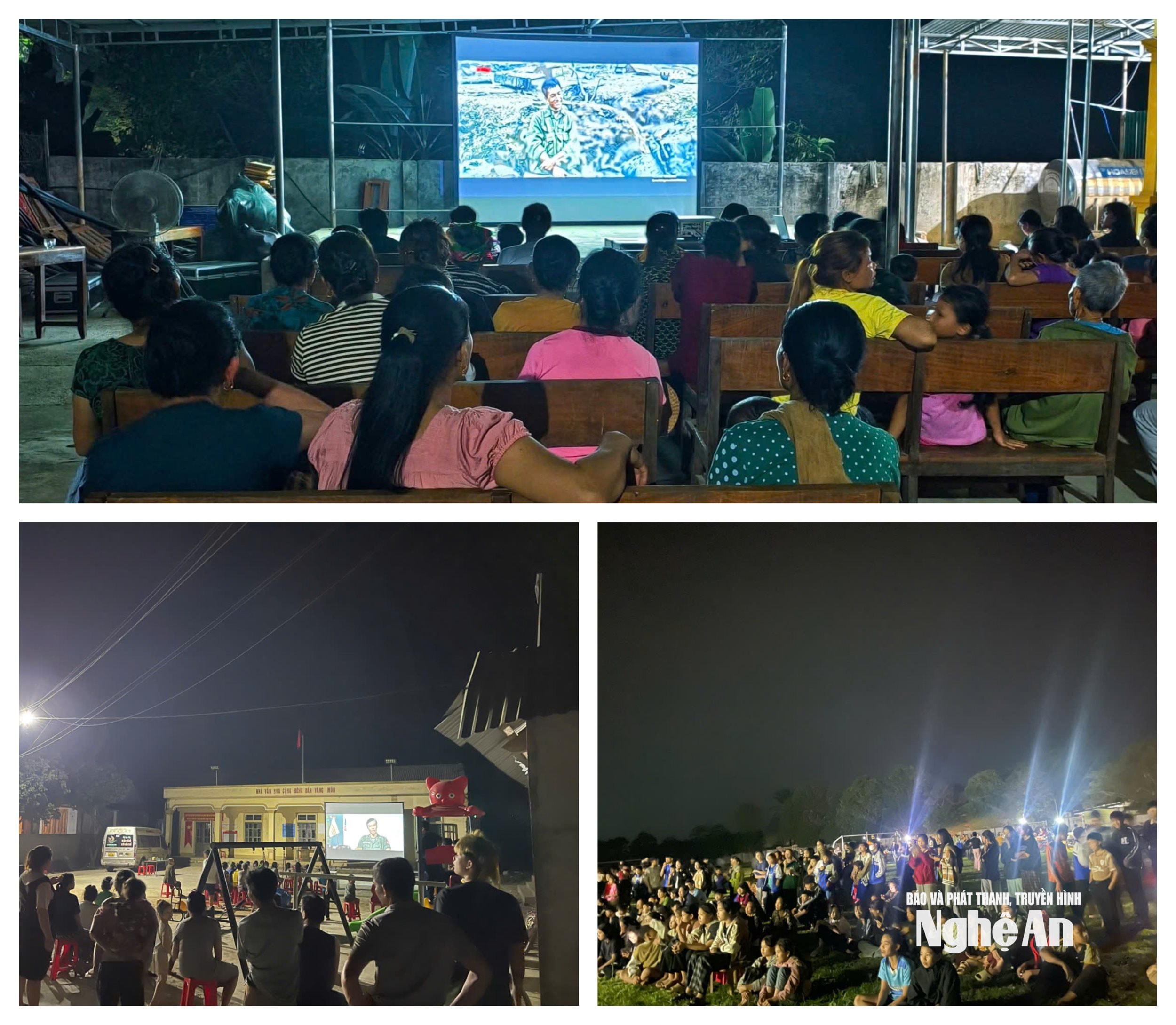
Ms. Tran Thi Hong Minh, Head of the Visual Promotion and Exhibition Department at the Nghe An Provincial Cultural Center, said that when they first took on the task of mobile film screenings, the unit was concerned that this activity would be difficult to attract viewers due to the development of the Internet and personal entertainment devices. However, based on practical experience at the grassroots level, some screenings still attracted a large number of people. Statistics for 2025 show that mobile film screenings are expected to attract approximately 20,000 people, the majority of whom are ethnic minorities, students, the elderly, members of the armed forces, and local officials.
Explaining why mobile film screenings still hold a place in local cultural life, Ms. Hong Minh shared that people in mountainous areas, especially in remote villages, do not have the opportunity to go to movie theaters, so they still prefer watching films on a large screen with a better sound and image quality compared to small-screen personal devices.
In many villages today, most young people work far from home, so the audience for mobile film screenings mainly consists of the elderly and children. For many elderly people in the village, this is not only an opportunity to watch a film but also a chance to meet and chat after a long day, alleviating feelings of isolation and lack of social interaction in daily life. Understanding this, mobile film screening teams often prioritize outdoor venues over community centers, as the larger space creates a more distinct sense of community.
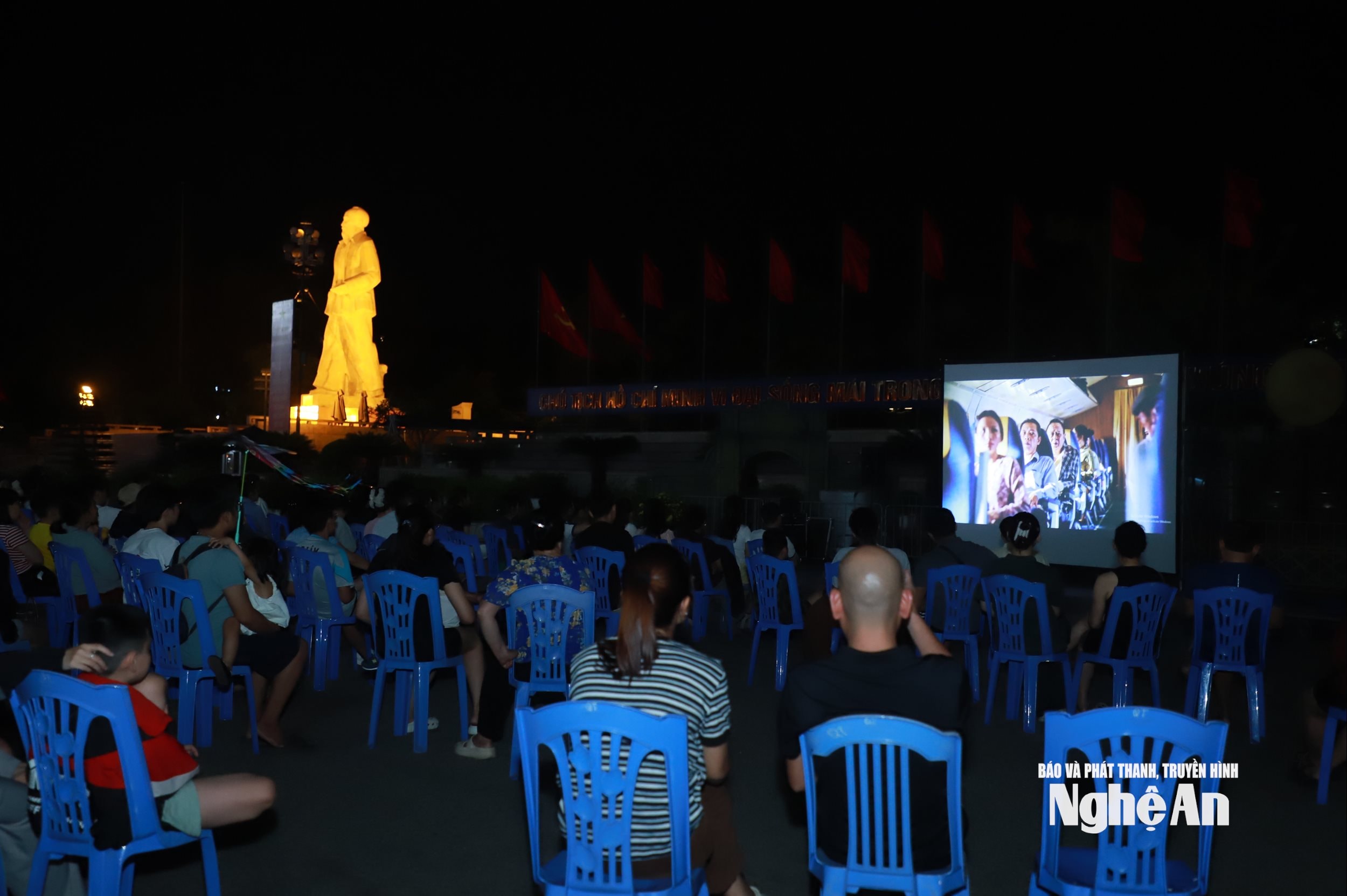
Mr. Cao Van Xich, Director of the Nghe An Provincial Cultural Center, affirmed that mobile film screenings can still be effective if organized appropriately to meet public needs. According to him, in many places, people go to watch movies together as a collective activity. Children go with friends, adults go with families, and neighbors call each other to watch, creating a lively atmosphere at the screening locations.
Besides serving entertainment needs, mobile film screenings are now also linked to the task of disseminating information at the grassroots level. Before each screening, there is usually about 30 minutes dedicated to showing documentaries about the Party's guidelines and policies, the State's policies on drug prevention, human trafficking, domestic violence, or content related to building cultural life in villages and hamlets...
Currently, the films available are primarily provided by the Department of Cinematography according to a licensed catalog. Film screening teams flexibly select films based on target audience groups. In many mountainous areas, historical films, revolutionary war films, or films about President Ho Chi Minh are of interest to the people. Meanwhile, teenagers often prefer new films that have been released commercially.
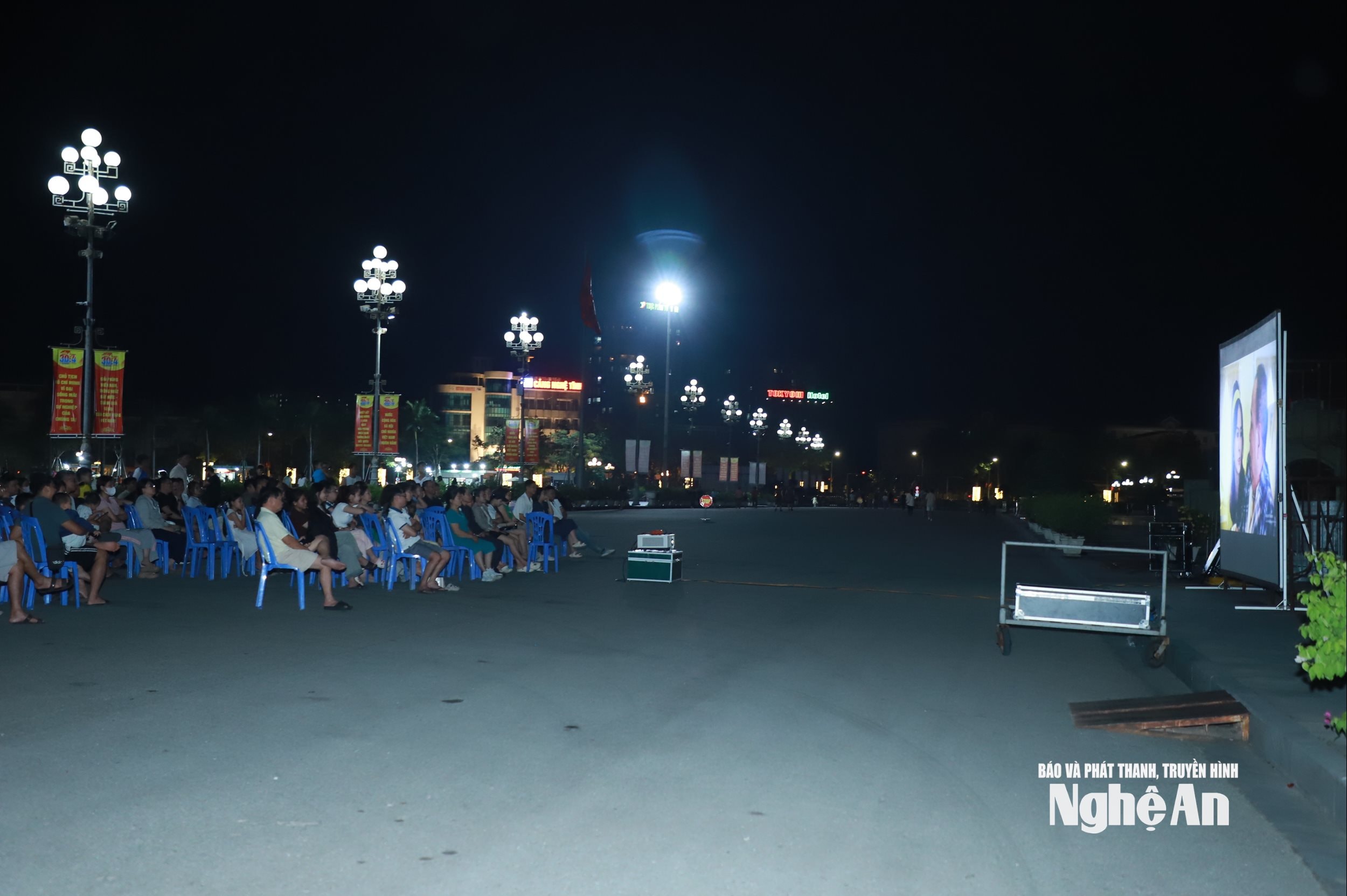
Not only in mountainous areas, but also in the central region of the province, mobile film screenings are still well-received by a segment of the population, especially during major holidays. During the film screenings at Ho Chi Minh Square on April 30th - May 1st and the evening of May 5th, the audience numbers remained quite high, with many families bringing their young children early to choose convenient seats.
Ms. Bui Thi Thu Dung (Truong Vinh ward) and her family of five watched the movie "Battle in the Air" with great enthusiasm. She said that while watching movies on phones or TVs is very common these days, the feeling of watching a movie outdoors with a large group of people still offers a different experience. "My children really enjoyed it because of the fun atmosphere, the large crowd, and the feeling of a community activity rather than just watching a movie. Adults also felt more comfortable going outside and watching with others," Ms. Dung shared. In reality, sitting together in a public square, chatting, interacting, and sharing emotions with those around you creates a special sense of connection that personal devices can hardly provide.
The issues raised
Although mobile film screenings in Nghe An province are still operating at their physical locations, they currently face many difficulties in terms of human resources, equipment, and organizational methods, in the context of changing public tastes in culture.
One of the biggest problems currently is the lack of dedicated personnel. According to Mr. Cao Van Xich, Director of the Provincial Cultural Center, previously, the task of mobile film screenings belonged to the 12-9 Film Joint Stock Company. Since 2024, this task has been transferred to the Nghe An Provincial Cultural Center. However, the transfer only concerns the task itself; the personnel, equipment, and facilities for film screenings remain under the management of the company and are no longer part of the public cultural system.
Therefore, the Provincial Cultural Center currently relies primarily on part-time cultural staff to organize mobile screenings. Many staff members simultaneously perform their professional duties at the center and travel to remote mountainous areas; they independently learn the techniques for transporting and installing equipment, sound systems, and lighting to support outdoor screenings.
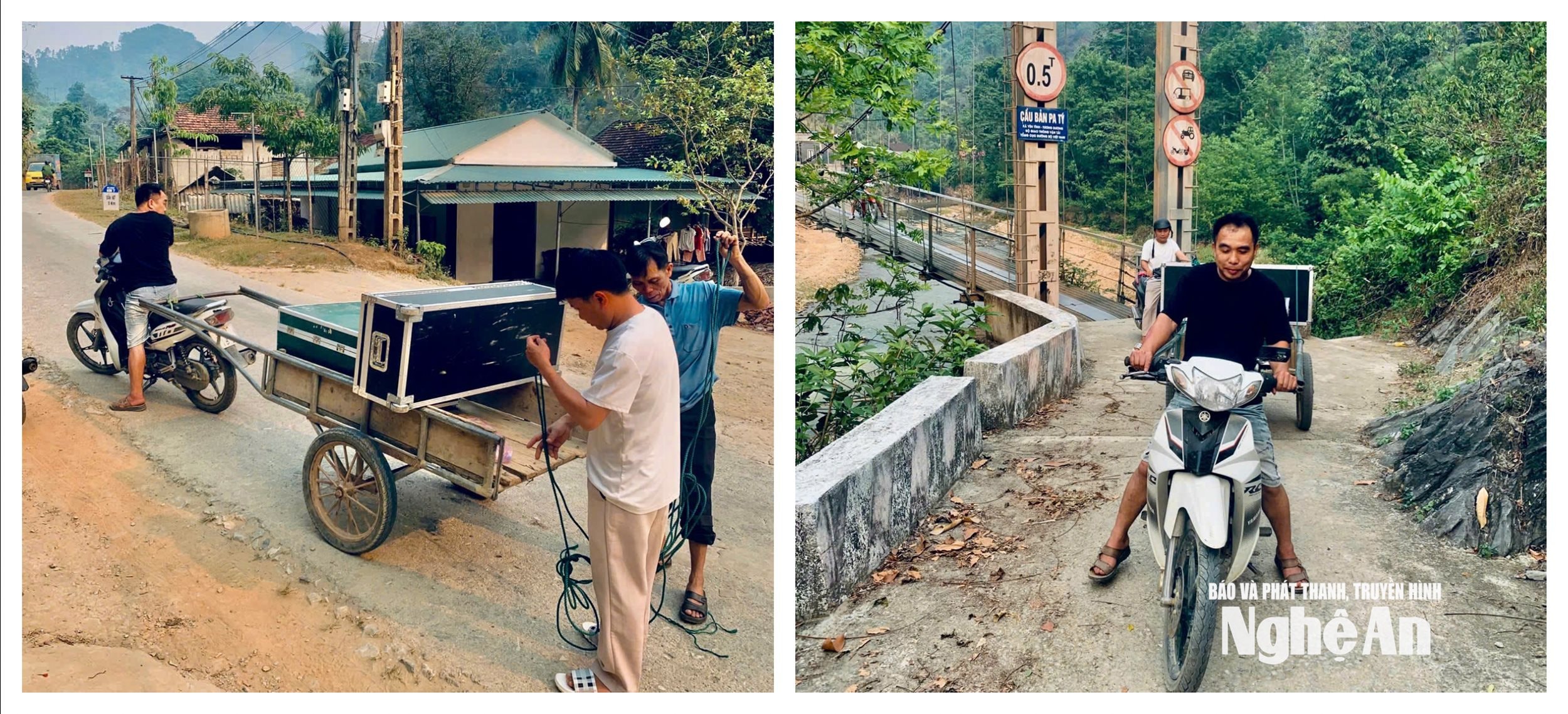
In addition, there is a lack of specialized vehicles. For each trip to mountainous areas, the unit has to rent vehicles from outside to transport equipment, which increases costs and causes many inconveniences during travel, especially in areas with complex terrain.
The current challenges of mobile film screenings also stem from the changing pressures of the modern entertainment environment. With the rapid development of social media and online streaming platforms, the public's habits of accessing cinema, especially among young people, have changed significantly. While in the past, an outdoor film screening could attract a large number of local residents, now audience numbers are inconsistent, with some screenings being well-attended while others are quite sparsely populated.
Given this reality, the need for innovation in content and organization is becoming a pressing issue for mobile film screenings. Through media and social networks, people in mountainous regions are now aware of new films and works that are attracting attention in the film market. Therefore, the demand for access to engaging films that are close to their lives is becoming increasingly clear. Meanwhile, many films currently being used for mobile screenings were produced quite a long time ago, such as "The Scent of Burning Grass," "The Wild Field," "August Star," "Hanoi 12 Days and Nights," etc. These are all works with historical value, traditional education, and patriotism. However, from the perspective of reaching today's audience, the pacing, setting, storytelling, and cinematic language all have a certain gap with current tastes.
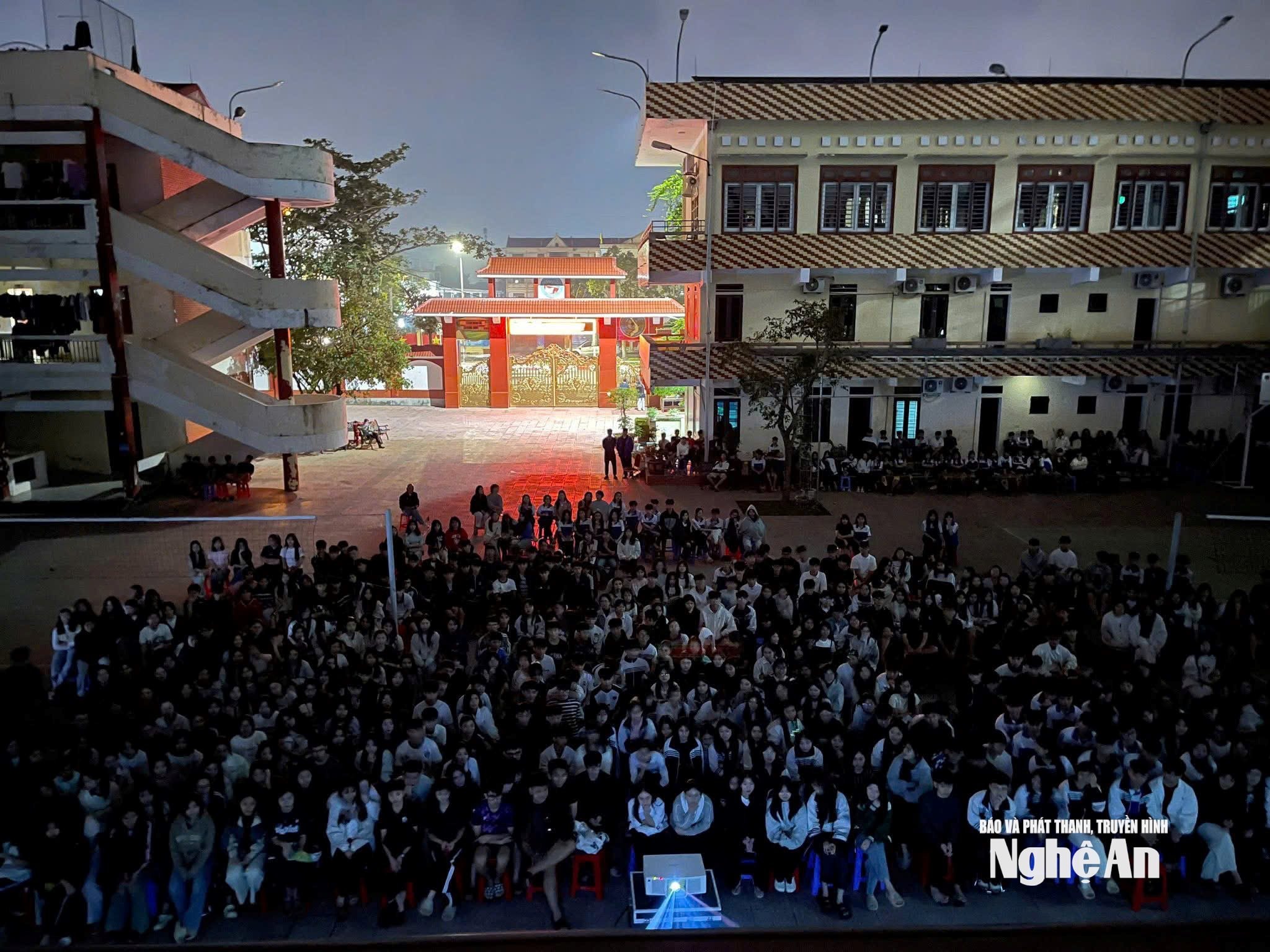
This reality shows that, to maintain the effectiveness of mobile film screenings, in addition to more comprehensive investment in human resources, equipment, and funding, more attention must also be paid to the needs of the audience. Updating the film catalog, increasing the number of works with artistic quality and content relevant to contemporary life will contribute to increasing the appeal of screenings at local venues.
Many also suggest that mobile film screenings should be organized as a community cultural activity, combining film screenings with cultural exchanges, group activities, or activities for young people, to make the screenings more attractive and relevant to modern life.
In fact, in many mountainous regions, outdoor screenings still create the community space that people look forward to. Therefore, along with innovating the approach, this activity should be seen as part of the task of ensuring access to culture for people in remote areas.


