
The government has issued the National Criteria Set for Building New Rural Areas for the period 2026-2030.
The Prime Minister has just issued a Decision on the National Criteria for Building New Rural Areas in the period 2026-2030, creating an important legal basis for implementing the National Target Program for Building New Rural Areas in the new development phase, with higher requirements for quality, depth, and sustainability.
The national criteria for new rural communes are divided into 3 groups of communes.
On December 29, 2025, Deputy Prime Minister Tran Hong Ha signed Decision No. 51/2025/QD-TTg promulgating the National Criteria Set for New Rural Areas for the period 2026-2030. According to the Decision, the national criteria set for new rural communes for the period 2026-2030 includes 10 criteria and 47 indicators.
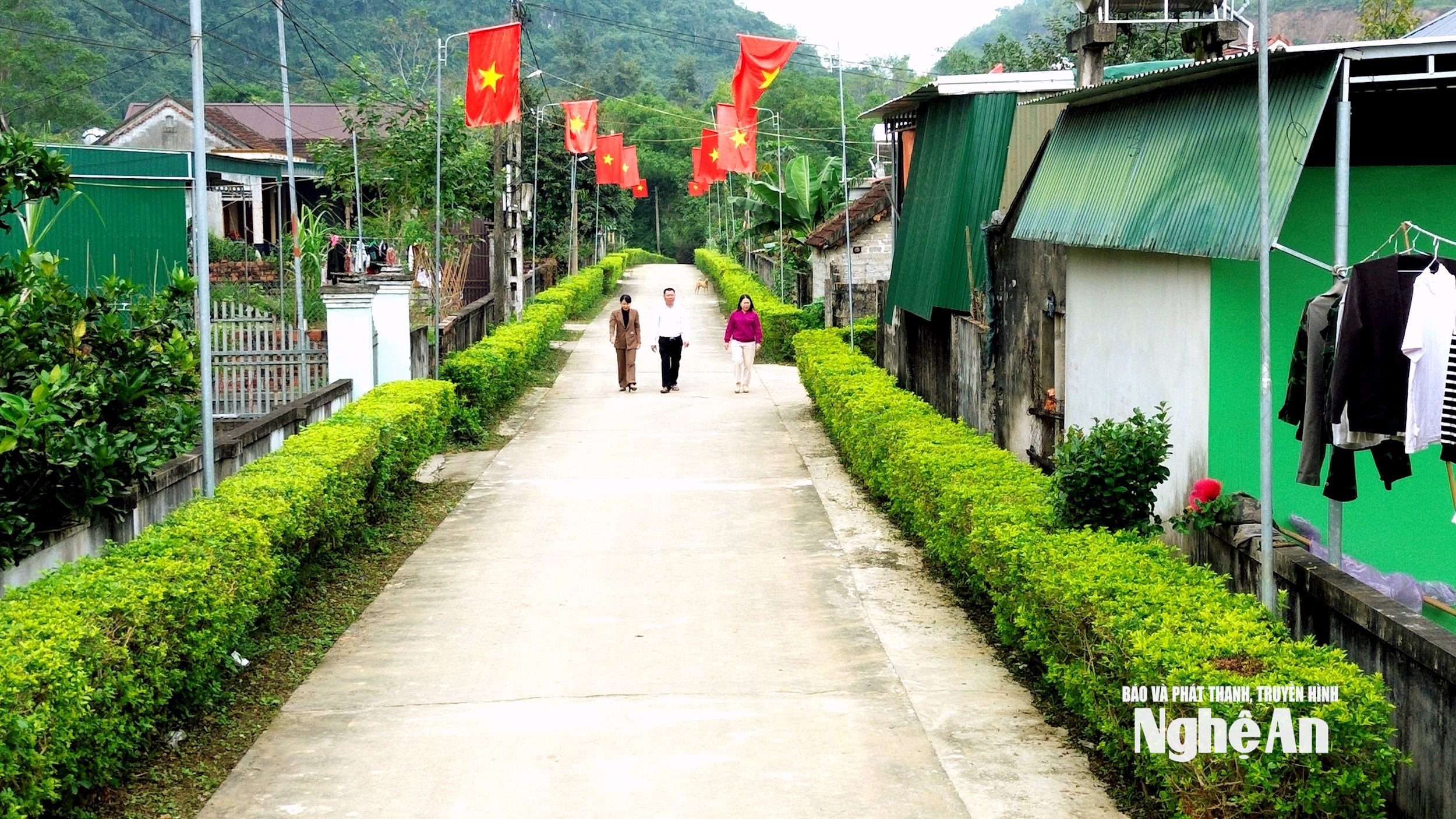
The 10 criteria include: Planning; Socio-economic infrastructure; Rural economic development; Rural human resource training; Culture, education, and health; Poverty reduction and social security; Science, technology, and digital transformation; Rural environment and landscape; Building the political and public administration system; Access to law and security, defense.
The National Criteria for Building New Rural Areas are divided into 3 groups of communes:
Group 1 CommuneThese are communes adjacent to existing urban areas and with a development orientation towards becoming urban areas, or communes with an agricultural sector accounting for less than 10% of their economic structure, or communes designated as new urban areas.
Group 2 communesIt is a commune that does not belong to group 1 or group 3.
Group 3 communesThese are communes classified as Area II and Area III in ethnic minority and mountainous regions, as defined by competent authorities according to regulations.
Each criterion is divided into three groups of communes (Group 1, Group 2, and Group 3) to align with the reorganization of commune-level administrative units and the level of development of each commune. This represents a breakthrough, ending the "one set of criteria for all communes" approach, creating flexibility, practicality, and improved achievement rates.
The Ministry of Agriculture and Environment stated that the Central Government only issued one set of national criteria for new rural communes for the period 2026-2030 because: In implementing the Party's guidelines and policies, the National Assembly's resolutions, and the directives of the Government and the Prime Minister, the entire country has implemented a two-tiered local government system. After reorganization, commune-level administrative units are larger in scale, with expanded development potential and strong growth momentum. Therefore, to strive to build communes that meet the standards of new rural communes in this new development phase, ensuring quality, depth, effectiveness, and sustainability, localities need to focus resources and time decisively on implementation.
Based on reviews, research, and feedback from ministries, sectors, and localities, several indicators and criteria for advanced new rural development (at both commune and district levels) for the 2021-2025 period have been integrated for application in the construction of new rural communes in the 2026-2030 period; regulations in newly issued legal documents or policies related to agricultural, farmer, and rural development, which are groundbreaking, have also been concretized into indicators and criteria with relatively high achievement requirements, aiming to create a strong qualitative transformation in the construction of new rural communes in the 2026-2030 period.
Therefore, to strive to build communes that meet the standards of the new rural development program in the 2026-2030 period, localities need to have very high determination, great efforts, and mobilize many resources to implement it. Consequently, in the 2026-2030 period, the central government will only issue one "National set of criteria for new rural communes in the 2026-2030 period" to create motivation and encourage communes to strive to achieve the new rural development standards in the 2026-2030 period, contributing to further improving the quality of life for rural people.
Pilot project for building modern new rural communes.
Decision 51/2025/QD-TTg stipulates the pilot framework for building modern new rural communes in the period 2026 - 2030, including the following contents:
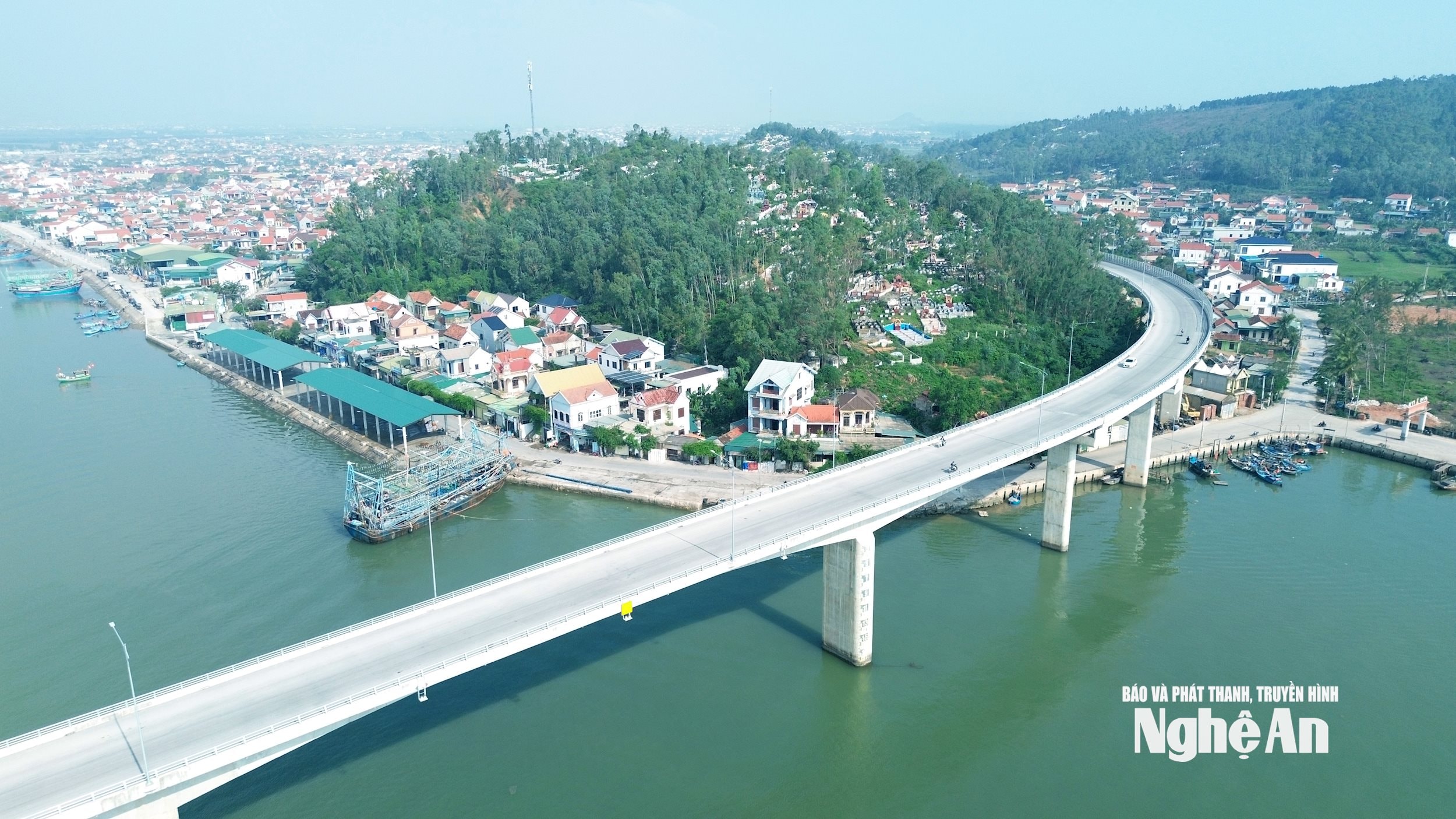
For the first time, the concept of "modern new rural commune" has been defined in a national legal framework. Accordingly, a modern new rural commune is a pilot model for building communes with synchronous and smart socio-economic infrastructure; an economy developed based on digital transformation; a safe living environment rich in traditional cultural identity; and a continuously improving material and spiritual life for its people.
This regulation opens up new avenues for localities with favorable development conditions, especially suburban communes, growth engine areas, or localities that have already achieved advanced new rural standards. Encouraging pilot projects for modern new rural communes not only creates momentum for innovation and creativity at the grassroots level but also contributes to narrowing the gap between rural and urban areas, aiming for balanced and harmonious development.
13 conditions for provinces and cities to complete the task of building new rural areas.
According to the Decision, provinces and cities will have completed the task of building new rural areas in the 2026-2030 period when they meet the following conditions:
1. 100% of communes in the area meet the standards of new rural areas (fully meeting the standards required by the National Criteria for New Rural Communes in the period 2026 - 2030).
2. At least 10% of the communes in the area achieve the status of modern new rural communes (fully meeting the requirements of the pilot framework regulations for building modern new rural communes in the period 2026 - 2030).
3. Where necessary, rural development in wards formed by reorganization with commune administrative units and where agricultural land accounts for 70% or more of the total natural land area of the ward as of July 1, 2025, or rural development in special zones, must ensure that at least 70% of the criteria (including the following criteria: average per capita income growth rate; effective planning and implementation of OCOP product development plans linked to the local characteristics and strengths; private economic development activities in the area linked to job creation and income for local workers; multidimensional poverty rate; percentage of households using clean water according to standards; ensuring food safety) are met as required for Group 1 communes under the National Criteria for New Rural Communes for the period 2026-2030, as specifically stipulated by the People's Committee of the province or city.
4. The transportation system in the province/city ensures connectivity to all communes and is maintained annually (including at least 70% of provincial roads in the area being planted with trees along the route) according to the guidelines of the Ministry of Construction.
5. There are sufficient types of provincial-level cultural institutions in accordance with the guidelines of the Ministry of Culture, Sports and Tourism.
6. Achieve universal preschool education for children aged 3 to 5; have at least 80% of general education schools meet national standards; complete compulsory education up to lower secondary level; the percentage of people of school age pursuing post-secondary education reaches 50% or more, as guided by the Ministry of Education and Training.
7. The primary healthcare system in the province/city meets the needs of the people for disease prevention, examination, and treatment in accordance with the guidelines of the Ministry of Health.
8. There are projects or plans and policies to support: the development of OCOP (One Commune One Product) and the development of rural tourism in the area, following the guidance of the Ministry of Agriculture and Environment.
9. 100% of work files at the provincial level are processed online (except for work files classified as state secrets), as specifically stipulated by the People's Committee of the province or city.
10. The average growth rate of the private economy reaches 10% or more per year, as guided by the Ministry of Finance.
11. Provincial-level centralized solid waste treatment facilities must meet environmental protection requirements as guided by the Ministry of Agriculture and Environment.
12. The public satisfaction index with the services of state administrative agencies reaches 85% or higher.
13. Security and order throughout the province and city are ensured in accordance with the guidelines of the Ministry of Public Security.
Regulations stipulating that provinces and centrally-administered cities must complete the task of building new rural areas in the 2026-2030 period will increase 5 conditions compared to the 2021-2025 period, aiming to create motivation and encourage provinces and cities to strive to complete the task of building new rural areas, contributing to further improving the quality of life for rural people.
Decision 51/2025/QD-TTg takes effect from February 15, 2026.


