
Proactively and flexibly implement sustainable population work.
The Population Law aims to shift the focus from family planning to "population and development": maintaining replacement fertility rates, reducing gender imbalance at birth, adapting to population aging, and improving the quality of the population. These policies will directly impact Nghe An province and require adjustments to population management to suit the context.
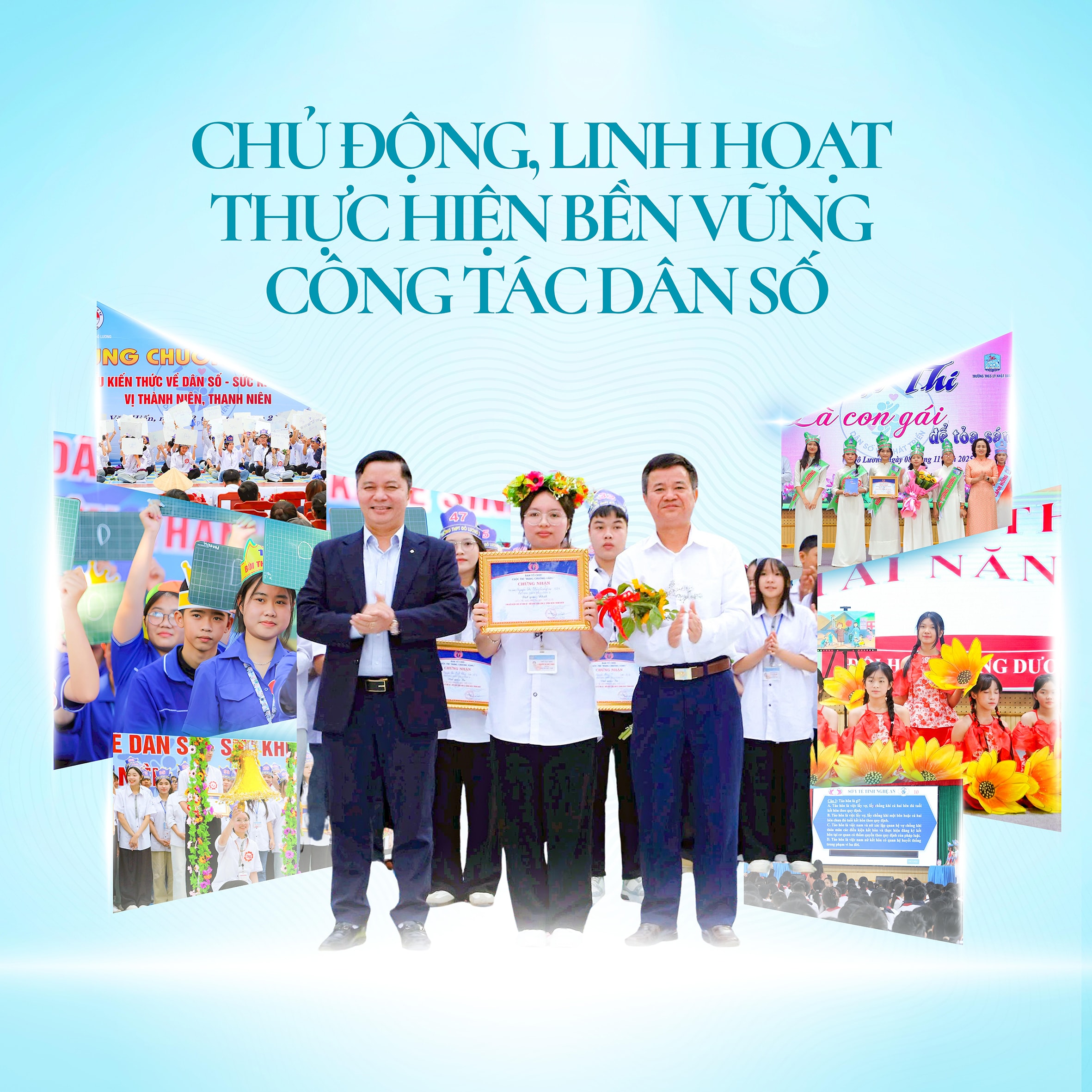
The Population Law aims to shift the focus from family planning to "population and development": maintaining replacement fertility rates, reducing gender imbalance at birth, adapting to population aging, and improving the quality of the population. These policies will directly impact Nghe An province and require adjustments to population management to suit the context.
To review the achievements, identify the advantages, difficulties, and challenges in the coming years, Nghe An Newspaper and Radio and Television conducted an interview with Mr. Nguyen Van Nam - Deputy Director of the Department of Health.
PV:Sir, the Population Law, scheduled for December 2025, includes many groundbreaking policies. How do you assess these changes and their significance?
Mr. Nguyen Van Nam:First and foremost, it can be affirmed that this Population Law represents a very important shift in thinking, reflecting a more comprehensive approach to population work in the new context.
While previously our focus was primarily on family planning and birth rate control, the emphasis has now expanded to "Population and Development" with four pillars: maintaining replacement fertility rates, reducing gender imbalance at birth, adapting to population aging, and improving the quality of the population. These are strategically important issues that directly impact the sustainable development of the country in the context of global integration. This shift has profound strategic significance.
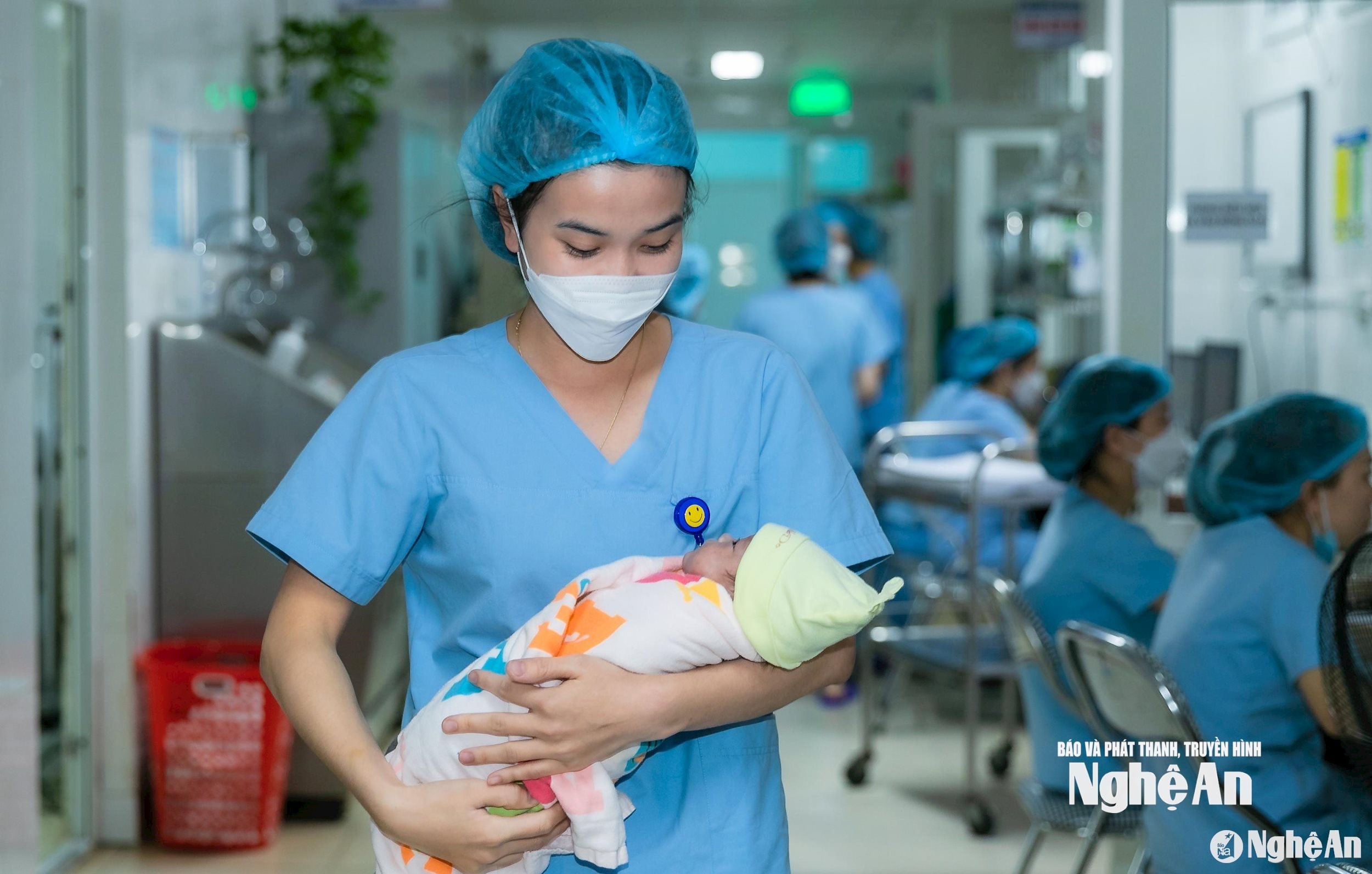
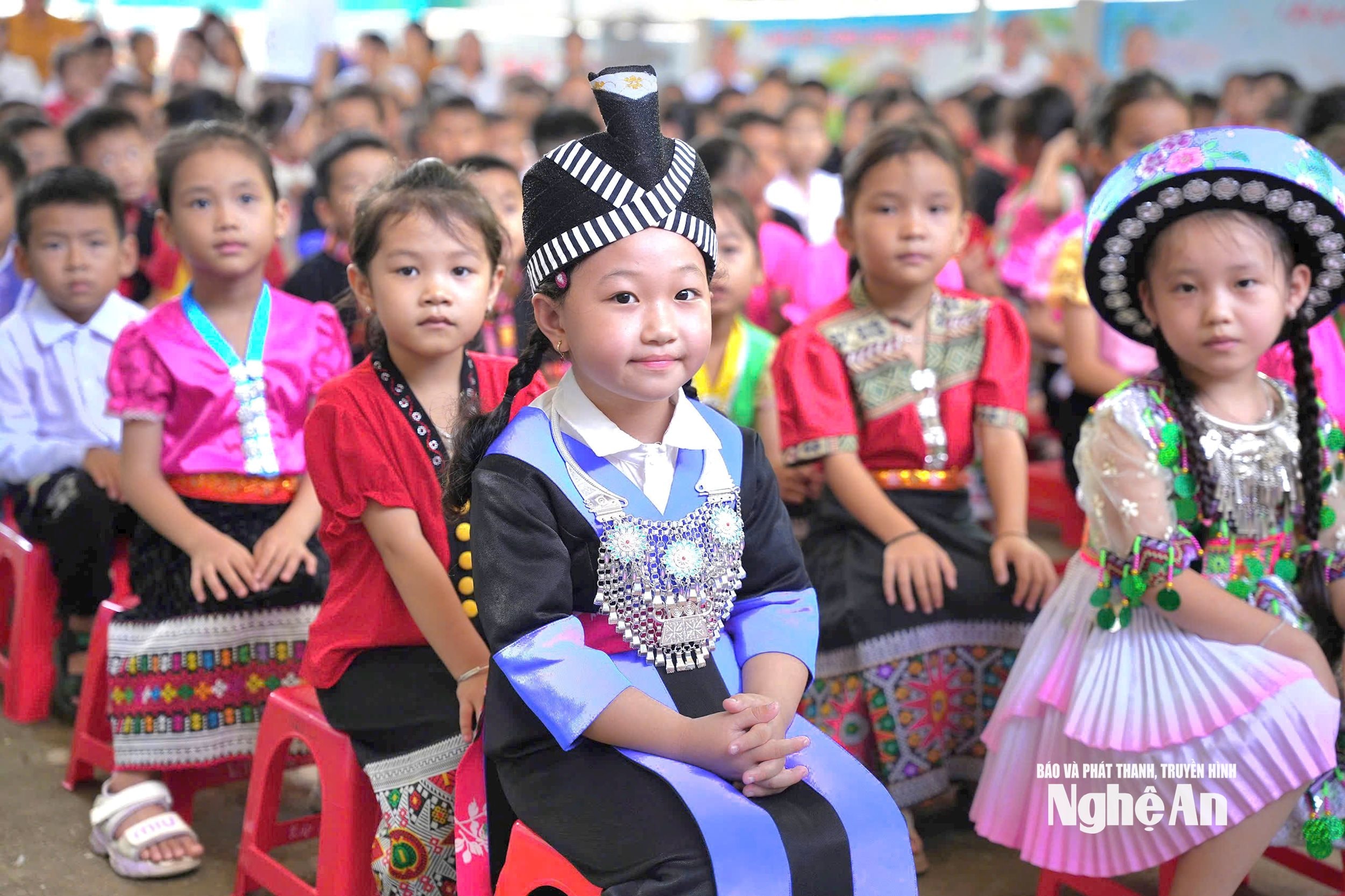
In Nghe An, all four of these key issues are clearly evident.
The firstMaintaining the replacement fertility rate not only ensures stable population growth but also helps the province better utilize its demographic dividend. Nghe An has disparities in fertility rates between regions, therefore appropriate communication, counseling, and support services are needed to both maintain a reasonable fertility rate and ensure the reproductive rights of the people.
This is a prerequisite for ensuring a balanced workforce across generations, serving the long-term goal of socio-economic development.
Monday,Reducing gender imbalance at birth ensures social security and equity. Regulations aimed at reducing gender imbalance at birth will create a stronger legal framework to prevent sex selection of fetuses.
From a social perspective: This is a fundamental measure to address gender stereotypes in localities with high sex ratios at birth, such as Nghe An. The law encourages the community to integrate gender equality content, eliminating discrimination between men and women, and not prioritizing children over children.
In local customs and traditions, boys are considered superior to girls.
In terms of social security: A serious long-term gender imbalance can lead to a surplus of men, potentially increasing security and order issues, violence, and social ills (such as prostitution and human trafficking). This policy is an effective social preventative measure, indirectly supporting security and order management and the prevention of social ills at the local level.Mr. Nguyen Van Nam
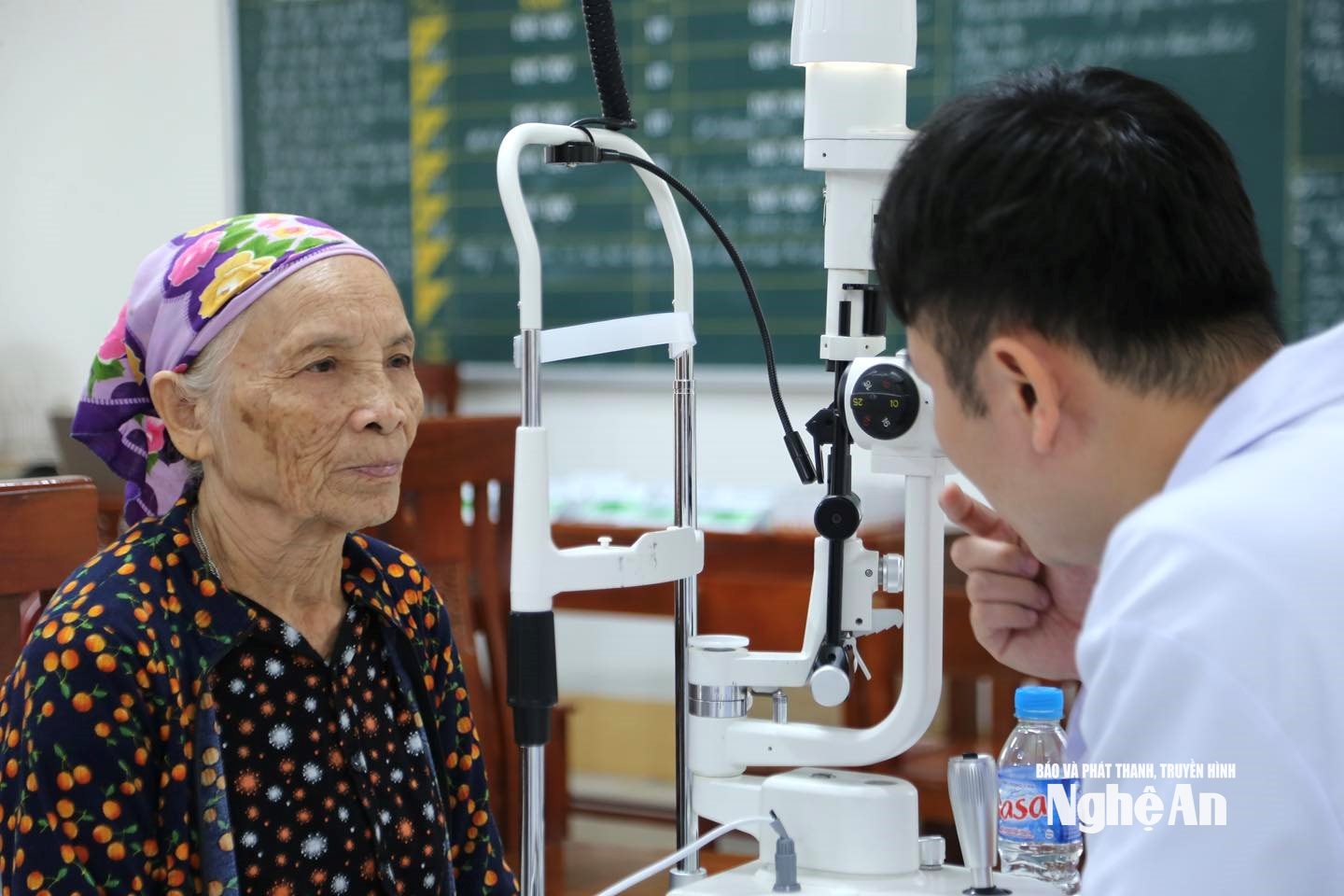
Tuesday,The issue of population aging is occurring faster than predicted. With a population of over 3.6 million, Nghe An province is experiencing a rapid increase in the proportion of elderly people, requiring the province to develop appropriate adaptation strategies soon.
To adapt to an aging population, a comprehensive care system needs to be built. The newly enacted Population Law dedicates a separate chapter to policies for the elderly, emphasizing the development of geriatric human resources, support for long-term care, community-based healthcare services, and mechanisms for monitoring against violence and violations of the rights of the elderly.
.jpg)
Wednesday,Improving the quality of the population – investing in human capital. This policy focuses on everything from reproductive health care, prenatal and neonatal screening to improving physical and intellectual capabilities – factors that determine the quality of the workforce. This is also the foundation for meeting the socio-economic development requirements of Vietnam and Nghe An province, ensuring that future generations have sufficient health and intelligence to adapt to the Fourth Industrial Revolution.
In other words, the changes in the law are not just technical adjustments, but a shift in mindset, viewing population as a driving force for development. For Nghe An, this is a great opportunity to restructure population activities in a more proactive and sustainable direction.
PV:Population work in Nghe An province has achieved many encouraging results. However, some argue that the implementation of the new Population Law will significantly impact the implementation of population-related activities, especially in provinces with high birth rates like Nghe An. In your opinion, what are the advantages and disadvantages that the province is currently facing?
Mr. Nguyen Van Nam:Over the years, Nghe An province's population work has achieved many important results, directly contributing to socio-economic development. We are also pleased that, thanks to the intensified communication efforts, behaviors regarding population and family planning have changed, becoming increasingly in-depth, helping to significantly improve people's awareness of the size, structure, and quality of the population.
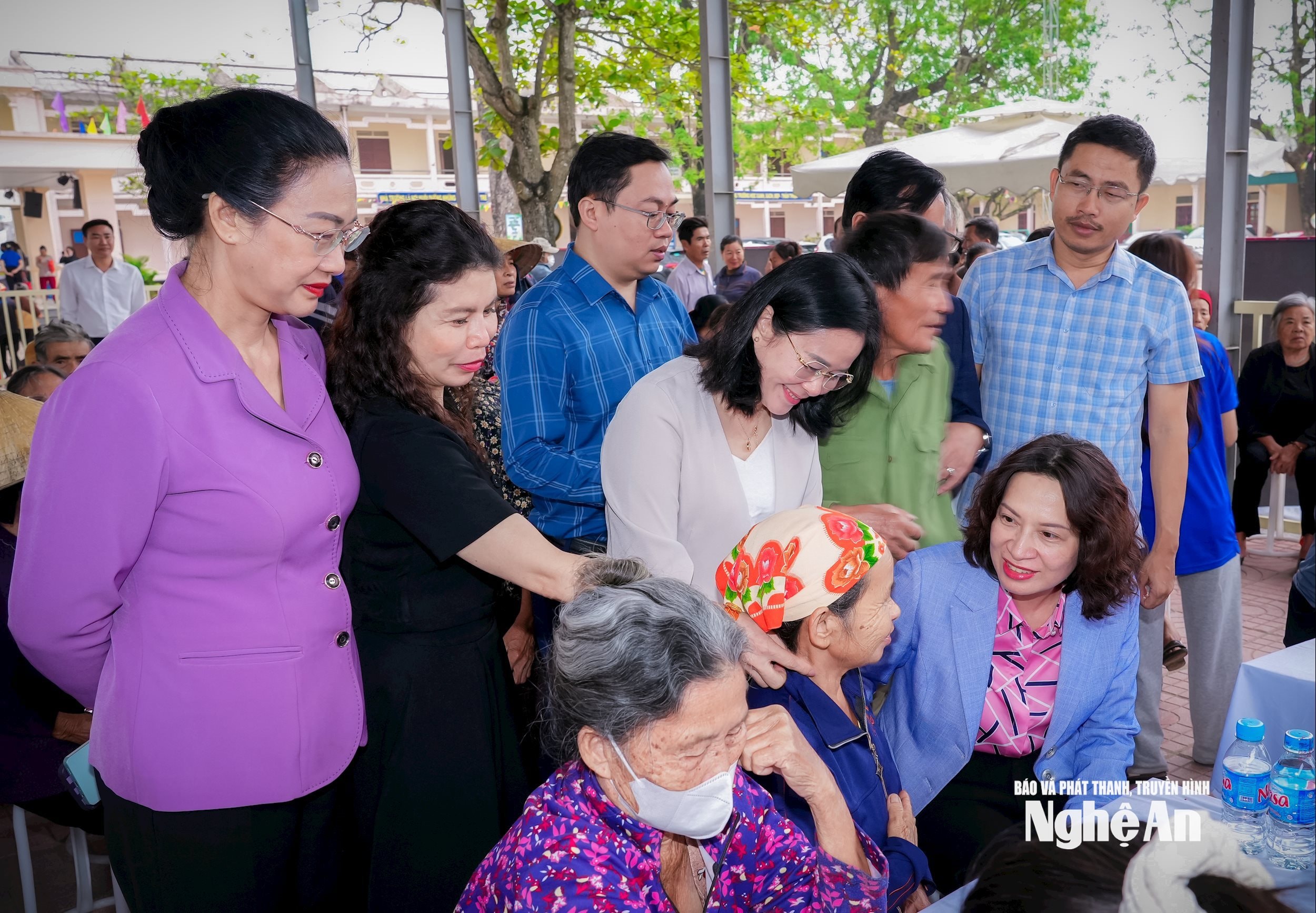
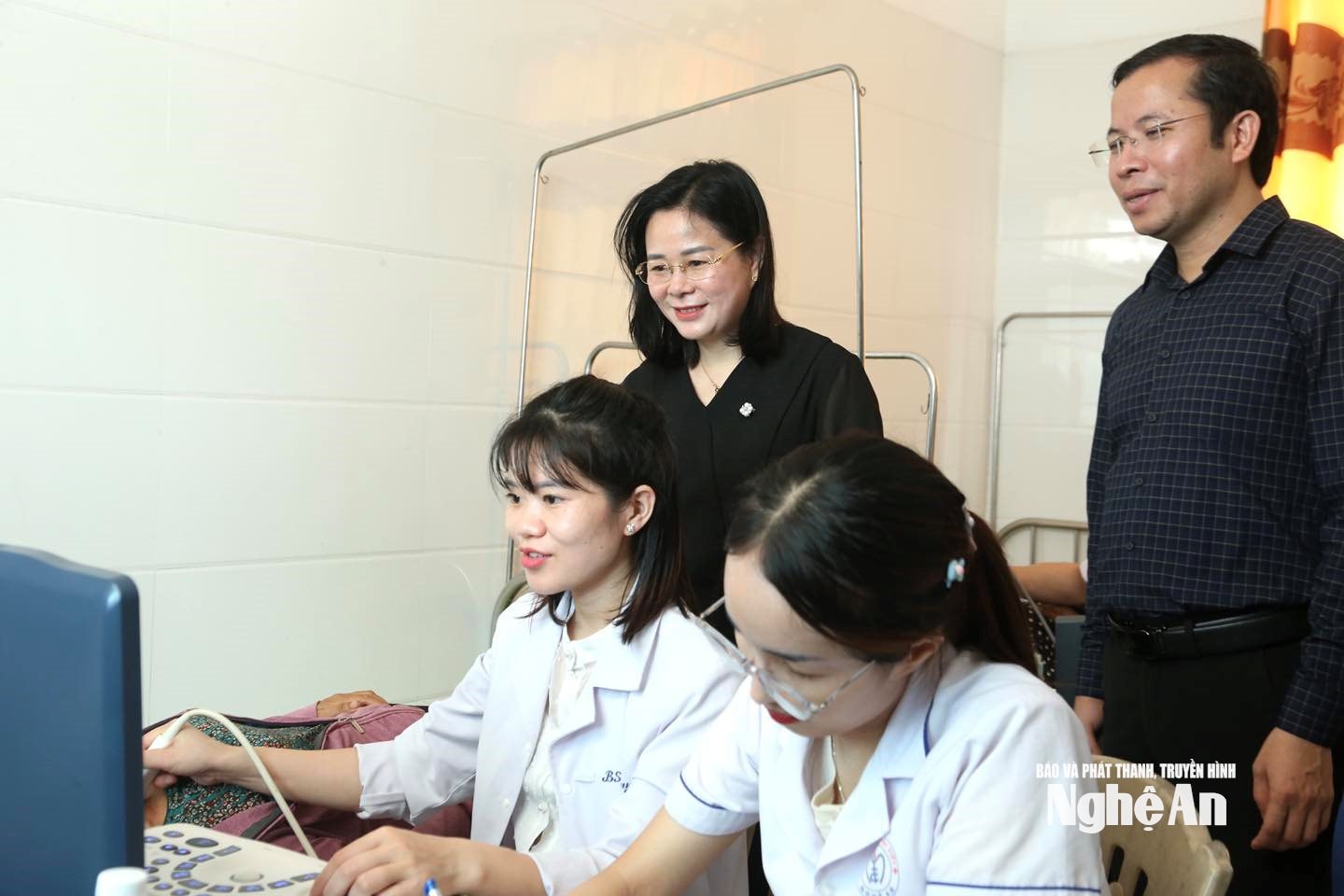
Furthermore, prenatal and neonatal screening programs, reproductive health care, and adolescent/youth health care have been effectively implemented, contributing to reducing the burden of congenital diseases and improving the quality of the gene pool. Many successful models, such as pre-marital counseling and health check-ups, and measures to reduce child marriage and consanguineous marriage, have yielded practical results.
Over the years, although the sex ratio at birth in Nghe An remains high, thanks to intensified communication, inspection, monitoring, and inter-sectoral coordination, the rapid increase has been gradually curbed and stopped.
These results provide an important foundation for Nghe An to continue implementing population work effectively in the new phase.
In the current context, the Population Law has created a more unified, synchronized, and comprehensive legal framework, providing localities with a solid basis to implement population programs in the direction of "population and development." During implementation, the province's population work has benefited from many advantages, thanks to the close attention and guidance of the Provincial Party Committee, the Provincial People's Council, and the Provincial People's Committee, along with the coordination of various departments, agencies, and local Party committees and authorities – a crucial factor.
In addition, the population system from the provincial to the grassroots level has been strengthened, and the team of experienced and dedicated collaborators is the core force in mobilizing the people.

However, the shift in focus from "family planning" to "population and development" has led to a significant increase in the workload. New areas such as population aging, improving population quality, and migration management all require stronger resources, closer inter-sectoral coordination, and a more strategic and comprehensive approach. This presents a major governance and budgetary challenge as it necessitates a shift in thinking from "disbursing funds for family planning" to "investing in population and development" in a rational manner.
Nghe An is currently one of the provinces with a high sex ratio at birth. This situation remains complex and poses many long-term risks. Therefore, implementing the Law requires individualized interventions for each region, and the implementation of strong and continuous communication strategies.
The province's population work is also facing difficulties in specific areas, especially in mountainous regions and areas inhabited by ethnic minorities. Limited access to information is a reason why population-related practices such as child marriage and consanguineous marriage have not been addressed.
Sustainable change is essential. These areas require prioritized resources and the application of specific solutions tailored to the socio-cultural characteristics of each community.
The rapid aging of the population is creating significant pressure on the social security system. In particular, the network of long-term care services, community-based elderly care, and family-based care models has not yet developed adequately.This gap will become a major challenge, requiring the province to promptly find solutions to invest in building a geriatric pathology system and appropriate care service model, and to train personnel to meet the growing care needs.
Mr. Nguyen Van Nam
PV: Therefore, in order to achieve the stated goals,What will be the focus of population work in the coming period, sir?
Mr. Nguyen Van Nam:Nghe An's population work is facing a great opportunity for innovation, but at the same time, it must also confront many new demands, requiring greater efforts in terms of resources, solutions, and coordination among sectors and levels.


.jpg)
To realize the objectives of the Population Law, in the coming period, Nghe An province's population work will focus on key areas, namely maintaining a reasonable birth rate according to region. Specifically, in areas with high birth rates, communication will be strengthened and family planning services expanded. In areas experiencing a sharp decline in birth rates, emphasis will be placed on measures to support childbirth and create favorable conditions for couples to confidently have two children.
At the same time, it is necessary to expand models of healthcare for the elderly, focusing on managing and screening for non-communicable diseases (NCDs) in the elderly, and improving the quality of primary healthcare services. Coordination with relevant sectors is needed to build a friendly and welcoming living environment for the elderly, ensuring they live healthy and productive lives.
.jpg)

.jpg)
To improve the overall quality of the population, it is necessary to promote prenatal and neonatal screening programs as a foundation for future health. Strengthening healthcare for adolescents and young people, and minimizing child marriage and consanguineous marriage in ethnic minority areas are crucial tasks that are essential for the quality of future human resources.
With this preparation, the Health sector is confident that Nghe An will be proactive and flexible in implementing the new Population Law, ensuring that population work continues to achieve sustainable results, contributing to improving the quality of life of the people and developing human resources for the province in the new period.
PV:Thank yougrandfather!


