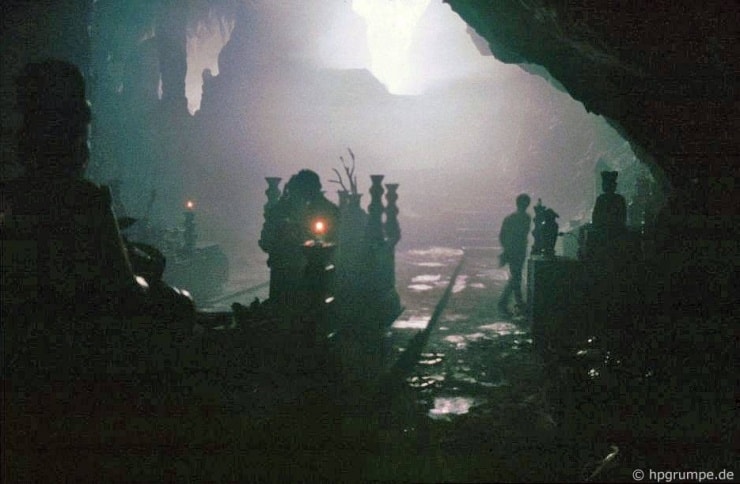
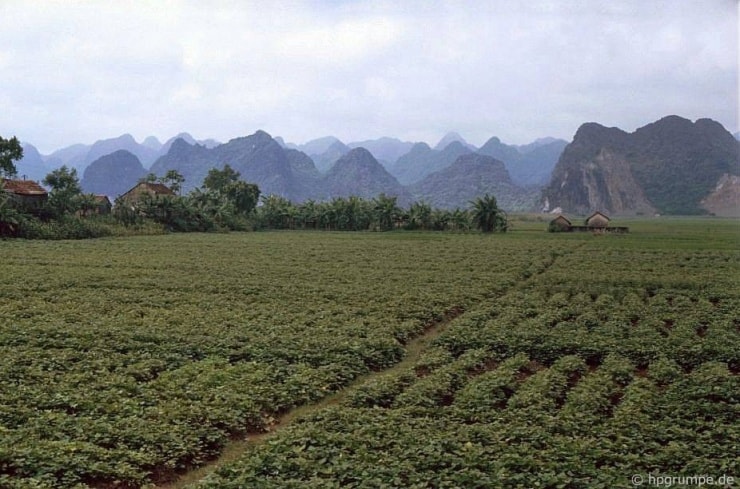
Huong Pagoda 35 years ago through the lens of international tourists: The pristine beauty of the first cave of Southern Vietnam.
Photographs taken by German tourist Hans-Peter Grumpe in 1991 depict the tranquil Yen Stream and the ancient Huong Tich Cave before tourism boomed.
In 1991, Hans-Peter Grumpe, a German teacher, embarked on a journey to explore Vietnam from South to North. In his memory, tourism in Vietnam 35 years ago was still very rudimentary, with travel between locations fraught with difficulties due to special permit requirements. His photographic documentation of the Huong Son scenic area (My Duc, Hanoi) captured a historical period when the landscape and people there retained their rustic, natural charm.
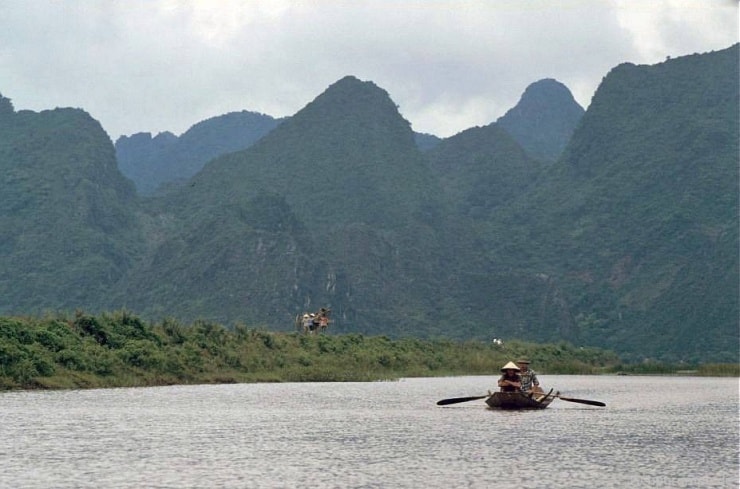
A journey down the Yen stream by bamboo boat.
Hans-Peter Grumpe's pilgrimage to Huong Pagoda began at Duc Wharf. At the time, in 1991, the area was very simple, with virtually no tourist services or modern infrastructure. The landscape on both banks had the peaceful charm characteristic of the Northern Vietnamese countryside.
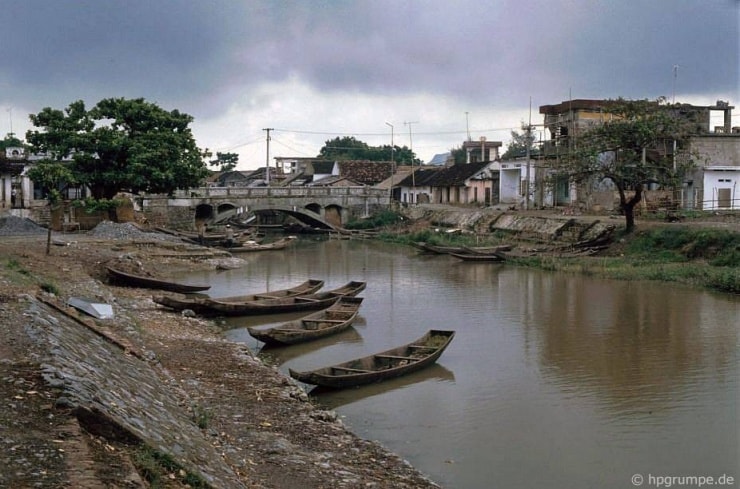
To reach the center of the historical site complex, visitors had to endure a nearly two-hour journey on the Yen Stream. Hans-Peter likened this area to a "Ha Long Bay on land." The most remarkable thing at the time was that all the boats transporting passengers were hand-rowed bamboo boats, without engines, maintaining absolute tranquility on the water's surface.
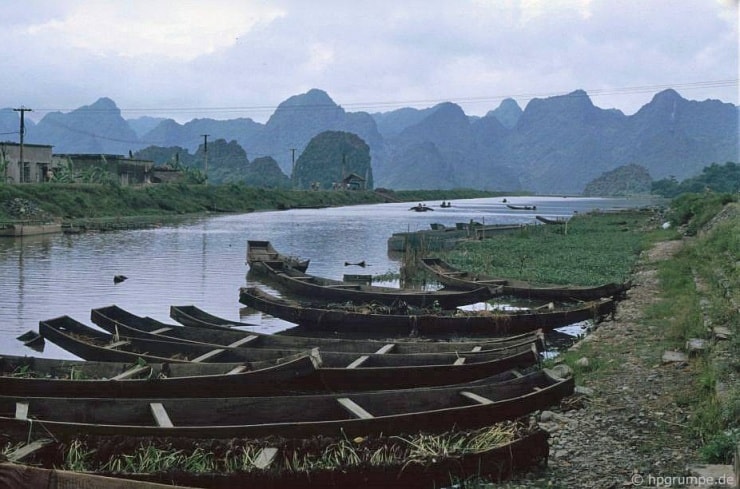
Along the stream, visitors can easily spot local people herding ducks or farming, creating a vibrant and pristine scene of daily life. This unspoiled beauty made a strong impression on the German tourist.

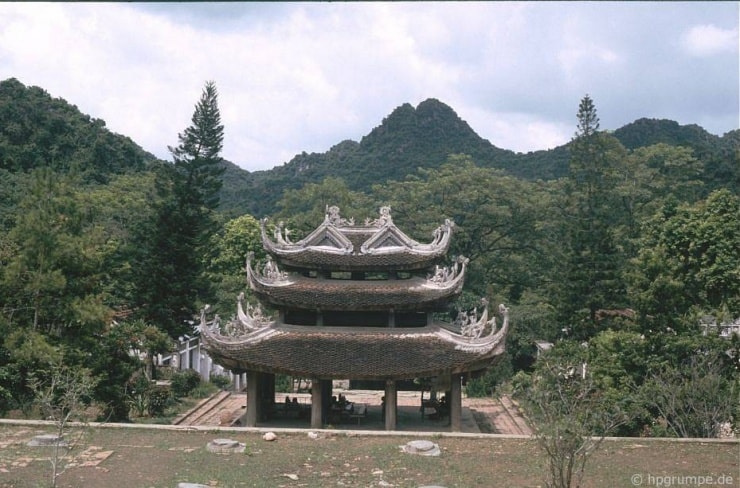
Cultural landmarks at Thien Tru Pagoda and Huong Tich Cave
After the boat docked, the first stop was Thien Tru Pagoda (also known as the Outer Pagoda). This is where the Vien Cong stupa is located and also the site of important ceremonies of the Huong Pagoda festival later on. The architecture of the bell tower and other structures here bears the strong imprint of time with moss-covered tiled roofs.
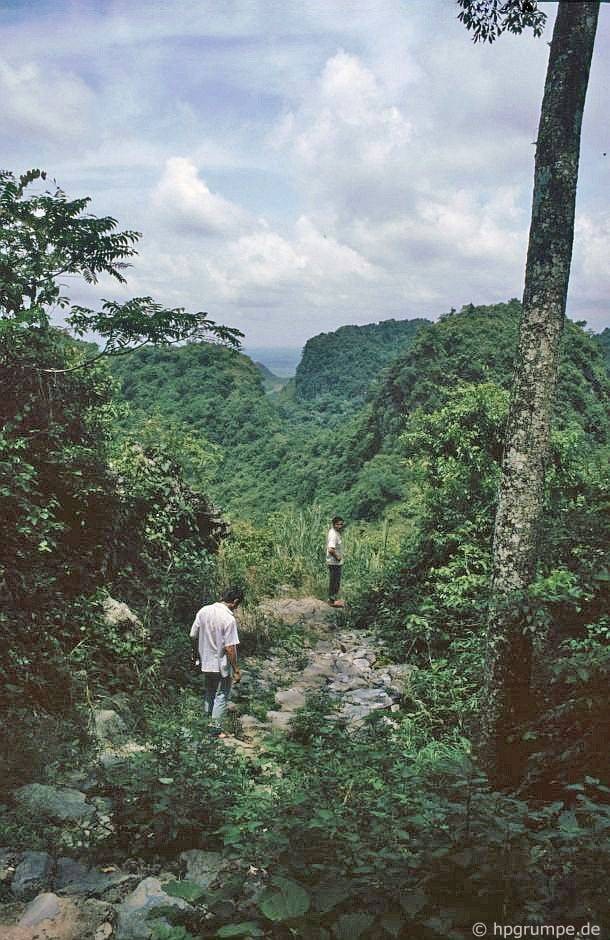
To reach Huong Tich Cave – the center of the entire complex of historical relics – visitors must conquer steep stone steps. This is a challenge that requires perseverance from pilgrims before admiring the beauty of the cave, which was bestowed the title "The First Cave of Southern Heaven" by King Trinh Sam in 1770.
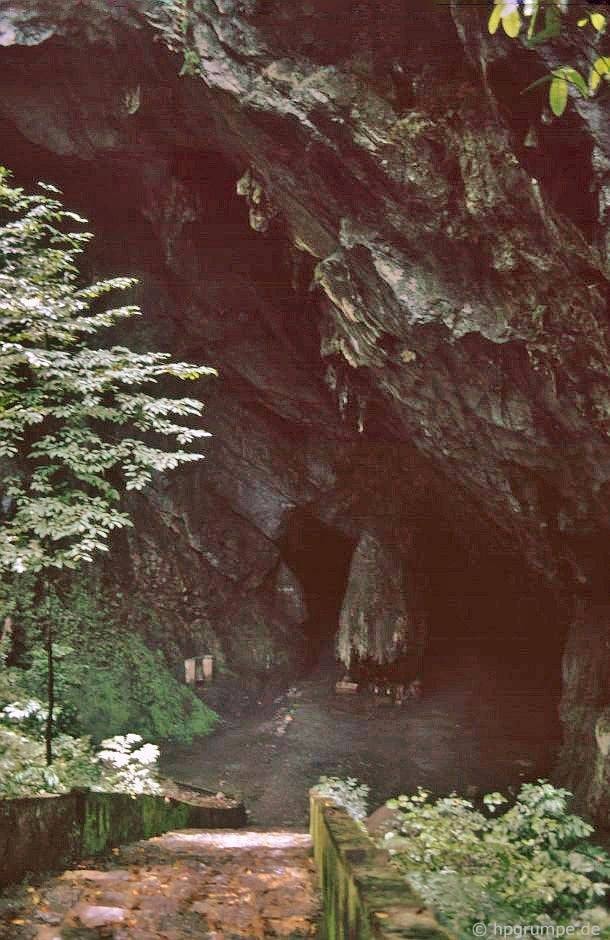
Inside Huong Tich Cave, natural stalactites and stalagmites form fascinating shapes, such as the Rice Mound rock formation. Viewed from afar, the cave entrance resembles the wide-open mouth of a giant dragon, creating a sense of majesty and sacredness.
After his 1991 trip, Hans-Peter Grumpe returned to Vietnam several times in 1992 and 1993 to continue his research into the culture and history of the country. The images of Huong Pagoda from 1991 are not only personal memories but also valuable documentation of the appearance of one of Vietnam's largest religious sites during the early Doi Moi (Renovation) period.