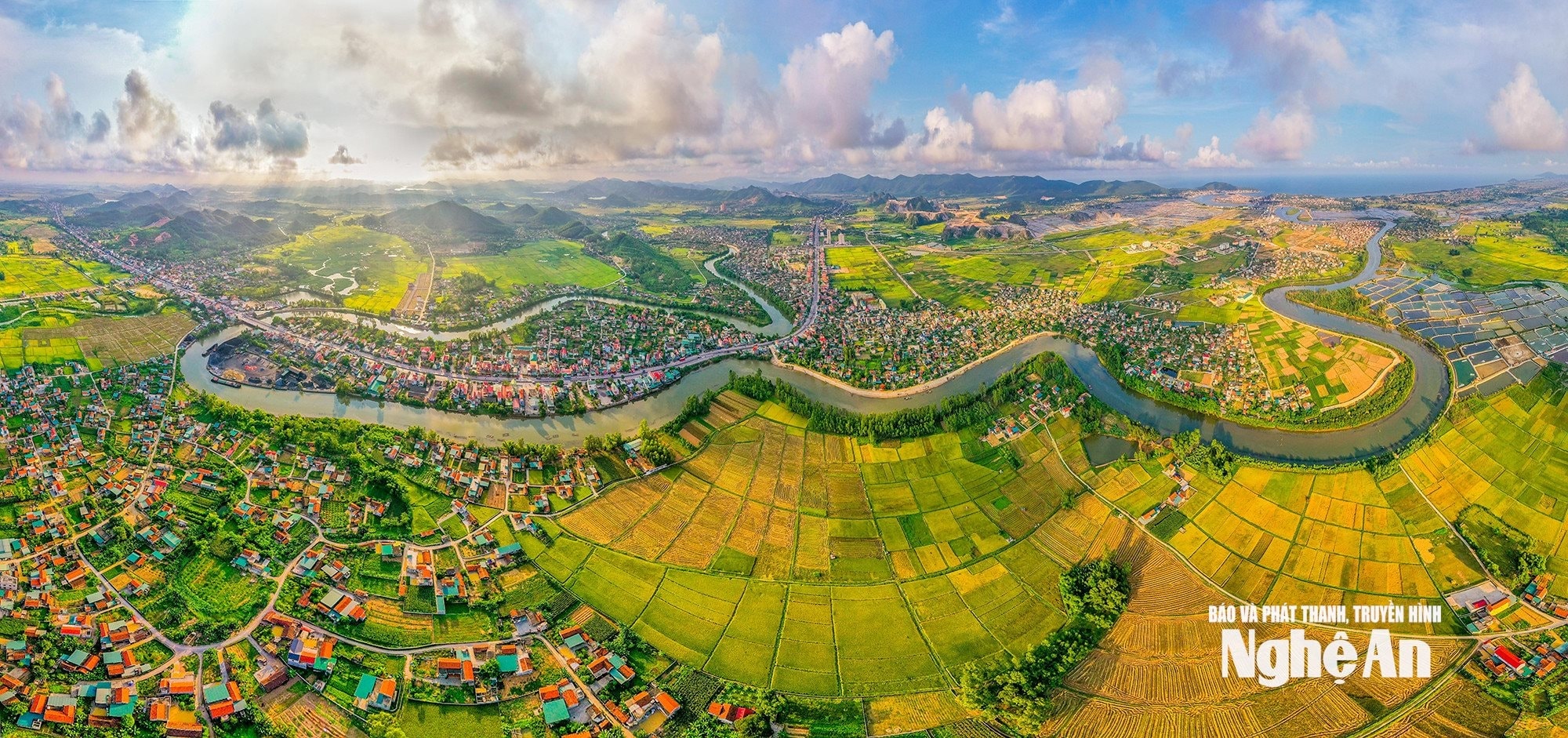
Working together with unity, determination, and resolve for the prosperous and happy lives of the people.
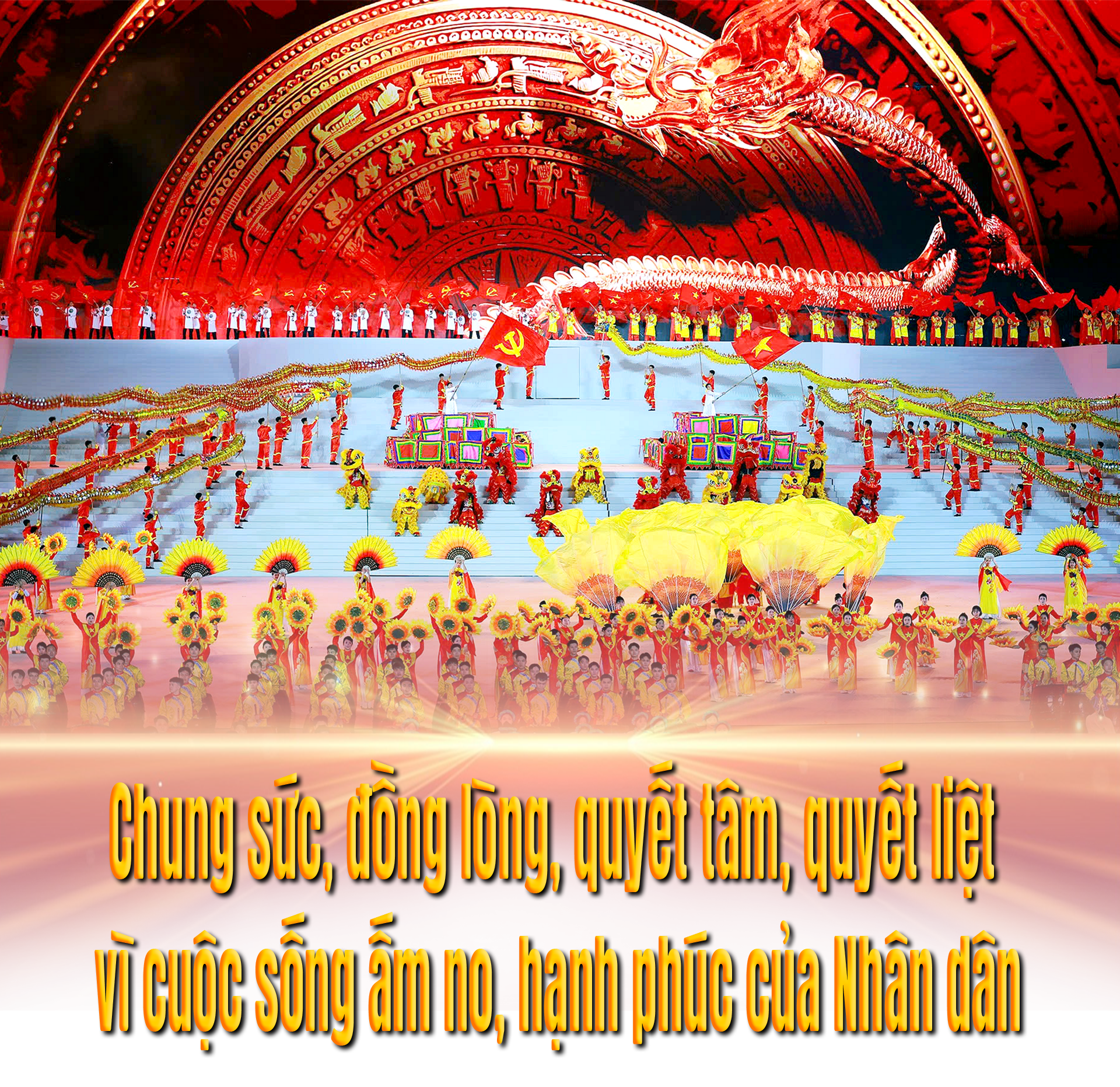
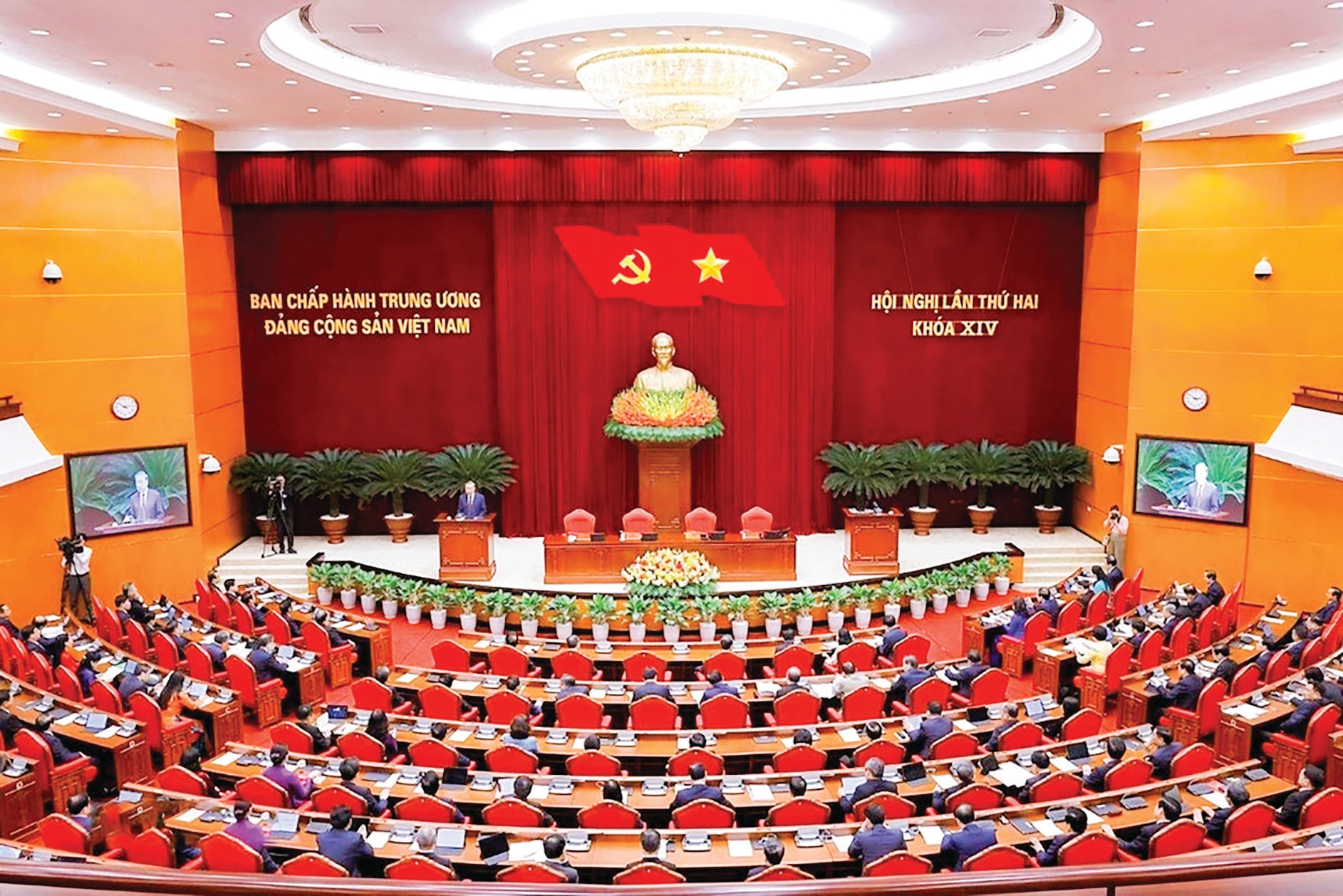
In his closing remarks at the 2nd Plenum of the 14th Central Committee, while emphasizing the action motto of the entire Party, the entire people, and the entire army, General Secretary To Lam posed a very evocative proposition: "To work together, with unity of purpose, determination, and decisive action for the prosperous and happy life of the people"...
Assoc. Prof. Dr. Bui Hoai Son
(Committee) (Commissioner of the National Assembly's Committee on Culture and Social Affairs)
Present: Hong Toai• April 1, 2026
*****
In his closing remarks at the 2nd Plenum of the 14th Central Committee, while emphasizing the action motto of the entire Party, the entire people, and the entire army, General Secretary To Lam put forward a very evocative proposition: "To work together, with unity of purpose, determination, and decisive action for the prosperous and happy life of the people." This is not only a call to action, but also a major orientation for development: To move the country forward, we must unleash the strength of the people, transform the common will into a common driving force, and make the aspiration for development a belief and responsibility of the entire society.
In the development journey of a nation, there are visible resources: land, natural resources, investment capital, infrastructure, and technology. But there are also intangible resources without which all tangible resources struggle to reach their full potential. These are the people's hearts, social trust, consensus, and the aspiration for progress of the entire community. Therefore, when General Secretary To Lam emphasized the need for "joint efforts and unity" in his closing remarks at the 2nd Plenum of the 14th Central Committee, it was not merely a call for unity in the ordinary sense, but an affirmation of a truth of development: a country can only progress rapidly and sustainably when it knows how to gather the strength of its people, harness their intelligence, awaken their responsibility, and make each citizen feel they are a part of that great journey.
Over the years, we've talked a lot about innovation, digital transformation, international integration, and new growth models. All are important. But ultimately, the decisive factor remains people. No matter how advanced technology becomes, it still needs people to use it. No matter how progressive institutions become, they still need people to implement them. No matter how right policies are, they still need people to believe in and support them. Therefore, discussing development today means talking about unleashing the power of the Vietnamese people, not only in their labor capacity and creativity, but also in their sense of responsibility, cultural identity, civic consciousness, and desire to contribute.
What is truly profound in General Secretary To Lam's message is that the guiding principle of action doesn't stop at grand concepts like growth, strategy, or institutions, but culminates in a very clear goal: the well-being and happiness of the people. This demonstrates a fundamental consistency: all development efforts ultimately return to the people. We don't pursue growth just to have impressive numbers. We don't reform just to make the system operate differently. We innovate not just to keep up with the times. Ultimately, everything must aim to make people live better, feel more secure, have more opportunities for development, and be happier.
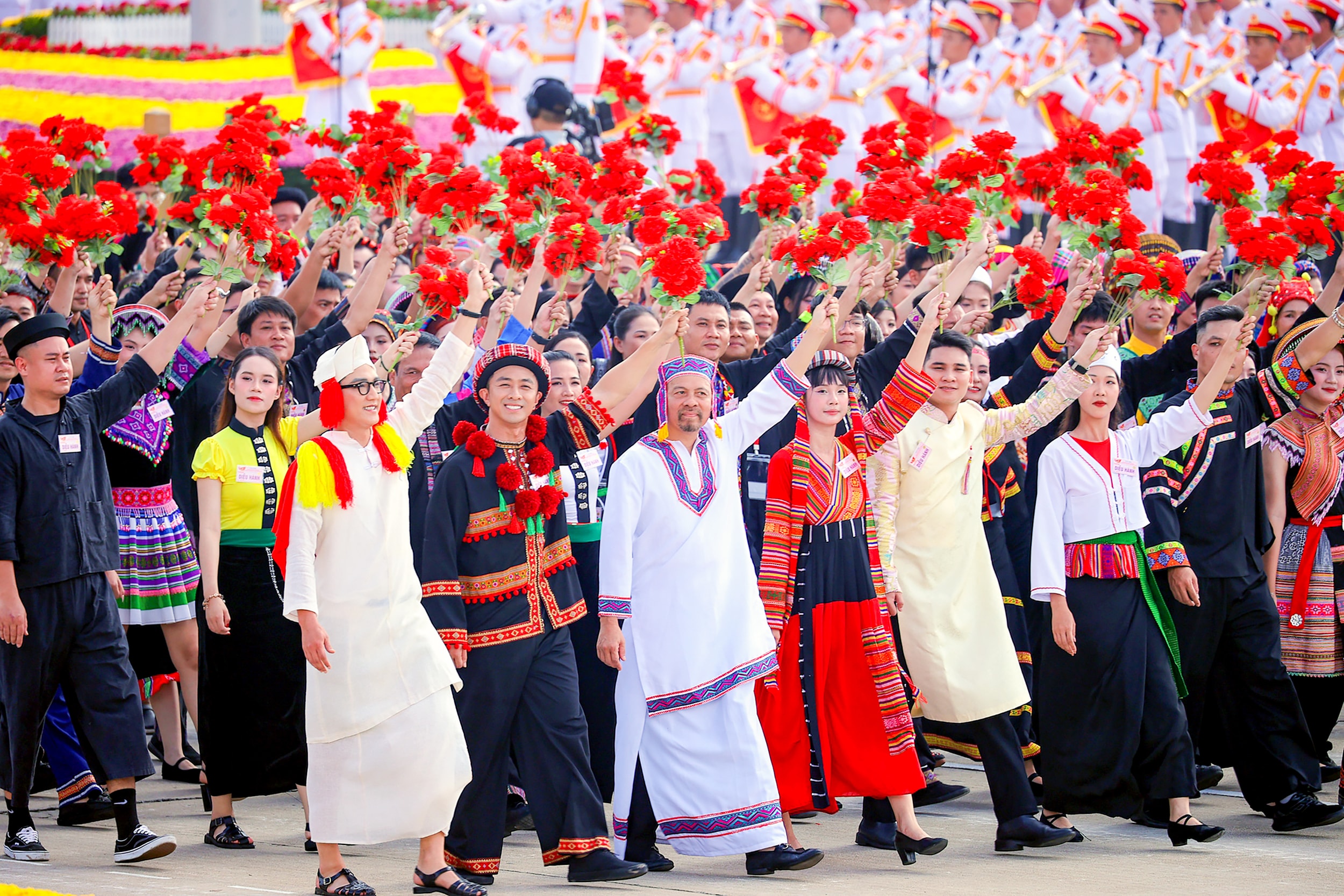
Therefore, "working together in unity" must first and foremost be understood as working together for the benefit of humanity, united in purpose for a humane development goal. This is not merely a slogan, but a very specific requirement for social organization, for the operation of the system, for policy design, and for leadership and management culture. A society is only truly united when its people believe that major policies are correct, that the policies enacted are fair, that those implementing them are dedicated, and that the fruits of development are shared fairly. If that belief is not built, it is very difficult to speak of true unity.
In his speech, General Secretary To Lam emphasized that high economic growth must serve the interests and improve the material and spiritual lives of the people, as well as social justice. This is a very important way of framing the issue. Because when development achievements are directly linked to the lives of the people, when people see themselves benefiting from growth, being protected by law, enjoying better public services, and living in a more stable environment, then social trust will be strengthened. And when trust is strengthened, the call for "joint efforts and solidarity" will have a practical foundation to become social action.
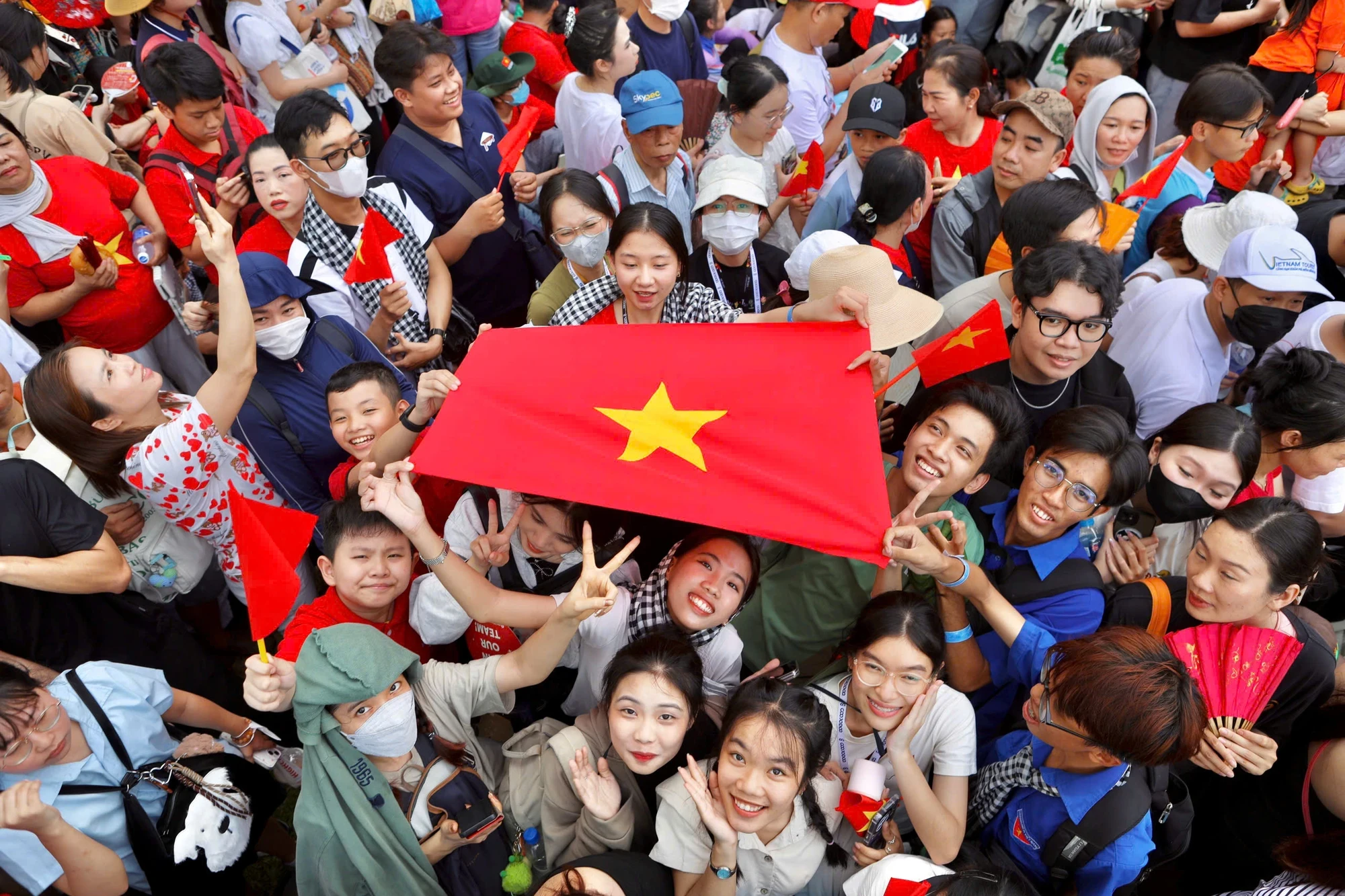
Looking at the situation in Nghe An, this is especially significant. Nghe An is a land rich in patriotic traditions, a love of learning, resilience, and compassion. From this land have emerged countless great figures of the nation, including President Ho Chi Minh – who always reminded us that nothing is more precious than the people in the sky, and nothing is stronger than the united force of the people in the world. This tradition is not only a proud memory but also a tremendous resource for development in the present. A land with such profound history, cultural character, a tradition of learning, and a spirit of progress as Nghe An, if properly nurtured, properly connected, and with people at its center, will create a very enduring intrinsic strength.
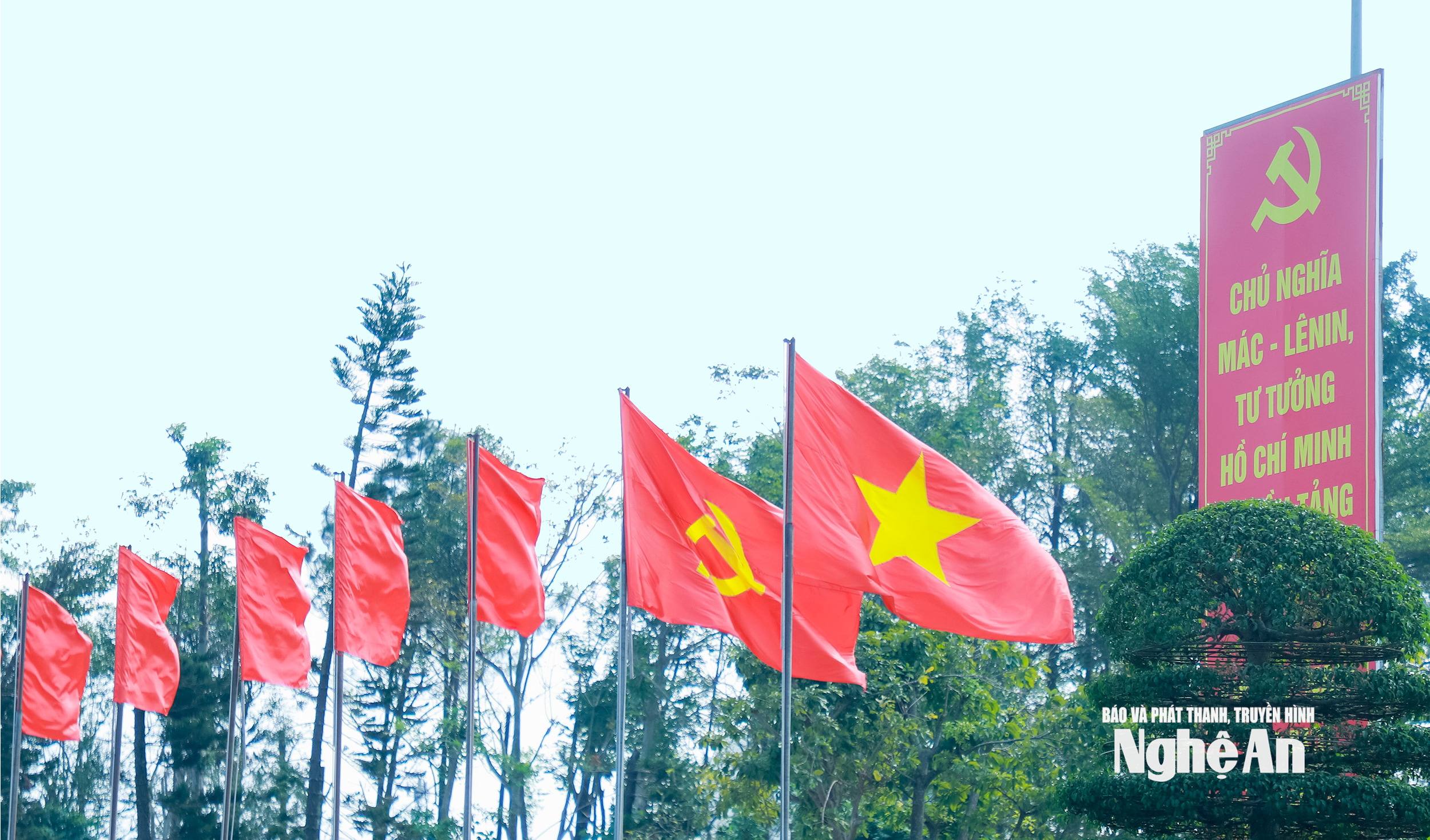
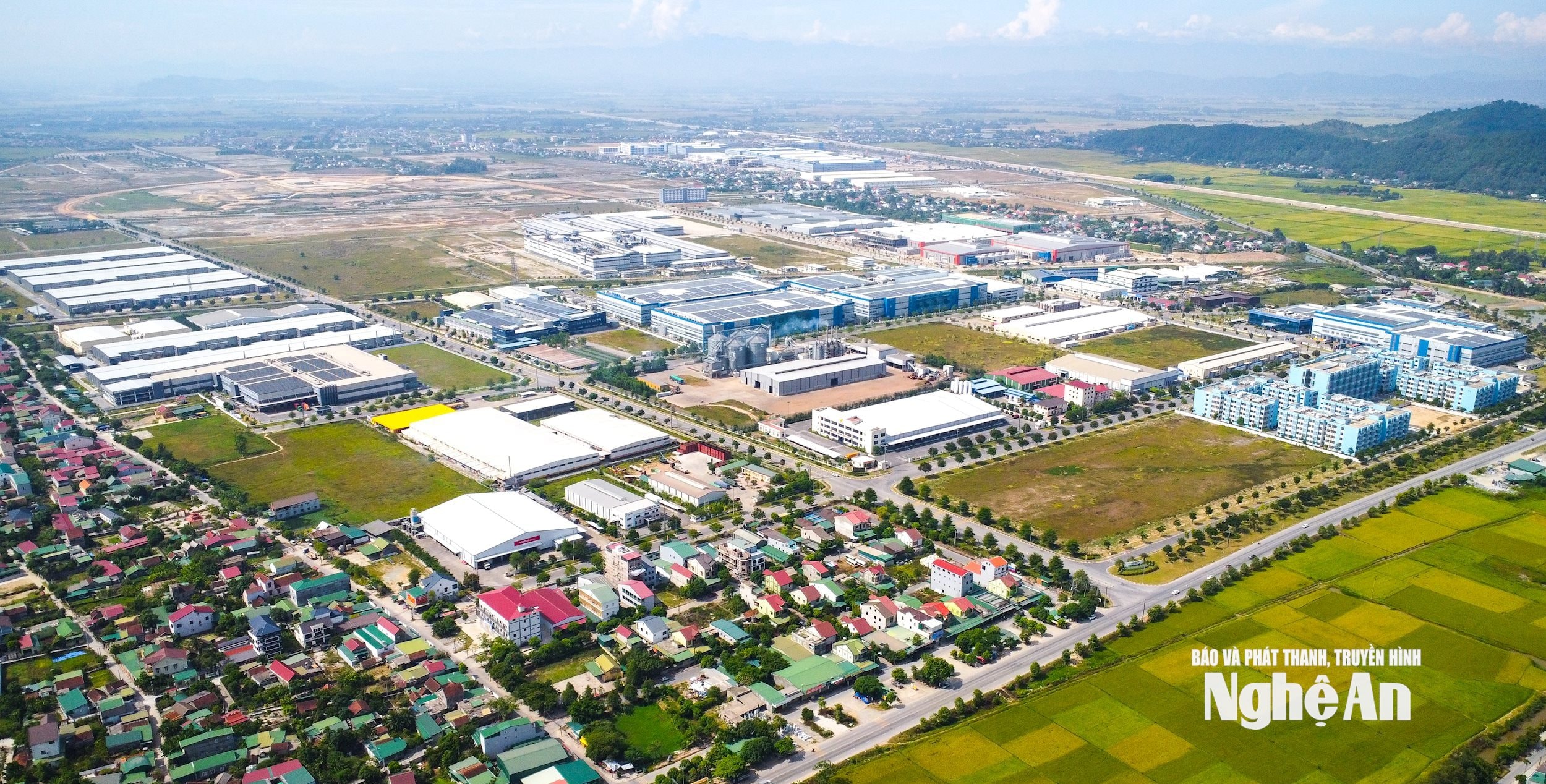
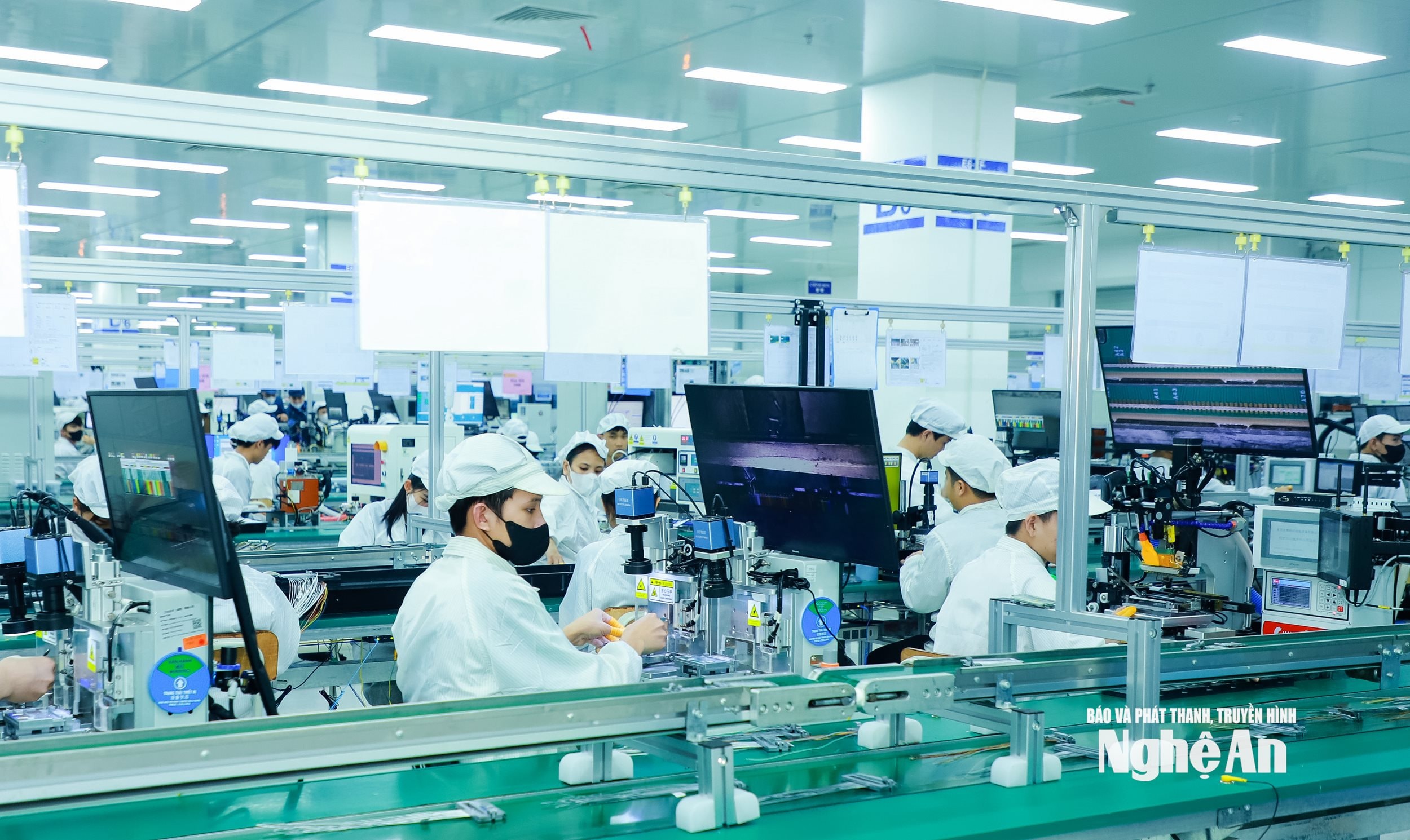
Human strength lies not only in population size or labor quality, but also in resilience, a willingness to learn, community cohesion, love for one's homeland, self-respect, and aspirations for advancement. Over the years, Nghe An has seen positive developments in attracting investment, industrial development, infrastructure, education, and tourism. However, to go even further, the crucial factor is not just more capital or projects, but ensuring that every citizen of Nghe An feels a part of that development, sees their homeland opening up new opportunities, feels their efforts are valued, and that their children's future can be brighter on their own land.


It is here that the concept of "aspiration for development" needs to be understood more deeply. Aspiration is not a fleeting emotion. Aspiration is a source of spiritual energy that can be transformed into action if properly guided and supported by the right policies. A young person has the aspiration to learn, start a business, and contribute. A farmer has the aspiration to legitimately enrich themselves on their land. A business has the aspiration to expand production, improve quality, and compete based on reputation. An official has the aspiration to serve, innovate, and dare to take responsibility for the common good. When these individual aspirations meet in a common aspiration of the homeland and the country, the power of development will be multiplied many times over.
But aspirations cannot be achieved through slogans alone. They need an environment to flourish. They need opportunities to become reality. They need a system that listens, resolves problems, and supports. They need a society that values hard work, respects talent, encourages creativity, and ensures that those who dare to think and act are not left alone. This is the depth of "working together in unity": it's not about everyone saying the same thing, but about everyone looking in the same direction, sharing responsibility, and contributing to a larger goal according to their position and abilities.
General Secretary To Lam also emphasized using the satisfaction of citizens and businesses as a true measure of success. This is a very new requirement for governance culture. Ultimately, human potential is only fully unleashed when people are respected, served, and placed at the center of policy. A good administration is not just one that follows procedures, but one that makes people less worried, more convenient, and more supported in their lives and in production and business. When people see the government apparatus closer to them, more efficient, and more honest, they will trust it more, cooperate more, and truly work together.
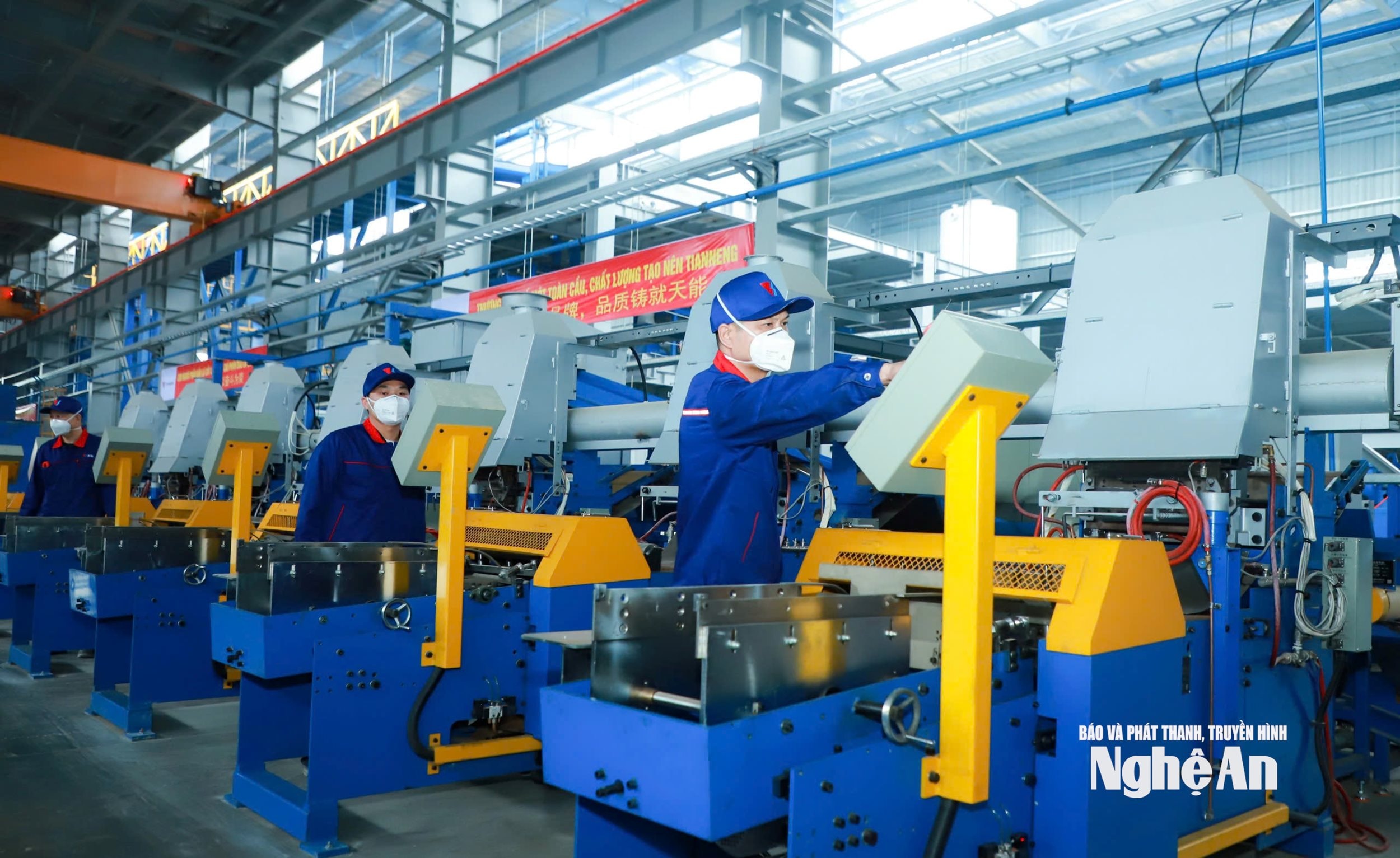
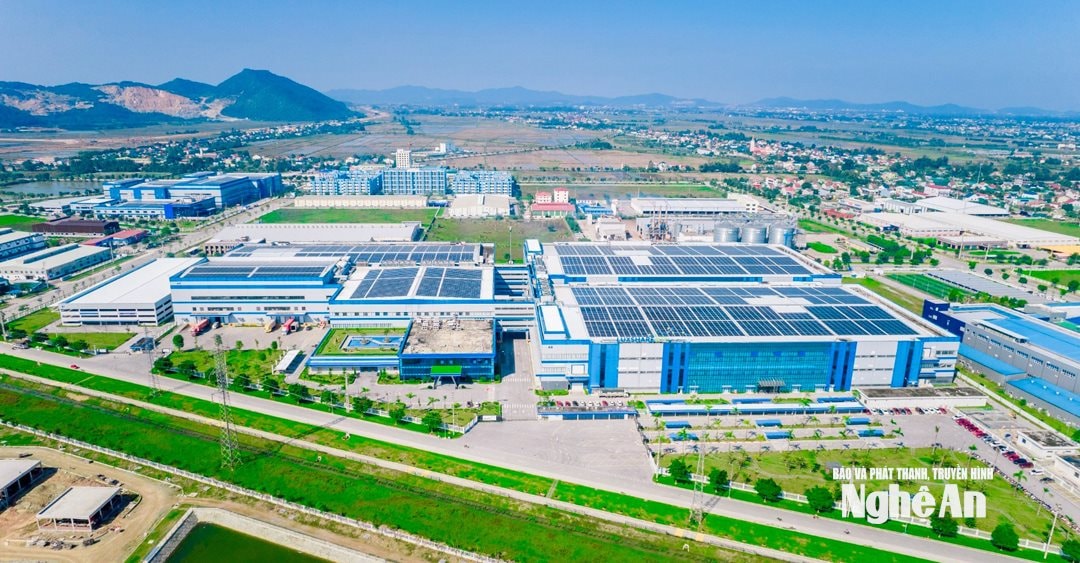
From a cultural perspective, "working together in unity" can also be considered a story of shared values. A society that wants to harness human strength must have common values as a foundation: patriotism, responsibility, loyalty, honesty, creativity, discipline, and compassion. If society is fragmented by selfishness, self-interest, indifference, or dominated by a "every man for himself" mentality, it is very difficult to create sustainable development. Therefore, unleashing human potential is not just about training skills or improving expertise, but also about cultivating character, nurturing ideals, and building a healthy cultural environment in families, schools, communities, and public institutions.
For Nghe An, a land rich in revolutionary traditions and a strong tradition of learning, this is even more important. A locality may experience strong economic development, but if it fails to maintain a spirit of compassion and solidarity, foster a love of learning, and support the youth with positive values, that development will lack depth. Conversely, if it knows how to combine economic development with human development, attract investment while preserving cultural identity, and modernize while nurturing community spirit, then development will be much more sustainable.
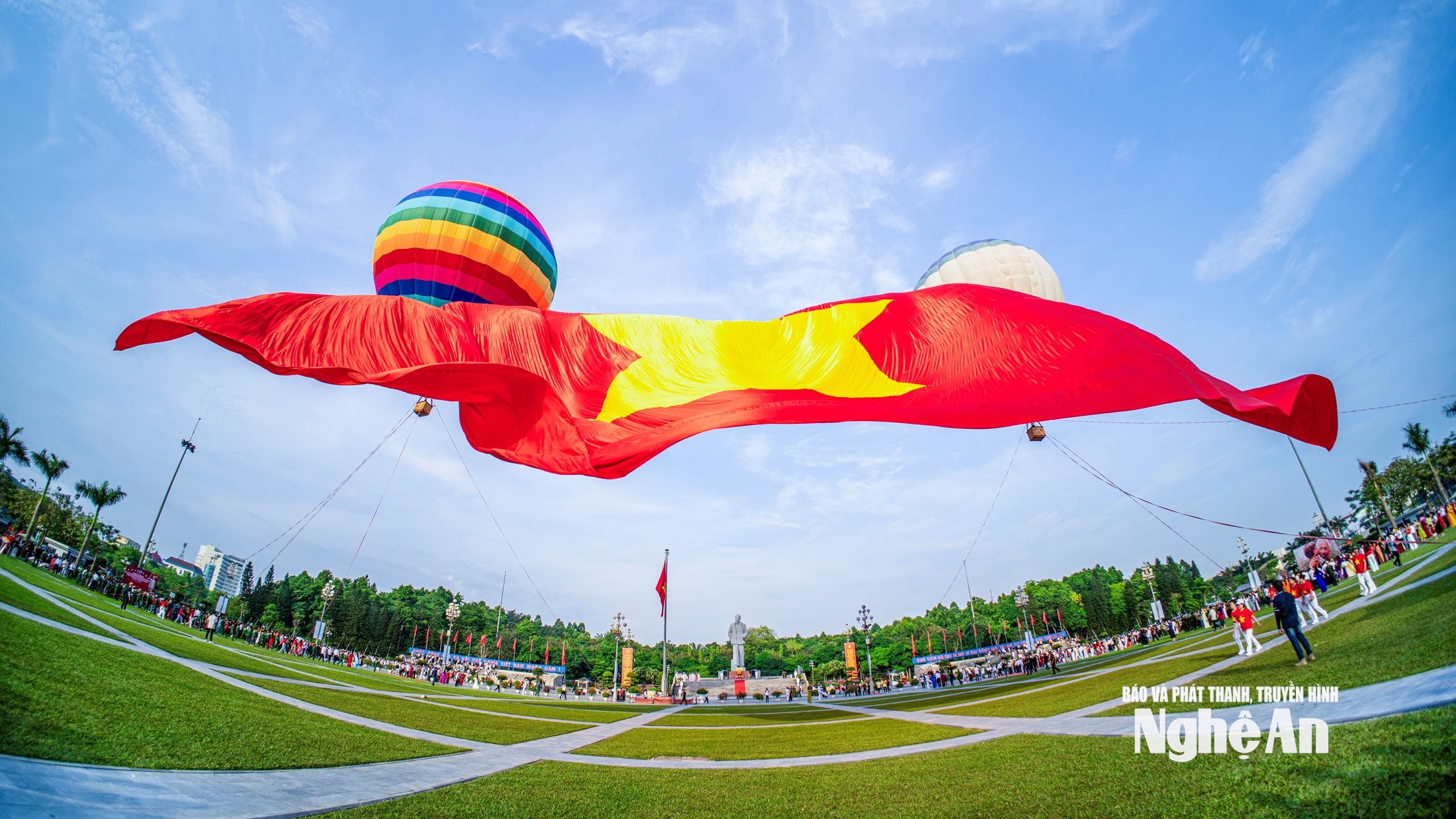
What makes a land strong is not only what lies within its soil, but also what lies within its people. Nghe An can progress faster if it knows how to fully awaken these values. Awaken the pride of the people of Nghe An. Awaken the aspiration for learning, establishing careers, and contributing. Awaken the spirit of unity, daring to think and act. Awaken the belief that this homeland is not just a place of birth, but also a place where the future can be built. When a locality achieves this, development will no longer be a top-down command, but will become a social movement, a self-driven current, a very powerful intrinsic driving force.
The same applies at the national level. "Working together in unity – unleashing human potential and aspirations for development" is essentially a crucial guideline for this new phase. We may have the right strategy, ambitious goals, and favorable conditions, but if we cannot translate these into the beliefs and actions of millions of people, it will be very difficult to achieve the desired results. Conversely, when national aspirations meet individual aspirations, when national strategies meet the desire for self-improvement of each person, when institutions pave the way and society works together, then the power of development will explode.
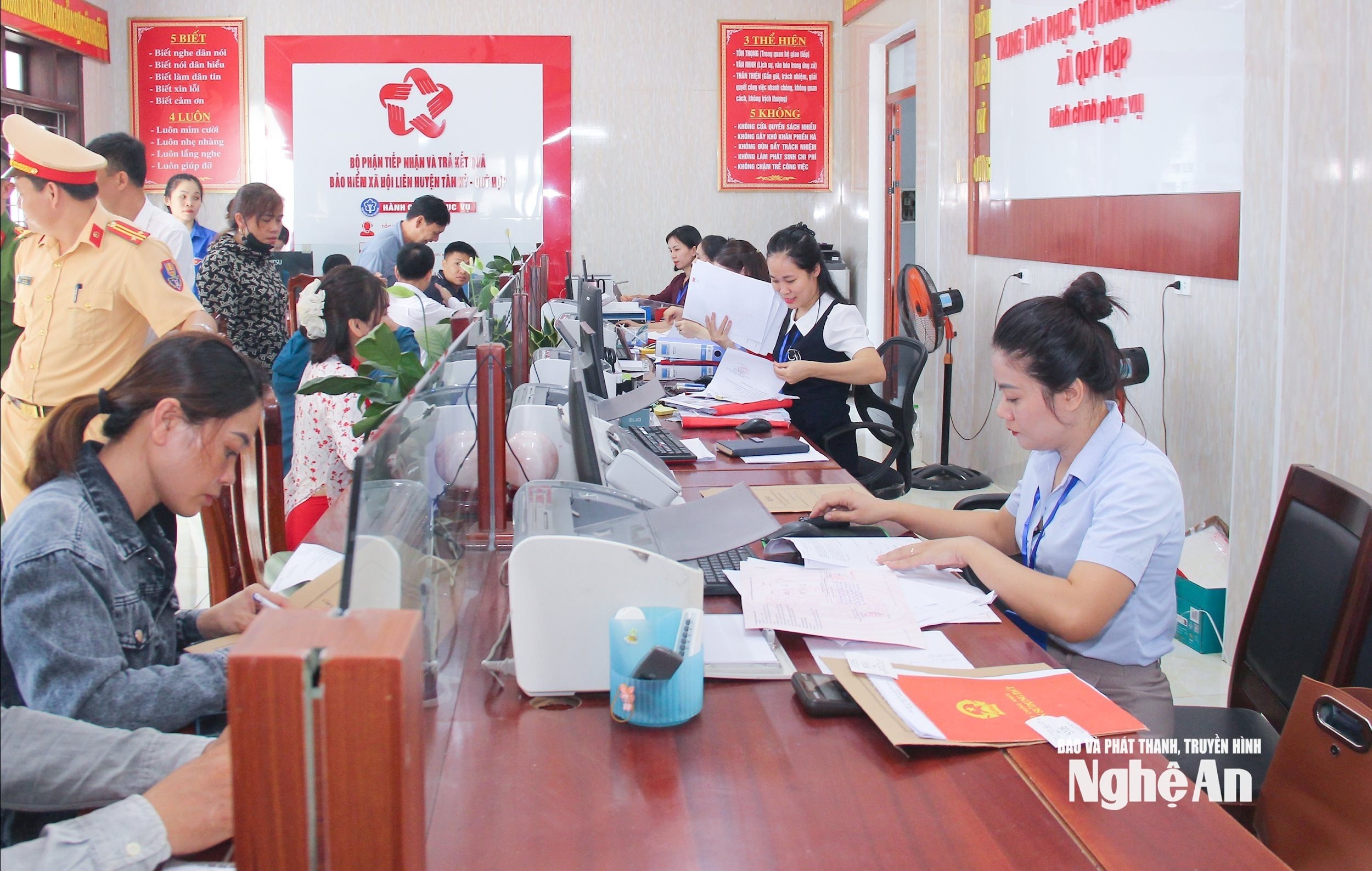
It can be said that, in the closing remarks of the 2nd Plenum of the 14th Central Committee, the phrase "working together in unity" was not merely a call to action. It was a strategic guideline on how to mobilize the nation's greatest resource: human resources. And "awakening human strength and the aspiration for development" is not a task for any single sector or level, but a shared responsibility of the entire society. From leaders to grassroots officials, from schools to families, from businesses to communities, everyone must contribute to creating an environment where people are inspired, given opportunities, guided by positive values, and encouraged to contribute to overall development.
Ultimately, a country may lack many things, but it cannot lack faith and aspiration. A region may still face many difficulties, but if its people do not lose their will to strive, there will always be opportunities for breakthroughs. Nghe An, like the rest of the country today, needs this most: genuine unity, genuine faith, and an aspiration for development transformed into concrete, practical, and sustainable actions. When this is achieved, human strength will no longer be an abstract concept, but will become the greatest and most sustainable source of internal strength for the homeland and the country to move towards the future.