
A sad story from the largest tile-making village in Central Vietnam.
(Baonghean) - In its heyday, the products of Cua tile village were almost exclusively sold in the North Central provinces, and were even exported to Laos. But in recent years, due to internal conflicts within the cooperative, this craft village is now only mentioned in stories of its "glorious past".
Sitting on the tiled floor, gazing wistfully at the towering kilns, Mr. Le Van Luong (58 years old) expressed his nostalgia for the glorious days of Cua tile-making village. The man, who has been involved in tile-making for 24 years, said he misses the craft, the smell of clay, and the pungent smoke rising from the towering kilns.
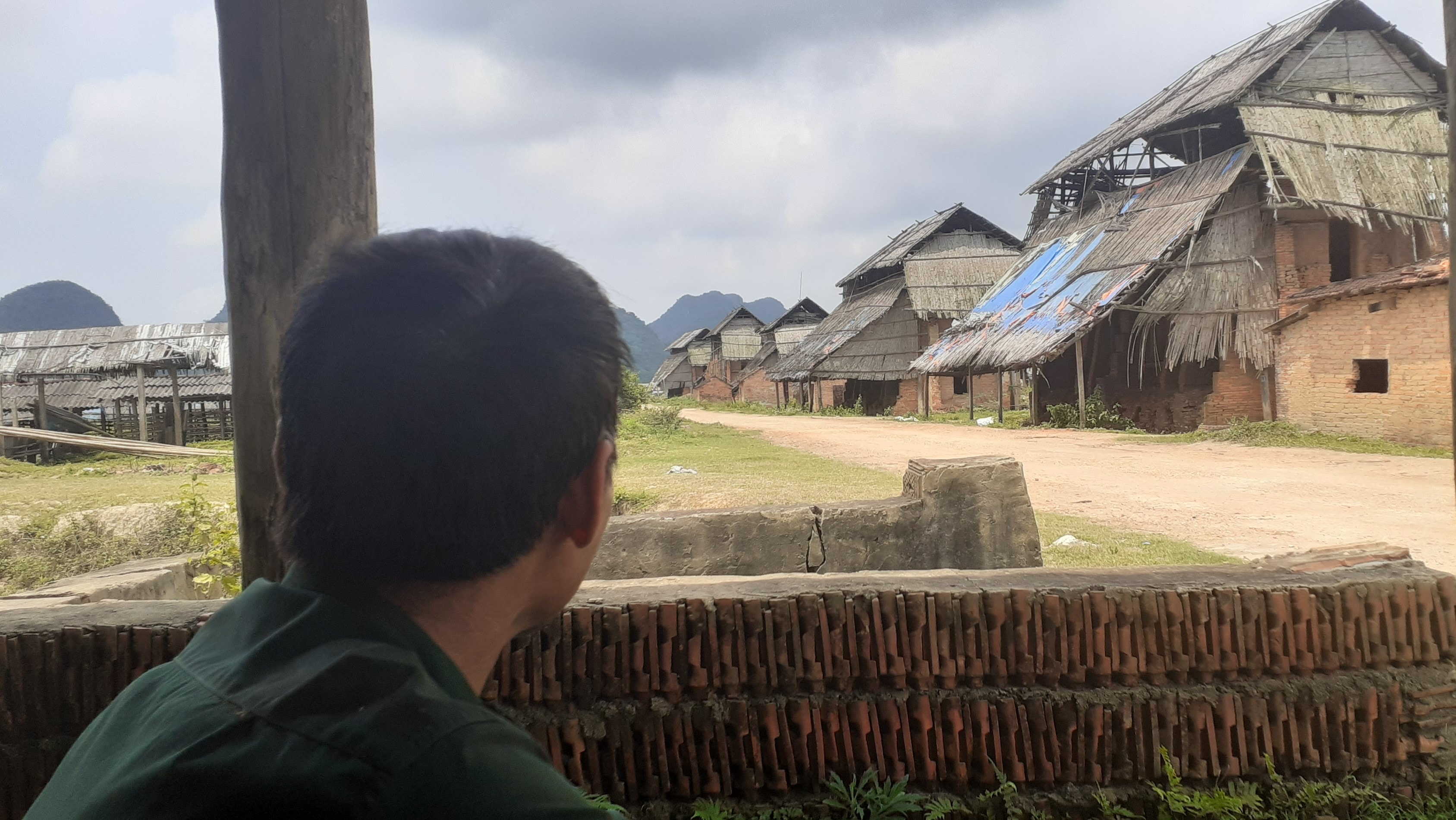 |
| Mr. Luong expressed regret as he recalled the glorious days of the craft village. Photo: Tien Hung |
For nearly three years, 200 traditional brick kilns in Nghia Hoan commune have been shut down, while high-tech kilns "remain on paper." Like many other residents here, Mr. Luong is unemployed. To make ends meet, he has to work various jobs. In his free time, he seeks out old, abandoned brick kilns. Often, it's just to look at them, reminiscing about the bustling days of buyers and sellers, then shaking his head and sighing...
A glorious past
In the early days after the liberation of South Vietnam and the reunification of the country, Mr. Hoang Quang Dan, along with his youngest son, traveled from their hometown in Hung Yen to many provinces in search of a place to settle down. At that time, Mr. Dan and his son only had the traditional skill of making Western-style roof tiles passed down from their ancestors. With limited land and a large population in their hometown, and scarce raw materials, Mr. Dan had no choice but to seek new land. In 1976, he decided to choose Cua village, Nghia Hoan commune, Tan Ky district (Nghe An province) as his place of business.
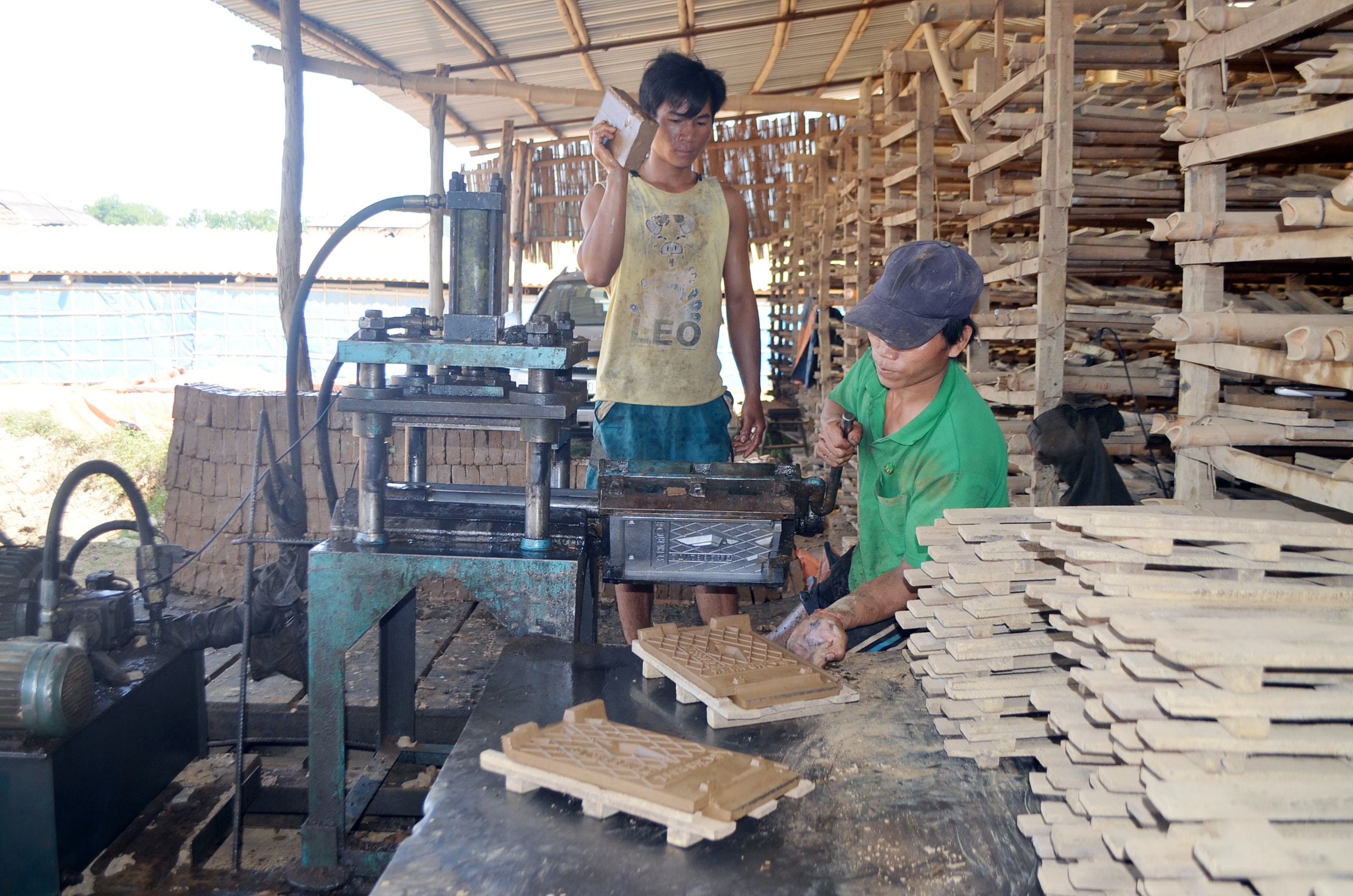 |
| Workers producing roof tiles five years ago in Cừa tile-making village, before operations were shut down. Photo: Tiến Hùng. |
“After traveling to many places, he decided to choose this land. Because of its abundant clay resources and the combination of all the elements needed to make beautiful and durable roof tiles,” said Hoang Ngoc Binh (47 years old). Binh is the grandson of the man considered the founder of the roof tile making craft in Cua village. Like many of Mr. Dan's other children and grandchildren, Binh followed his father and grandfather from Hung Yen to Nghe An and has been involved in the roof tile making profession ever since.
According to Mr. Binh, the reason his grandfather chose Nghia Hoan as his place of work was because nature had bestowed upon it a special type of soil. The area has abundant clay resources, and especially, the clay here is pliable, durable, and produces beautiful tiles when fired. Unlike brick making, to make roof tiles, the clay must meet quality standards in terms of both pliability and aesthetics.
Mr. Binh recounted that his ancestors learned the craft of making Western-style roof tiles from the French in the 19th century. Back then, his ancestors were often forced by the French to work as laborers building dikes along the Red River. After those arduous days, they were fortunate enough to learn the tile-making technology from the French. This is the type of tile that people later commonly referred to as "Western tiles."
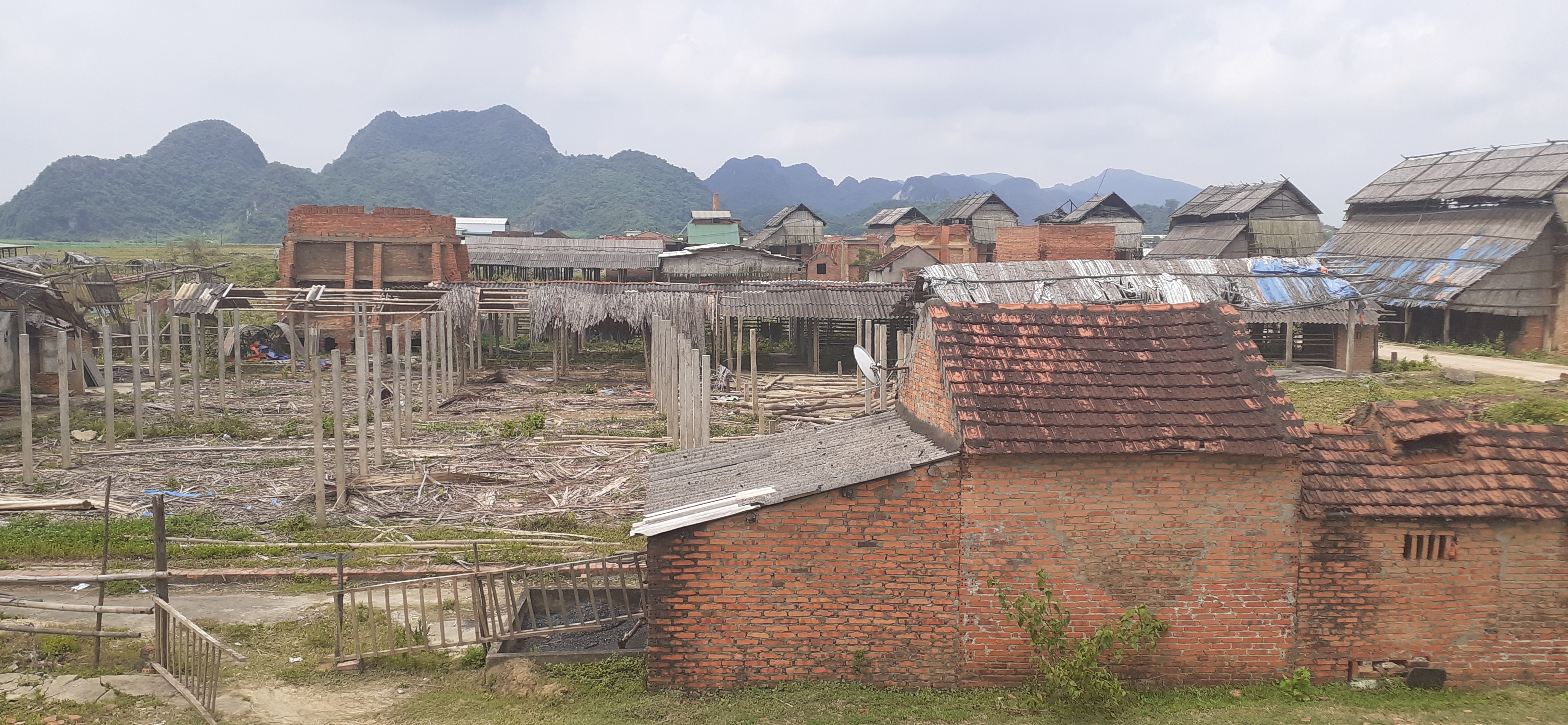 |
| These traditional brick kilns have been out of operation for nearly three years. Photo: Tien Hung |
After the first tile kiln was built in Cừa village in 1976, within a few years, Mr. Đán's sons, such as Hoàng Quang Kiếm and Hoàng Quang Tần, followed their father from the North to the midland district of Nghệ An province to establish their livelihoods in this trade.
Initially, this work only helped Mr. Dan and his son make ends meet, with an income not much better than farming. All the steps in making roof tiles back then were done manually. The clay was dug up, trampled by foot until it was mushy, and then cut into shapes using hand scissors. Therefore, the number of products produced was small.
But according to Mr. Binh, even if they produced a lot, they wouldn't know who to sell it to. Because back then, the lives of people in Nghe Tinh in particular and Central Vietnam in general were still very difficult after decades of war devastation; most houses were thatched. That's why, in the 1980s, Nghia Hoan commune only had tile kilns owned by Mr. Dan and his son.
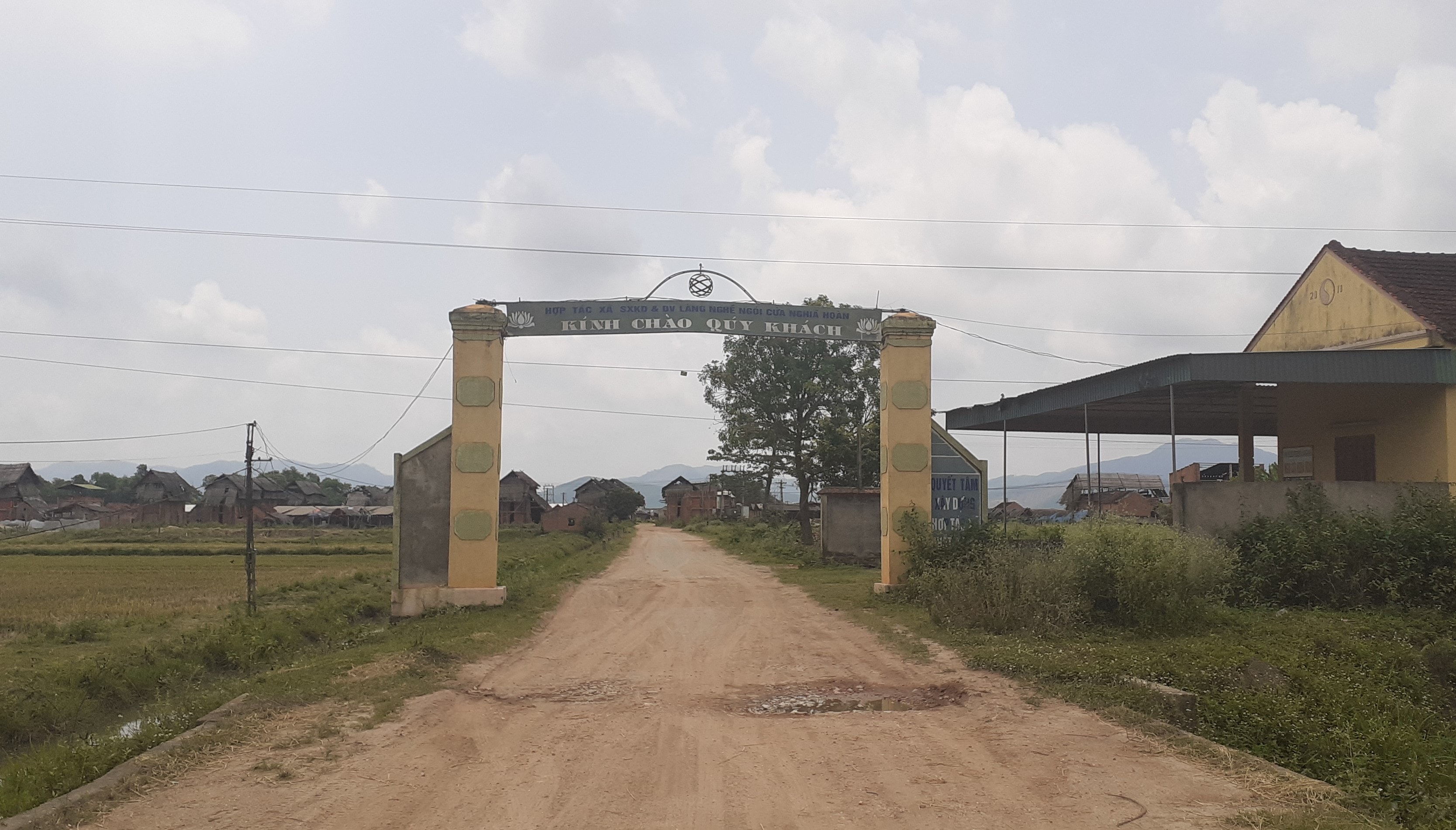 |
| The entrance to the craft village cooperative has been deserted for many years. Photo: Tien Hung |
It wasn't until the late 1980s, after the country entered the period of reform, that people's lives gradually improved. Since then, the demand for roof tiles has increased, and Mr. Dan's family business has become prosperous. Seeing that the father and son from the North had made a living making roof tiles, local people began to come and learn the trade.
In 1992, 16 years after Mr. Dan settled here, the first tile kiln of Nghia Hoan was built. Since then, the people of Nghia Hoan have almost exclusively relied on tile production. During its heyday, there were nearly 200 tile kilns with almost 130 households involved in production, creating jobs for thousands of workers. In some years, the kilns produced nearly 100 million tiles, enough to supply tens of thousands of houses. In tax declarations, the profits from tile production here reached 120 billion VND in some years. Many households earned billions of VND annually. In those years, Cua village tiles almost monopolized the market in the six provinces of North Central Vietnam, and were even exported to Laos. Cua village was also the largest tile-producing village in Central Vietnam.
Mr. Nguyen Dinh Hung, Chairman of the Nghia Hoan Commune People's Committee, recounted that the most prosperous period began in 2006, when the area was recognized as a small-scale handicraft village, coinciding with the establishment of the Cua Brick and Tile Production and Business Cooperative.
“During that period, massive villas were built one after another. People rushed to buy cars. I remember once, on the anniversary of the cooperative's founding, a convoy of more than 70 cars belonging to the tile kiln owners paraded around the district,” Mr. Hung recalled. But those same people, a few years later, became debtors, some even having to sell their houses and work as laborers. All because of internal conflicts within the cooperative.
Abandoned houses
When we arrived in Nghia Hoan commune, the first thing that caught our eye was the sight of ancient houses, with architecture from decades ago. Compared to other midland communes, it was easy to see the prosperity of Nghia Hoan commune through these villas. However, inside the grounds of those houses now lies a desolate, eerily silent scene.
“They’ve all gone to work as laborers. There’s no one at home. Many people even had to sell their houses to pay off bank debts because they had borrowed money to invest in tile making,” said Hoang Ngoc Binh, who also owns a massive villa that has been unfinished for many years. Like many others, Binh has also fallen into debt since the tile kilns stopped production.
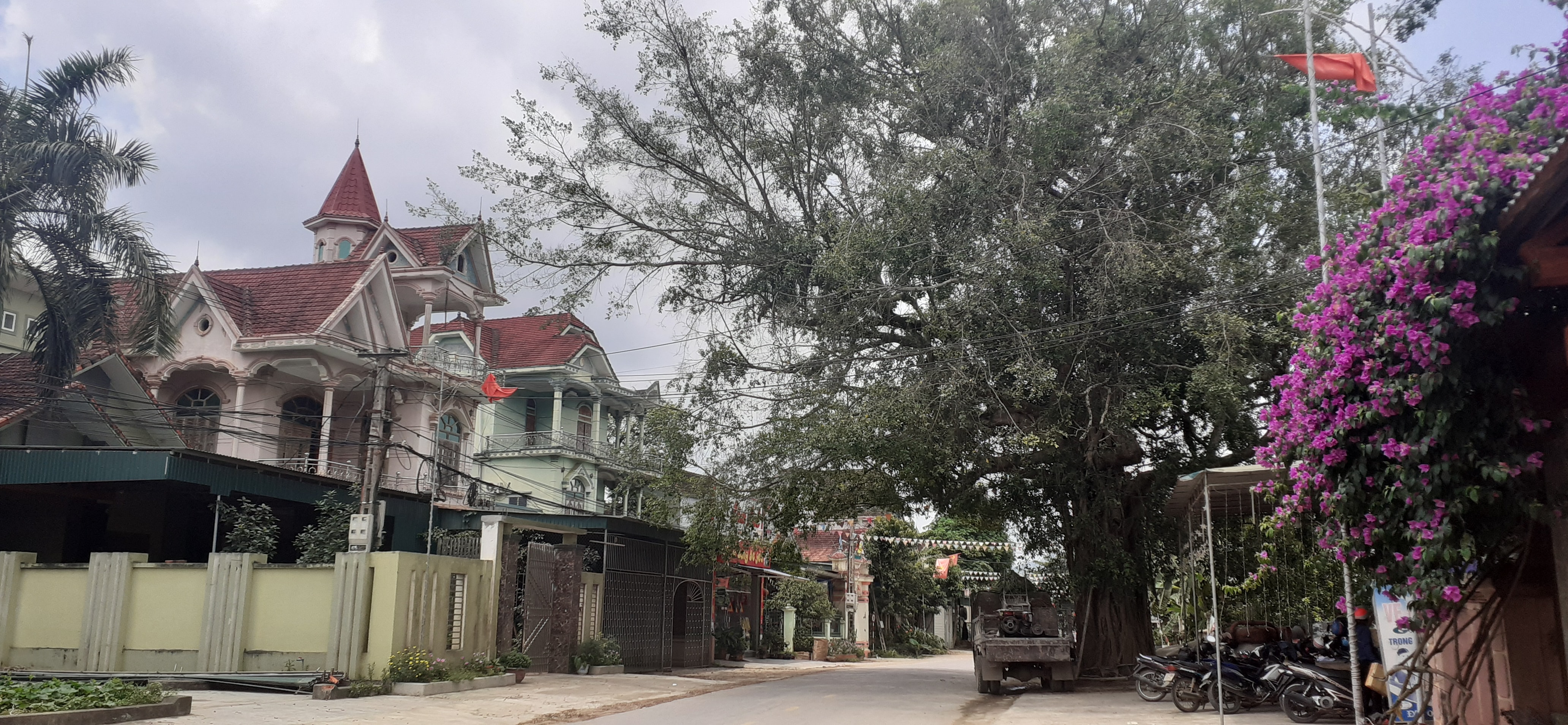 |
| These massive houses were built thanks to the tile-making trade. Photo: Tien Hung |
Speaking about the reasons why the craft village has fallen into its current state, Mr. Vo Van Cau (64 years old) recounted that since the cooperative was established in 2006, Mr. Nguyen Van Hanh was the chairman and Mr. Cau was the vice-chairman. In the initial period, production went smoothly.
In 2014, Mr. Hanh retired, and Mr. Cau took over as head of the company. Upon receiving information that the traditional tile kilns would be shut down, Mr. Cau immediately called on members to contribute capital to gradually transition to a high-tech tile production model.
According to Mr. Cau, after the members had contributed over 20 billion VND and the plan had been approved by the competent authorities, Mr. Nguyen Van Hanh filed a complaint to reclaim the land. At that time, Mr. Hanh had also established another cooperative. The two sides continuously sued each other. After some time, the two cooperatives merged, but the conflict remained unresolved.
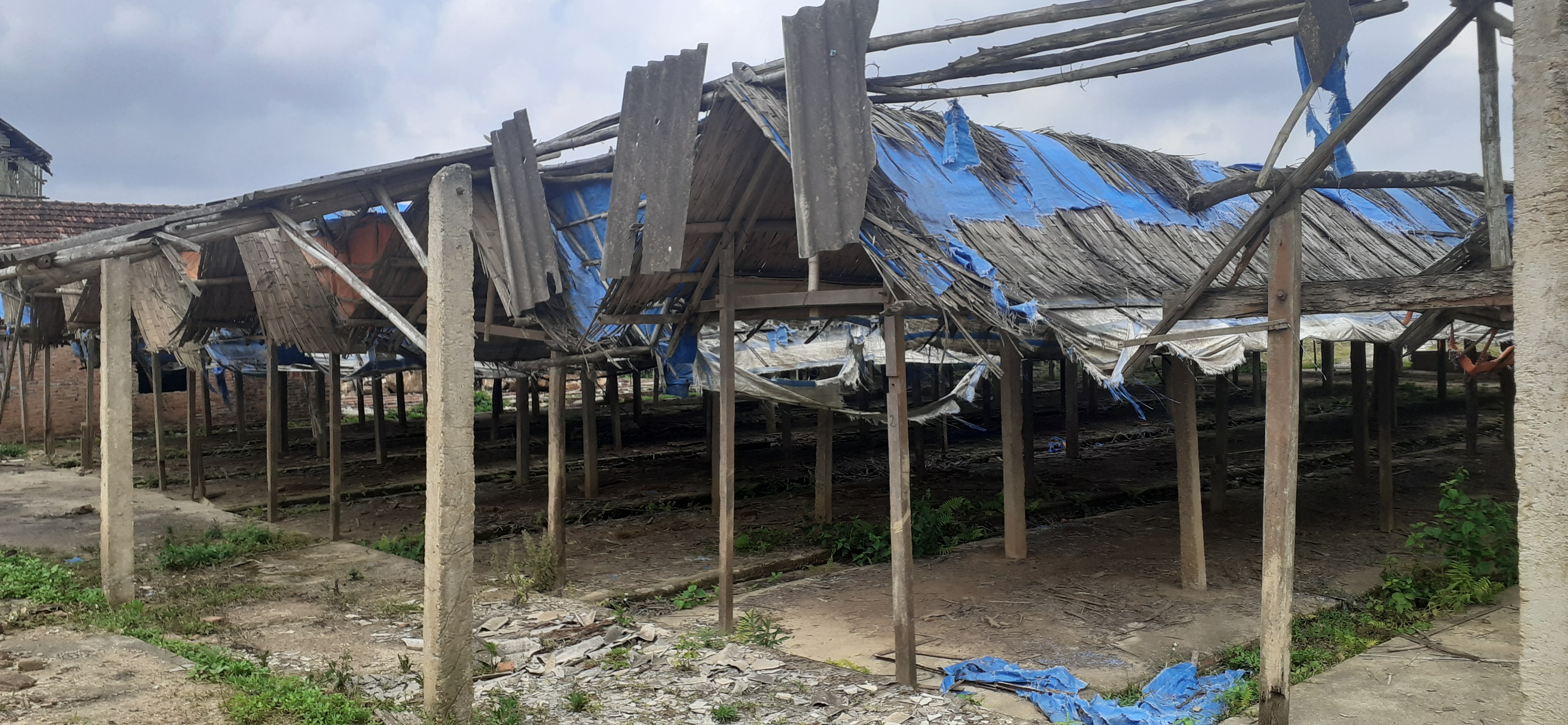 |
| Scenes of devastation in the Cua tile-making village. Photo: Tien Hung |
Members of the cooperative repeatedly submitted complaints, from the commune level to the provincial level. Inspectors and the police also launched investigations following the complaints and accusations, but the disputes and conflicts remained unresolved.
By the end of 2017, following government policy, 200 traditional tile kilns in Nghia Hoan were forced to cease operations. However, due to internal conflicts, the high-tech tile production project has yet to be implemented. As a result, the traditional kilns are gone, the high-tech kilns are still lacking, and thousands of workers have become unemployed. Many kiln owners who had invested billions of dong are now bankrupt. To this day, the project remains a chaotic mess.
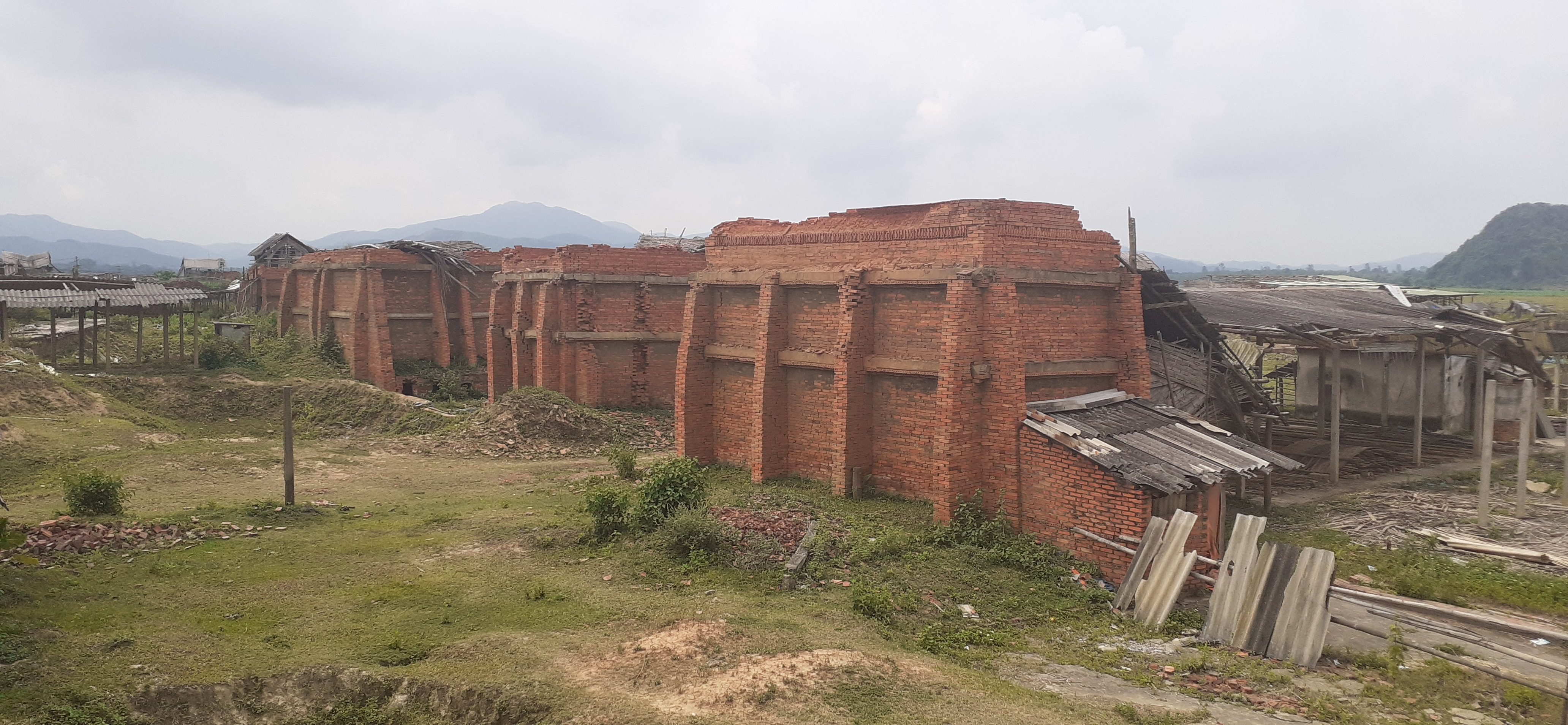 |
| During its heyday, there were as many as 200 brick kilns operating here. Photo: Tien Hung |
"The main reason is still the poor management skills of the cooperative's leaders. But regardless of who is right or wrong, one side should have yielded and avoided affecting hundreds of other households. Instead, the dispute dragged on. The commune has organized many meetings but still couldn't resolve it; we're at a loss," said the Chairman of the Nghia Hoan Commune People's Committee.
Mr. Hoang Ngoc Binh, one of the largest tile kiln owners in Nghia Hoan commune, expressed his hope that the authorities would soon resolve the cooperative's conflicts so that the project could be implemented. "Otherwise, I hope the government will allocate land so that households with the resources can open their own high-tech tile production businesses, completely separate from the cooperative," Mr. Binh said. The land Mr. Binh is referring to is where 200 abandoned manual tile kilns have been for nearly three years. This land is managed by the commune. However, when the plan to eliminate manual tile kilns was announced, the residents refused to demolish them and return the land.


