
What do experts from the Ministry of Health say about the information that the AstraZeneca COVID-19 vaccine may lead to a risk of blood clots?
According to Associate Professor Dr. Luong Ngoc Khue: Initially, when deploying the COVID-19 vaccine, we were very cautious. The Ministry of Health developed a vaccination procedure, requiring those being vaccinated to have their blood pressure measured and undergo screening before vaccination, and to be monitored after vaccination at the vaccination site.
Regarding allegations that the AstraZeneca COVID-19 vaccine is causing a rare side effect that could lead to blood clotting, Associate Professor Dr. Luong Ngoc Khue – Director of the Department of Medical Examination and Treatment Management (Ministry of Health) – stated that this is a side effect that Vietnam had already been warned about when administering the AstraZeneca COVID-19 vaccine.
"Initially, when we launched the COVID-19 vaccine, we were very cautious. The Ministry of Health developed a strict vaccination process, requiring vaccination personnel to have their blood pressure measured and undergo screening before vaccination, and to be monitored post-vaccination at the vaccination site. Later, we gradually adjusted the process as we observed that the vaccine did not cause serious health effects. From initially only vaccinating at medical facilities, the COVID-19 vaccination program has since been expanded," said Associate Professor Dr. Luong Ngoc Khue.
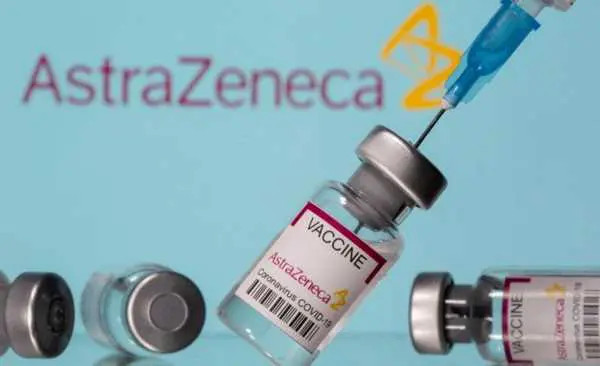
Experts also stated that most people who received the AstraZeneca COVID-19 vaccine several years ago have now seen their effects wear off, so there is no need to be overly concerned about side effects leading to blood clots.
In Vietnam, during the COVID-19 pandemic, in addition to the 30 million doses of COVID-19 vaccine already ordered from AstraZeneca, Vietnam also received scattered doses of AstraZeneca vaccines through various sponsorship programs.
These vaccines contributed to the success of the COVID-19 vaccination campaign aimed at preventing the spread of COVID-19 in 2022. Hundreds of millions of people received 2-4 doses of COVID-19 vaccines, including those from AstraZeneca, Pfizer, Moderna, and others.
By mid-2023, Vietnam had administered over 266.5 million doses of COVID-19 vaccine. Vietnam is one of the countries with the highest COVID-19 vaccine coverage rates in the world, with nearly 100% of those aged 12 and over receiving the primary dose, and 89.6% of those aged 18 and over at high risk receiving the fourth dose.
In early 2024, representatives from the Central Institute of Hygiene and Epidemiology also stated that Vietnam only had over 400,000 doses of Pfizer's COVID-19 vaccine remaining, with an expiration date of September 2024.
COVID-19 vaccines are effective in preventing the disease and complications caused by COVID-19, reducing the incidence of severe illness and death.
According to the latest guidelines from the World Health Organization, there are three priority groups for COVID-19 vaccination: the elderly aged 50 and over with underlying health conditions (requiring a booster shot 9-12 months after the last dose), followed by pregnant women, and those who have not received any vaccine doses.
According to the Telegraph, AstraZeneca has for the first time admitted in legal documents submitted to the Supreme Court that its COVID-19 vaccine: "In very rare cases may cause thrombosis and thrombocytopenia."


