
Malaysian expert: U22 team shouldn't use player shortage as an excuse.
Datuk Richard Scully urged the Malaysian U22 team to stop making excuses about a lack of Super League players, emphasizing tactics and mental strength for their match against Laos on December 6th at the 2025 SEA Games.
Ahead of the 2025 SEA Games in Thailand, football expert Datuk Richard Scully sent a blunt message to the Malaysian U22 team: stop making excuses about the lack of Super League players and focus on tactics and competitive spirit. The Malaysian U22 team will open their campaign against Laos on December 6th, with several key players potentially absent due to the tournament not being on the FIFA calendar.
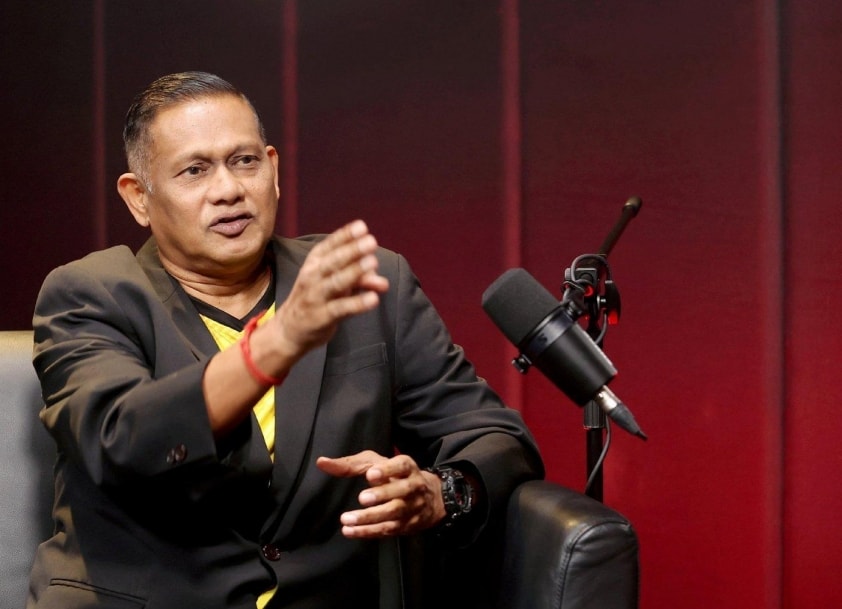
Message: Don't turn manpower shortages into a defensive shield.
“Every time we go to the SEA Games, we talk about clubs not releasing their players. But in reality, other Southeast Asian countries face similar situations. We can’t keep using that as an excuse for failure,” Scully emphasized. The key point, according to him, is not how many Super League players are involved, but how the team is organized and how it reacts under pressure.
Tactics and courage are the measure of success.
The U22 Malaysia team is likely to be without captain Ubaidullah Shamsul Fazili and midfielder Aliff Izwan Yuslan due to their commitments in the Super League. Scully acknowledged the importance of personnel, but emphasized that the decisive factors remain the team's playing style and mentality: "With them, we can win. But we can also lose. Victory doesn't just depend on whether they play or not, but on how the team implements its tactics and maintains composure under pressure."
At the U22 level, stability doesn't come from individual moments of brilliance, but from a clear playing structure, well-defined roles, and the ability to manage timing—especially under pressure in knockout matches.
It's a journey, not a "take it as it comes" approach.
According to Scully, the Malaysian U22 team needs to approach the SEA Games as a complete plan, rather than with a "play it by the flow" mentality. This requires strategic preparation for multiple match scenarios, from controlling possession to counter-attacking, coupled with tactical discipline and composure when leading or trailing.
Opening match against Laos on December 6th: a test of discipline and objectives.
The match against Laos was a test of what Scully emphasized: tactical discipline, composure in crucial moments, and the ability to execute the plan. Despite facing squad constraints due to the non-FIFA match schedule, mental preparation and choosing the right approach remained the only way to minimize errors in short-term matches.
Coach Nafuzi Zain's role: setting realistic goals, making them clear from the start.
Scully expects guidance from the coaching staff: “Nafuzi needs to be upfront and set realistic goals that are appropriate for the current squad. Just saying it after the season is over will be an excuse. Define the goals clearly from the start — the rest is up to the team’s effort and spirit.” This message places the responsibility on planning the game, rotating the squad, and managing player energy within a demanding schedule.

General context of the region
The "clubs refusing to release players" problem isn't unique to Malaysia. As Scully points out, other Southeast Asian teams are facing similar challenges. Therefore, a competitive advantage is created by better adaptation—specifically, transforming personnel limitations into strengths in terms of cohesion, adherence to tactical plans, and resilience under pressure.

Expected
Malaysian public opinion places its faith in the young team led by coach Nafuzi Zain, believing they will demonstrate fighting spirit and a clearer tactical approach, despite the absence of a few Super League players. From Scully's messages, priorities have been established: specific goals, a coherent plan, and competitive spirit — elements that could make a difference at the 2025 SEA Games.


