
The story of the engineers from Nghe An province who brought rice cultivation techniques to Cuba.
They brought with them the enthusiasm, talent, and gratitude of the Vietnamese people when they came to help their friend Cuba. These sons of Nghe An province worked silently, overcoming difficulties and shortages due to the embargo, to help Cuban farmers gradually adapt to traditional Vietnamese rice cultivation techniques. Thanks to their silent contributions and those of many generations of Vietnamese experts, more and more rice fields heavy with ripe grains have appeared on the beautiful island of Cuba...
Helping you through those difficult first steps...
""I was fortunate enough to work in Cuba four times, for a total of 39 months. I am always proud that the years I spent helping our Cuban friends cultivate rice using Vietnamese farming techniques were the most beautiful years of my life as an agriculturalist...", Mr. Bui Van Duong (born in 1947) - former Head of the Vietnamese agricultural expert delegation in Cuba - recalled his memories in Cuba with emotion.
In his cozy, one-story house in the North Central Agricultural Science and Technology Institute's residential area, Mr. Bui Van Duong - former Director of the North Central Agricultural Research and Development Center (now the North Central Agricultural Science and Technology Institute) - enthusiastically welcomed me with a touching story about our brotherly country, Cuba.
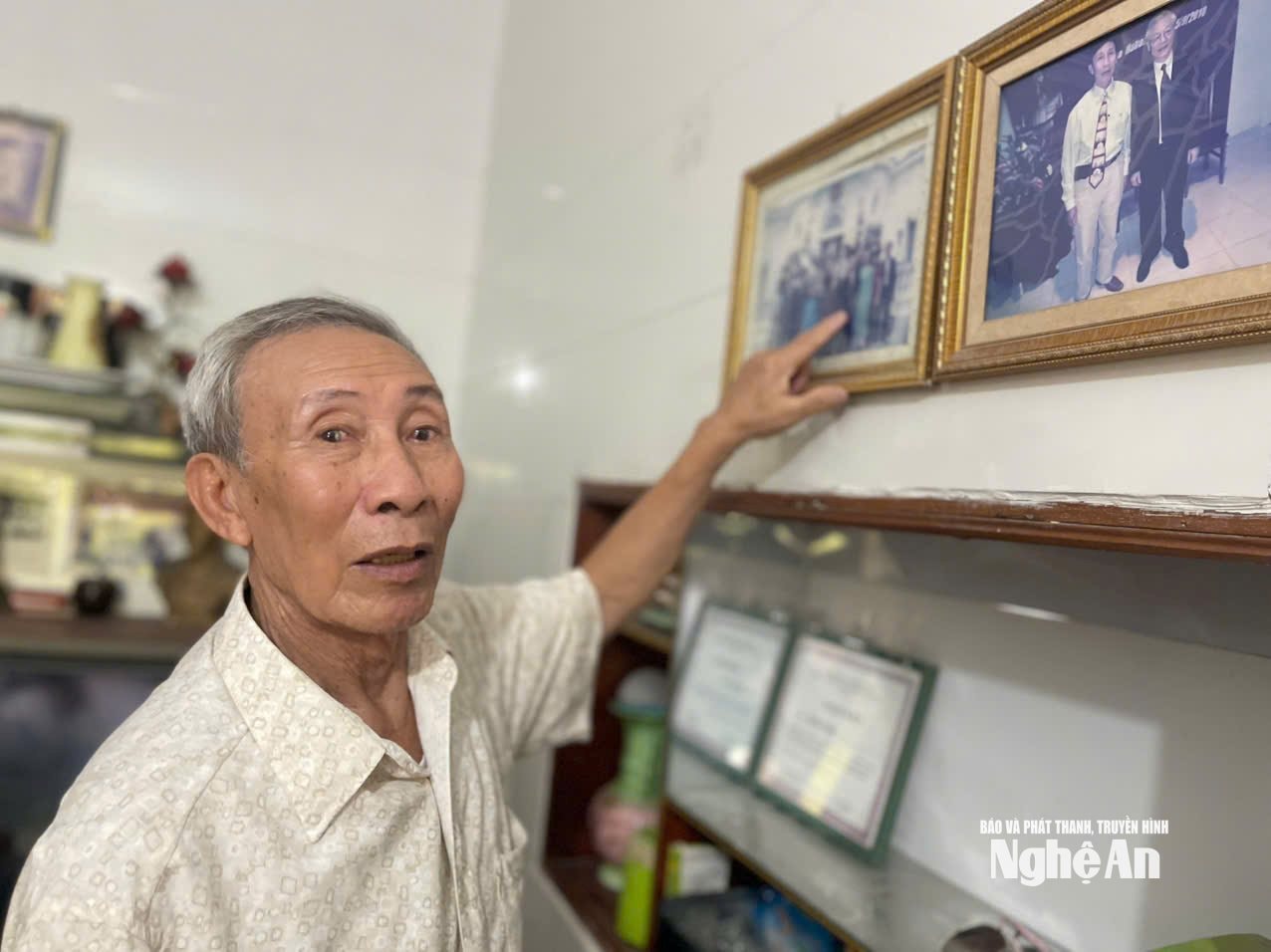
Mr. Duong stated that the Vietnamese government has been assisting Cuba in implementing a rice cultivation model since the early 2000s in three phases: the survey period (phase 1), household-scale rice production (phase 2), and state-owned farm-scale rice production (phase 3). To date, the rice fields in the project are heavily laden with grain, yielding an average of 6-7 tons/ha… bringing great hope to Cuban farmers. However, few understand that in the early years of assisting Cuba, his work was extremely difficult.
“I first went to Cuba in 1999. At that time, the agricultural situation in that country was extremely difficult. Agricultural machinery lacked sufficient fuel, supplies and fertilizers were severely scarce, and many fields were left fallow… It was even more surprising that before that, Cuba had a very developed agricultural sector, with planting done entirely by machinery, and harvesting and preserving agricultural products also done by machines…,” Mr. Bui Van Duong recalled.
During the first year, Mr. Bui Van Duong and his Vietnamese colleagues visited all provinces of Cuba to survey land conditions, analyze soil and water samples, learn about Cuban farmers' farming methods, assess the quality of rice varieties and the current state of agricultural supplies... in order to have a basis for reporting to the former Ministry of Agriculture and Rural Development (now the Ministry of Agriculture and Environment) and the Vietnamese Government.
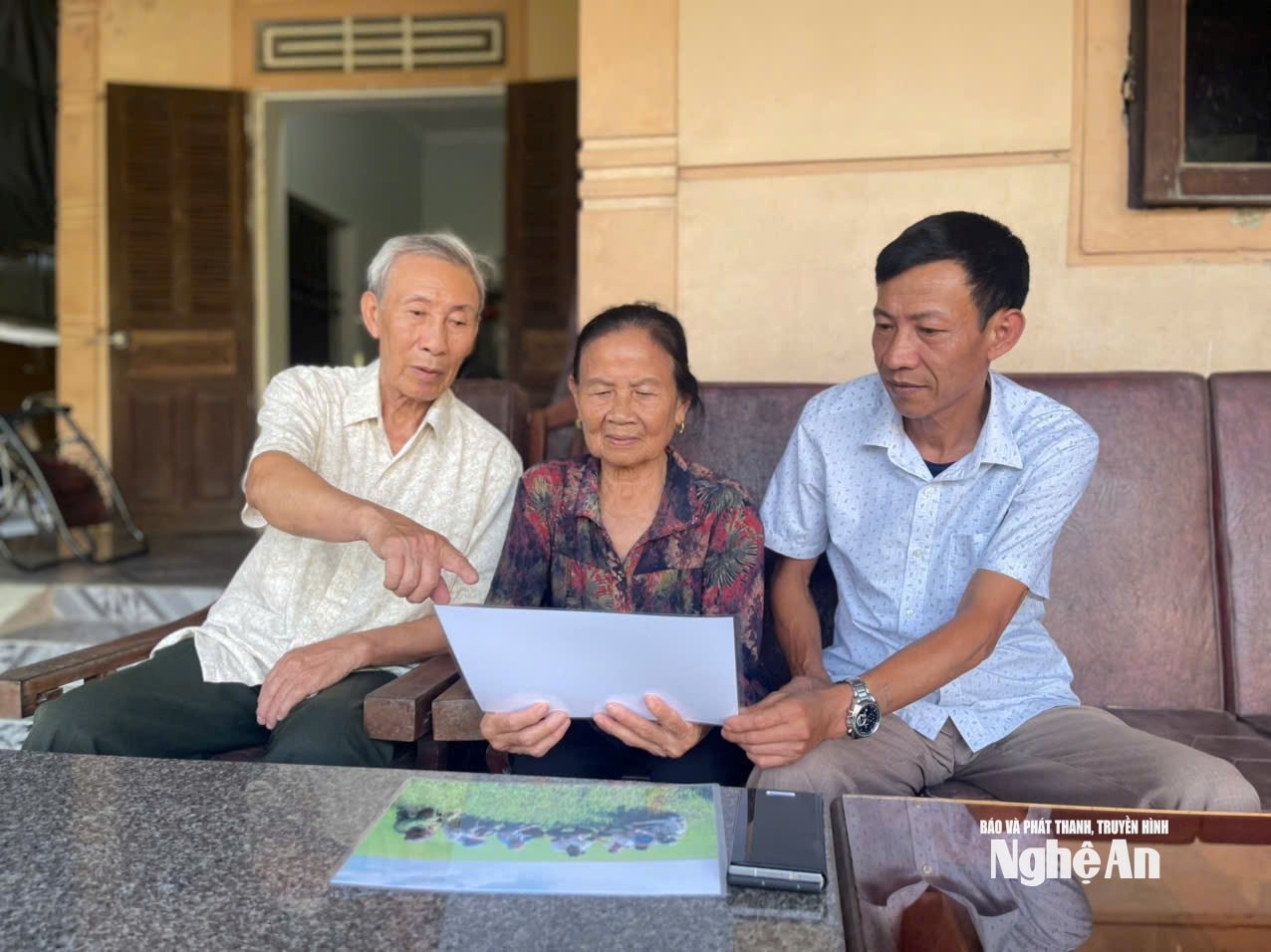
In 2006, Mr. Bui Van Duong went to Cuba for the second time to help them build a model of "Vietnamese rice cultivation techniques on a household scale." Cuban farmers were accustomed to sowing seeds on dry land, consuming 170-200 kg of seeds per hectare, with rice yields reaching 2.5-3 tons per hectare. On the other hand, Cuban households produced rice on a small scale, with scattered plots of land, making large-scale production difficult and hindering increased productivity per unit area.
Faced with this situation, Mr. Duong and Vietnamese experts provided hands-on assistance, from sowing seedlings and clearing water sources to transplanting rice and fertilizing rice fields, gradually helping Cuban farmers adapt to Vietnam's completely new farming methods.
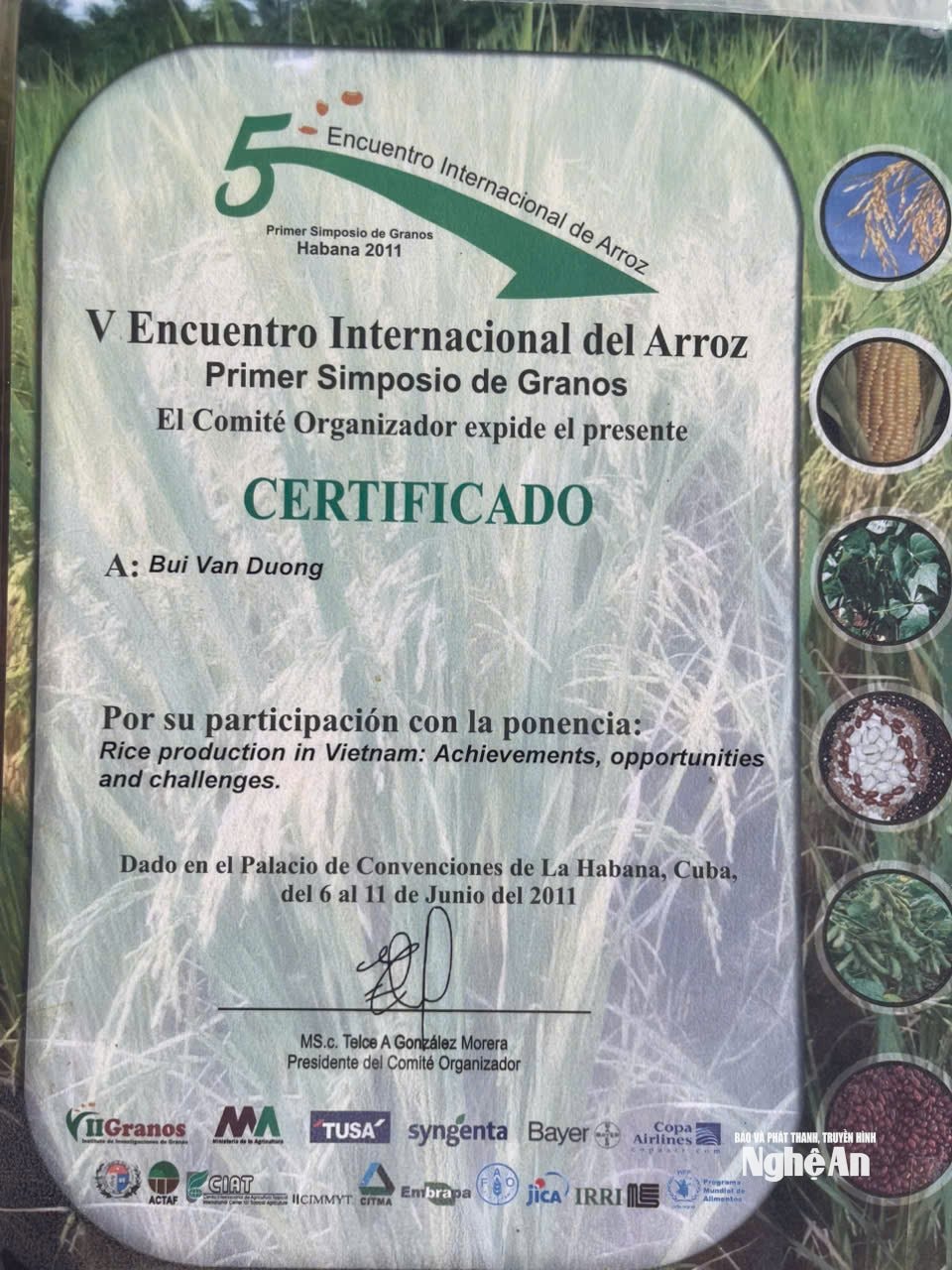
In 2010-2011, Mr. Duong visited Cuba for the third time as the head of the Vietnamese agricultural expert delegation. In 2013-2014, he continued his presence in the beautiful Caribbean island nation to assist in implementing phase 3 of intensive rice cultivation techniques on state-owned farms.
“Mr. Bui Van Duong proposed the formula: Rice yield = Area x Yield + Policy mechanism, to help Cuba successfully build highly effective wet rice cultivation models. He has written many articles published in Cuban newspapers and magazines. He also participated in disseminating and sharing information and achievements of Vietnam's wet rice industry in Cuba and the Caribbean.”
Summary of the Cuban Ministry of Agriculture's report on the contributions of expert Bui Van Duong.
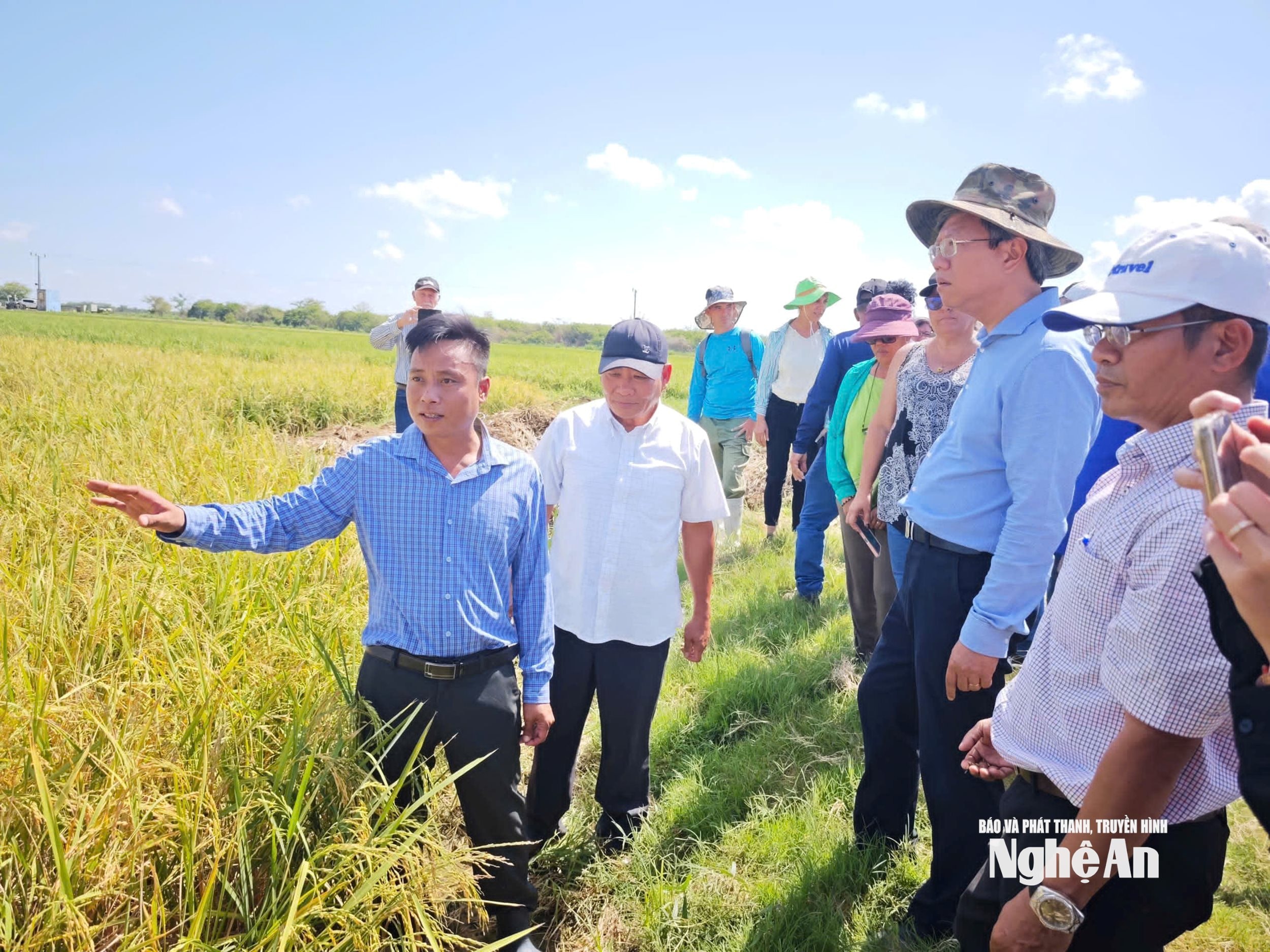
Following the success of Mr. Bui Van Duong, engineers Nguyen Duc Anh (Ha Tinh), Pham The Cuong (formerly Thanh Chuong district), and Tran Thi Tham (formerly Dien Chau district), working at the North Central Agricultural Science and Technology Institute, were successively sent to assist Cuba. Engineer Pham Thế Cuong, who has completed two work cycles in Cuba (2023-2025), stated: Cuba typically implements projects on large-scale model fields, with even the smallest plots being at least 13 hectares. This creates a problem: the field surface is very difficult to level, resulting in uneven water distribution – some areas receive plenty of water, while others receive none. Furthermore, irrigation water resources in Cuba are quite limited.
"We guided Cuban farmers in rebuilding the field embankments, with dikes every 2-3 hectares to prevent water from entering, ensuring that the fields receive water evenly, which helps the rice plants grow well and thus yields high productivity. During harvest season, seeing Cuban farmers carefully handling the rice stalks, their eyes shining with joy, makes us even more proud."
Engineer Pham The Cuong, Institute of Agricultural Science and Technology of North Central Vietnam
By the end of 2025, the area of Vietnamese rice cultivation in Cuba will increase to 5,000 hectares. Rice yields will increase from 2-3 tons/ha to 7 tons/ha. This opens up great hope for Cuba, because each year Cuba needs 700,000 tons of food, while domestic production only meets 300,000-400,000 tons. With Vietnam's methods and approach, the Cuban government and people can hope to achieve food security self-sufficiency in the future.
The friendship between Vietnam and Cuba is complete and perfect.
Vietnamese agricultural experts who go to Cuba to help their friends often face countless difficulties and shortages, from weather and infrastructure to energy and communication. However, Mr. Duong, Mr. Cuong, Mr. Duc Anh, and their Vietnamese colleagues are always very aware of their sacred mission and responsibility when helping their friend.
“Cuban farmers are very kind. Their daily lives are difficult and arduous, but they have a great affection for the Vietnamese people. When we were sick, they always came to encourage and visit us, sometimes bringing avocados, sometimes other fruits picked from their gardens,” engineer Pham The Cuong emotionally shared about the Cuban people.
During holidays, festivals, or weekends, Mr. Cuong and his colleagues are often invited by farmers in neighboring countries to visit and share a meal with their families.""I remember once a Cuban farmer invited a group of experts to his home for the Western New Year. The host slaughtered a chicken to offer the guests. At that time, we looked at each other with some apprehension; there were only a few Vietnamese guests, and the host had 4-5 people, so who would eat and who would go without? When we served the food, there were only 4 sets of plates and bowls in the whole house. The host gave the Vietnamese experts the first set, after which they washed the dishes and the host ate. At that moment, our whole group was deeply moved; even the smallest things were given to us by our friends," engineer Pham The Cuong emotionally recounted the story of the Cuban farmer's kindness to the Vietnamese agricultural engineers.
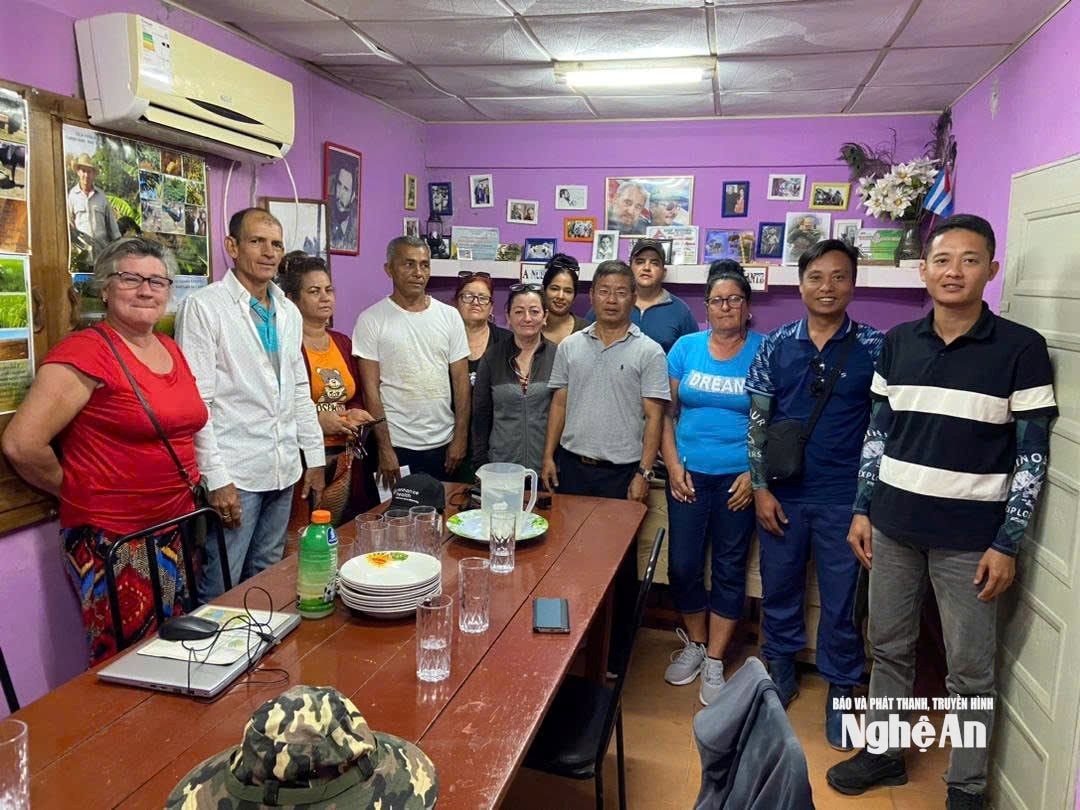
In conversations with people from Nghe An province who have visited Cuba, the image of the heroic island nation always holds special significance. When assigned or selected to participate in cooperation models with our Cuban brothers, they all volunteer immediately.“This June 2026, I will be going to Cuba again as part of the agricultural cooperation program between the two countries. In Cuba, I still have friends and unfinished plans to help them achieve their dream of food self-sufficiency.”Engineer Pham The Cuong revealed details about his upcoming trip.
In Cuba, there are quite a few people from Nghe An province who have come to help their friend through cooperation programs between the two governments. Some are economic experts, others work in agriculture, some are military attachés, and some are embassy staff… We are proud to contribute our small efforts to the stable development of Cuba.
Mr. Bui Van Duong – former Head of the Vietnamese Agricultural Expert Delegation in Cuba in 2011
_watermarked.jpg)


