
How many countries celebrate the Lunar New Year like Vietnam?
(Baonghean.vn) - Lunar New Year marks the end of winter and the beginning of spring, bringing hopes for good fortune and blessings. Vietnam is not the only country that celebrates the Lunar New Year; several other Asian countries also have their own unique New Year traditions.
1. China
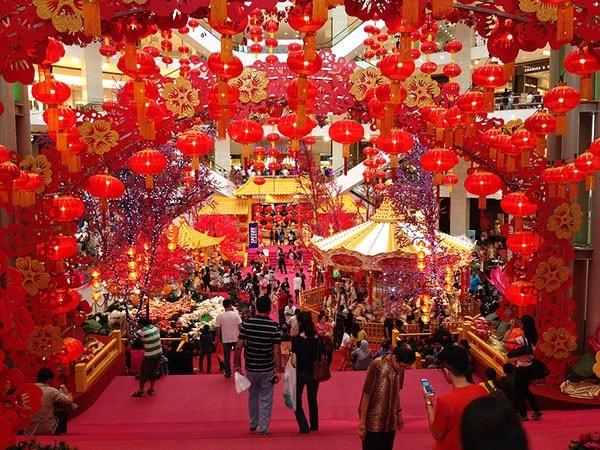 |
| The Lunar New Year in China shares many similarities with the Lunar New Year in Vietnam. |
The traditional Lunar New Year in China is the most important holiday of the year. Starting from the 8th day of the 12th lunar month, Chinese people all over the world return to their hometowns to celebrate the New Year, reuniting with their families, gathering together to prepare delicious dishes to offer to their ancestors, and enjoying the festivities of the Lunar New Year until the 15th day of the 1st lunar month.
Every year during the Lunar New Year season, Chinese people decorate their homes by hanging red couplets, red lanterns, pasting red paper decorations, and setting off firecrackers to wish for a joyful New Year and a peaceful year ahead.
2. South Korea
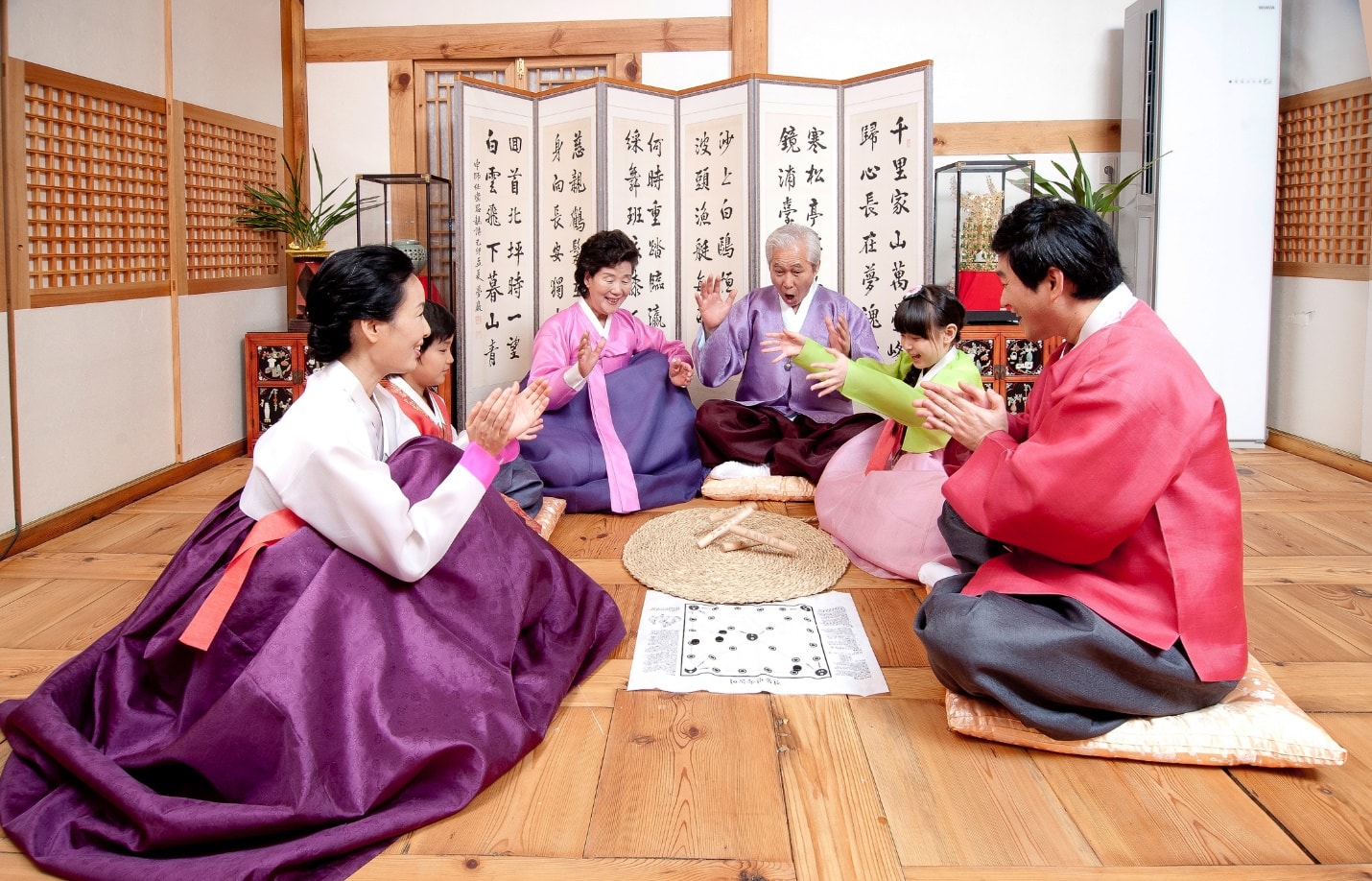 |
| Seollah (Seol) festival begins on the 1st day of the 1st lunar month each year and usually lasts for 3 days. |
In South Korea, Seollah (Seol) begins on the first day of the lunar calendar each year and usually lasts for three days. Seollah is the most important holiday for the people of South Korea. During the holiday, everyone wears traditional Hanbok clothing or chooses their best clothes to perform ancestral worship rituals.
For Korean children, the Lunar New Year is also an opportunity to freely participate in traditional folk games organized in public places such as tug-of-war, kite flying, seesaw, yutnori (moving chess pieces on a board, using sticks as dice), tubo (throwing arrows into a vase), jegichagi (kicking a shuttlecock), etc.
3. Singapore
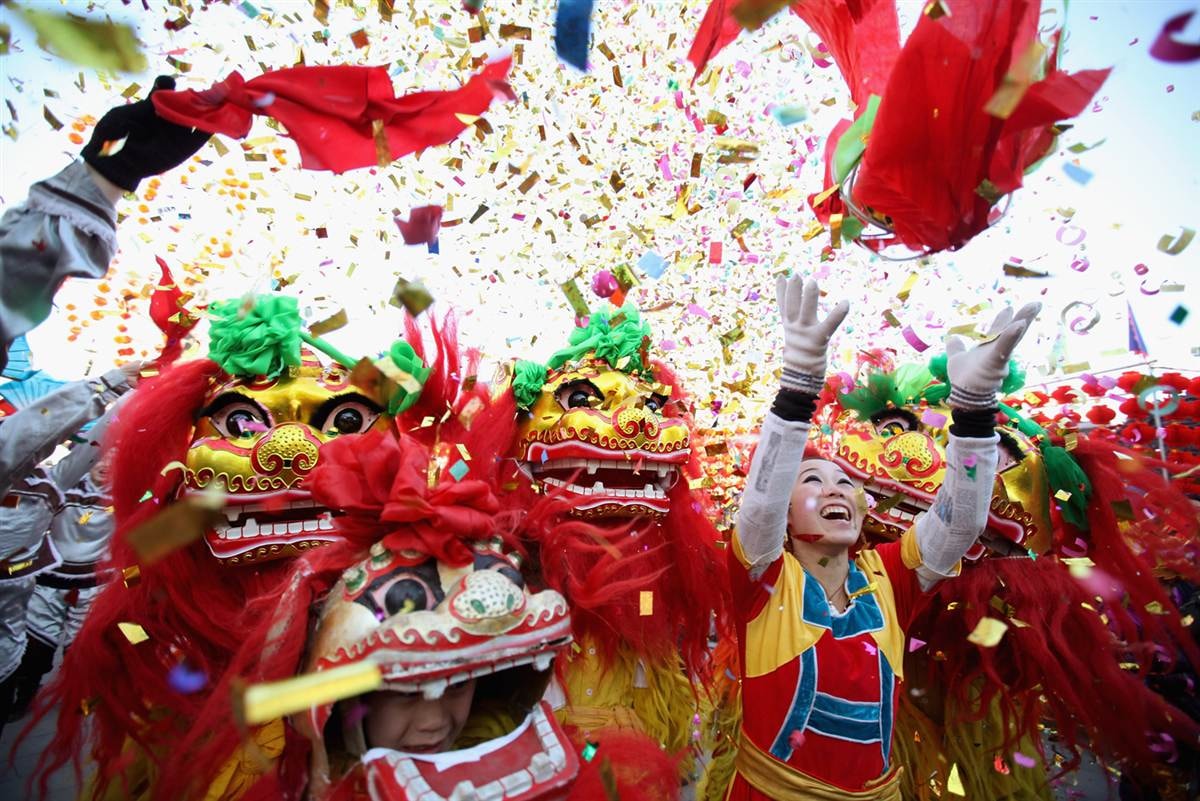 |
| Singapore is a small island nation whose lion, as its symbol, represents the enduring strength of the country. |
Singaporeans place great importance on celebrating the traditional Lunar New Year. Taking place at the same time as the Vietnamese Lunar New Year, the New Year celebrations in Singapore typically feature a Spring Festival with three prominent events: the Lantern Festival, the Singapore River Hongbao Festival, and the Chingay Street Festival, along with many other activities.
For 15 days, from New Year's Eve until the 15th day of the first lunar month, celebrations take place throughout Singapore. It's a time for visiting relatives and friends and hosting feasts. Parents and married relatives give "hong baos" (red envelopes containing money) to unmarried relatives as a way of wishing them good luck.
4. Japan
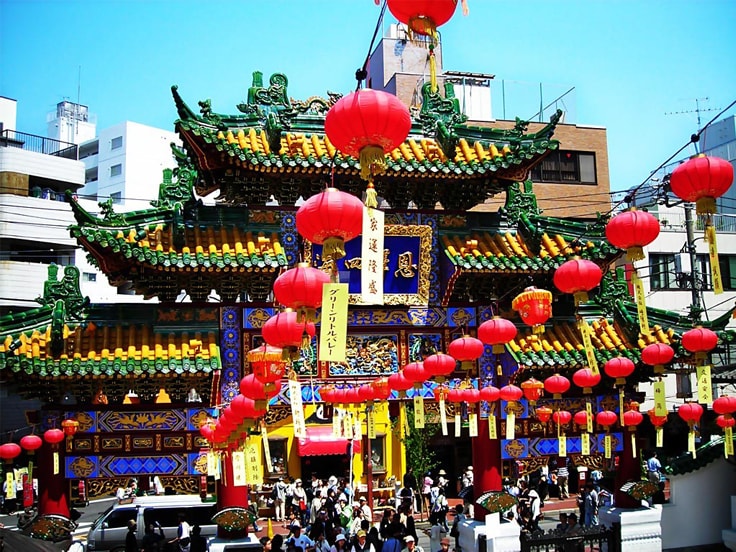 |
| Japan has switched to the Gregorian calendar for New Year's Day, like Western countries. However, the Japanese concept of the new year is still quite similar to that of Vietnam. |
Although located in Northeast Asia, since the successful Meiji Restoration led by Emperor Meiji in 1868, Japan has traditionally celebrated the Lunar New Year according to the Gregorian calendar, like Western countries. Typically, Japanese people begin preparing for the new year from December 31st of the previous year.
Everything comes to a halt for a week. They shop and decorate their homes with pine or bamboo trees in front of the door to ward off evil spirits and to wish for good health and longevity. Before the 30th, all debts must be settled because the Japanese fear that having debts at the beginning of the new year will bring bad luck for the whole year.
5. North Korea
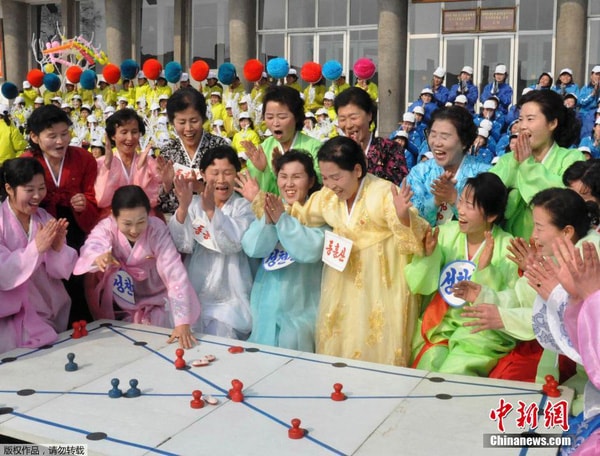 |
| The people of North Korea are delighted to participate in traditional games to celebrate the New Year. |
Previously, Koreans celebrated the Lunar New Year in October and November, but recently they have gradually shifted to the first day of the first lunar month. The Korean New Year lasts for weeks with many unique traditional customs such as pasting animal images on doors for good luck, inviting shamans to perform rituals and fortune-telling, and celebrating the rising moon.
A quintessential Korean New Year dish is "medicinal rice." To prepare it, glutinous rice is steamed, then mixed with honey, chestnuts, apples, pine nuts, lard, soy sauce, and other ingredients, before being steamed again. Koreans have traditionally considered honey to be medicine, hence the name "medicinal rice." This rice is served to guests and offered to ancestors. Koreans believe that eating this rice at the beginning of the new year will bring prosperity and good fortune throughout the year.6. Mongolia
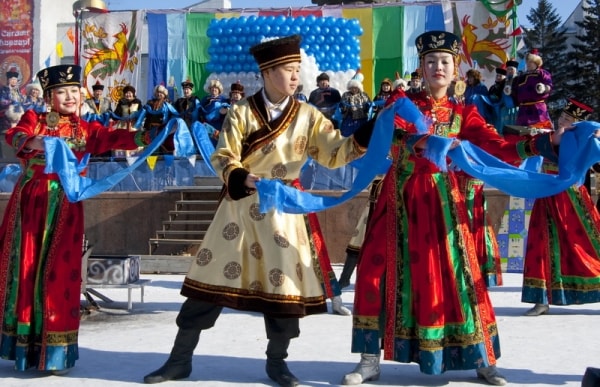 |
| From the 1st to the 3rd day of the Lunar New Year each year, Mongolians enthusiastically celebrate the New Year, also known as Tsagaan Sar ("White Moon" New Year), with many unique customs. |
Mongolia is one of the few countries that celebrates the Lunar New Year like Vietnam. In Mongolia, the two most important and eagerly awaited festivals are the White Month Festival (locally known as Tsagaan Sar) in January and the Naadam Festival in July.
Mongolians place great importance on purification rituals, "cleansing" both body and soul to welcome the new year and wash away sins from the previous year. Therefore, every year, just before New Year's Eve, Mongolians will wash their dishes with mare's milk.
At the same time, before New Year's Eve each year, all the men would go up a hill or mountain, carrying food and praying. Then, each person would choose a direction that, according to their horoscope, was auspicious for them to set out in; this custom is called the "Departure Ceremony" (muruu gargakh). According to Mongolian belief, setting out in the right direction will bring good luck.


