
Is it necessary to unplug electronic devices during thunderstorms?
Whenever there's a thunderstorm, many people immediately unplug electronic devices to avoid being struck by lightning through the power lines. But is this a truly effective protective measure, or just an overreaction?
In this era of rapid technological development, electronic devices have become an indispensable part of modern life, from work and study to entertainment.
Although many devices today run on batteries, the majority still rely on household electricity for stable and continuous operation. This means that electrical outlets, seemingly simple, play a crucial role in the ecosystem of home and office devices.
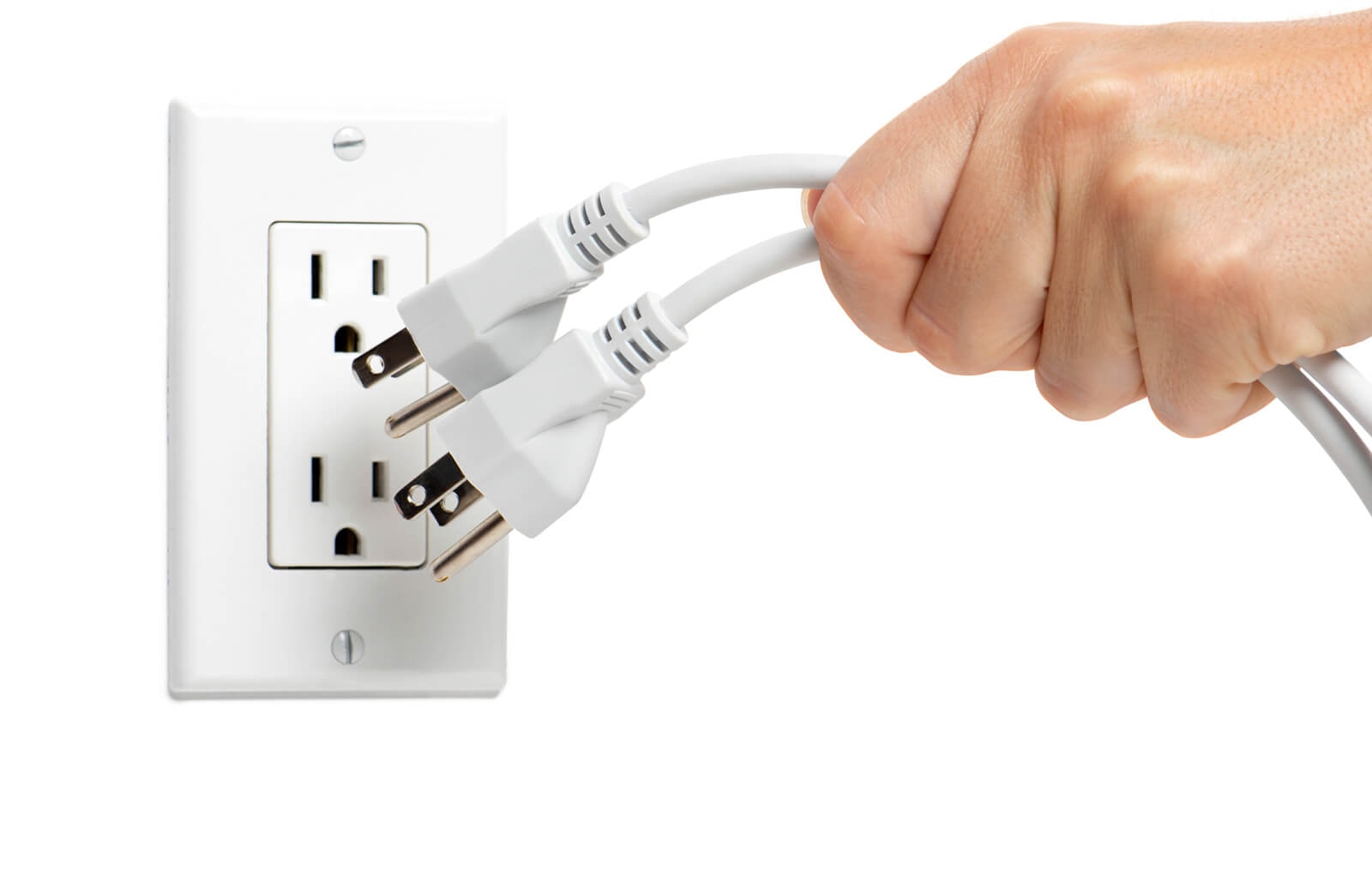
However, simply plugging a device into a power outlet isn't always the safest option. In certain situations, particularly during thunderstorms, disconnecting the device from the power source is not only necessary but also a crucial protective measure.
The reason is that lightning strikes can cause a sudden surge in voltage in the household electrical system. If this current spreads to electronic devices, especially those not equipped with surge protectors, the consequences can be serious damage, or even fire and explosion.
Not only are personal devices affected, but the home's electrical system is also at risk of damage if a surge of current passes through the wires and main switchboard. Therefore, unplugging devices from the socket during thunderstorms not only helps extend the lifespan of appliances but also ensures the safety of the entire household electrical system.
With extreme weather events becoming increasingly common, proactively preventing risks through simple actions like unplugging devices, and considering installing surge protectors, is something every technology user should be aware of.
This is not just an act of protecting property, but also a necessary step towards building a safer living and working environment in the digital age.
Effective ways to protect your home from lightning strikes.
Unplugging electronic devices during a thunderstorm is the first and simplest step to minimize the risks caused by lightning. However, for more comprehensive protection of your home's electrical systems and appliances, users should consider more advanced solutions, even if they come with significant costs.
1. Install surge protection devices for the entire electrical system.
This solution is typically implemented at the main electrical panel, helping to block sudden voltage surges before they reach electronic devices in the house. When functioning correctly, a surge protector can protect multiple devices simultaneously, from TVs and refrigerators to computers. However, it is not an absolute "shield." In the event of a direct lightning strike to the house, the level of protection offered by this device is also limited.
2. Install a lightning protection system.
Lightning rods, also known as lightning arresters, are a more proactive solution. Mounted on the roof and grounded via a wire, this system safely conducts electrical current from lightning strikes to the ground, preventing it from entering the internal electrical system. However, the cost of installing a standard lightning protection system is not insignificant, especially for houses in high-risk areas.
3. Combining multiple layers of protection
No single solution is sufficient to protect against all lightning strikes. Therefore, experts recommend combining both surge protection systems and lightning rods to create a multi-layered protection network that both blocks external voltage surges and minimizes the risk of lightning strikes near or directly impacting the building.
Although lightning protection technology is constantly improving, the truth is that nature always holds surprises. If users haven't had time to implement advanced protection measures, they can still proactively check their equipment after each thunderstorm.
If you notice the device malfunctioning, emitting a burning smell, the casing becoming unusually hot, or the circuit breaker tripping, stop using it immediately and contact a qualified technician for inspection and troubleshooting.
With extreme weather events becoming increasingly common, investing in electrical safety, while seemingly costly initially, is a worthwhile investment to protect your property, equipment, and the safety of your family.
How to identify electronic devices damaged by lightning and how to handle the situation.
Damage from lightning strikes sometimes doesn't show up immediately, but there are still clues you can observe. The most common sign is that equipment suddenly malfunctions or shuts down completely after a thunderstorm.
Before performing a safety check, look for a burning smell around the outlet, charring or discoloration on the outlet surface, or any burn marks on the device casing; these are all indicators that a surge of current has passed through.
If you suspect damage to your electrical system, the first step is to call an electrician to inspect the electrical panel, wiring, and replace outlets if necessary. For personal appliances, consult the user manual and warranty terms, as many manufacturers offer free repairs or replacements in case of lightning damage.
While there's no guarantee that lightning will damage your home during a thunderstorm, prevention is always better. Even with surge protectors and lightning rods, unplugging appliances at the first sign of lightning is still the simplest yet most effective way to protect your property and ensure the safety of your family.


