
Are you sure you know how to distinguish between different types of salt?
Salt is an indispensable seasoning in cooking. But do you know how to distinguish between different types and how to use them properly?
If the knife is considered the most important weapon in the kitchen, then salt is arguably the key ingredient that determines the success or failure of your dish.
When it comes to salt, most people think of it as a salty seasoning used to enhance the flavor of food. But did you know that there are actually many types of salt, distinguished by their different crystal structures?
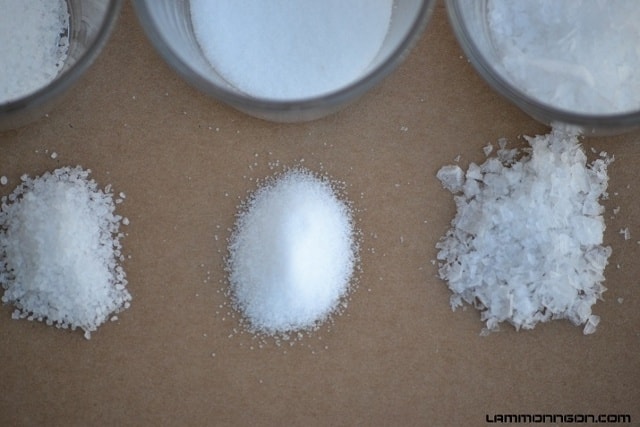 |
| From left to right: Kosher salt, table salt, sea salt |
There are three main types of salt used in cooking and daily life: table salt, sea salt, and kosher salt.
Don't be surprised if you're unsure about the existence and differences between these three types of salt. Countless other people are equally unaware of their differences.
But since salt is such an important ingredient, let's explore the differences between them, based on an article published in the cooking magazine Tasting Table.
1. Table salt
Refined salt is a type of salt with a cubic crystalline structure, the smallest crystal size among all types of salt. Therefore, when observed with the naked eye, you will see that refined salt usually has more uniform and finer grains compared to other types of salt.
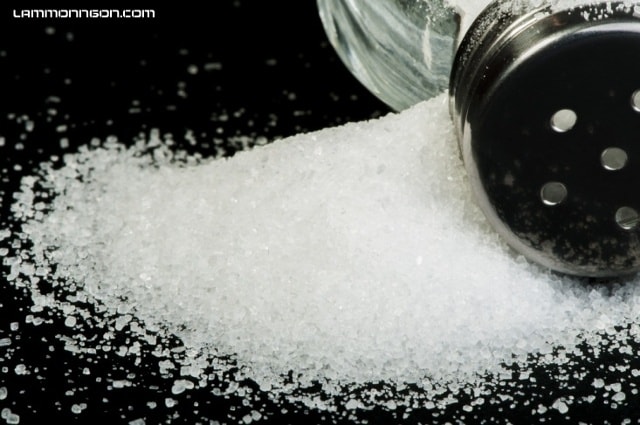 |
| Refined salt is finely ground and has the smallest crystal structure among all types of salt. |
Because it is extracted from underground salt mines, refined salt does not usually clump together due to its high content of moisture-resistant substances such as calcium silicate.
How to use:
As the name suggests - table salt, this type of salt is usually placed on the table to be used at the last minute when diners feel the food isn't to their liking after it has been served.
However, this type of salt is usually very salty, so when cooking, you should only use a small to moderate amount. Another little secret is that fine salt is often sprinkled on cakes, and they taste delicious!
2. Kosher salt (table salt)
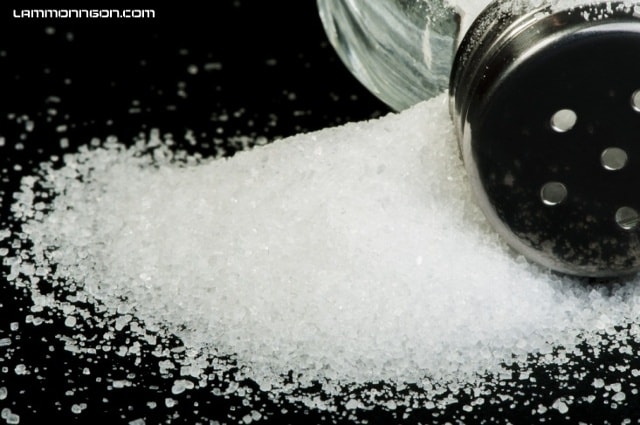 |
| Looking closely at kosher salt, you can easily observe with the naked eye that its crystals are fragmented and thin. |
Kosher salt is less refined than refined salt due to its crystalline structure, which consists of large, fragmented, hollow pyramid-shaped crystals; the salt flakes are usually larger and not tightly bound together. Therefore, Kosher salt is often coarse, large, and not smooth.
How to use:
With its moderate saltiness, this is the type of salt most favored by professional chefs because it allows for easy adjustment of the amount added to food before, during, and after cooking.
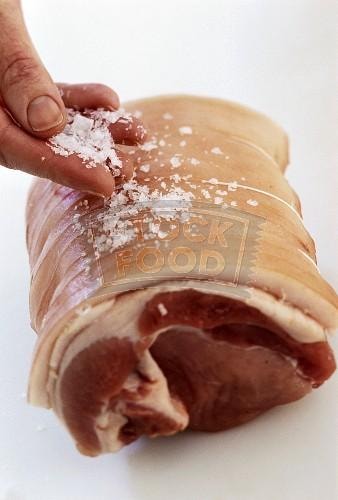 |
Kosher salt is especially good for marinating chicken and pork before cooking! This is because the fine crystals of the salt help retain moisture inside the meat, making ribs more tender, beef more juicy, and chicken breasts softer and more moist.
3. Sea salt
Sea salt has a rather irregular and non-uniform crystal structure because it is produced directly from seawater and undergoes minimal processing.
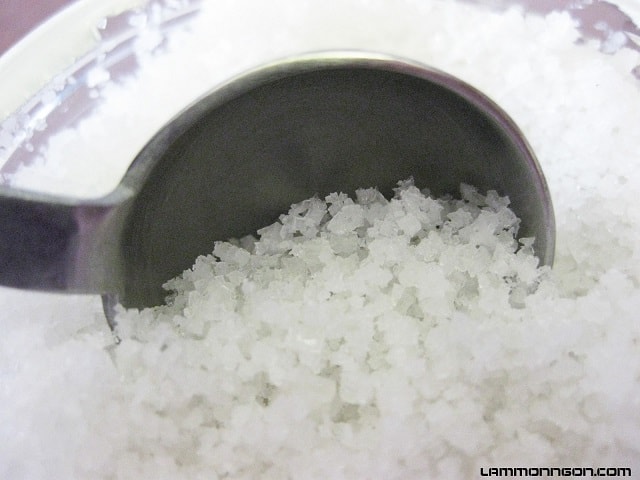 |
Sea salts typically contain higher levels of mineral deposits compared to other types, which can cause discoloration.
How to use:
Sea salt is typically divided into two grades: fine and medium, based on their crystal size.
Fine-grained sea salt is commonly used to marinate red meats or seafood such as fish and shrimp. It not only enhances the flavor of dishes with its salty sea taste but also brings out the delicious aroma of seafood. Additionally, you can also season with sea salt after cooking.
Coarse-grained sea salt is less commonly used for seasoning food and is quite effective for washing meat and fish. Due to its large surface area, rubbing the salt on the surface of meat and fish helps remove dirt and reduce some of the fishy smell.
According to Young Knowledge


