
New mechanism 'unleashes' renewable energy.
On June 26, 2026, the Government issued Decree No. 243/2026/ND-CP amending and supplementing a number of articles of Decrees No. 57 and 58 of 2025 guiding the implementation of the Electricity Law, thereby "unleashing" and promoting renewable energy, contributing to ensuring national energy security in accordance with the spirit of Resolution 70-NQ/TW.
Revise the electricity trading mechanism soon.
Decree 57/2025 and Decree 58/2025 on electricity trading mechanisms and policies prioritizing the development of renewable energy, issued just one year ago, have already revealed bottlenecks and inconsistencies. Therefore, in accordance with Resolution 70-NQ/TW on ensuring national energy security by 2030, with a vision to 2045, the Government will continue to amend these decrees to address bottlenecks and mobilize resources for the development of energy projects.
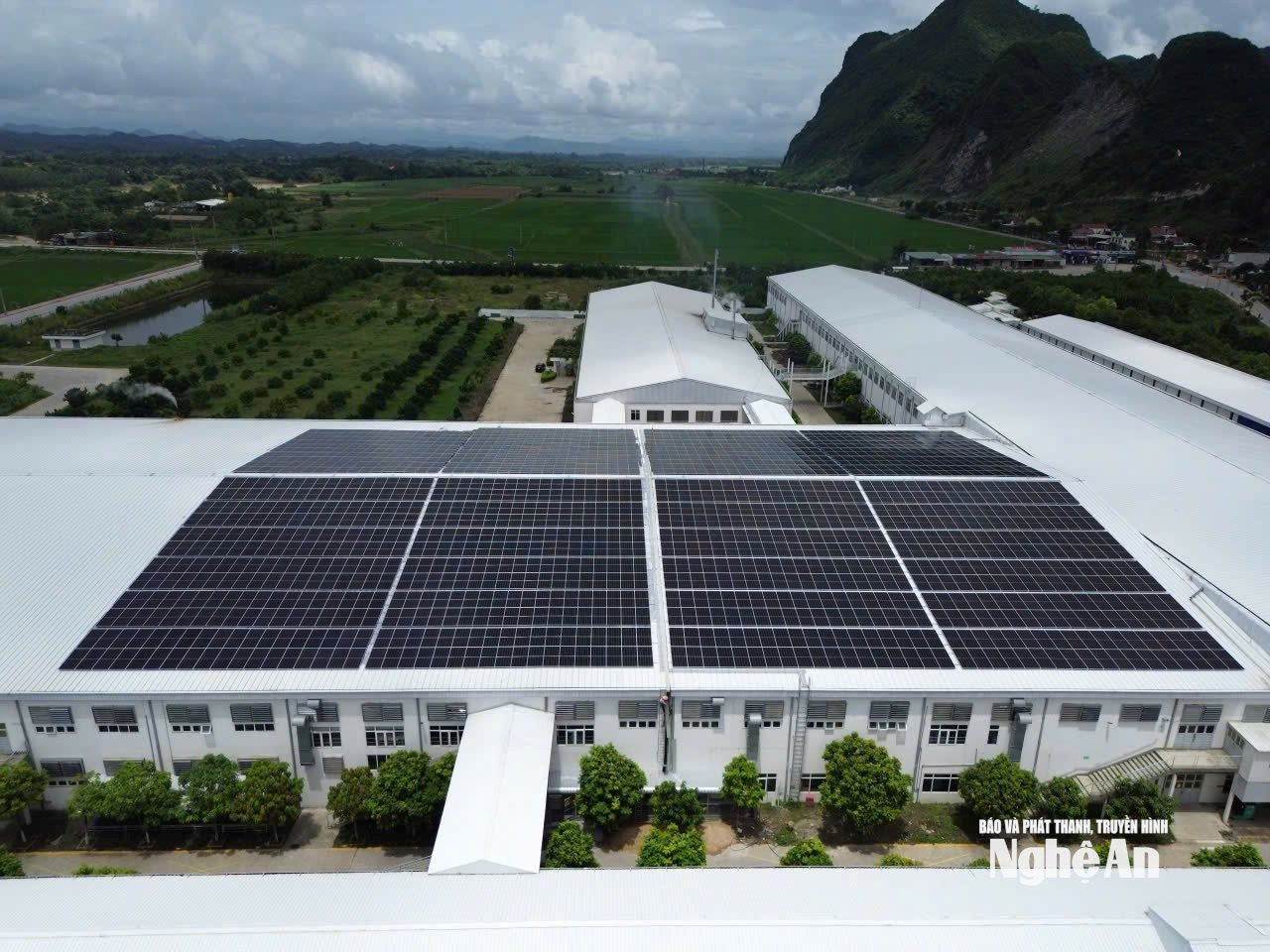
Previously, with Decree 58/2025/ND-CP allowing households, individuals, and businesses to invest in and install rooftop solar power systems with a capacity of less than 100 kWp under the "self-production, self-consumption" scheme without having to register with the Ministry of Industry and Trade, a positive effect was created as contracts for installing "self-production, self-consumption" rooftop solar panels surged.
In Nghe An province, just one year after the implementation of Decree 58, hundreds of contracts for the installation of rooftop solar panels with capacities ranging from 8 kWp to 30 kWp have been submitted to Nghe An Power Company, along with nearly 600 contracts with capacities from 50 to 99 kWp. At the same time, dozens of contracts for the installation of rooftop solar panels at factories in industrial clusters, with capacities exceeding 100 kWp, have been completed. In total, over 110 MWp of rooftop solar power has been submitted to the Department of Industry and Trade throughout the province.
A representative from Nghe An Power Company stated: While Decree 58/2025/ND-CP stipulated that customers installing rooftop solar panels for self-consumption could only sell a maximum of 20% of their surplus electricity, Decree 243/2026 now allows customers to sell 50% of their surplus electricity to the grid. Therefore, this decree not only encourages households to install solar panels with a capacity of 8 kWp to 20 kWp for home use but also attracts investors seeking larger-scale power generation.
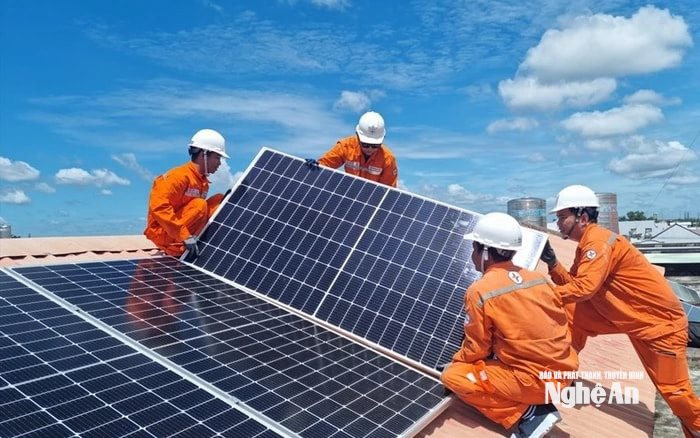
On the other hand, the new regulations allow power generation units to find large electricity consumers to sell electricity directly, bypassing EVN, and eliminating the need to sell only through EVN as before.
A solar power installation company in Truong Vinh ward stated: The regulation has addressed the issue where, during the summer months, electricity demand increases, leaving some areas without power, but surplus electricity from rooftop solar panels remains unused. In reality, some businesses install large-capacity rooftop solar systems but only utilize 50% of the output, leaving 50% surplus and 100% of the electricity generated on weekends, which is not allowed to be sold to the grid.
Deputy Minister of Industry and Trade Nguyen Hoang Long emphasized: Vietnam is a tropical country with abundant sunshine, possessing enormous potential for the development of renewable energy, especially solar power. Every year during the summer, due to increasing electricity consumption, the potential for solar power is large but not fully exploited. Furthermore, the lack of a comprehensive direct electricity trading mechanism means that surplus electricity is wasted. A mechanism for direct electricity purchase and sale agreements between rooftop solar power generators and large electricity consumers will remove this bottleneck. Following the issuance of Decree 243, the Electricity Law of 2024 will be amended in the near future.
Key new features
One of the notable new features of Decree 243/2026/ND-CP is the clear regulation on the mechanism for direct electricity trading. Accordingly, after serving consumption, if there is a surplus, up to 50% of the surplus can be sold to the national grid or sold directly to large electricity consumers through agreements.
In addition to the above new points, Decree 243 also adds that solar panels can be installed not only on rooftops but also on structures with similar roof structures, on the surface of roofs of construction projects, warehouses, ponds and lakes; and on multi-purpose land-use structures such as farms and livestock farms...
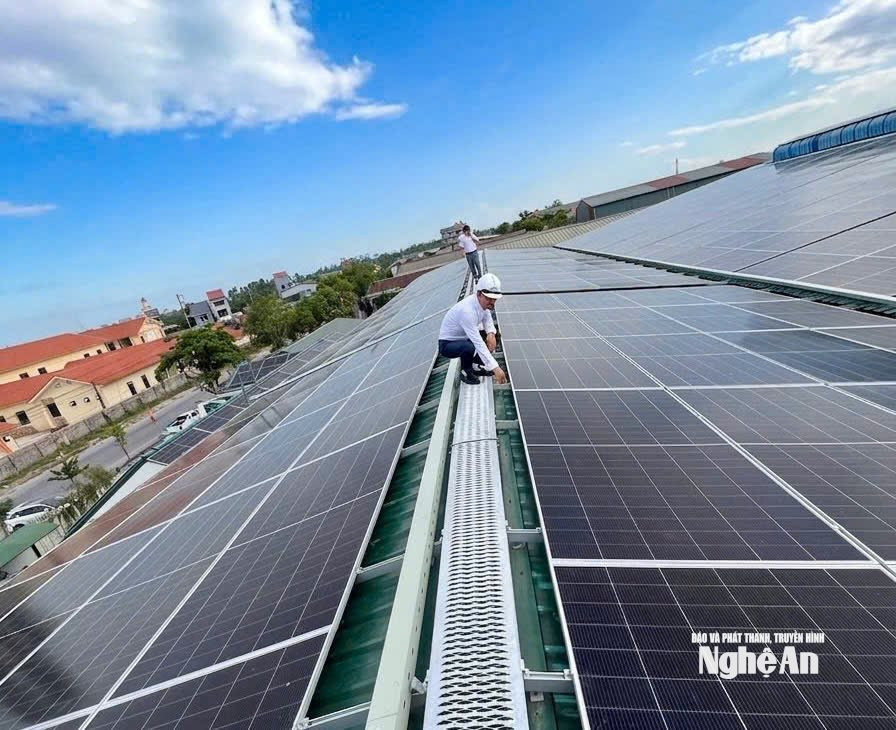
A representative from the provincial business association shared: "Not only do businesses own factory roofs, but some also want to rent factory roofs in industrial parks, clusters, government offices, hospitals, and farms to install solar power generators and then sell the electricity to customers. After investment, the power generation system only needs a transformer and converter to conveniently sell electricity to surrounding customers." Citing the experience of Bac Ninh, just one year after implementing Decree 58/2025/ND-CP, the province has developed thousands of rooftop solar power projects on factory buildings in industrial parks, bringing the total capacity to over 800 MWp, equivalent to a large-scale hydropower project, and significantly contributing to reducing pressure on the system.
Feedback from citizens and businesses
Mr. Le Xuan Son, a resident who invested in rooftop solar power in Truong Vinh ward, shared: "Through information from the rooftop solar panel installation consultant, I learned that the government has just increased the amount of surplus electricity that can be sold from 20% to 50%."
This is an opportunity for households and units installing systems with a capacity of 30 to under 99 kWp. Families who invest in rooftop solar power in 2025, primarily for home use in conjunction with the grid, will consider selling the surplus when needed.
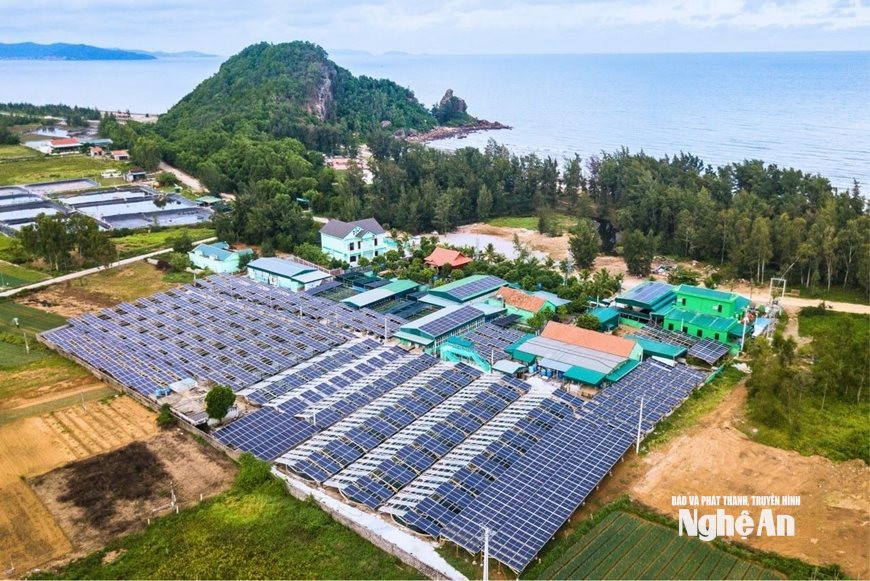
Vietnam Algae Science and Technology Joint Stock Company (Quynh Anh commune) decided to invest 12 billion VND in installing a solar power system with a capacity of over 1 MWp on the factory roof. After installing the solar power system, it has helped ensure a stable power supply for the business, reducing electricity costs by 50 million VND per month; the surplus electricity sold back to the grid generates several hundred million VND annually.
Mr. Nguyen Van Hung, Chairman of the Board and General Director, shared: "At the time of investing in the solar panel system, the company tried to balance its finances and projected a return on investment within the next 10 years. However, the most important thing when installing a solar panel system is to have clean electricity for production and tourism development, and later, if there is surplus electricity, we can sell it back to the grid."
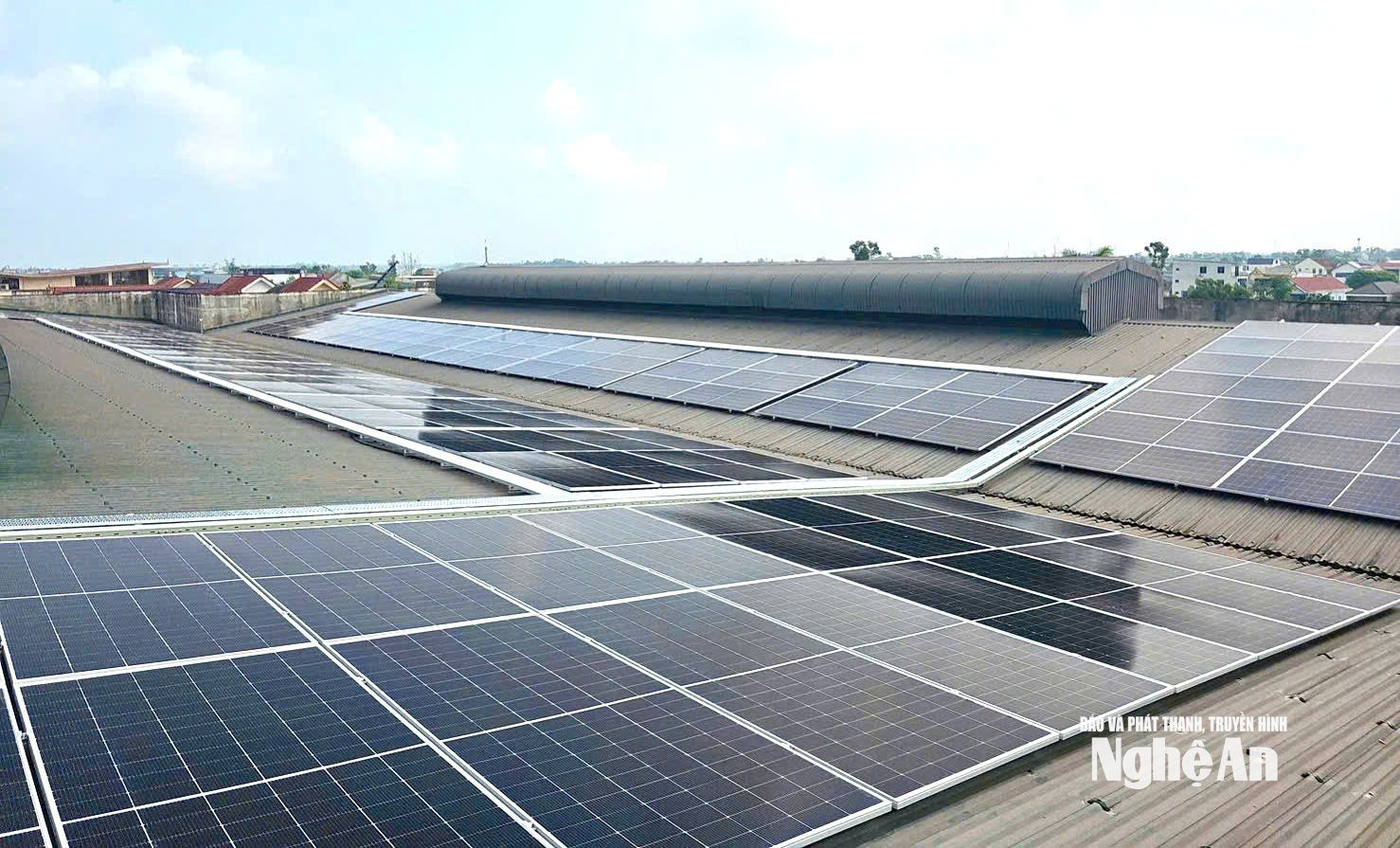
Regarding practical obstacles, representatives of rooftop solar panel installation companies stated that the biggest hurdle for contracts with a capacity of 100 kWp or more currently lies in the registration procedures at the Department of Industry and Trade and the connection process with Nghe An Power Company. In addition, the regulation requiring systems over 100 kWp to have safety monitoring equipment increases initial investment costs by 50-80 million VND per project. Therefore, businesses propose that the government should be flexible and raise the threshold to 500 kWp to encourage and incentivize small and medium-sized enterprises and farm owners to invest boldly.
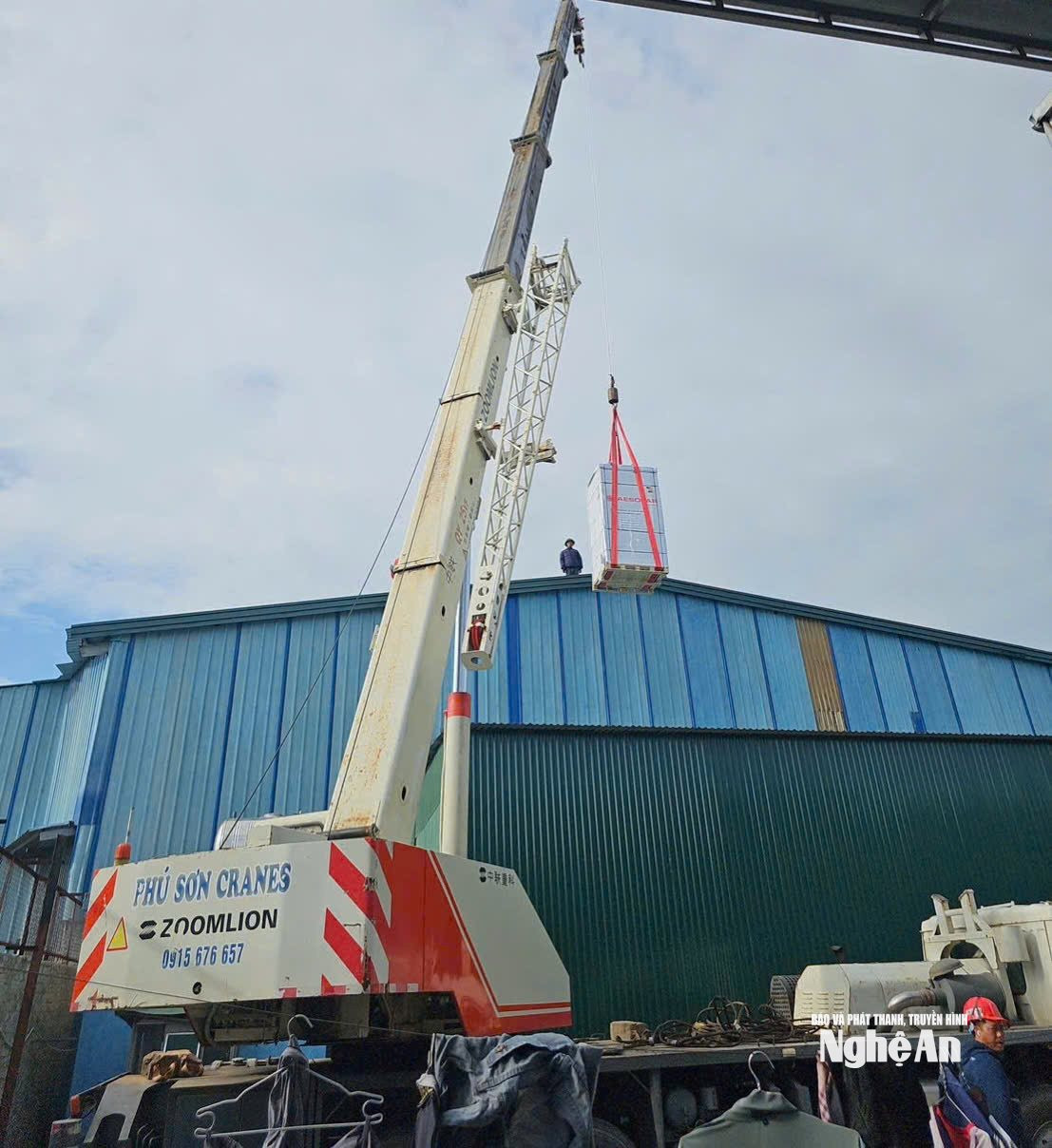
Dr. Le Khac Binh, a renewable energy consultant (Vinh University of Technology and Education), shared: To stay ahead of the trend, people and businesses now consult information very carefully before investing in installation. Besides choosing standard equipment, finding reputable suppliers and contractors is crucial. Only then can maintenance be ensured, helping the system operate reliably and achieve maximum power generation efficiency.


