
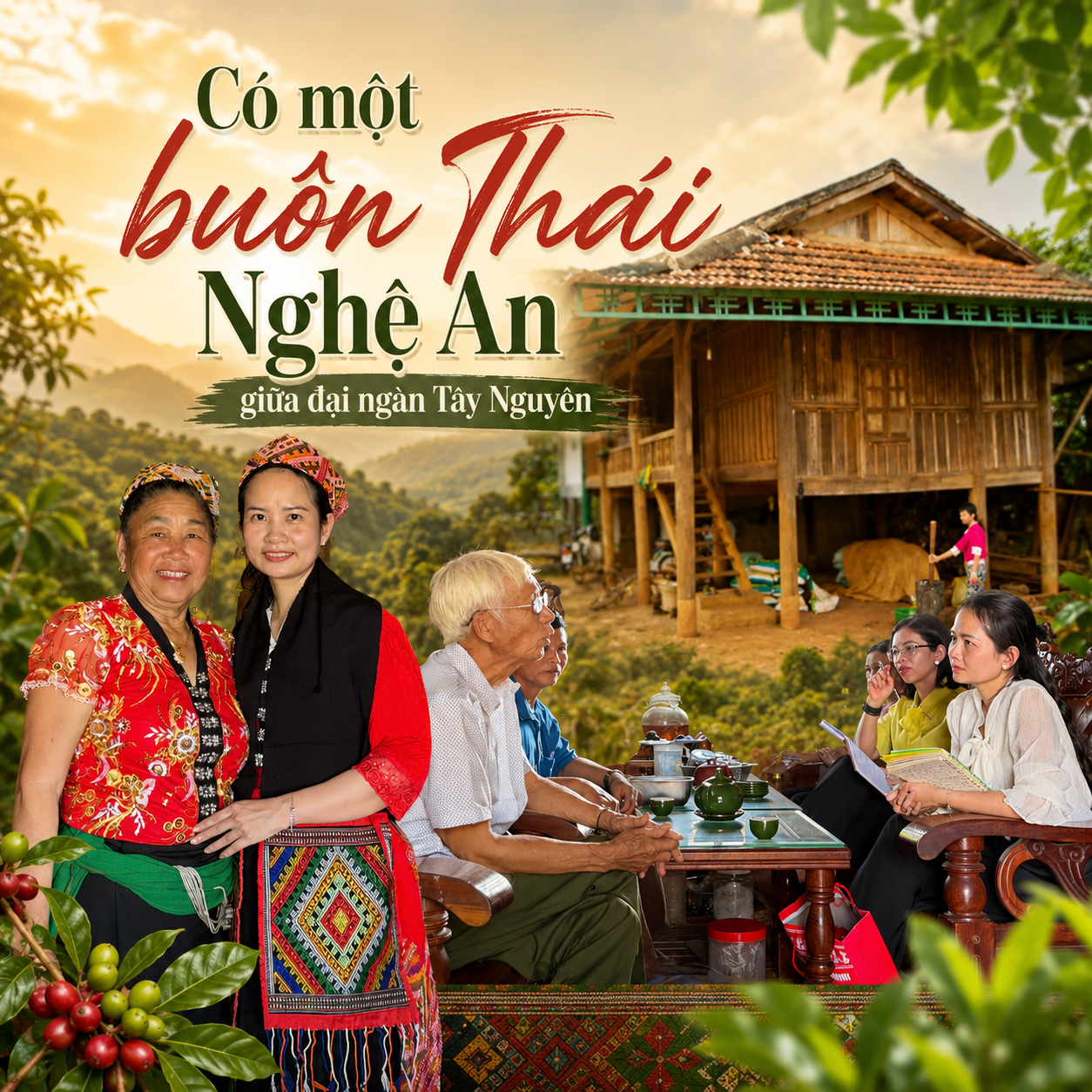
There is a Thai ethnic minority village in Nghe An province, nestled amidst the vast forests of the Central Highlands.
In the heart of the Central Highlands' red basalt soil, hundreds of kilometers from their homeland in western Nghe An province, lives a Thai community that has steadfastly remained in this new land for over three decades.
Phuoc AnhJune 17, 2026
Amidst the red basalt soil of the Central Highlands, hundreds of kilometers from their homeland in western Nghe An province, lies a community of Thai people who have steadfastly remained in this new land for over three decades. They came here from villages along the Nam Non and Nam Mo rivers in Tuong Duong district years ago, bringing with them their language, customs, traditions, and aspirations for a better life.prosperousmore. From a few pioneering families who went to find land to settle down, today..., bThai ethnic minority in Ea Kiet commune, Dak Lak provinceIt has become home to over 900 people, considered a unique "piece" of Nghe An province amidst the vast Central Highlands.
The "land opening" months”
Ea Kiet commune is located about 30km from the center of Dak Lak province. Upon arriving in the commune, if you ask for directions to Thai village, everyone will enthusiastically guide you. Established over 30 years ago, the village has become an integral part of the lives of the indigenous ethnic groups of the Central Highlands.
Sitting in his spacious house in the Thai village, Mr. Vong Van Dong, the village Party Secretary, quietly recalled the early days when the Thai people first set foot in this land. In 1993, three pioneers, Mr. Lo Quoc Hoi, Mr. Tran Huu Duong, and Mr. Loc Van Ha, originally from Tam Thai commune, Tuong Duong district (formerly), came to Dak Lak to explore opportunities for living and production. At that time, leaving their homeland for the Central Highlands was not an easy decision. Although their hometown was poor, with limited arable land and many difficulties in life, the desire to find a new land to establish a livelihood was always strong; but migrating hundreds of kilometers to a strange place required a great deal of determination and willpower.
Fortunately for those who came first, upon arriving here they met some people from Nghe An who were working and living in Dak Lak. The help of their compatriots, along with the support of the local government, helped the first families find a place to live and gradually stabilize their lives.
.png)
News of the new land quickly spread back home. Seeing the success of those who had gone before, many families from Tam Thai, Huu Khuong, and Kim Da communes in the former Tuong Duong district visited their relatives, learned about the land, and then decided to move their entire families to the Central Highlands. Trucks carrying belongings and household items left western Nghe An province one after another. Their baggage included not only essential necessities but also memories of their homeland and the customs and traditions that had been passed down through generations.
By 1995, the Thai village was officially established with 74 households and over 200 inhabitants, becoming a gathering place for the Thai community who had left their homeland. The name Thai village was unanimously chosen by the people to remember their roots.
The early days in the new land were not easy. The area where they lived was far from the center, and transportation and trade were difficult. There were no houses, the land was not stable, and the crops had not yet yielded a harvest, causing many families to fall into hardship.
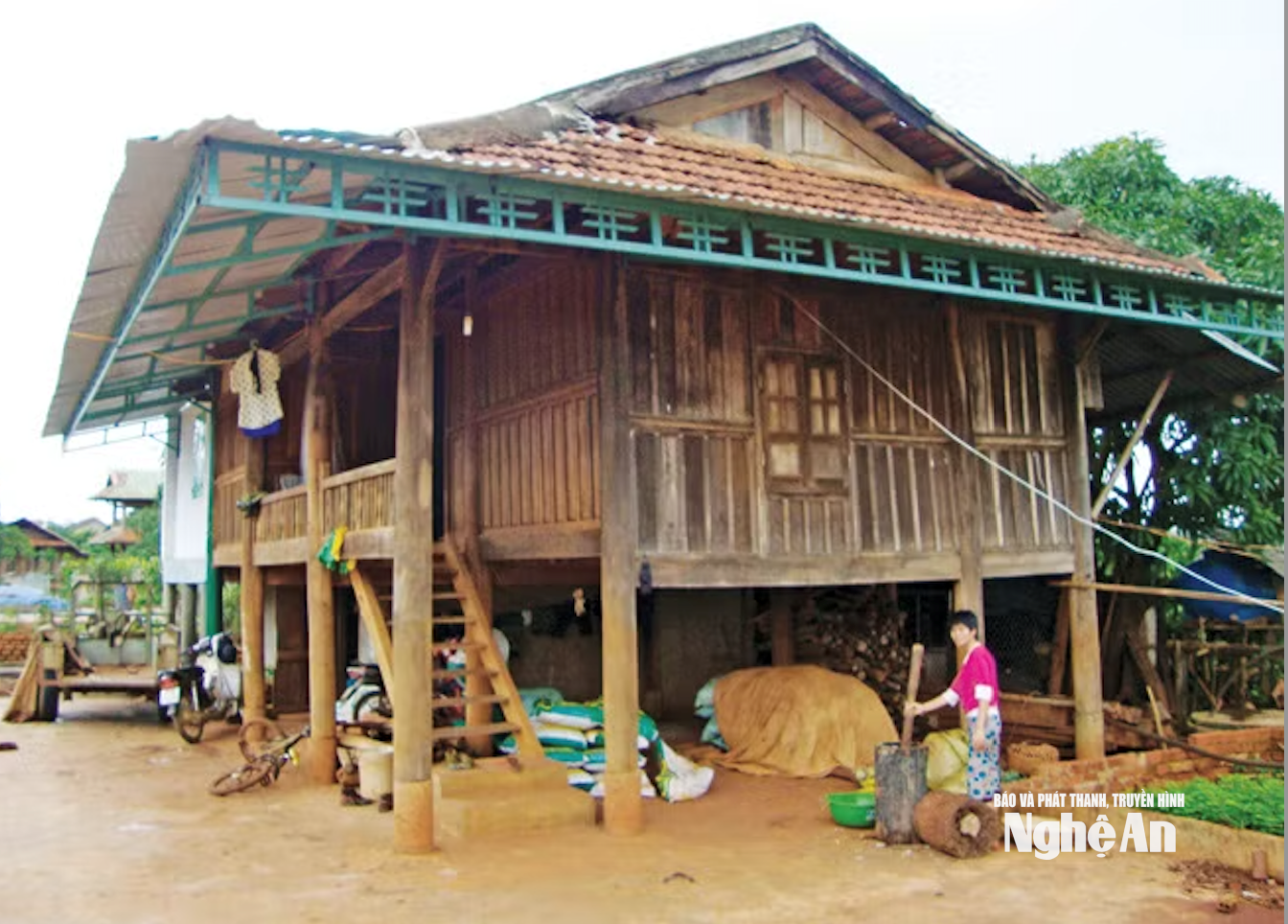
Mr. Dong recalled that when he arrived in Dak Lak around August 1994, he had to go ahead alone to survey the area. After building a small hut as temporary accommodation, he returned to his hometown in November to bring his wife and two children to live with him. Many other families experienced similar circumstances. Lacking building materials, the villagers cut down trees and thatch to build huts; later, they sought help from local people to saw wood and build houses. In the early years, most families lived in stilt houses, following the customs of the Thai people.
Despite the hardships of life, the natural environment of the Central Highlands offered new opportunities to the pioneers. The fertile red basalt soils, a stark contrast to the steep hills of their homeland, opened up prospects for agricultural development. Learning from the local inhabitants, the people began cultivating coffee, pepper, cashew nuts, and many other industrial crops. The results weren't immediate, but after the first few harvests, when the crops yielded good prices, their faith in the new land grew stronger. From makeshift shelters, many families built sturdy houses; from impoverished households with nothing, many became relatively well-off producers.
"Initially, everyone faced difficulties. Some were discouraged because they weren't used to the new life, and some even considered returning to their hometowns. But the land here is good, and with hard work, things yield results. Thanks to that, the people gradually settled down and developed," Mr. Dong shared.
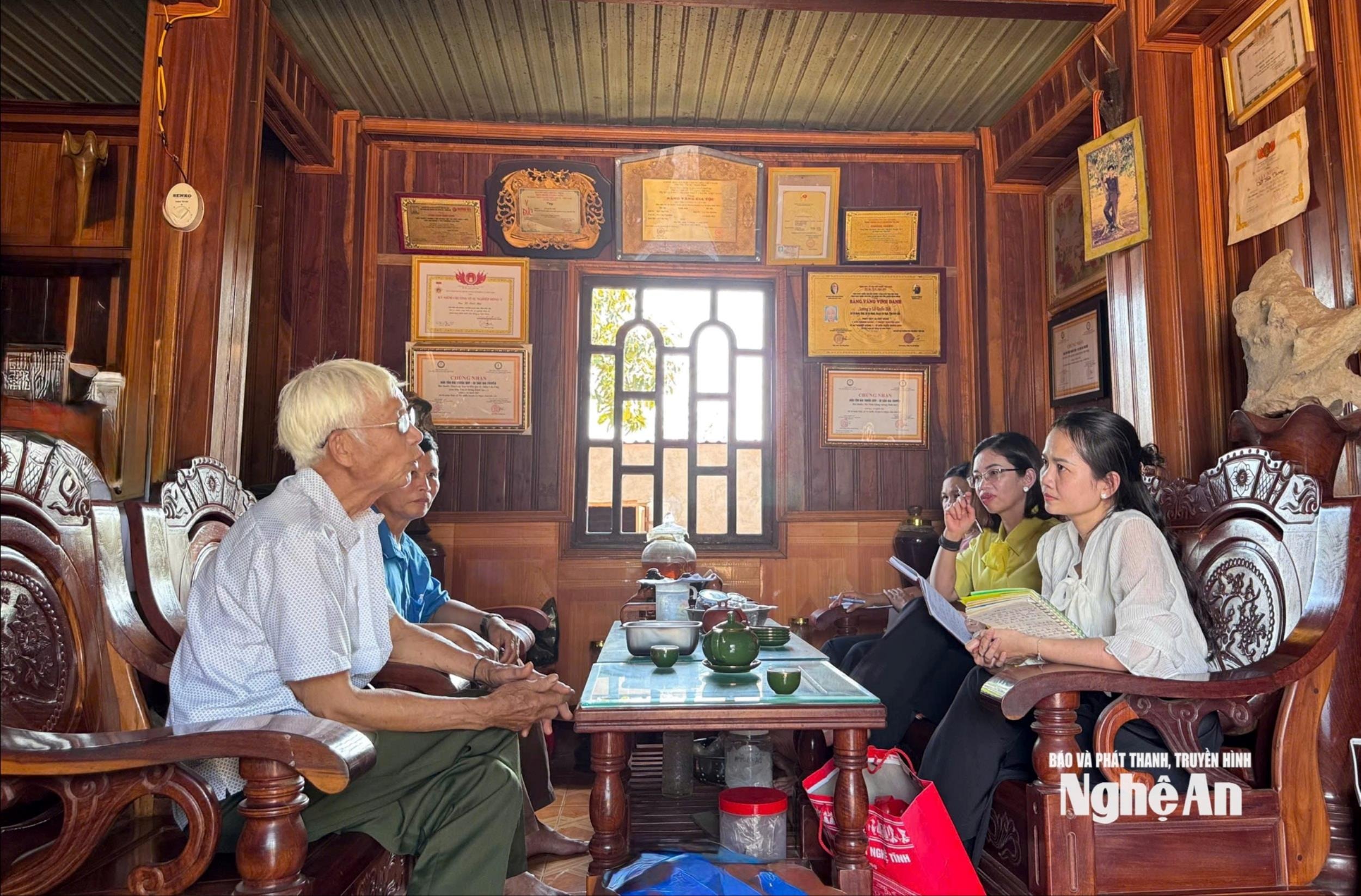
After more than 30 years, the Thai village today has a completely different appearance. The village currently has 224 households with over 900 inhabitants. Besides the Thai people, there are also Kinh, Tay, Nung, and Ede ethnic groups living together; with the Thai people accounting for about 95% of the population. The material living standards of the people have improved significantly. The roads in the village are increasingly well-maintained, many families have solidly built houses, and modern household appliances.
According to Mr. Vong Van Dong, the village alone now has more than 20 private cars, and almost every family has purchased modern electronic, refrigeration, and household appliances – something that the pioneers who settled the land years ago could hardly have imagined.
.png)
Recalling his early years in the new land, Mr. Vong Van Dong, Secretary of the Thai village Party branch, expressed deep affection for the indigenous people of the Central Highlands. According to him, the people there helped the Thai community with sincerity and kindness. Some families became sworn brothers, some adopted children, and they shared production experiences and provided support in life. This mutual support helped those from western Nghe An quickly integrate into their new homeland while still preserving their unique cultural identity.
Preserving the essence of the Thai people of Nghe An
in the heart of the Central Highlandsn
What is commendable is that, alongside economic development, the Thai community here has preserved many traditional cultural values. In daily life, the Thai language is still widely used within families and in community relationships.
More importantly, the language has not faded away through generations. Second and third-generation teenagers born and raised in the Central Highlands still speak Thai fluently. Grandparents and parents are always conscious of passing on their ethnic language to their children and grandchildren as an indispensable part of their cultural identity. In a multi-ethnic environment, the fact that children born hundreds of kilometers away from their ancestral homeland still use their mother tongue fluently and regularly demonstrates the enduring vitality of Thai culture in this region.
Many traditional customs of the Thai people are still preserved quite intact by the community. In the villages today, there are still shamans who perform spiritual rituals. Important family events such as weddings, funerals, house building, or religious ceremonies are all scheduled according to the Thai calendar and performed according to cultural conventions passed down through generations. Despite many changes in life, the people still consider these rituals an important part of their spiritual life, a bond connecting community members to their ethnic cultural roots.
According to the elders in the village, maintaining traditional rituals is not only about preserving the old ways but also about educating children about their roots. Therefore, in weddings, funerals, and community festivals, young people are still guided by their parents and grandparents to perform the rituals according to Thai customs. Thanks to this, many cultural values have been continuously passed down from the first generation of migrants to the generations of children born and raised in the Central Highlands today.
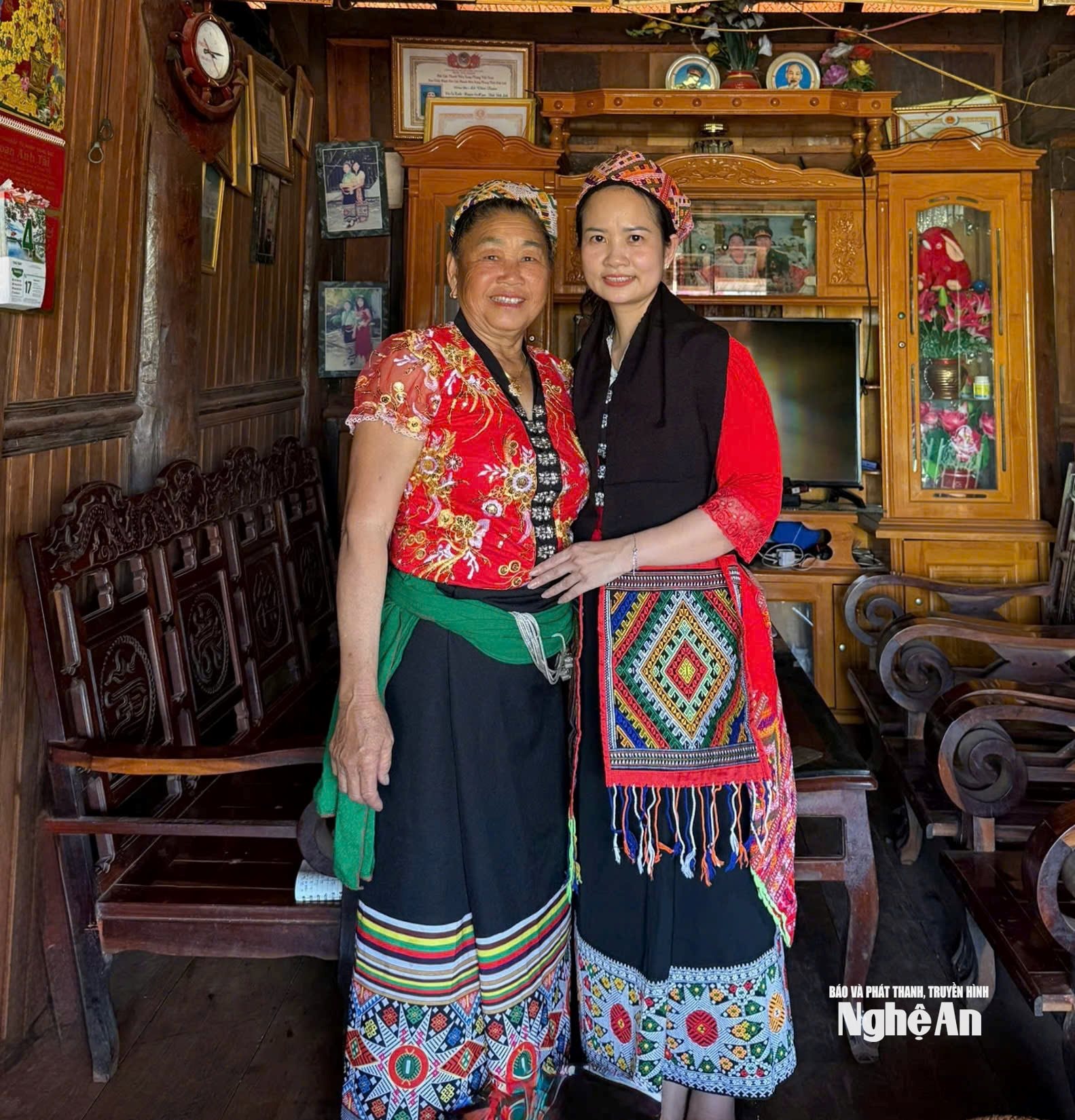
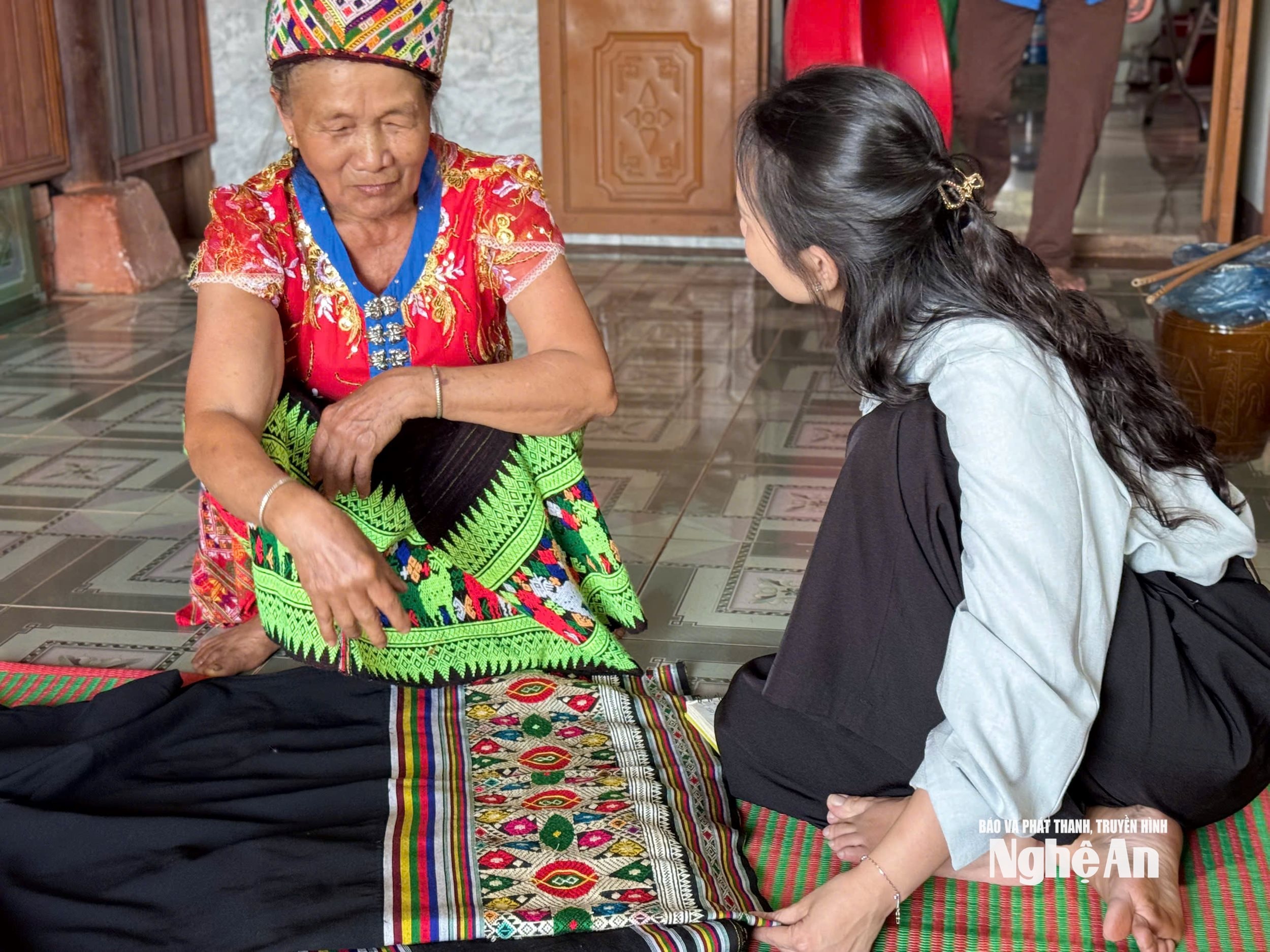
In this journey of preserving cultural identity, there are people quietly safeguarding the traditional beauty of their ethnic group. Mrs. Luong Thi Hoan, born in 1956, originally from Kim Da commune, formerly Tuong Duong district, is one of them. Amidst the modern Thai village today, her family's wooden stilt house stands out as a unique architectural feature. While many stilt houses have gradually given way to solid constructions, her family continues to preserve traditional architecture as a part of their homeland's memory.
What's remarkable is that despite having lived in the Central Highlands for many years, Mrs. Hoan still frequently wears traditional Thai clothing. In her family kitchen, she regularly prepares traditional dishes and teaches her children and grandchildren how to cook them. For her, it's not simply a habit, but also a way to preserve her identity and pass on the values of her ancestors and roots to her descendants.
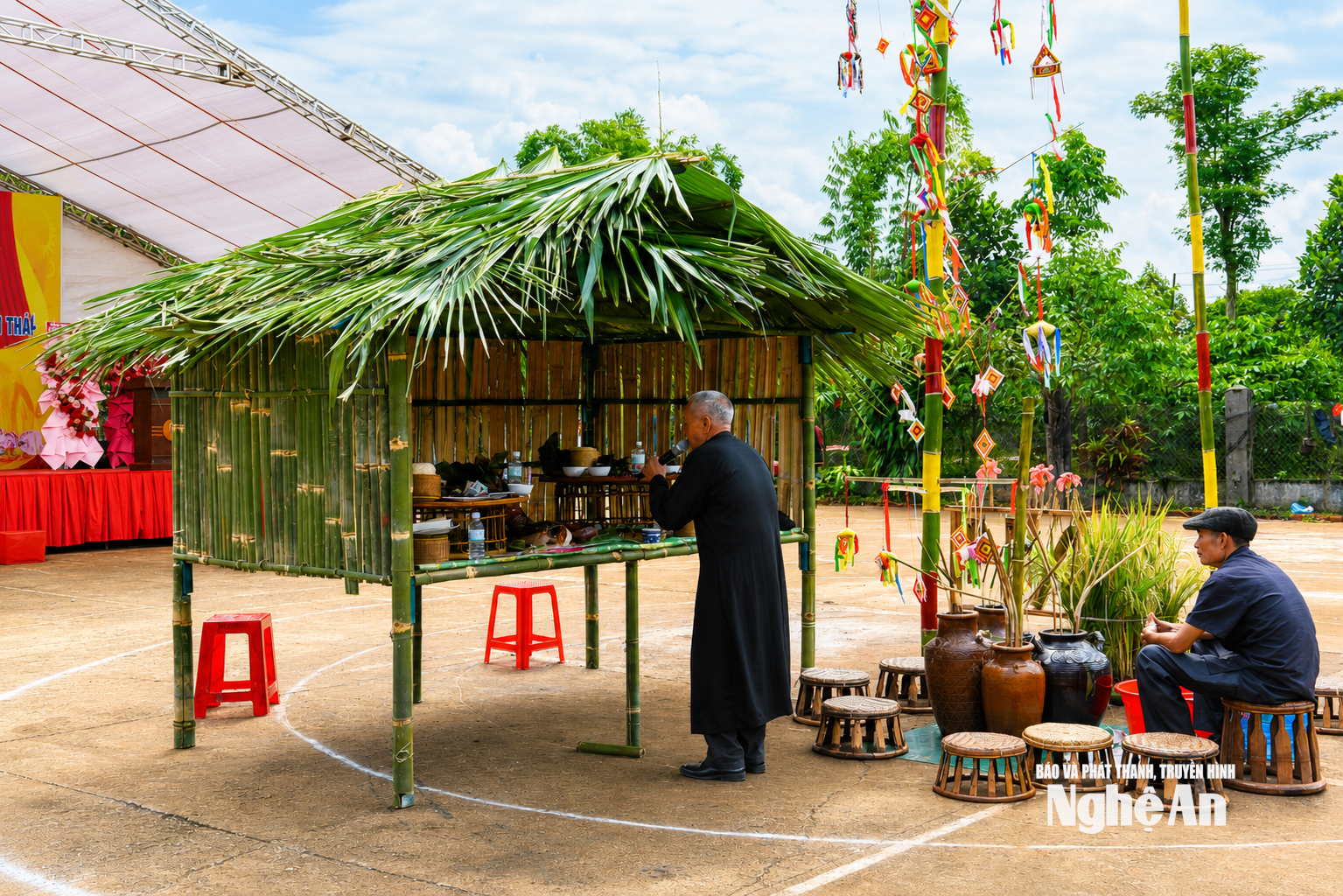
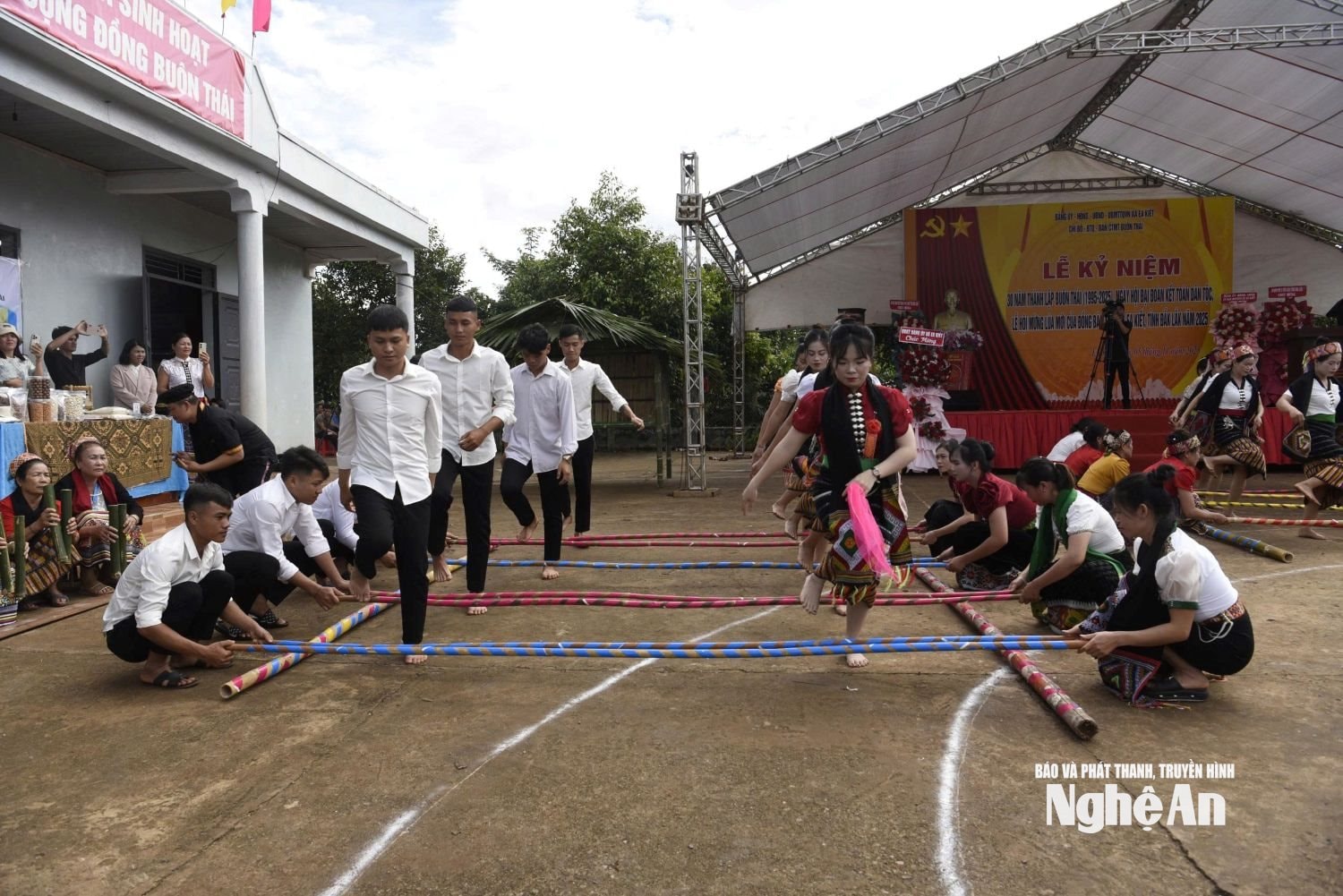
In Thai villages, festivals are when cultural identity is most clearly expressed. Previously, the people maintained the annual New Year's ceremony according to their ethnic customs. In recent years, the community has agreed to organize the festival every three years.
In 2025, the New Rice Festival, combined with the 30th anniversary celebration of the Thai village, was held in a joyful atmosphere, attracting a large number of indigenous people to participate and share in the festivities. The traditional clothing of the Thai people of Nghe An was proudly and cherishedly worn by the villagers. The festival was not only an occasion to pray for a bountiful harvest but also an opportunity for the community to meet, connect, and pass on cultural values to the younger generation.
_watermarked.jpg)
Over 30 years is a long enough time for Thai children from Nghe An born in the Central Highlands to settle down and establish their lives. Many have never lived a day in Nghe An, never drunk the water of the Nam Non or Nam Mo rivers, yet they still know by heart the stories of their ancestral homeland through the stories of previous generations. They regularly follow news about their hometown of Nghe An through mass media, maintain contact with siblings and relatives in their old hometown; and whenever their homeland faces hardships or natural disasters, they always generously offer practical support.
For these people who left their homeland, the Central Highlands is a place to build a life, while the villages of western Nghe An are a place of cherished memories, anchoring a part of their souls. It is from this bond that they tirelessly strive to build a prosperous life in their second homeland, while simultaneously preserving their language, customs, and traditions. Amidst the vast Central Highlands today, the Thai villages are not only home to a migrant community but also a vivid testament to the enduring vitality of Nghe An culture on its journey of land reclamation…


