
'As long as there are clues about my teammates, I will continue searching.'
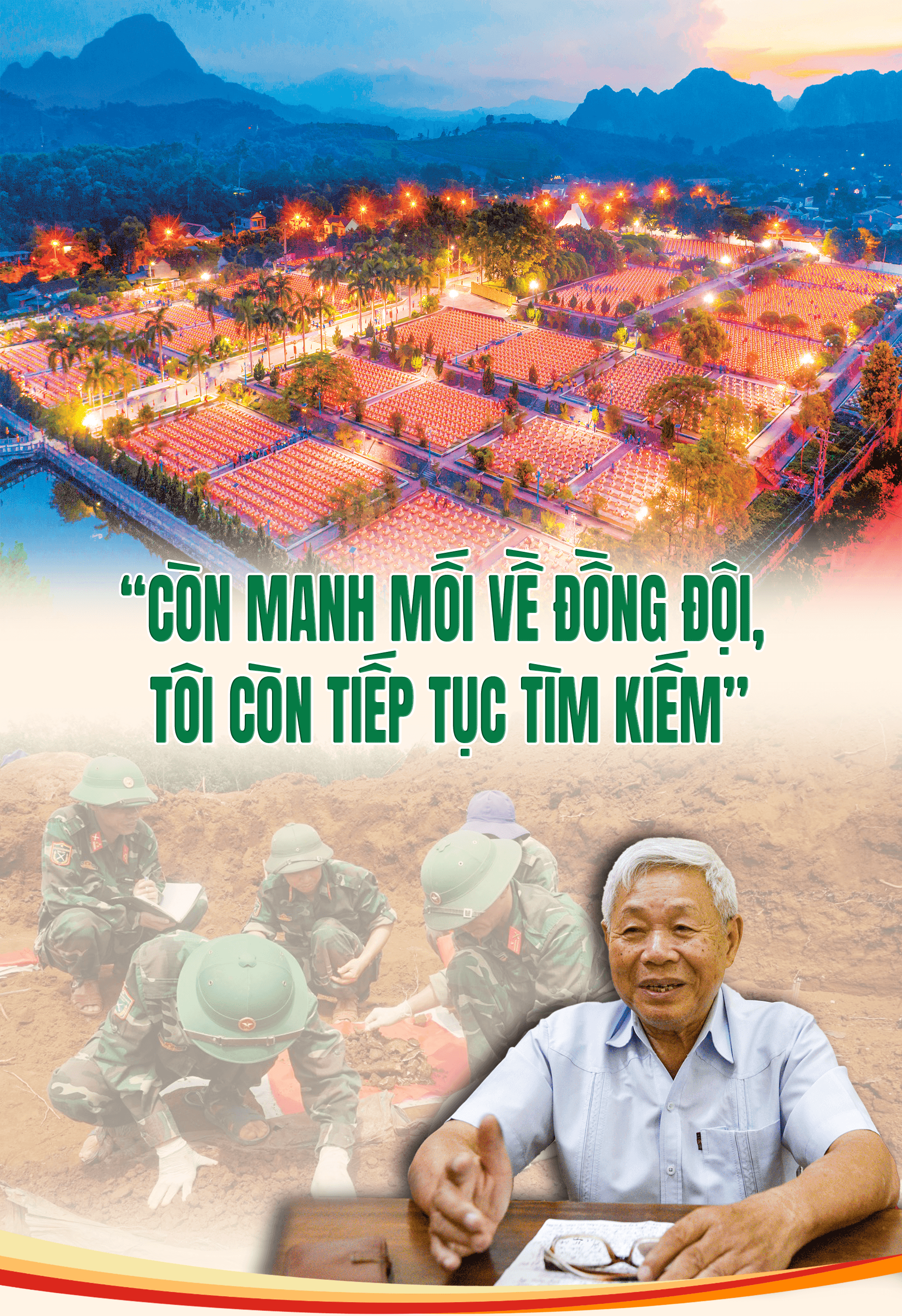
More than half a century after the war, veteran Nguyen Tat Trien is still diligently searching for information about his fallen comrades. Through more than 30 trips back to the battlefield, he has collected, categorized, and connected information on approximately 2,300 martyrs. At the age of 77, the wounded veteran still considers it a "debt" owed to those fortunate enough to return home, as he shared in a conversation with reporters from Nghe An Newspaper and Radio and Television.
Minh Quan(Perform) /Present:Hong ToaiJuly 19, 2026
*****
More than half a century after the war, veteran Nguyen Tat Trien is still diligently searching for information about his fallen comrades. Through more than 30 trips back to the battlefield, he has collected, categorized, and connected information on approximately 2,300 martyrs. At the age of 77, the wounded veteran still considers it a "debt" owed to those fortunate enough to return home, as he shared in a conversation with reporters from Nghe An Newspaper and Radio and Television.

Veteran Nguyen Tat Trien:During the war, comrades in the same unit lived together like family. We ate together, lived together, marched together, fought together, and protected each other during life-or-death moments. That bond cannot fade just because the war is long over.
I have witnessed many losses firsthand. Some comrades were with me just moments before, and after a battle, they were gone. Some people saved my life, only to be killed in action themselves. Those memories have stayed with me for life.
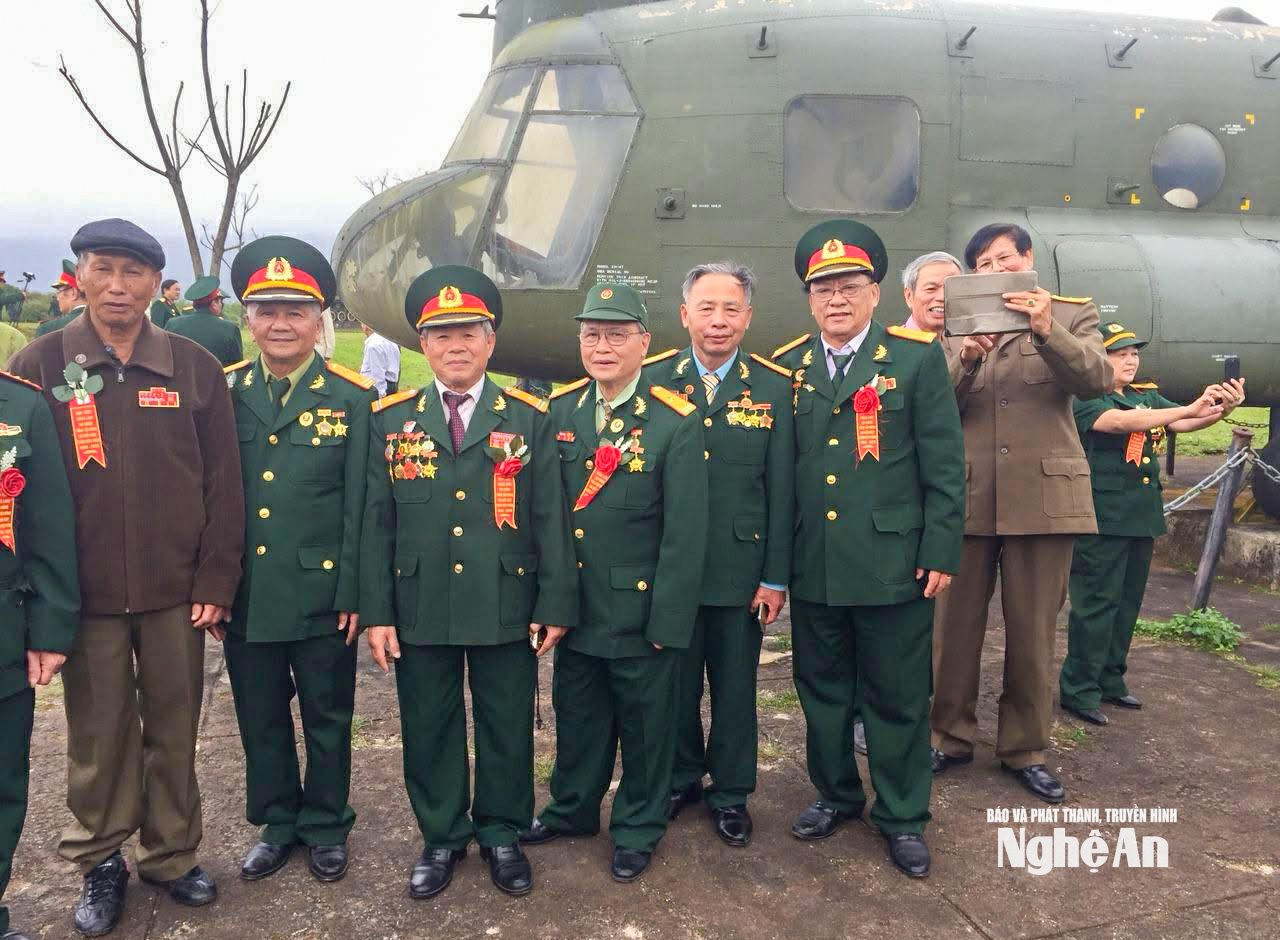
During a battle, I was severely wounded. Comrade Nguyen Van Hung, from Tu Ky district, in the former Hai Duong province, carried me out of the battlefield. That night, the area was shelled again, and Comrade Hung was killed. I was saved and returned to my family, while the man who saved me fell on the battlefield. Every time I think about it, I feel a pang of guilt.
After retiring, I met many families of fallen soldiers who had waited for decades but still didn't know where their loved ones were buried. Those expectant eyes motivated me to do something.
Since 1985, I have collaborated with the Fallen Soldiers' Remains Collection Team of Regiment 1, Division 324 to search for and gather information. Around 2010, I dedicated more time to finding documents, cross-referencing lists, connecting with relatives, and returning to old battlefields with my comrades. For me, it is both a responsibility and an emotional debt to those who sacrificed their lives.
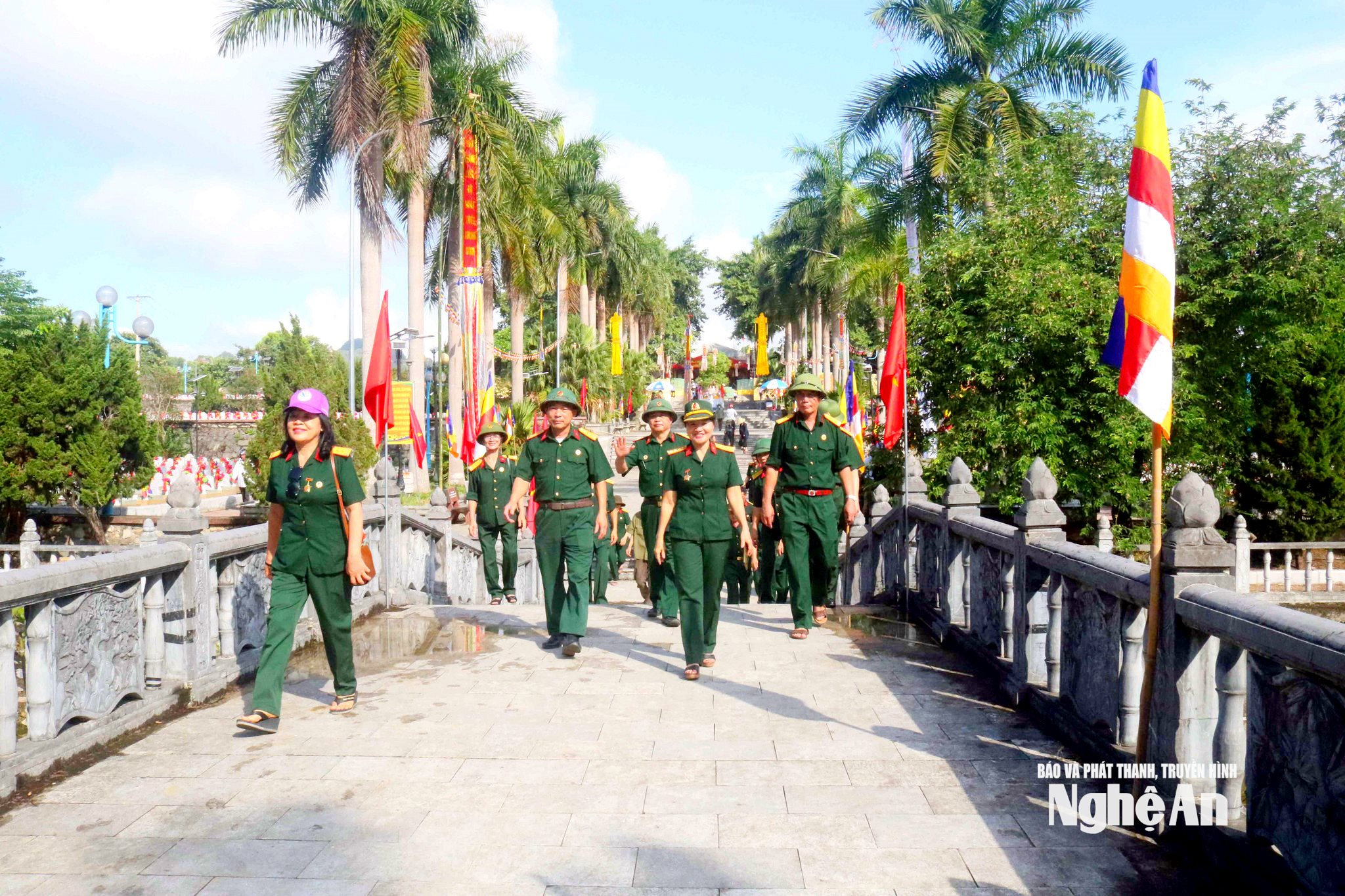
Veteran Nguyen Tat Trien is from Minh Son commune, formerly Do Luong district, now Thuan Trung commune; he currently lives in Truong Vinh ward.
He enlisted in 1967, serving in the 1st Regiment, 324th Division, and fought on the Tri Thien front and served in Laos. In 1973, he was wounded near the An Lo bridge in Thua Thien Hue; he subsequently continued his military service and retired in 1989 with the rank of Lieutenant Colonel.
He previously held several positions such as Chairman of the Ward Veterans Association, Vice Chairman of the Ward People's Council, and Secretary of the Party Committee of Trung Do Ward, in the former Vinh City. Currently, he serves as Chairman of the Association of Soldiers of the 1972 Quang Tri Citadel Battle in Truong Vinh Ward.
Veteran Nguyen Tat Trien:The areas I return to most often are Quang Tri, Thua Thien Hue, and some areas where my unit previously fought. Each trip is associated with a specific case or area that needs inspection.
We sought out former comrades, local people, and officials who had participated in the repatriation effort; we visited cemeteries, original burial sites, and locations where graves might have been moved. Sometimes we had to venture deep into the forest, carrying only instant noodles and dried food. Many times we didn't get any results, but thinking of the families of the fallen soldiers waiting, we kept searching for other sources of information.
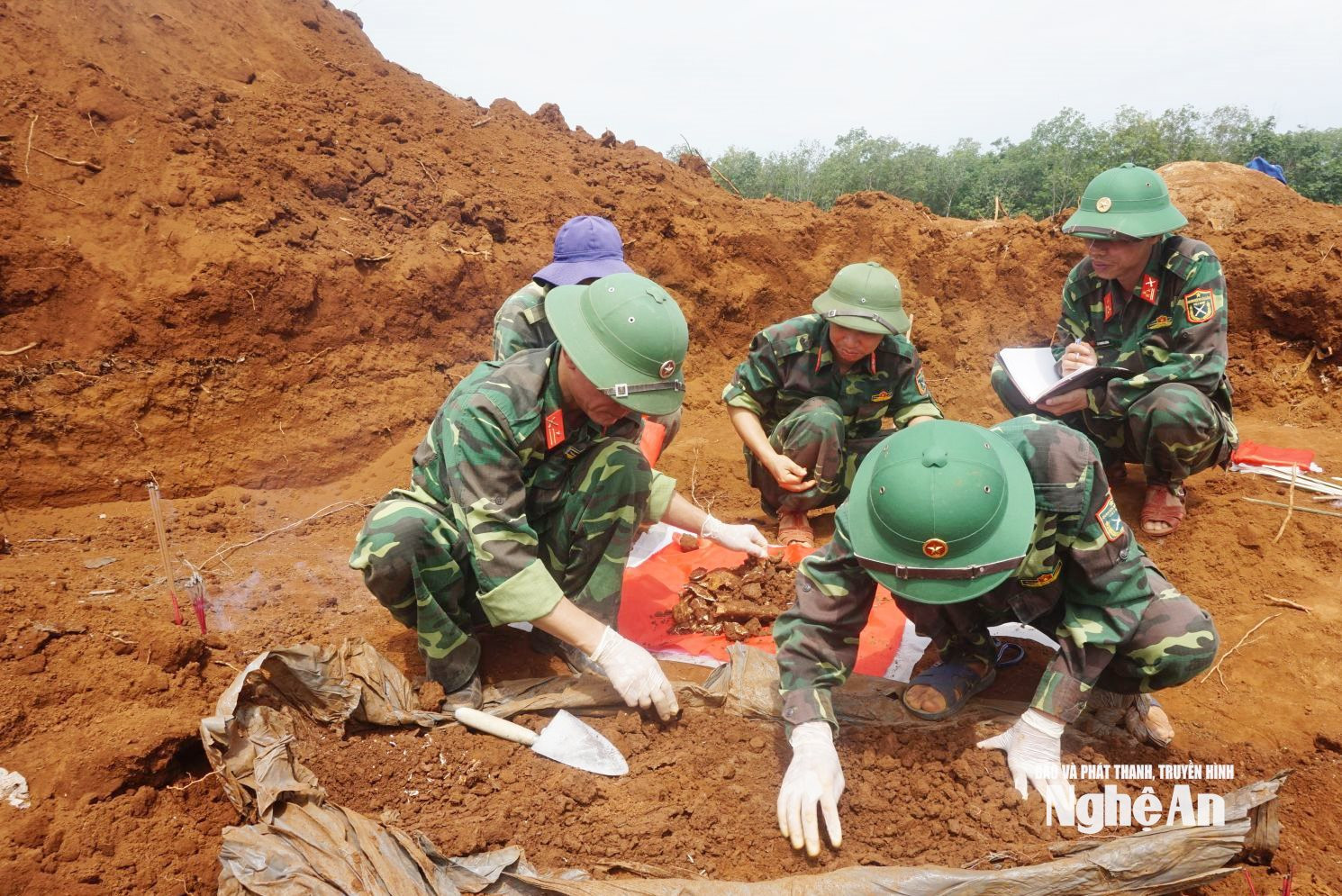
My most recent trip was around April 2026, to A Lưới and some locations in Thừa Thiên Huế province. Due to my age and health limitations, I can't travel as much as before. However, I still try to go wherever I can and meet any witnesses I can. There is information that, if not recorded now, may be forgotten accurately later.
Veteran Nguyen Tat Trien:The first comrade I helped find was martyr Bien Van Thanh, from Minh Son commune, formerly Do Luong district. Thanh was my friend since childhood; we enlisted together. Later, he became the Battalion Commander of Battalion 2, Regiment 1, Division 324.
After years of searching, with the coordination of the unit and the recovery team, his remains were brought back to his hometown for burial. This was a comfort to his family; and for those who had fought alongside him, it was a feeling of having fulfilled a part of their responsibility to their comrade.
The cases I've found warm my heart, but those who haven't been found become a source of anguish. Some families come to me with only a few pieces of information from the death certificate. I recount the area where my unit operated, the battles, and everything I still remember. Sometimes, everyone just hugs each other and cries.
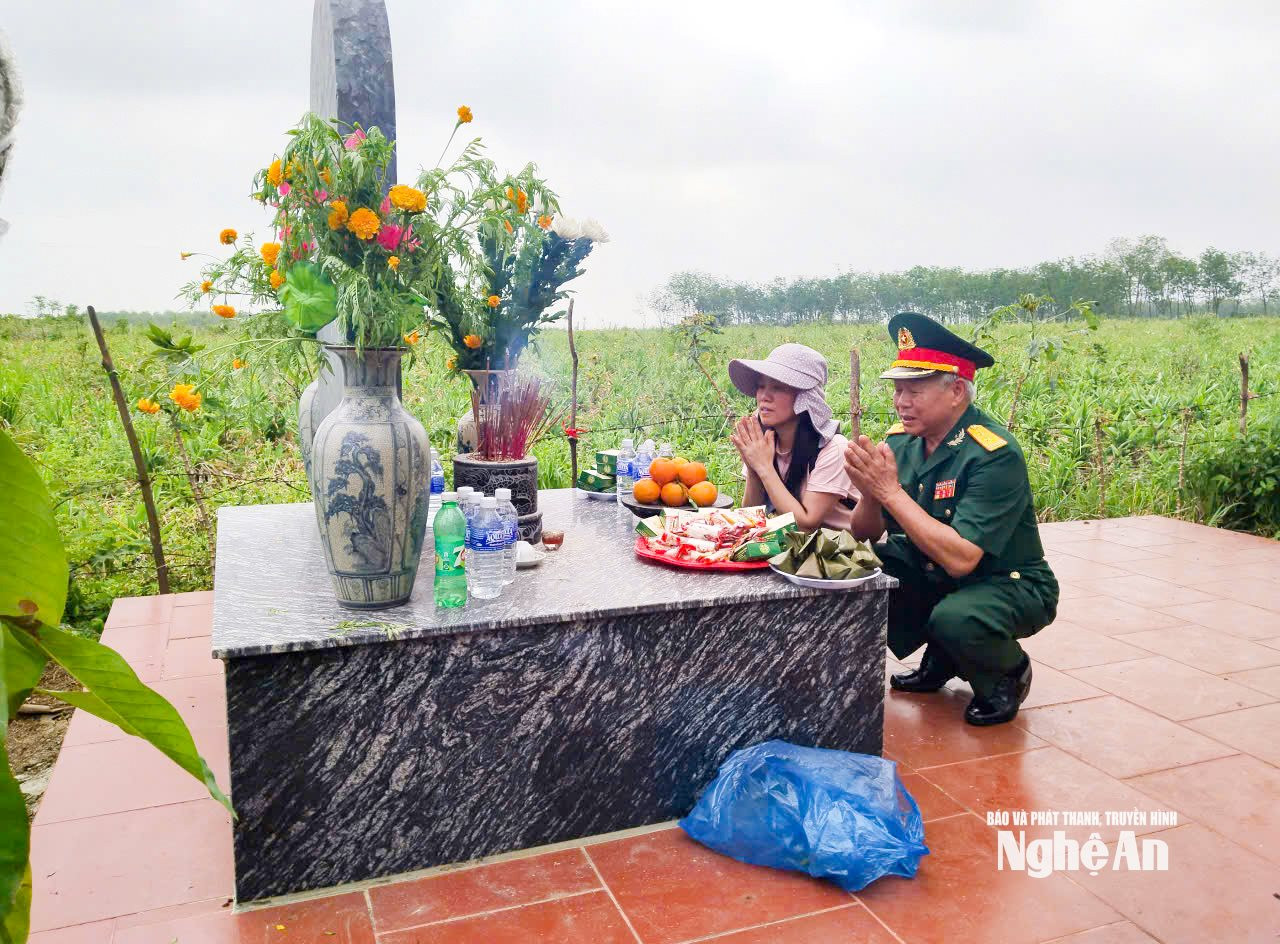
One case that still troubles me is that of martyr Quách Văn Thuấn, whose family currently lives in the Từ Liêm area of Hanoi. His relatives have searched many times but have not been able to locate his grave. The family asked me to recount and record memories of his unit and the battlefield so that their descendants can better understand the man who sacrificed himself. To this day, they still hope that DNA matching can be used to determine his identity.
For the relatives of fallen soldiers, sometimes even a piece of information about a battle or the location where their unit was stationed is invaluable. Even if the grave hasn't been found, the descendants can still better understand how their loved ones lived and sacrificed.
PV: After more than half a century, information about many fallen soldiers is limited to a name, a place name, burial diagrams, or fragmented memories from comrades. How did he connect and cross-reference these sources of information, especially to avoid giving families false hope when there was insufficient evidence?
Veteran Nguyen Tat Trien:This is a very difficult task and requires exceptional caution. Many documents have been lost, and burial diagrams are no longer complete. Some graves were originally buried on the battlefield, then moved to various locations. Unit names, place names, and administrative boundaries have also changed.
Upon receiving information, my first priority is to check the unit, the date of death, and the battle area. From historical documents and unit designations, I can pinpoint the battle zone and determine where the unit was operating at that time.
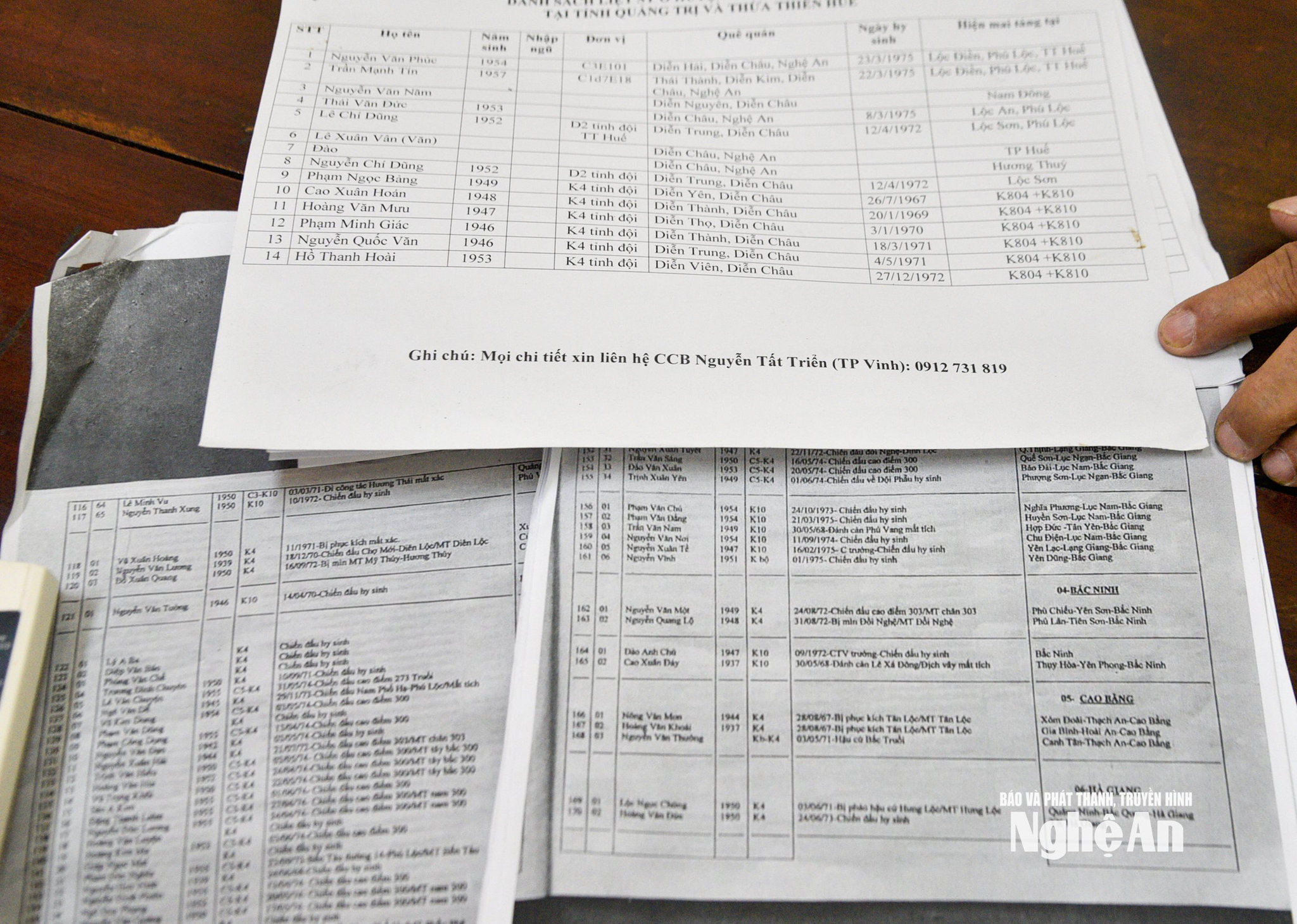
Next, I compared information with lists of fallen soldiers, cemetery records, burial diagrams, information from the recovery team, and the memories of those who directly participated in the battle. In some cases, I had to find the former team leader of the recovery team to ask where the remains were exhumed and which cemetery they were transferred to. A single source is often insufficient; multiple pieces of information must be pieced together to form a reliable search direction.
This work requires coordination between teammates, policy agencies, the recovery team, local authorities, and the relatives of fallen soldiers. When I receive information, I forward it to the relevant authorities for further investigation; I do not draw conclusions on my own.
I always make it clear to the family which information is verified and which is merely for reference. Relatives have waited for decades, and even a single incomplete piece of information can cause them to hope only to be disappointed later. In reality, sometimes we need to provide nine or ten sources of information to verify one or two cases. However, when multiple sources are combined, the chances of identifying a fallen soldier are much greater.
Veteran Nguyen Tat Trien:That way of speaking could easily lead people to believe that I personally searched for, collected, and brought back over 2,000 remains of fallen soldiers to their hometowns. That's not actually the case.
My main job is collecting, classifying, and providing information. Previously, many lists were compiled collectively by unit or battlefield. I separate them to determine how many martyrs from Nghe An province were in each cemetery and each list, how many belonged to each locality and each unit; then I forward the information to their relatives and the relevant agencies.
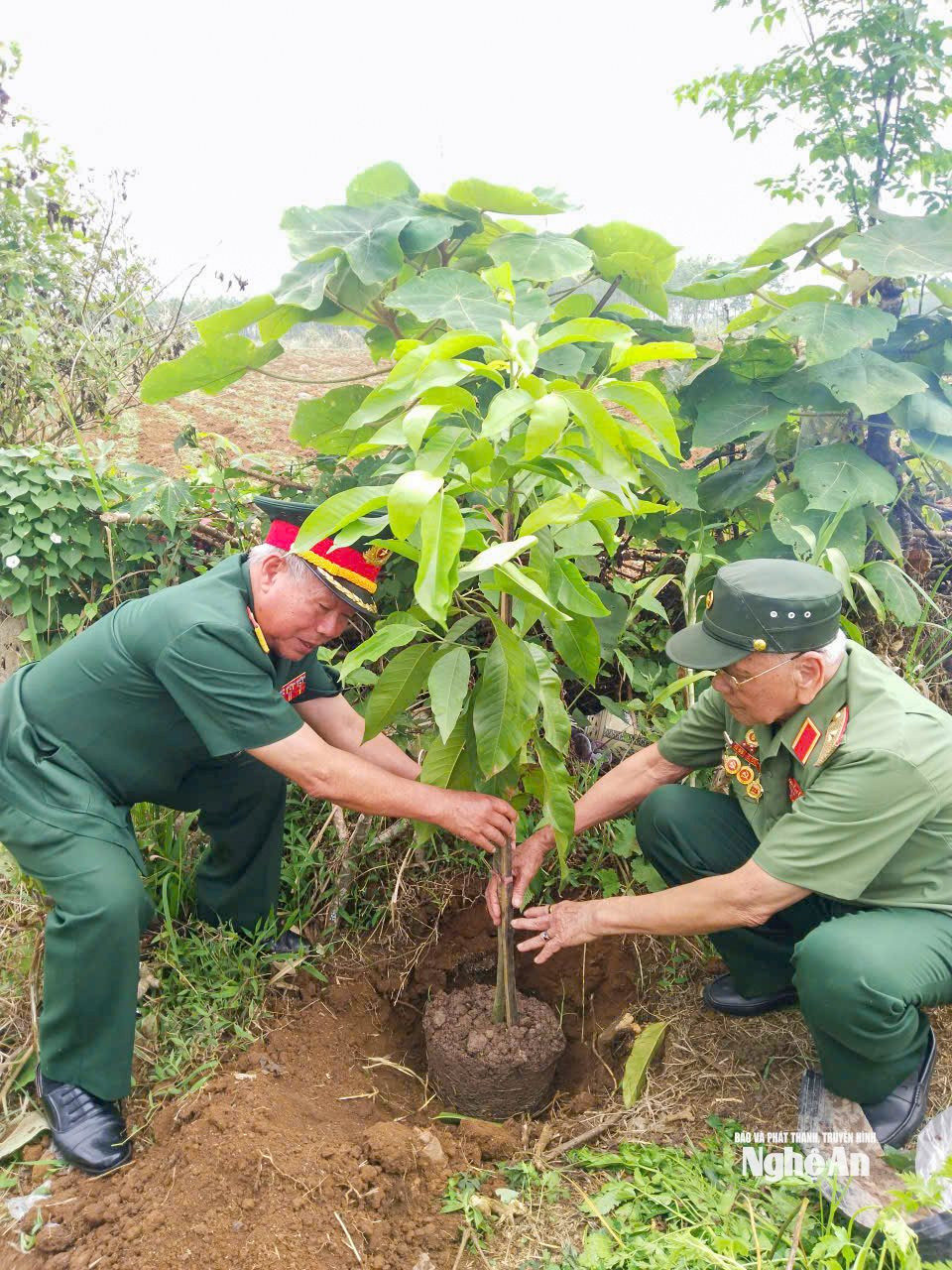
To date, I have collected, categorized, and provided information on approximately 2,300 fallen soldiers, of which more than 1,700 are from Nghe An province. From this data, families can know which cemetery their loved ones are likely buried in, which unit they belonged to, or where they died, thus providing a basis for continuing the search. Some cases were later identified or brought back to their hometowns, but not all have been repatriated.
To be more precise, I contributed to finding the names, hometowns, burial places, and connecting information between fallen soldiers and their families. The search, collection, DNA testing, and identification must be carried out by the relevant authorities.
In my opinion, "bringing comrades home" is not just about bringing remains back to their hometown. Some families want to bring their loved ones home for burial near their house; others wish for the fallen soldier to remain in the cemetery with his comrades. The important thing is to correctly identify the names and graves, inform the families where their loved ones are resting, and ensure that no one who sacrificed their life is forgotten.
Veteran Nguyen Tat Trien:My health has deteriorated, and I can no longer travel as much as before. However, I still maintain contact with my comrades in Quang Tri, Thua Thien Hue, and many other locations. When families need information, I can guide them on who to contact, where to go, and what documents to check.
This source of information is not for one-time use. In some cases, families may only seek it out years later, or old clues may only become valuable when DNA testing becomes available. Therefore, the documents must be preserved for the long term.
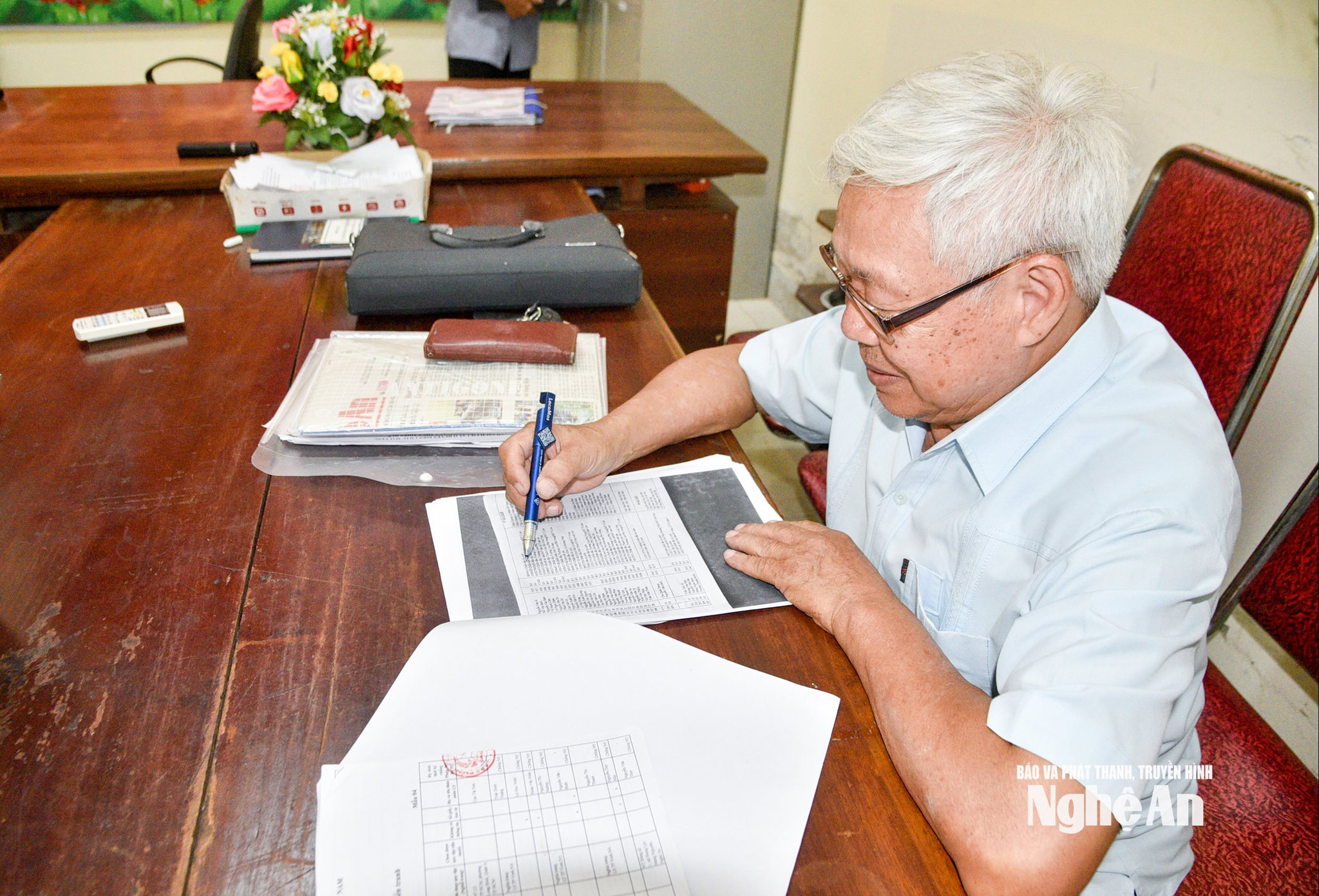
Currently, most of my documents are still stored manually. I believe it's necessary to gradually digitize them, cataloging them by name, birthplace, unit, time, and place of sacrifice. Once the data is transferred to computers and phones and fully backed up, searching will be faster and more accurate. Later, these documents should also be handed over to relevant authorities or an organization with the resources to continue utilizing them. These are not just my documents; they relate to many fallen soldiers and their families.
Through the Association of Soldiers of the Quang Tri Citadel in 1972, we have mobilized members to provide information related to more than 300 cases of fallen soldiers. Verification results still require time, but it is urgent to record the memories of those who directly fought before it is too late. Those who are still healthy can return to the battlefield; those who cannot still go can draw diagrams, record names, locations, and times, or recount their experiences to their children, grandchildren, or relevant authorities.
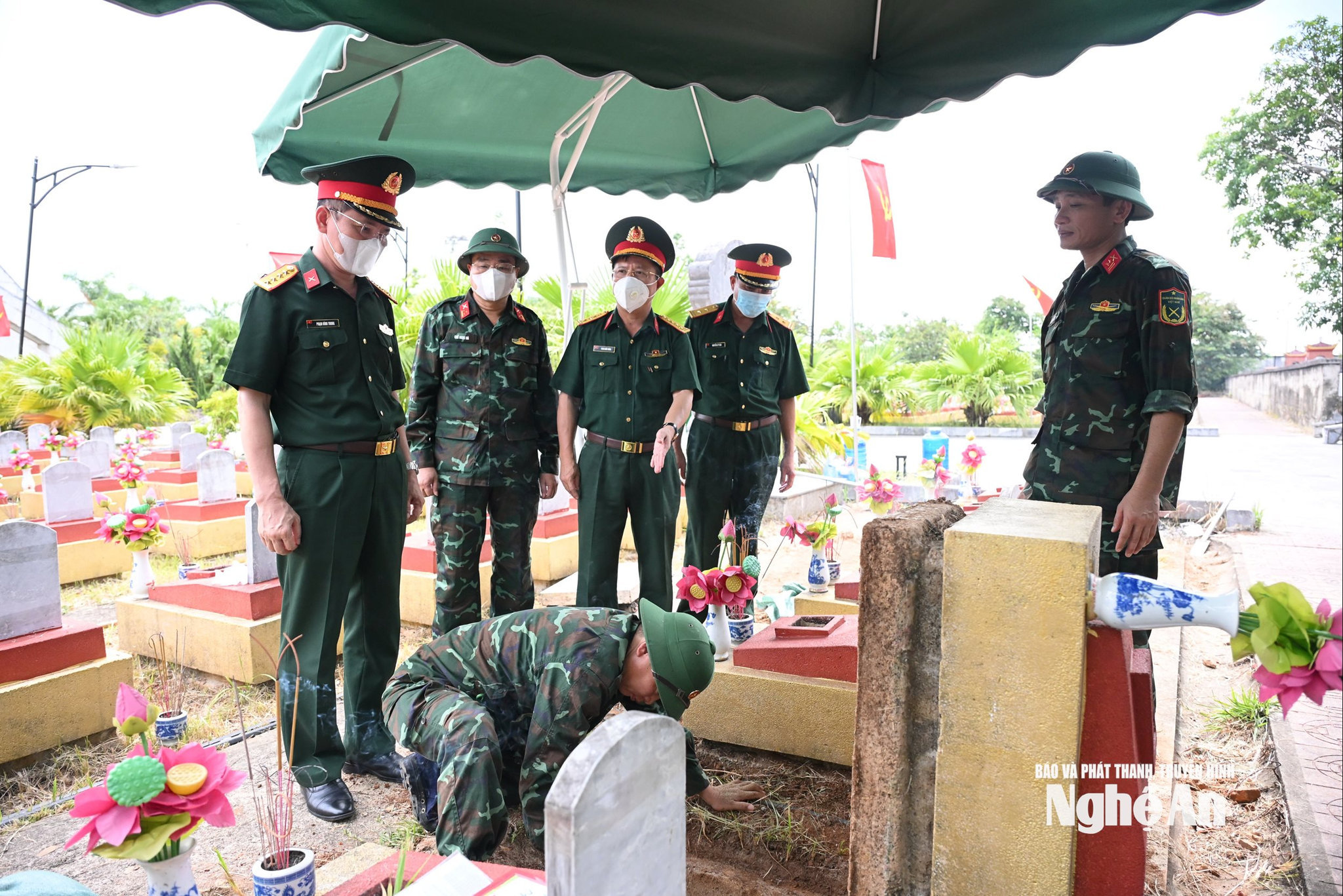
I hope that veterans, even if they only remember a small detail, will provide it. When combined with records, diagrams, and accounts from others, that detail could open up a new avenue of research.
For me, this journey cannot be completed in just a few trips. As long as there are families of fallen soldiers who need help, and as long as there is verifiable information, I will continue to do my best. We will all grow old, but if the memories and documents are passed on, the journey to find the names of our comrades can continue.


