
How is technology shaping the way we travel?
Technology is profoundly changing how people experience the world, from booking tickets and choosing destinations to sharing travel itineraries. "Travel 2.0" is not just a trend, but a digital revolution that is redefining the entire modern tourism industry.
Gone are the days of bulky travel guides, lengthy airline calls, and long queues at ticket counters. For the younger generation, planning a trip is now a simple matter of a swipe, a tap, or just a "Hey Siri" command.
Technology has made our journeys smarter than ever, from suitcases that can report lost items and maps that fit neatly on our wrists, to apps that manage flights in an instant.
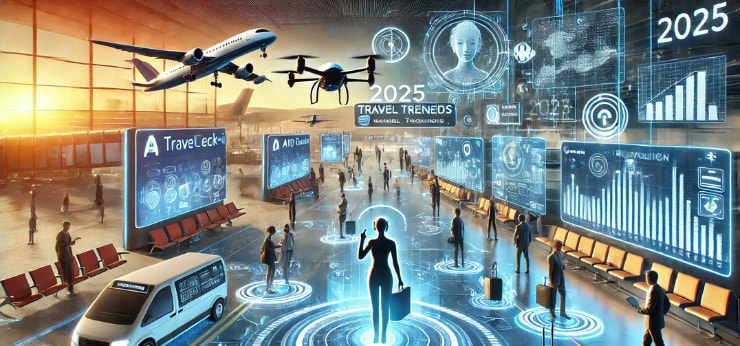
However, behind this convenience lies a dark side that few people notice. Digital travel opens new doors, but it also brings with it countless digital risks such as "unbelievably cheap" flights, tempting public Wi-Fi networks, and personal information being collected in an instant.
Before you even have a chance to snap a selfie with your boarding pass, remember that "Travel 2.0" is not just an evolution of the experience, but also a journey that demands users to be more alert than ever before.
What is Tourism 2.0?
"Tourism 2.0" describes a new phase of development for the tourism industry, driven by Web 2.0 technology and the explosion of artificial intelligence (AI), social platforms, and smart connected devices. In this era, travelers are no longer just people who book or consume services, but become creators of their own experiences, meaning every journey is personalized, optimized, and updated in real time.
Instead of a one-way booking process, travel today has become an interactive ecosystem where reviews, data, and digital technology blend together to deliver a smoother experience than ever before. However, this also brings growing challenges regarding privacy and cybersecurity in a fully connected travel world.
In short, "Travel 2.0" makes travel more flexible and heavily reliant on digital tools and user-generated content. Now, let's take a closer look at how technology is shaping the future of travel.
Despite its many advantages, tourists should always remain vigilant.
Do you think finding cheap flights is just luck? That's no longer true in the era of "Travel 2.0." Technology, from AI search engines to personalized booking platforms, is completely changing how we plan, book, and enjoy our trips.
Tools like Hopper and Skyscanner analyze billions of quotes daily to predict price trends and advise you on whether to "place an order now or wait." Hopper claims an accuracy rate of up to 95%, thanks to its algorithm which combines historical data, market volatility, and global events.
Beyond simply finding cheap flights, technology is redefining the travel experience. eSIMs allow travelers to connect as soon as they land, eliminating the need to queue for SIM cards at the airport. AI chatbots assist with booking accommodations, rescheduling canceled flights, or suggesting local restaurants at a glance. Meanwhile, virtual tours allow you to explore Tokyo or Paris from the comfort of your sofa.
However, not all innovations are welcome. Price volatility, once lauded as a tool for personalizing transactions, is gradually losing credibility due to a lack of transparency, leaving users feeling manipulated by prices.
Even more dangerous is the dark side of technology. Coupled with the fear of missing out (FOMO), many travelers fall prey to scams from fake booking websites or malicious emails. Cybercriminals are becoming increasingly sophisticated, even launching ransomware attacks on airline systems, causing large-scale service disruptions.
Clearly, every technological advancement has two sides: convenience and risk. Algorithms can take you to your dream destination with just a click, but they can also turn you into a "mobile target" if you are careless in protecting your personal data.
"Travel 2.0" ushers in an era of personalized and seamless adventures like never before. However, amidst the myriad of algorithmic conveniences, a touch of skepticism and caution remains essential for any trip.
One device reigns supreme: eSIM, smart suitcases, and more.
From mobile phones to suitcases, familiar travel items are becoming multi-functional tools in the era of "Travel 2.0". Technology is transforming once "inanimate" objects into smart assistants that accompany you on every trip.
Leading the trend is eSIM – a solution that helps global travelers skip the hassle of changing SIM cards at the airport. With just a few taps, you can activate a local data plan and connect instantly. The phone is now more than just a map, boarding pass, or translation device; it's the "digital passport" of the modern traveler.
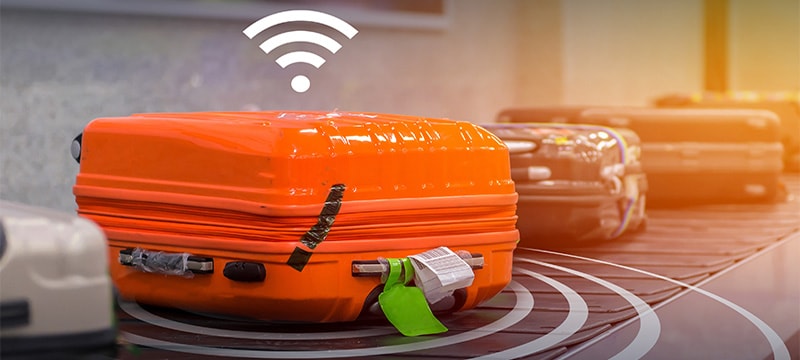
Not to be outdone, smart suitcases are expanding the concept of connectivity beyond just carrying bags. From GPS tracking, digital locks, and weight sensors to USB charging ports, luggage can now warn of overload, automatically send coordinates if lost, and even follow you. Long queues at airports searching for lost suitcases may soon become a thing of the past.
Meanwhile, smart wearables continue to play a central role. Watches can unlock hotel rooms, track sleep after long flights, and alert you when your body hasn't adjusted to a new time zone. At the airport, biometric technology allows you to board a plane by scanning your face, provided, of course, that the system is working properly.
However, the more conveniences there are, the greater the cybersecurity risks. Poorly secured Bluetooth, insecure international e-wallets, or unsafe travel apps can all pave the way for fraud and the theft of personal data. Convenience always comes with the responsibility of security, such as keeping devices updated, setting strong passwords, and being vigilant about data access permissions.
The promise and dangers of IoT-connected hotels.
From digital room keys to smart air conditioners, the Internet of Things (IoT) is redefining the hotel experience. Modern hotels are building entire ecosystems of connected devices and sensors, where lights, TVs, minibars, and AI assistants all work together to anticipate and serve guest needs in real time.
Beyond enhancing convenience, IoT technology also helps hotels operate more efficiently through features such as energy monitoring, predictive maintenance, cost optimization, and sustainable development. Every piece of user data, from preferred room temperature to entertainment history, contributes to an unprecedented personalized experience.
However, the downsides of connectivity are also becoming increasingly apparent. IoT devices often have default passwords, outdated software, or poorly secured segmented networks, all of which become gateways for cybercriminals to infiltrate systems, steal data, or disrupt hotel operations. Statistics show that the number of attacks targeting smart devices in the hotel sector increased by over 100% in the first half of 2024 alone.
The big question is whether convenience is worth sacrificing privacy? When smart TVs and speakers can listen, record your habits, and even your conversations, personal privacy becomes more important than ever.
The solution lies in proactive security, from encrypting communications and regular software updates to strict access control management. And for travelers, just a few simple actions can help reduce risk, such as logging out of streaming apps, avoiding public Wi-Fi for sensitive transactions, and remaining vigilant about "smart" devices around them.
Social media and technology: Shaping and challenging the travel journey.
From inspiration to experience, social media has completely transformed the way we travel. "Check-in" photos and user reviews make travel planning more vibrant, interactive, and personalized than ever before. With just a few taps, travelers can discover lesser-known destinations, compare hotels, or get advice from locals, all in real time.
However, this connection also brings new dangers. Every public post or location tag can inadvertently reveal your schedule, allowing cybercriminals to track you down or know when your home is empty. The more you share, the more digital footprint you leave, something hackers love.
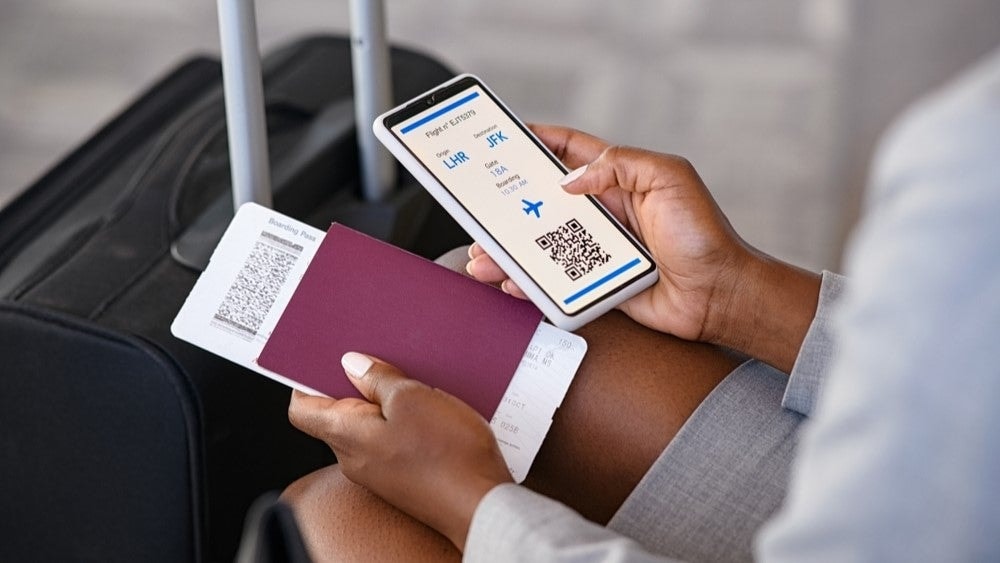
Along with that, smart devices, from GPS-equipped suitcases to Bluetooth locks, offer convenience but also open the door to security risks. Weak connections can lead to data leaks, unauthorized tracking, or loss of control over personal information. Even familiar services like ticket booking apps, e-boarding passes, or cloud storage can become targets of attack if not properly secured.
Technology makes travel easier and more connected, but it also demands a higher level of safety awareness. Share memories, not entire journeys, because in the digital age, the line between "experience" and "risk" is thinner than you think.
Over-reliance on technology and its downsides.
Imagine landing, your phone guiding you to the hotel, unlocking your room, and ordering dinner—all within minutes. Traveling has never been so convenient, as long as everything is working.
But just one small incident, like a dead phone battery, a malfunctioning app, or a network outage, can bring the entire trip to a halt. No paper maps, no handwritten phone numbers, and sometimes, you might not even remember the hotel address. This absolute reliance on technology leaves travelers vulnerable precisely when they need it most.
More dangerously, cyberattacks can steal access to e-wallets, identification documents, or bank accounts with just a click. The "set it and forget it" mentality, from automatically saved passwords to lax privacy settings, is turning users into easy targets.
Technology should be a companion, not an autopilot. Smart travelers need to learn how to prepare by printing tickets in advance, noting important addresses, always fully charging their devices, and regularly checking app permissions. In an age where every journey is tied to a single device, sometimes it is precisely that "Plan B"That's the safest ticket."
Best practices for safety while traveling.
No matter how modern your lifestyle becomes, digital risks are always lurking. Here are some basic measures to help protect your devices and data at every stage:
1. Preparation before departure:Update your security settings, use strong passwords, enable multi-factor authentication, and back up important documents to a password manager.
2. Be cautious with public Wi-Fi:Use a VPN, turn off automatic Wi-Fi and Bluetooth connections, and avoid accessing bank accounts or work-related information on public networks.
3. Use smart devices safely:Download apps from official sources, restrict unnecessary access permissions, and delete unused apps after your trip.
4. Protecting biometric data:Only use facial recognition or fingerprint scanning with reputable organizations; prioritize on-device data storage systems over cloud storage.
5. Be cautious when sharing on social media:Share photos or trip updates after you've left the location, avoiding direct location tagging.
6. Always have a backup plan:Activate remote device tracking or removal, save emergency contact numbers, and take immediate action if you detect unusual activity on your account.
Security doesn't complicate your trip; it helps you enjoy your journey to the fullest without interruption.
Next stop: Privacy by design and the future of travel technology.
As AI, robotics, and biometrics increasingly penetrate the travel industry, "Privacy by Design" is becoming a mandatory standard. This is an approach where the protection of personal data is integrated from the system development stage, limiting information collection, encrypting data, and giving users real control.
In the era of "Travel 2.0," travelers not only need smart technology but also require privacy-focused services. Future travel platforms need to prioritize transparency, minimize data usage, and automatically detect risks to ensure safety without sacrificing convenience.
Balancing innovation and caution is key. Updating your equipment, using a virtual private network (VPN), managing access permissions, and maintaining vigilance in the digital environment will help you enjoy your journey to the fullest. In the world of digital travel, a little skepticism is sometimes the most valuable asset.


