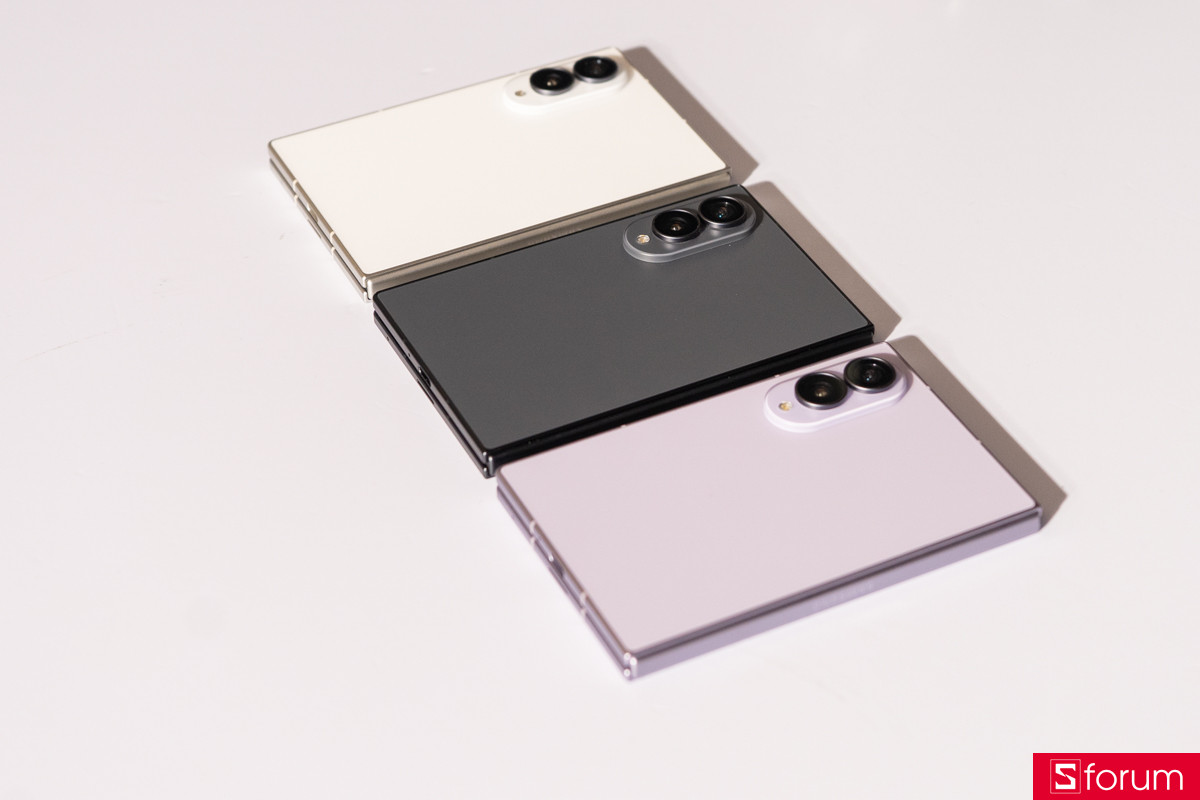
Silicon carbon battery technology in the Galaxy Z Fold8 Series: A breakthrough in energy density.
Samsung has officially implemented silicon-carbon batteries in the Galaxy Z Fold8, Fold8 Ultra, and Z Flip8, significantly increasing battery capacity and optimizing the slim design.
Samsung has officially equipped its trio of high-end foldable devices—the Galaxy Z Fold8, Galaxy Z Fold8 Ultra, and Galaxy Z Flip8—with next-generation silicon carbon battery technology. This advancement directly addresses a long-standing challenge in foldable phones: balancing battery capacity, battery life, and slim, lightweight design.
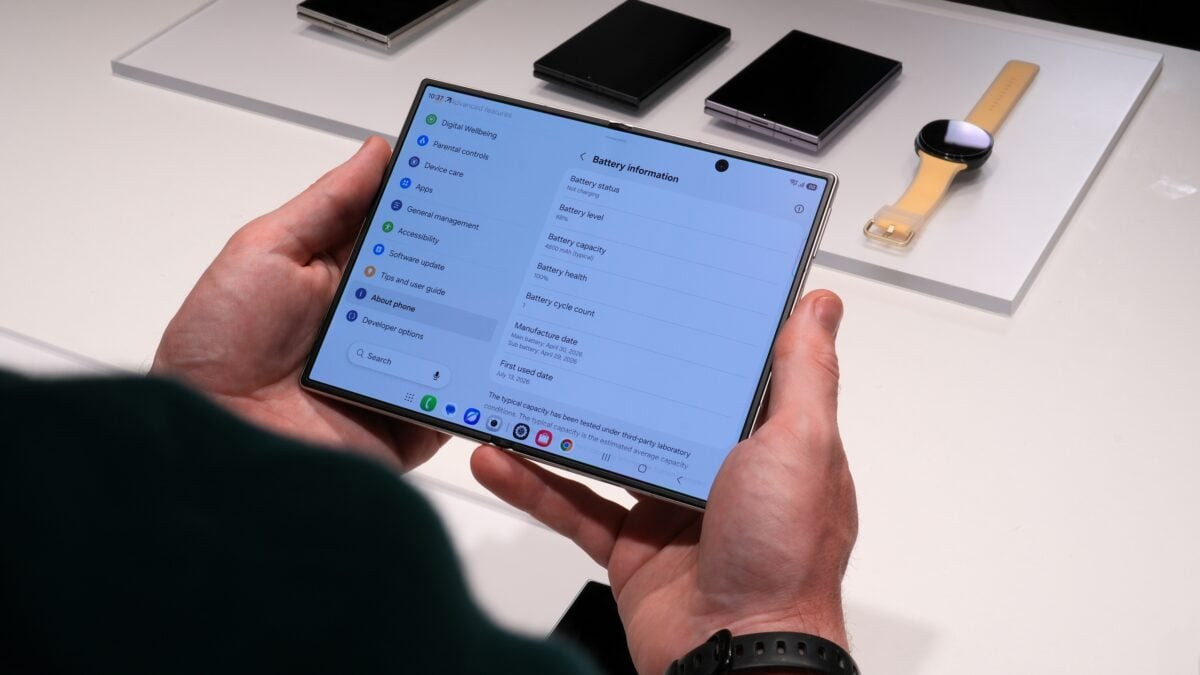
Silicon-carbon battery principle: Optimizing energy density in a confined space.
In contrast to traditional lithium-ion battery core structures that use a completely graphite anode, silicon-carbon battery technology incorporates silicon into the cathode. Thanks to its ability to store lithium ions many times higher than graphite, silicon-carbon alloy significantly increases energy density per unit volume.
Furthermore, increasing the silicon content allows the battery to store more energy without increasing its physical size. This is a key factor that helps manufacturers optimize the internal space of the device, enabling them to reduce thickness or add more battery capacity without increasing the device's weight.

Optimizing real-world performance across the new generation Galaxy Z product line.
The implementation of the new battery structure brings significant improvements to each product version based on its specific design goals:
For its range of large-sized foldable products, Samsung prioritizes increasing battery capacity to meet the demands of high-level multitasking. The Galaxy Z Fold8 Ultra version is equipped with a 5,000 mAh battery. Meanwhile, the standard Galaxy Z Fold8 boasts a 4,800 mAh battery, a significant increase compared to the 4,400 mAh of its predecessor, the Galaxy Z Fold7.
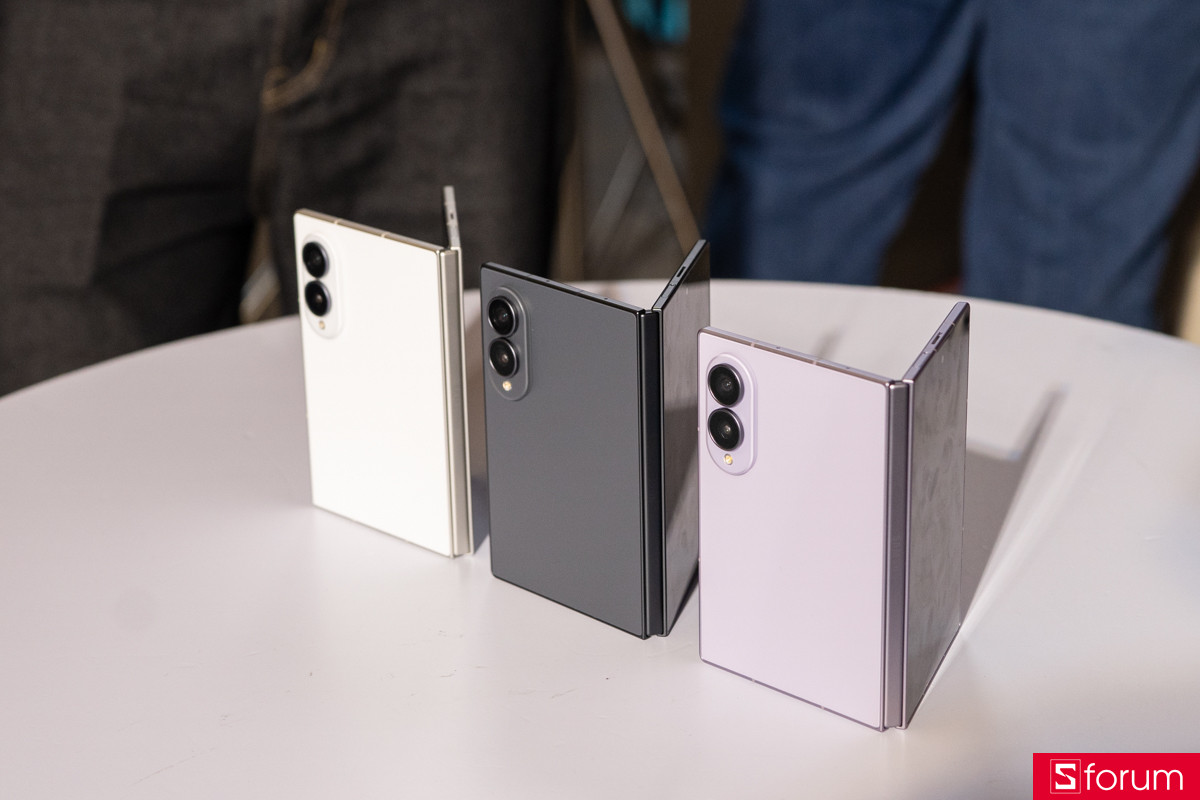
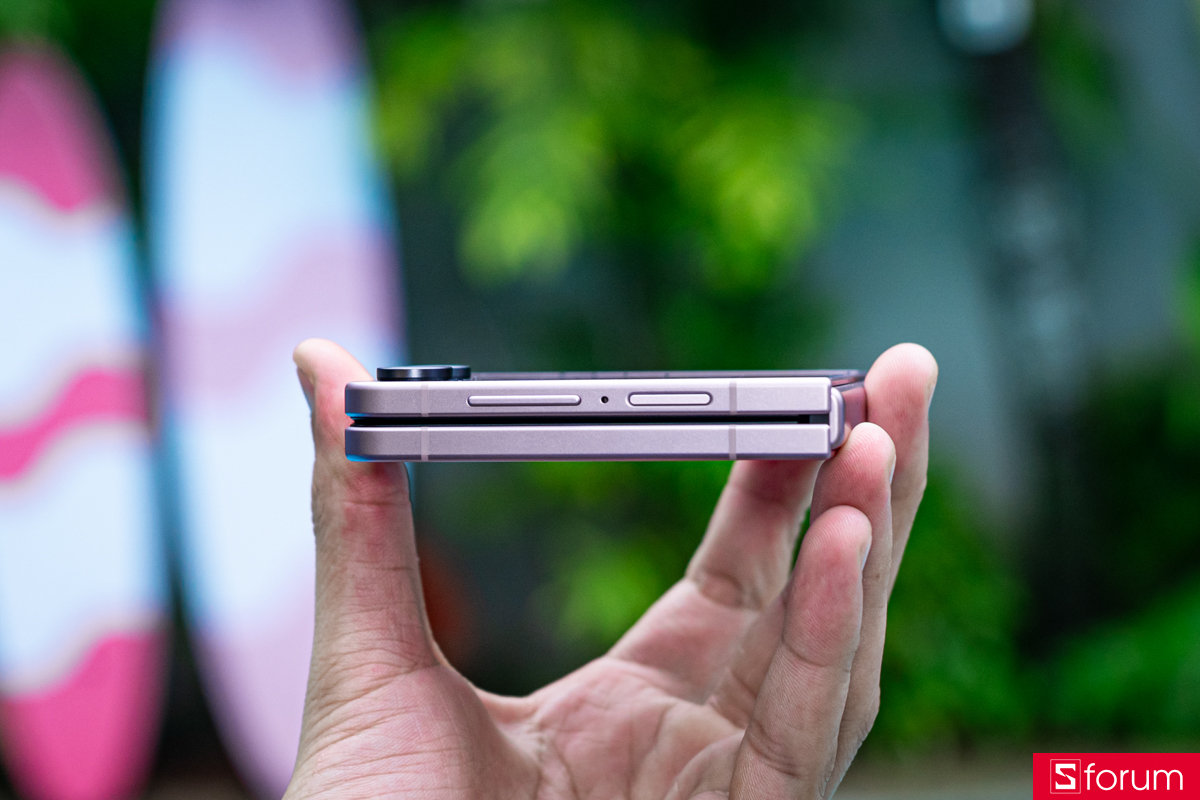
In contrast, with the Galaxy Z Flip8 clamshell phone, the application of silicon carbon technology focuses on the criteria of being thin and lightweight. While maintaining the same 4,300 mAh battery capacity, the reduced physical size of the battery helps to decrease the overall thickness of the folded phone from 13.7 mm to 13.1 mm.
Comparison table of specifications for the new Galaxy Z series.
| Parameter | Galaxy Z Flip8 | Galaxy Z Fold8 | Galaxy Z Fold8 Ultra |
|---|---|---|---|
| Home screen | Dynamic AMOLED 2X 6.9 inches, 120Hz | Dynamic AMOLED 2X 7.6 inches, 120Hz | Dynamic AMOLED 2X 8.0 inches, 120Hz |
| Microprocessors | Exynos 2600 (3nm) | Snapdragon 8 Elite Gen 5 for Galaxy | Snapdragon 8 Elite Gen 5 for Galaxy (3nm) |
| Battery capacity | 4,300 mAh | 4,800 mAh | 5,000 mAh |
| Battery technology | Silicon Carbon | Silicon Carbon | Silicon Carbon |
| Fast charging | Wireless charging/Standard cable | 45W wireless charging | 45W wireless charging |
| Weight / Thickness | Folded thickness: 13.1 mm | 201 g | Premium Armor Aluminum frame |
The driving force behind standardizing battery technology across the entire ecosystem.
More than just a typical hardware upgrade, the successful application of silicon-carbon batteries in flagship foldable phones marks a significant milestone in the development of mobile components. The optimization of component space and energy storage efficiency will provide the technical basis for this technology to gradually expand to other device segments such as the Galaxy S, Galaxy A, and Galaxy M series in the future.