
US military technology in Operation Caracas: Combining electronic warfare and stealth special forces.
The operation in Caracas on January 3rd demonstrated the combined strength of F-35 fighter jets, EA-18G aircraft, and special forces in neutralizing air defense systems.
The special operation launched by the US military in Caracas on the morning of January 3rd is considered by military analysts to be a prime example of modern warfare doctrine. The success of the operation was based on close coordination between electronic warfare, stealth air forces, and special operations units, aimed at overcoming the dense air defense network in South America.
Disabling air defense systems using electronic warfare.
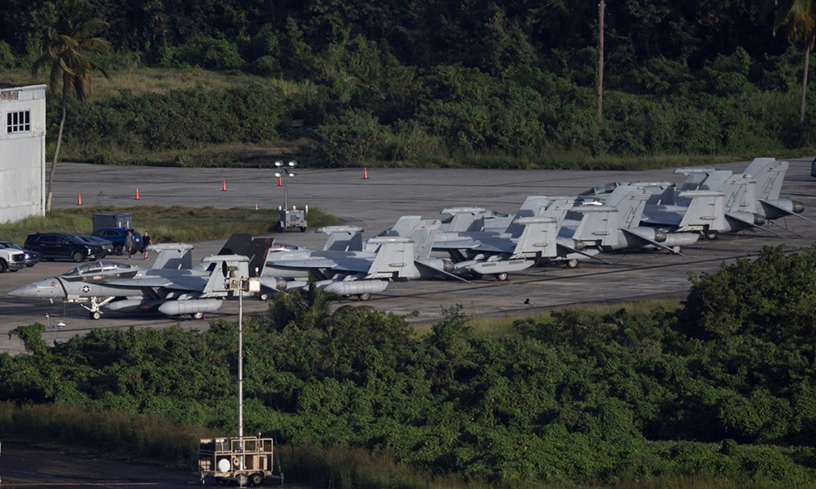
Prior to direct military operations, the US military deployed an electromagnetic warfare phase aimed at neutralizing the Russian-made S-300VM Antey-2500 and Buk-M2E systems. The focus of this phase was the EA-18G Growler electronic warfare aircraft.
The ALQ-99 system on the Growler is capable of emitting high-intensity electromagnetic signals, jamming surveillance and fire control radars. This disrupts the enemy's ability to detect and lock onto targets, creating a safe corridor for infiltrating forces.
Precision strike using F-35A stealth fighters.
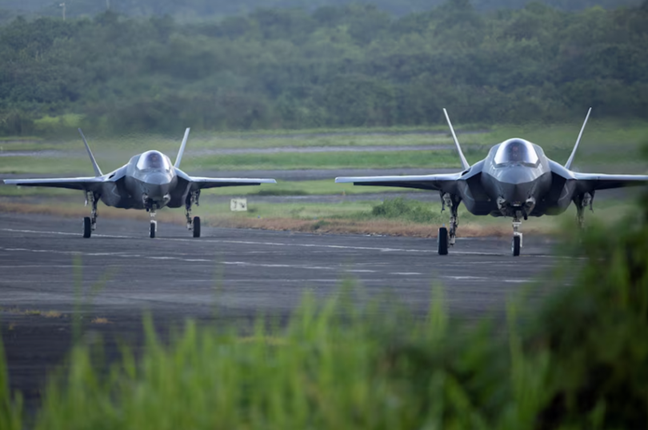
Supporting the jamming operation were the fifth-generation F-35A Lightning II stealth fighters. Thanks to their stealth capabilities against X-band radar, the F-35A squadron penetrated the airspace undetected.
Instead of large-scale attacks, the F-35A uses GBU-53/B StormBreaker guided bombs to destroy command posts and critical infrastructure. The use of smaller bombs aims to limit damage to civilian areas around the targets.
The role of Task Force 160
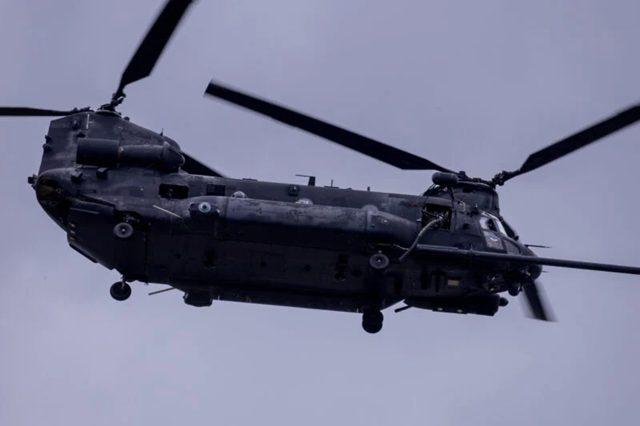
The success or failure of the ground assault phase depends on the ability to get Delta Force forces to the target. This responsibility falls to the 160th Special Operations Air Regiment (160th SOAR), also known as the "Night Hunters".
During the campaign, the MH-47G Chinook heavy helicopter variant was deployed. Equipped with a multi-mode terrain-following radar, the MH-47G can fly at extremely low altitudes, weaving through buildings in the dark of night. Its radar-absorbing paint and heat-reducing exhaust system help it remain hidden from man-portable air defense systems (MANPADS).
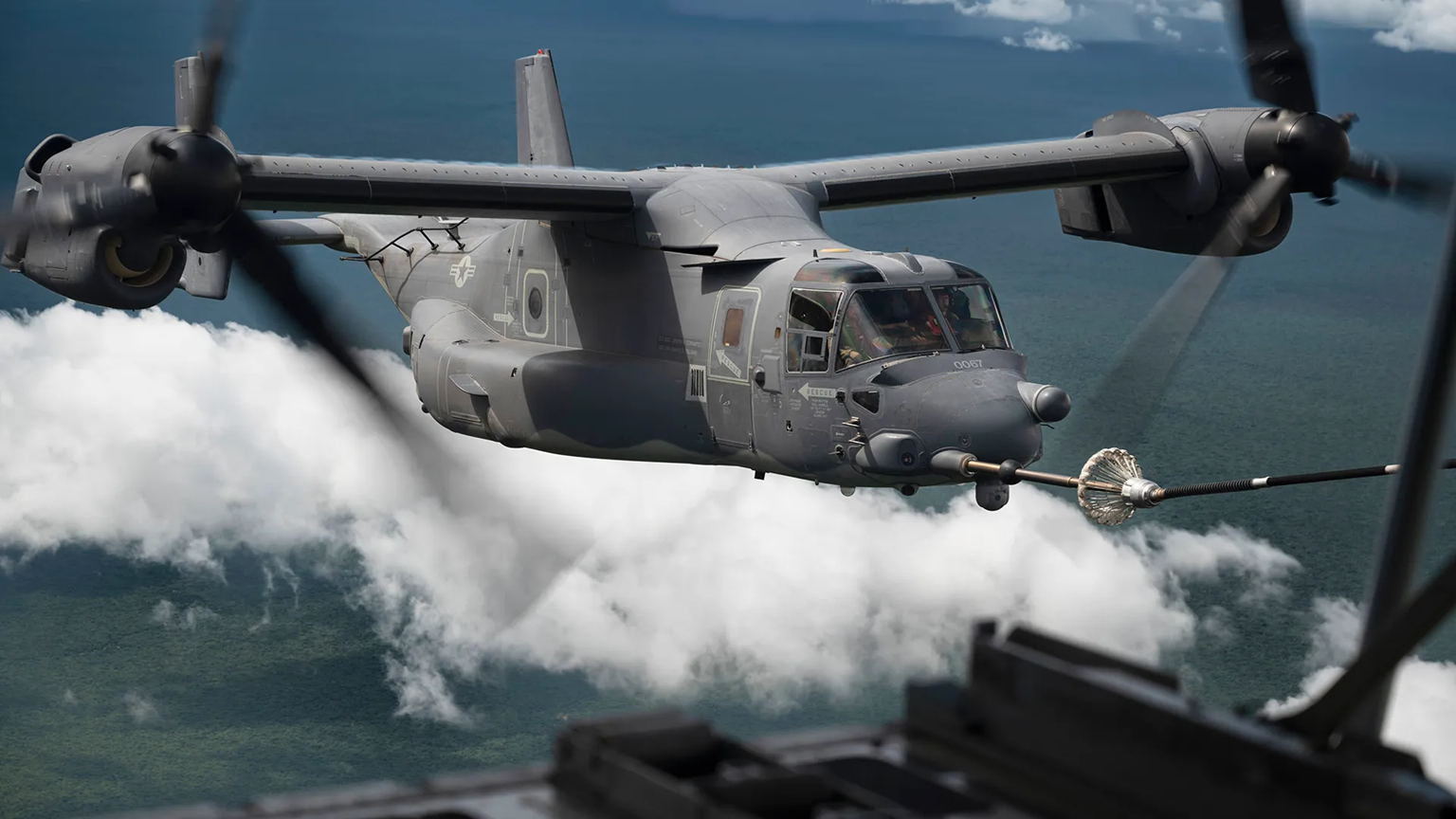
In addition, the CV-22B Osprey hybrid helicopter played a crucial role in troop withdrawal. With a cruising speed of up to 500 km/h, the Osprey allowed special forces to leave the dangerous area quickly, minimizing the risk of being pursued.
MQ-9 Reaper high-altitude surveillance and kinetic weapon.
Over Caracas, MQ-9 Reaper unmanned aerial vehicles (UAVs) are performing reconnaissance and fire support roles. The MQ-9 is equipped with the MTS-B electro-optical sensor system, providing real-time imagery to the command center.
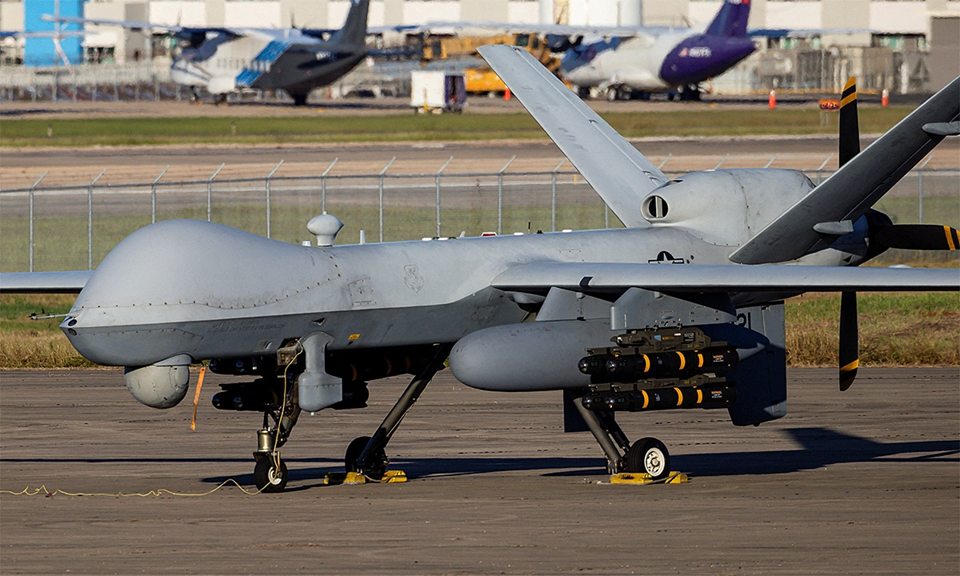
Notably, field reports indicate the presence of the AGM-114R9X missile variant. This is a non-explosive weapon that destroys targets using metal blades to minimize collateral damage to nearby civilian infrastructure.
Strategic support from the U.S. Navy
Although the operation took place on land, the USS Gerald R. Ford (CVN-78) carrier strike group provided crucial support from the Caribbean Sea. This is the world's most modern aircraft carrier, utilizing the EMALS electromagnetic catapult system to increase the sortie frequency of F/A-18E/F Super Hornet fighter jets.

In addition to aircraft carriers, Arleigh Burke-class destroyers equipped with Tomahawk Block V missiles are also ready to strike strategic targets deep inland. This presence also serves as a deterrent, preventing external forces from interfering in the operation.


