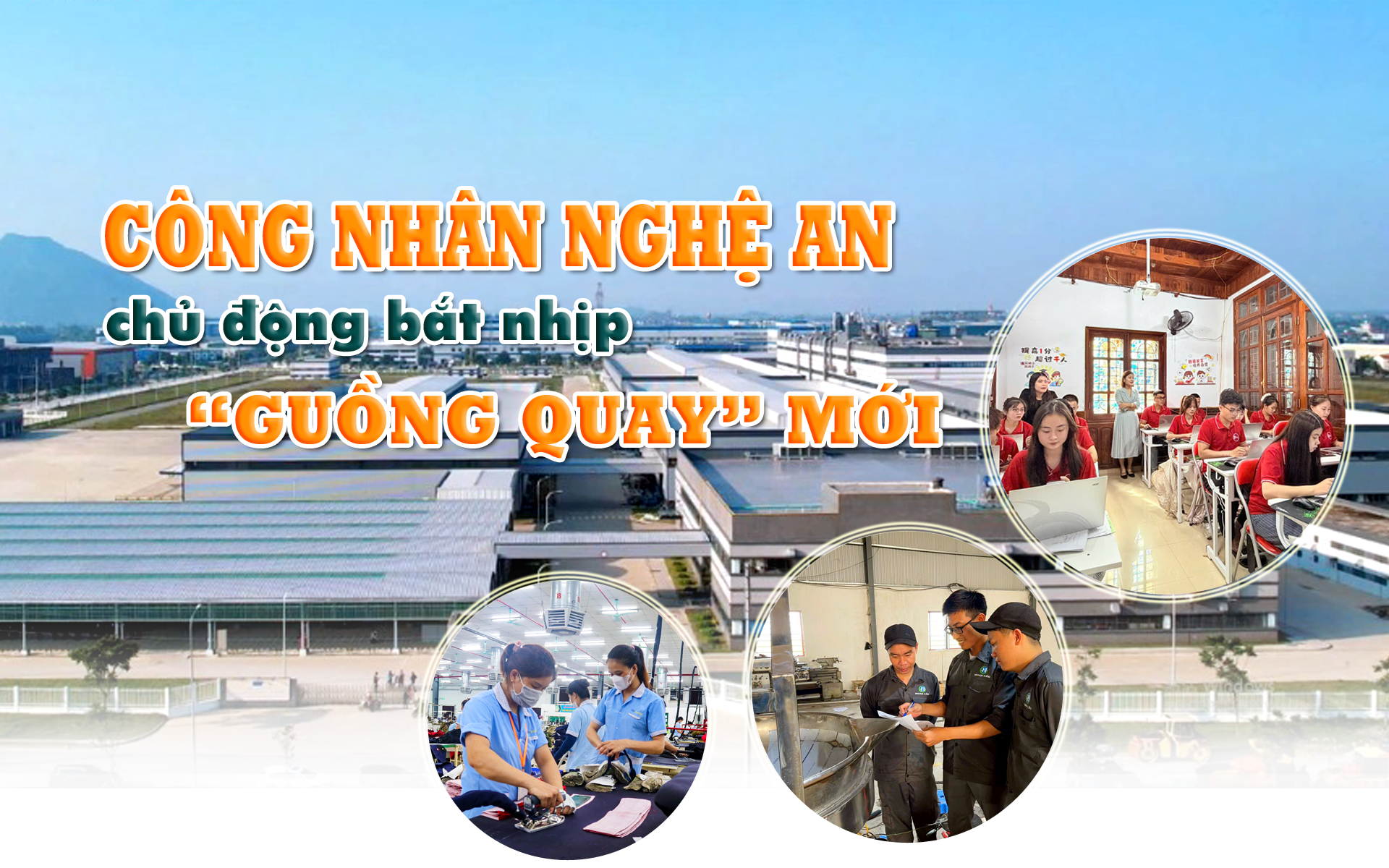
Workers in Nghe An proactively adapt to the new "rhythm".
Amidst the wave of industrialization, modernization, and the surge in FDI, the workforce is facing unprecedented opportunities. However, this also comes with the pressure to constantly innovate, from skills and work ethics to foreign language proficiency and technological adaptability. Therefore, only by proactively learning and daring to change can workers seize opportunities and thrive in this new context.
Thanh Phuc/Present: Hong ToaiApril 30, 2026
*****
Amidst the wave of industrialization, modernization, and the surge in FDI, the workforce is facing unprecedented opportunities. However, this also comes with the pressure to constantly innovate, from skills and work ethics to foreign language proficiency and technological adaptability. Therefore, only by proactively learning and daring to change can workers seize opportunities and thrive in this new context.

The story of Cao Van Phan (born in 1994) is a vivid testament to the spirit of continuous learning and adaptability of Nghe An workers today. After graduating from Vinh University of Technology and Education, at the end of 2019, Phan started working at Hoan Cau Invention Company Limited (Quynh Van commune) as an electrical cabinet installer. His income at that time was about 8-9 million VND per month, and opportunities for advancement were scarce as the factory already had many skilled workers who had been there for a long time.
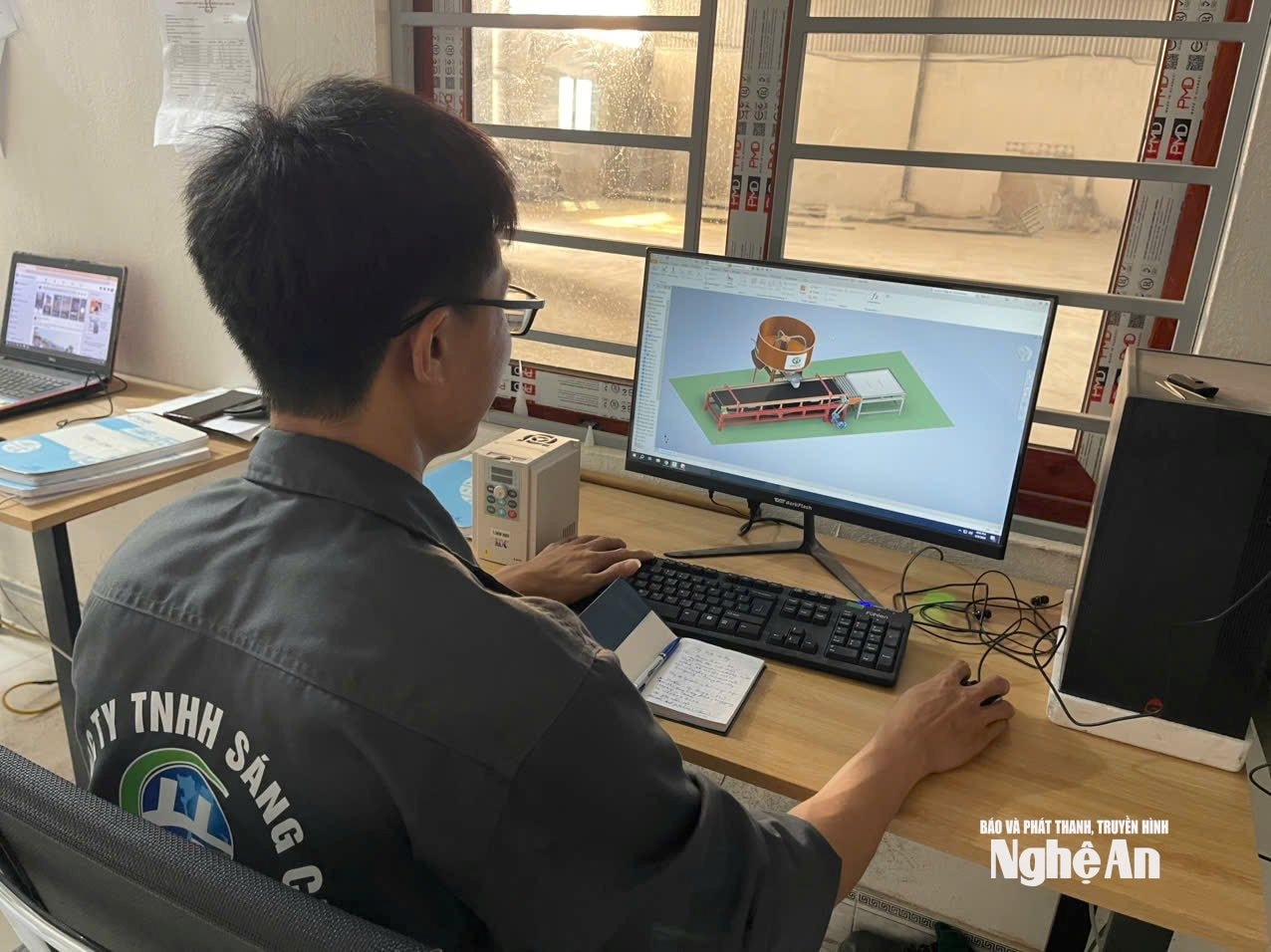
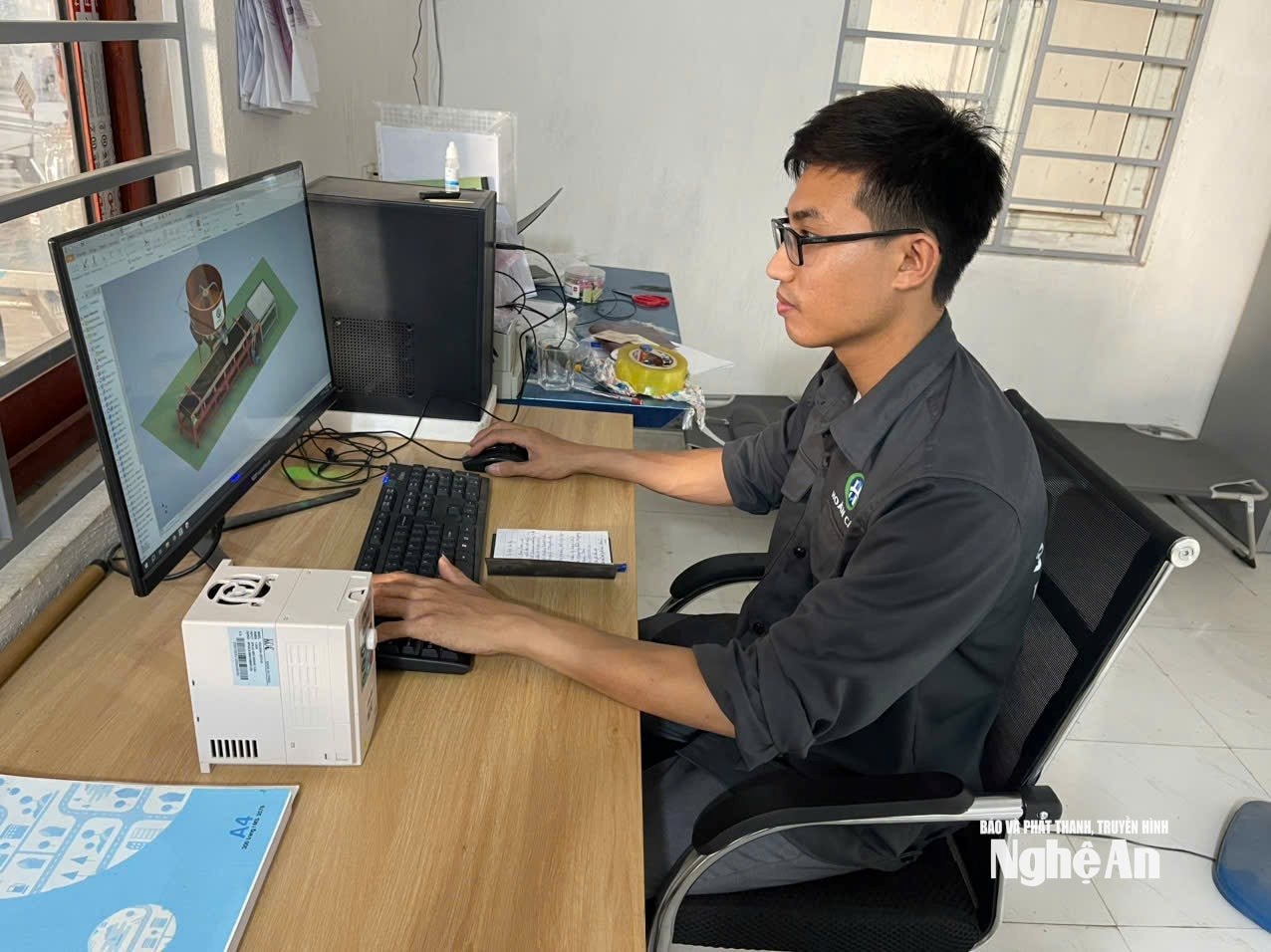
The turning point came when the company shifted its production focus, investing in modern equipment such as CNC milling machines, CNC lathes, and CNC plasma cutting machines. These new production lines demanded higher skill levels, automation thinking, and the ability to master the technology. Recognizing this as both a challenge and an opportunity, Mr. Phan chose to enter this "difficult area." After only a few months of work, the company provided him with the opportunity to participate in a series of training courses: pneumatic control, PLC programming, HMI, and frequency converters; practicing 5S and Kaizen management according to Japanese standards… These classes lasted 2-3 weeks, sometimes in-person, sometimes online, held in the evenings after work. "The gap between theory and practice was huge. The pressure to keep up with the program forced me to work much harder: working during the day, studying extra at night, and independently practicing on my personal laptop," Mr. Phan recalled.
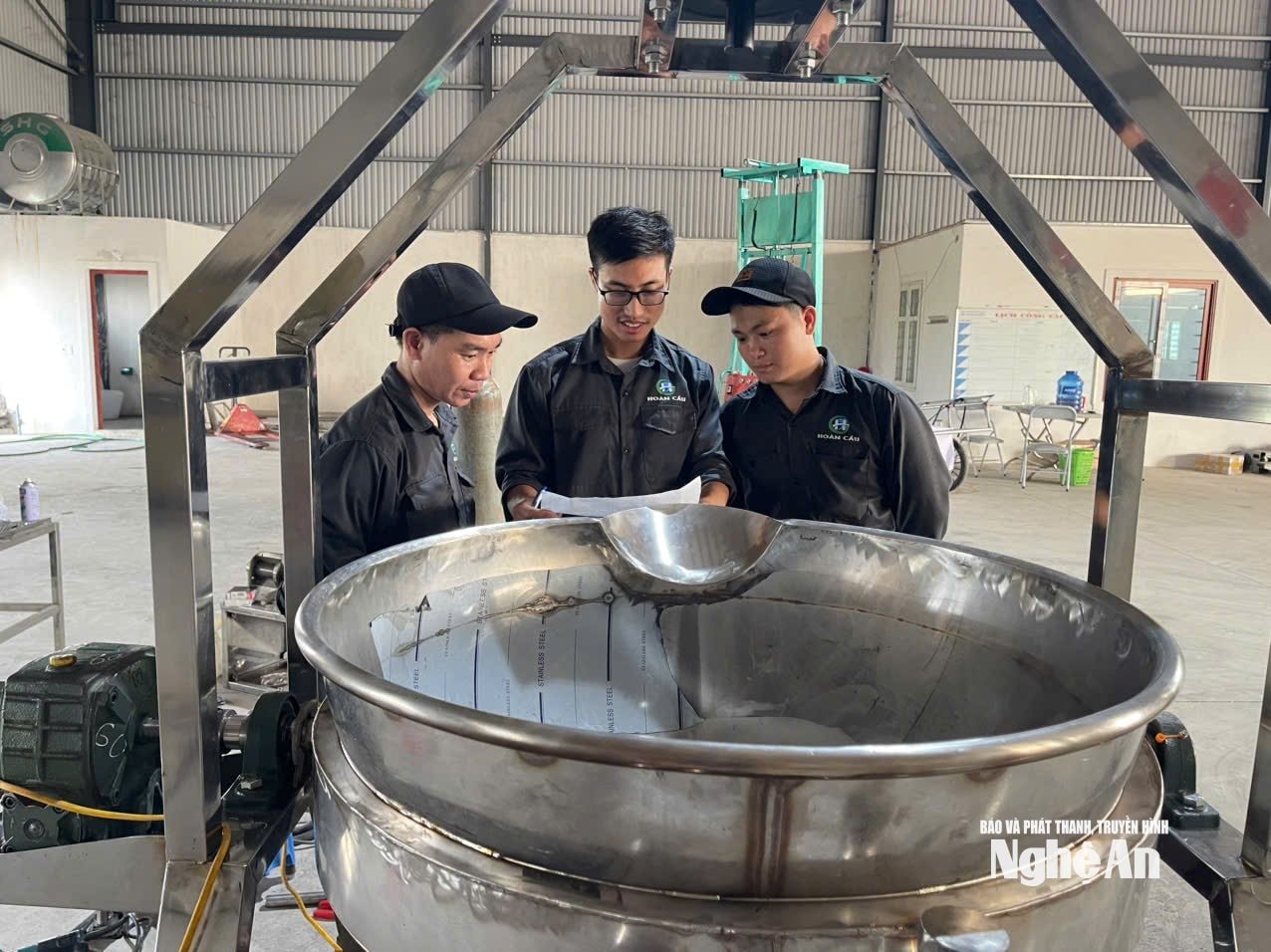
Not content with just his technical expertise, Phan also enrolled in English classes to read technical documents. Step by step, he mastered the automated control systems for the company's production lines. Staying at the factory until 9 PM to test machines and fix program errors became commonplace. The challenges he faced in production, from the pressure to the lessons learned after each incident, became crucial material for his rapid growth. When the position of mechanical design engineer became vacant, the company's leadership entrusted him with the role. From someone who had never studied mechanical engineering in depth, he embarked on a new journey: learning 3D modeling with Autodesk Inventor, reviewing AutoCAD 2D, and conducting his own research to transform ideas into products.
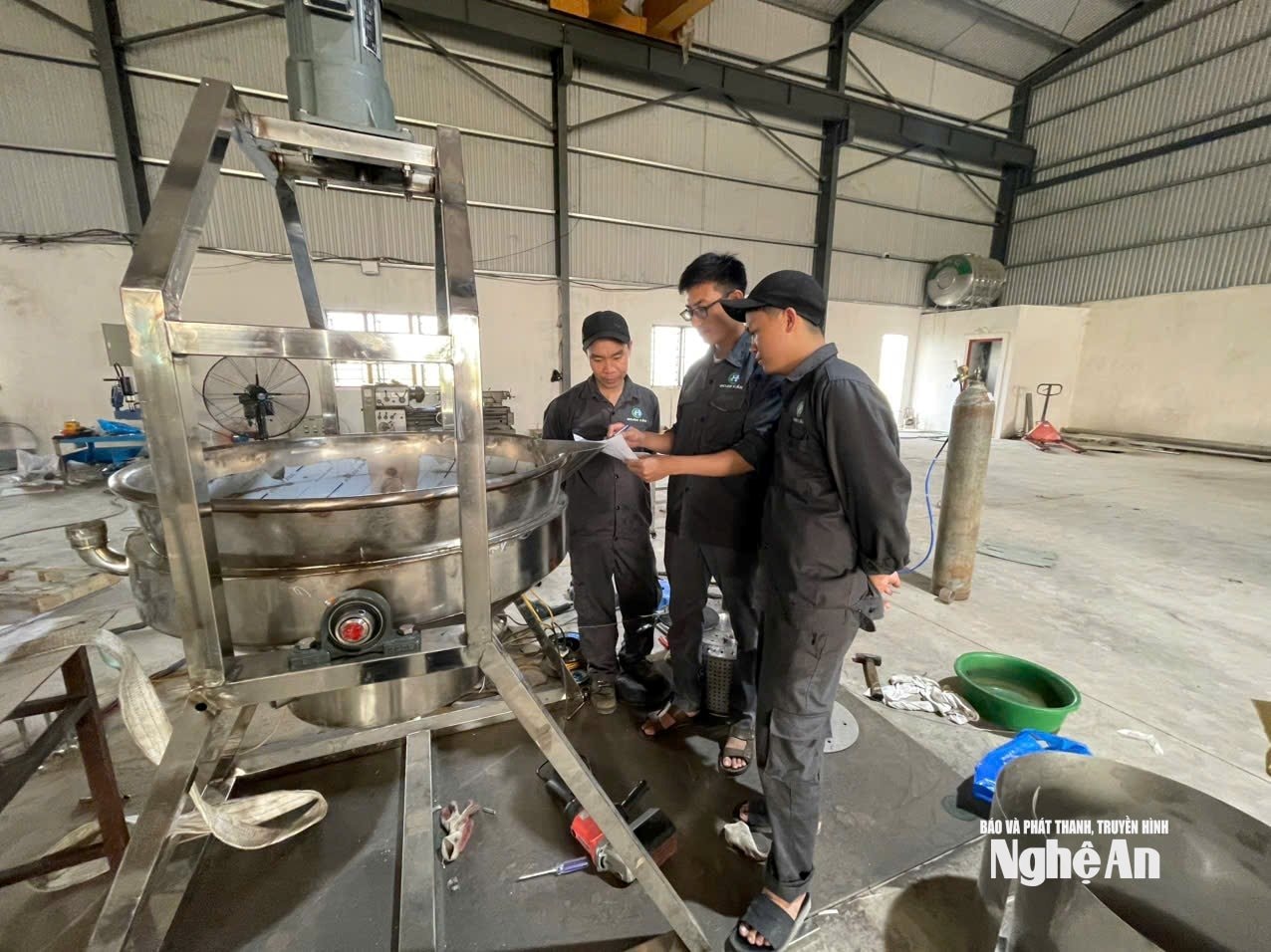
Phan's daring and innovative spirit has led to many improvements: switching the control system of the rebar bending machine from a circuit board to a relay to reduce costs and facilitate repairs; improving the structure of the non-fired brick press to increase productivity; and optimizing the hydraulic and pneumatic systems to shorten the operating cycle. From a worker, he gradually became the head of technology, managing the technical department, and then was entrusted with managing large projects. After 6 years, Phan was appointed Deputy Director of Hoan Cau Invention Company Limited. "Opportunities are always there, the important thing is whether you are ready to seize them," Phan shared. According to him, in the context of modern production, learning and improving skills is the only way for workers to increase their self-worth and income.

The rapid development of factories, companies, and industrial zones is creating an unprecedented surge in labor demand. Beyond simply increasing numbers, FDI enterprises are setting new standards: workers must be skilled, proficient in foreign languages, able to adapt to modern production environments, and capable of working alongside foreign experts.
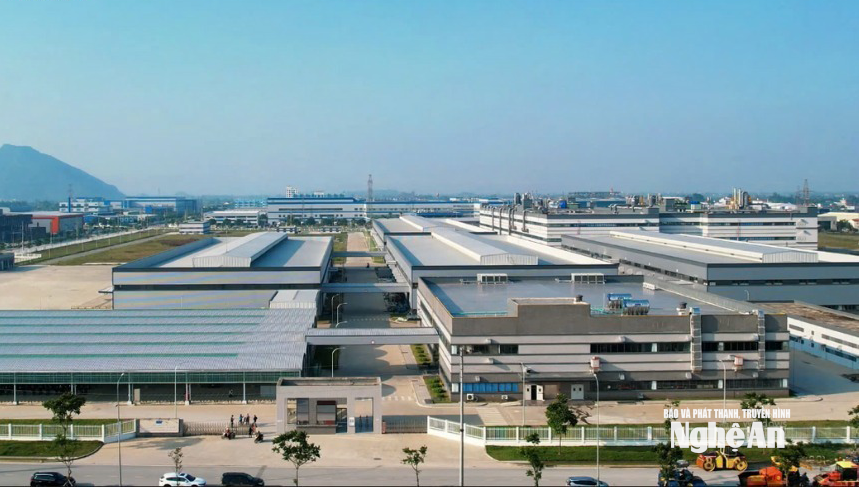
According to the Management Board of the Southeast Nghe An Economic Zone, in 2026, businesses in the economic zone and industrial parks in the area will need to recruit nearly 90,000 workers, of which the demand from FDI enterprises accounts for more than 70%, concentrated in the electronic component manufacturing, garment, mechanical, and energy sectors.
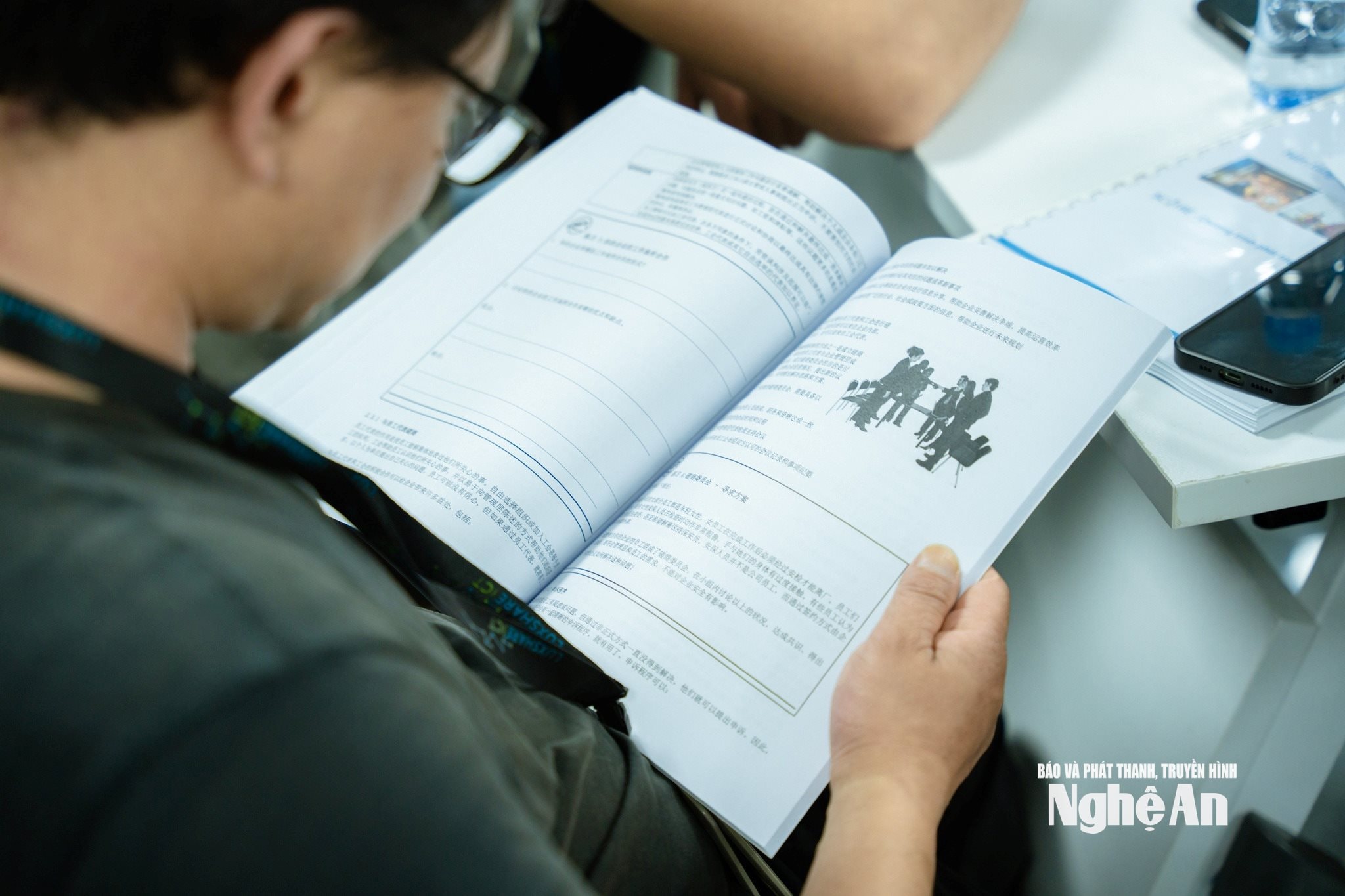
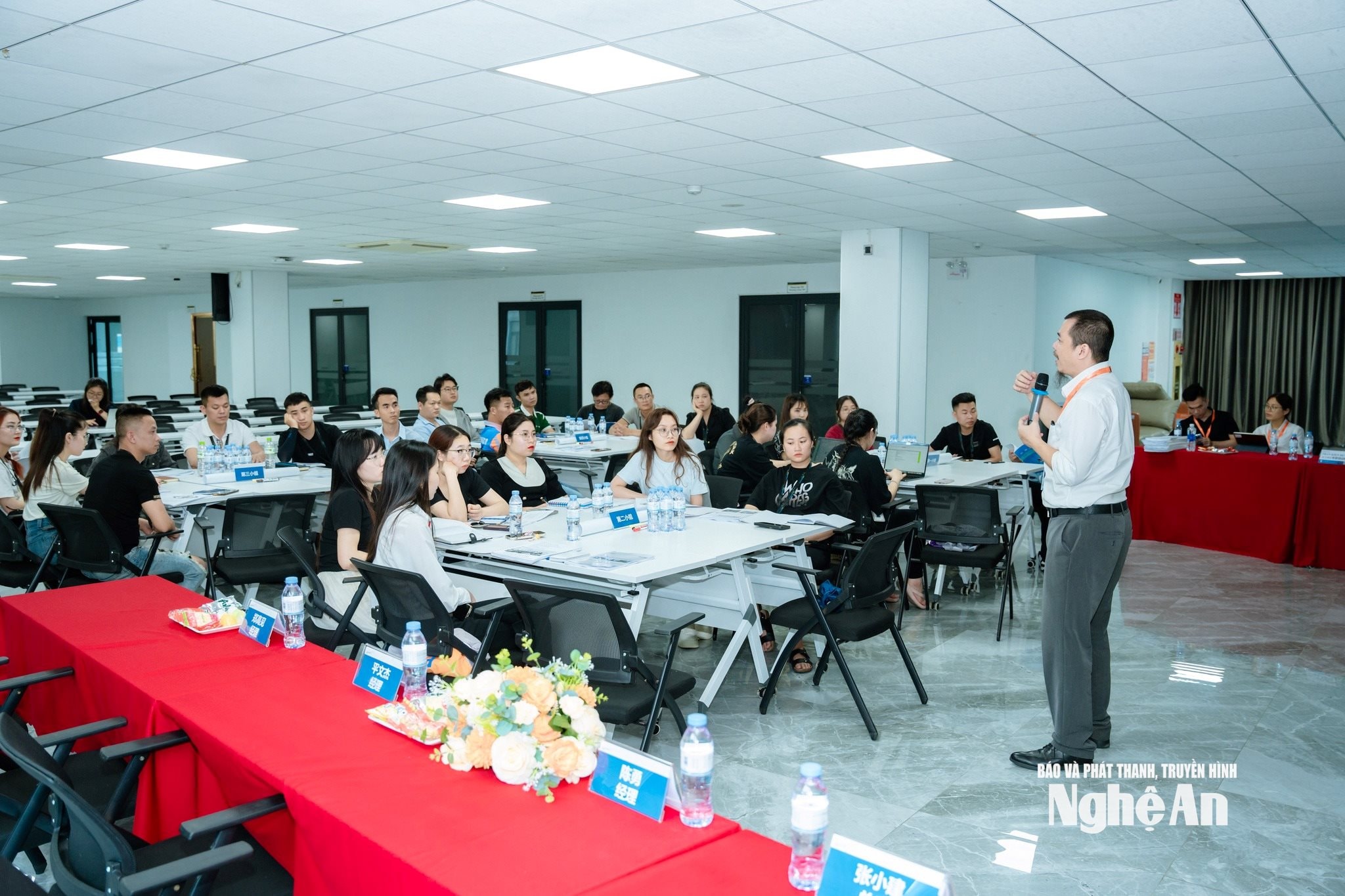
Amidst a surge in FDI, particularly from China, foreign language proficiency has emerged as a stringent requirement from the outset. Chinese, once considered an advantage, is gradually becoming a necessity for many positions. For example, Everwin Precision Technology Co., Ltd. (Vietnam) currently employs over 2,000 people, with approximately 20% of management and technical positions requiring Chinese language skills.
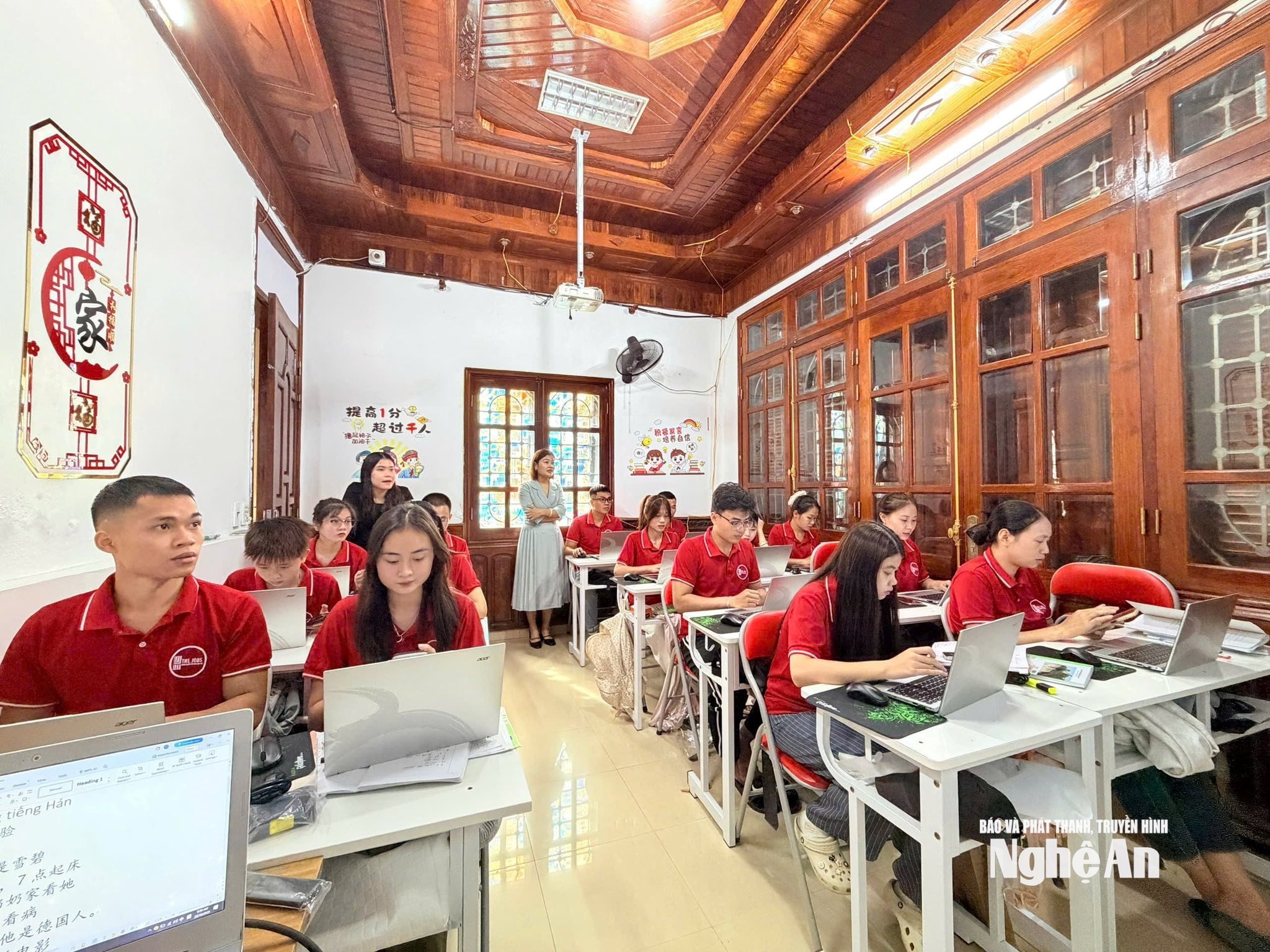
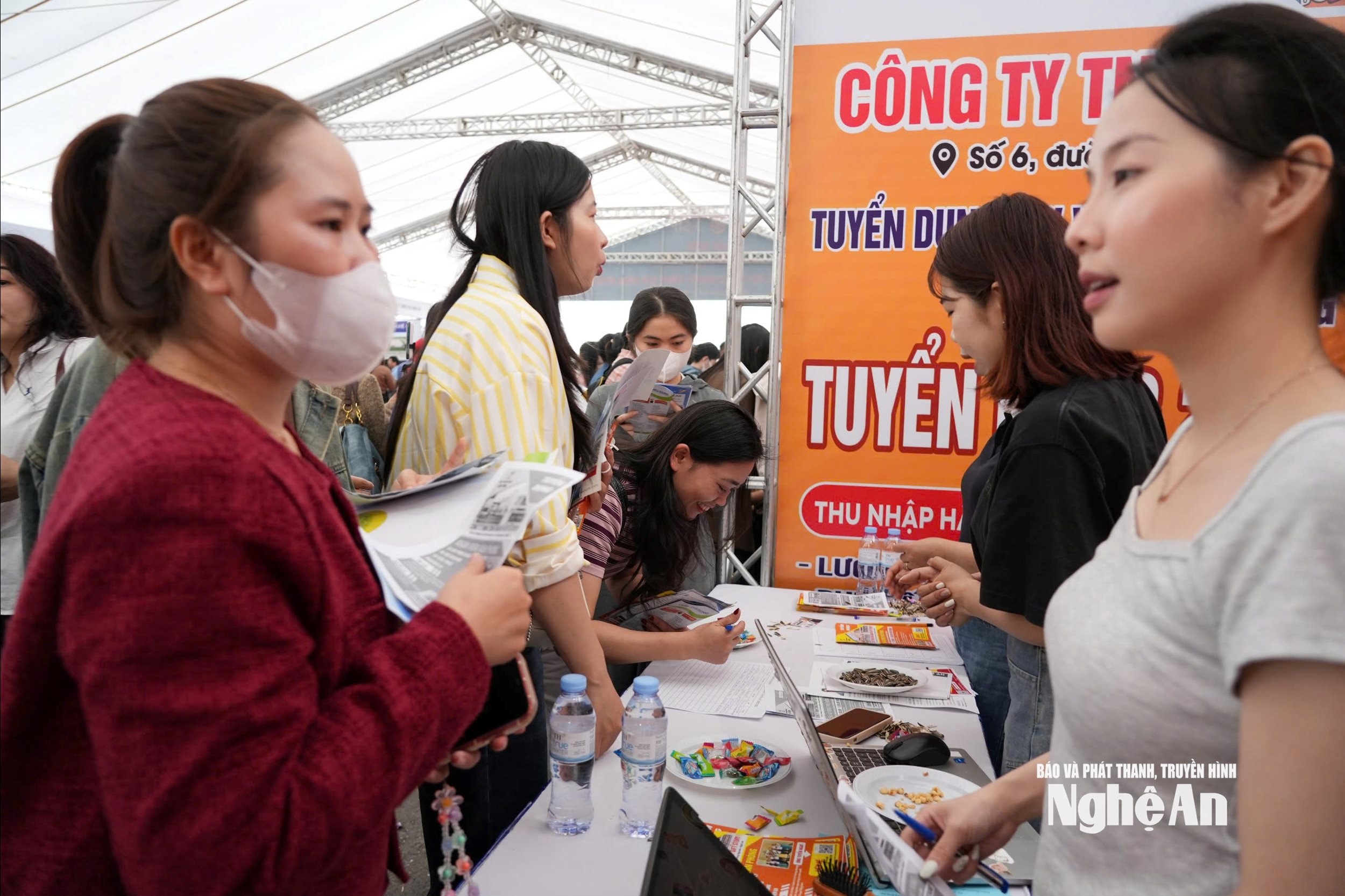
Changes made by businesses have created a noticeable shift in the mindset of workers. Ms. Tran Thanh Thao (from Nam Dan commune), upon returning to her hometown after 5 years working in Ho Chi Minh City, quickly recognized this change. Repeatedly rejected in the first round due to a lack of foreign language skills when applying to the VSIP Industrial Park, she was forced to change her plans: she enrolled in an intensive evening Chinese language course, determined to return to the labor market with a new mindset. "Not learning is like closing the door to my own opportunities," Ms. Thao frankly shared.
.jpg)
Similarly, Mr. Nguyen Trung Thanh used to be an equipment maintenance worker at a state-owned garment factory. After a layoff three years ago, instead of rushing to find a new job, he chose to "take a step back" to learn more foreign languages and strengthen his technical skills. When he returned to the job market, with the advantage of both experience and foreign language skills, he was quickly hired. "The starting salary of 9-10 million VND/month isn't high, but I believe that if I continue to improve, the opportunity to increase my income is very clear," Mr. Thanh shared.
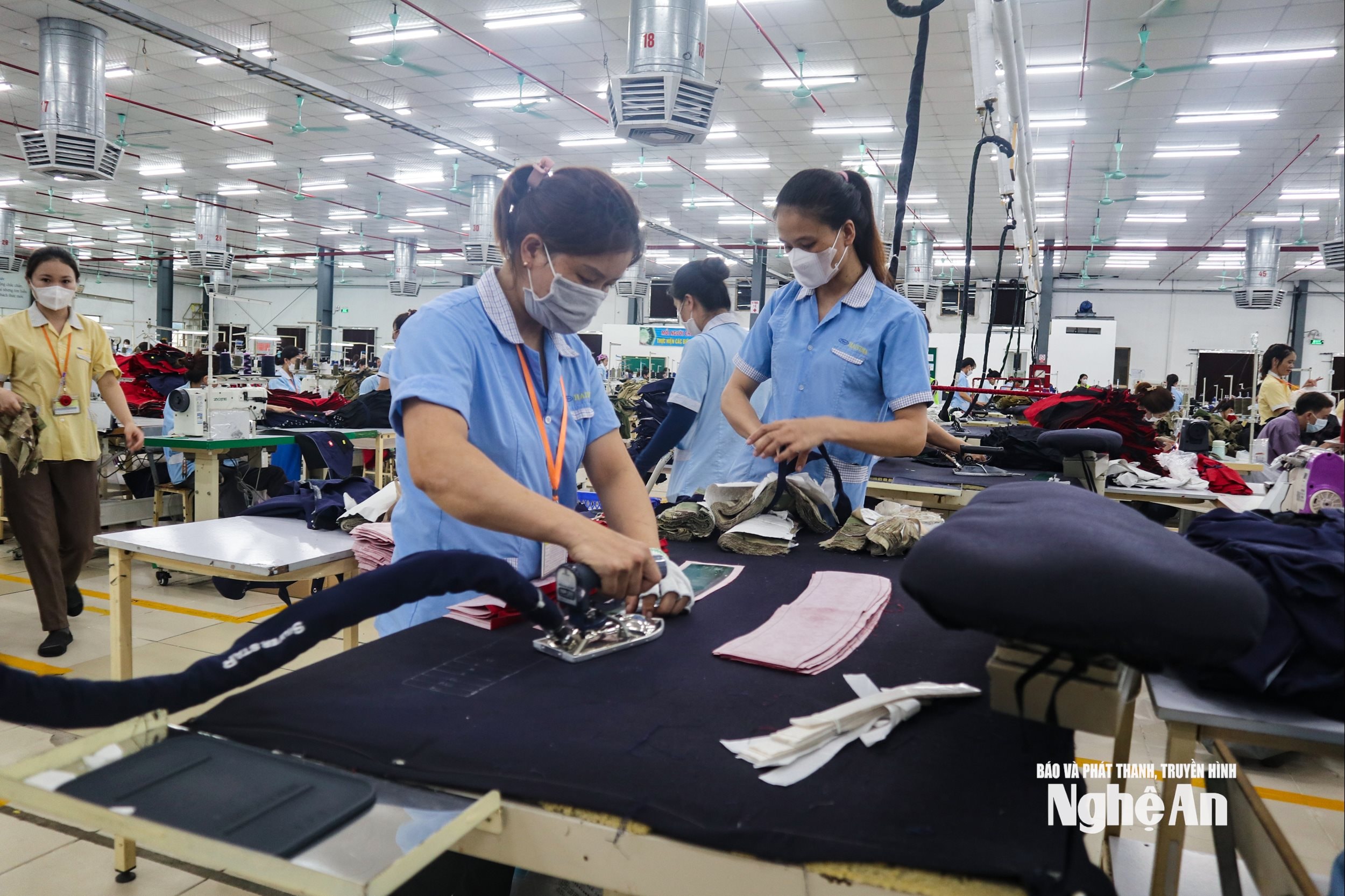
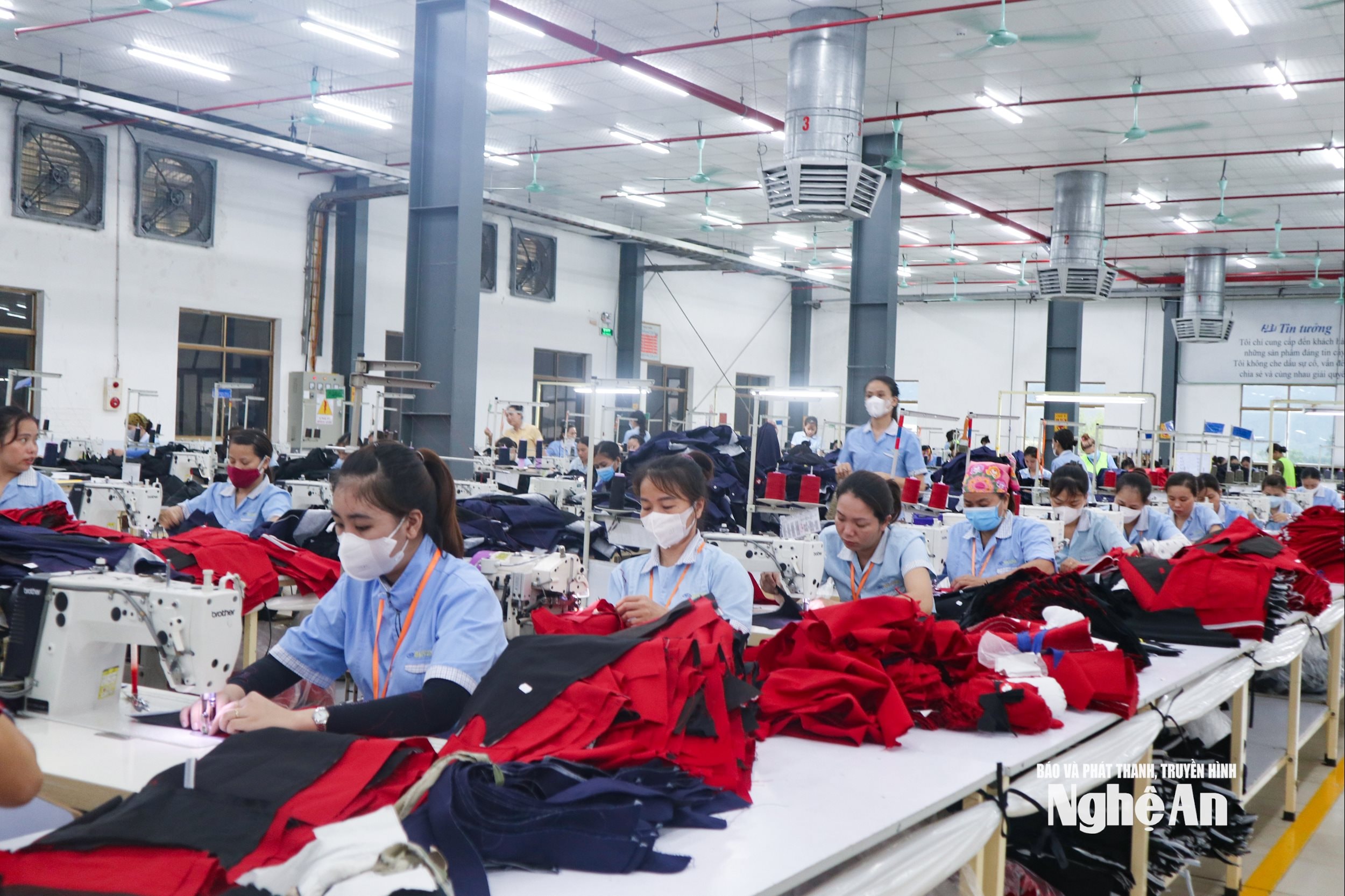
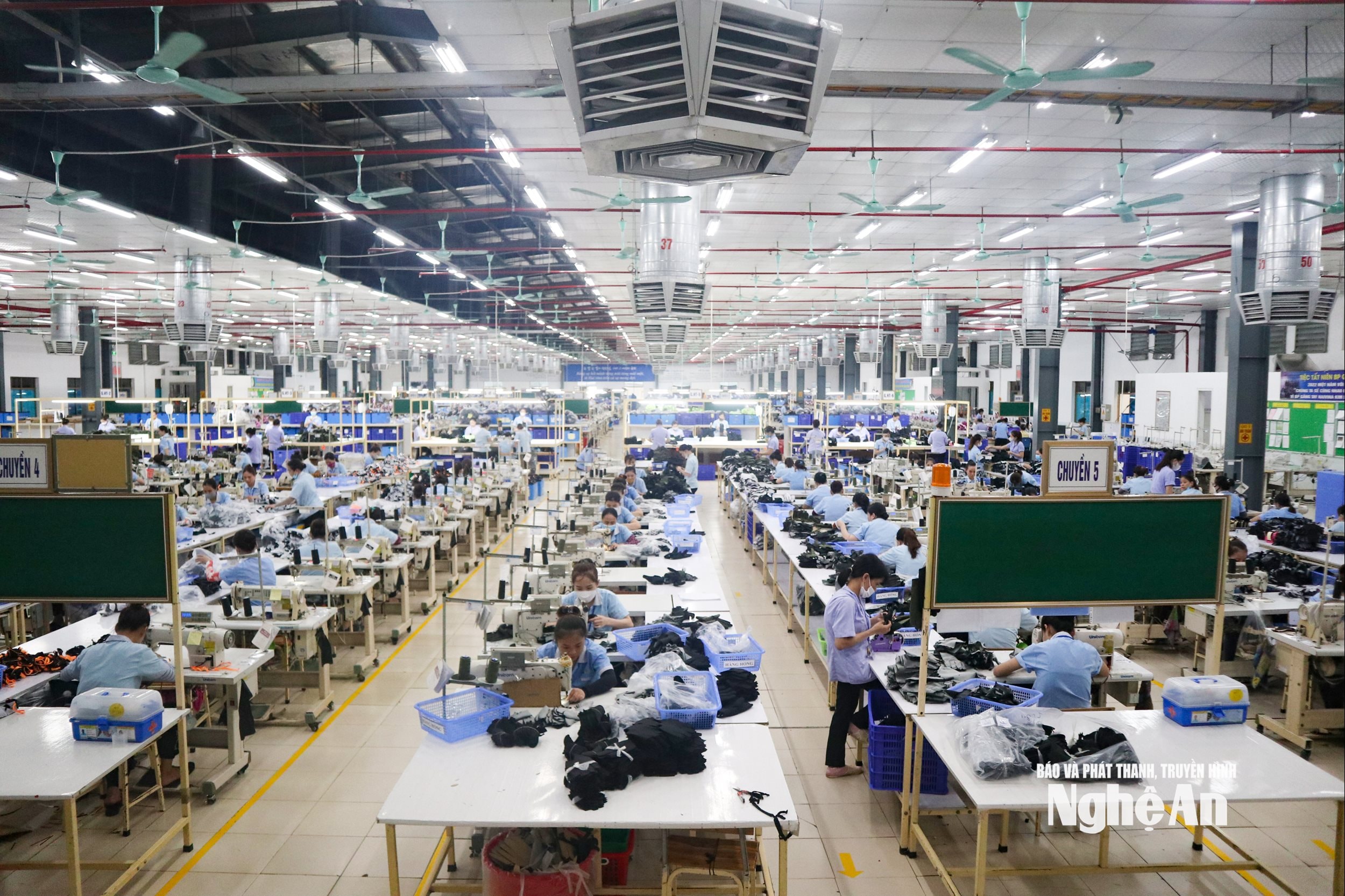
These specific cases demonstrate that the labor market in Nghe An is becoming increasingly competitive. Workers are now competing not only with their physical strength but also with their knowledge, skills, and adaptability. Those who proactively adapt will find their place; conversely, slow adaptation can leave them behind even in their own "home turf."
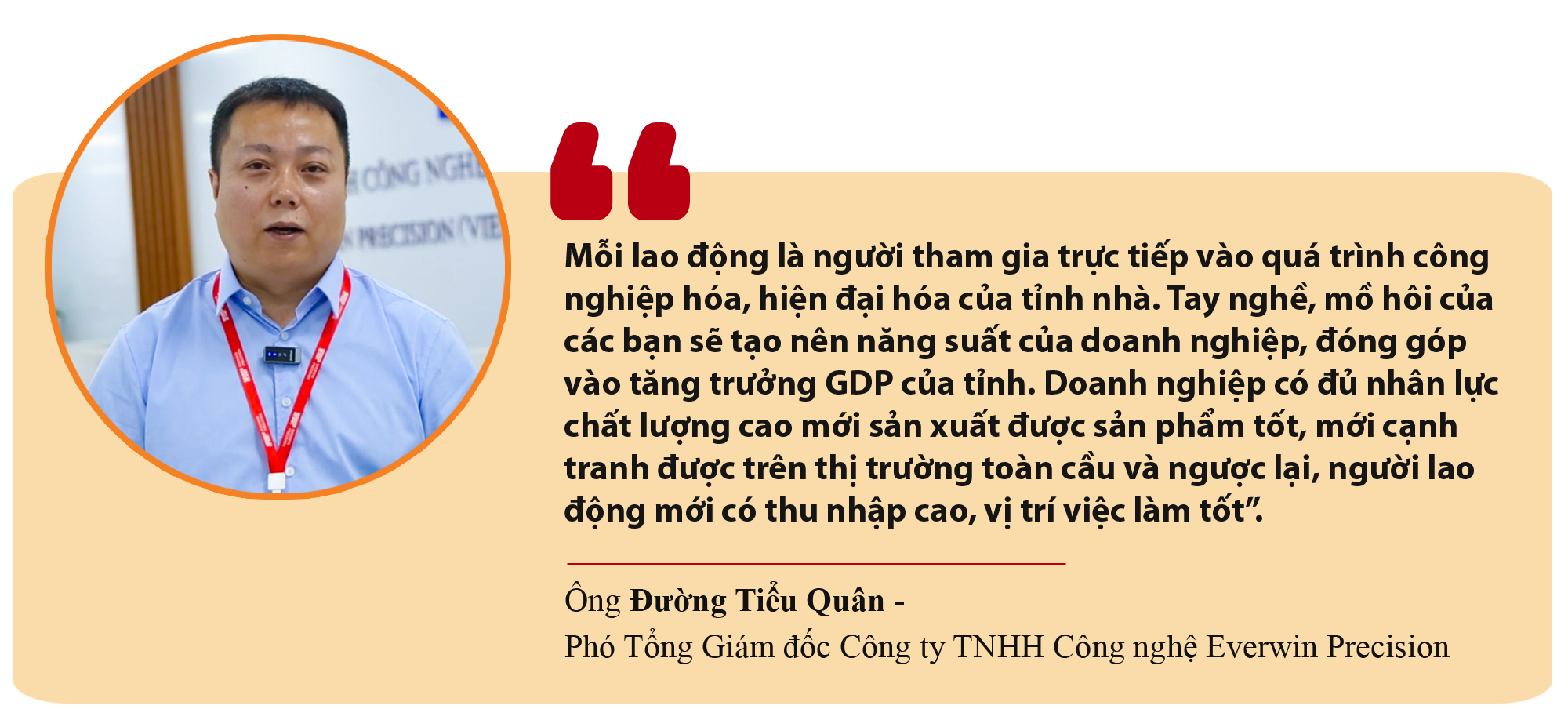
Conversely, businesses are also "rolling out the red carpet" to attract and retain workers. Besides competitive salaries, many businesses are building clear career advancement paths, providing skills training, rewarding innovative ideas, and offering housing and transportation support. Clearly, the labor market in Nghe An is opening a very wide door with tens of thousands of job opportunities right in the hometown. However, this door doesn't automatically open for everyone. In the modern production environment, only those workers who are proactive in learning, willing to change, and constantly upgrading themselves can cross that threshold to reach a more sustainable future.