
COP30: An urgent call from Amazon

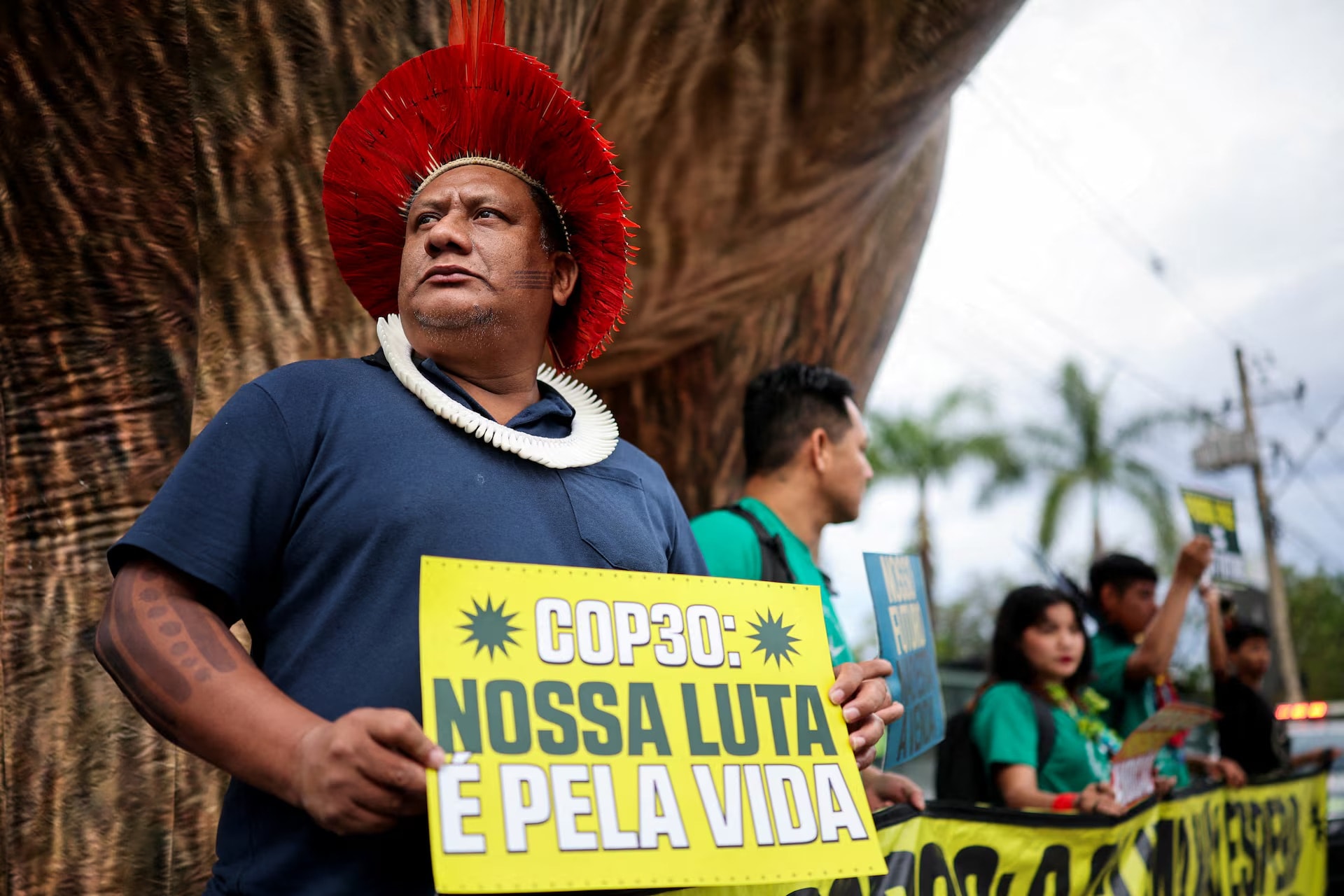
By choosing Belem – the "gateway to the Amazon" – as the venue, Brazil wanted to send a strong message, placing the planet's green lungs and indigenous communities at the heart of the negotiations. But the urgent call from the Amazon is facing a worrying reality: indifference and fading political will from around the world.
Many leaders were absent.
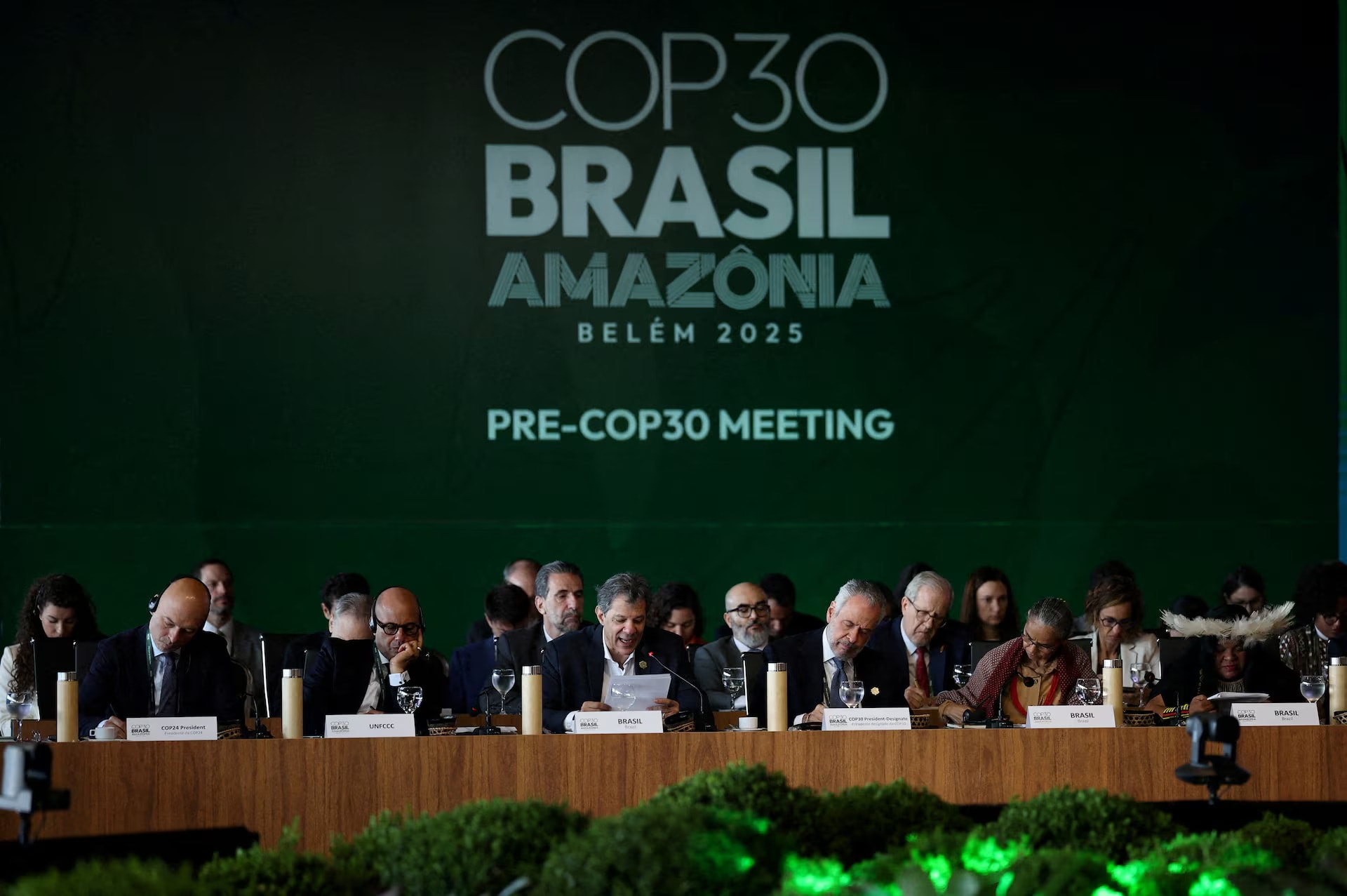
As Brazil kicked off its three-week series of events leading up to the COP30 Leaders' Summit (November 6-7), the prevailing atmosphere was not one of optimism, but rather a stark contrast between symbolic ambition and bleak geopolitical realities. Side events, from a business leaders' conference in Sao Paulo to a summit of local leaders in Rio de Janeiro, continued. Nevertheless, it was undeniable that COP30 was becoming one of the lowest-attended climate summits in years.
The numbers don't lie: As of the end of last week, "fewer than 60" world leaders had confirmed their attendance at the summit in Belem. This is an alarming drop from the more than 80 leaders at COP29 in Baku (Azerbaijan) last year, and over 100 leaders at the three previous summits. The total number of registrations for the official talks (November 10-21) is also alarming. According to preliminary data from the UN climate agency, only about 12,200 people had registered as of October 8, a sharp decrease from the 54,000 who attended in Baku last year.
Part of the reason stems from logistical issues. The choice of Belem, while symbolically significant, proved to be an organizational nightmare. Limited hotel capacity and soaring room rates caused months of anxiety. Many countries, particularly developing nations with tight budgets, ultimately had to plan to reduce their delegations. But the logistical problems were only the tip of the iceberg. The deeper reason for this wavering spirit was the global context. As Reuters noted, "global cooperation is stalled amid geopolitical tensions and multiple wars." Add to that economic instability, the reversal of clean energy and climate science policies from the US, and many countries struggling with competing goals like food security. The world is simply distracted, and the price of that distraction is that a symbolic summit is at risk of failure due to a lack of full and serious participation.
3 focal points of debate in Belem
The absence of the leaders adds to the burden on the negotiators, who will face a conflicting agenda. Three major issues promise to heat up the negotiating rooms in Belem.The first,Those were the promises about emissions. COP30 marked a decade since the Paris Agreement, and by regulation, every five years, countries must submit more ambitious greenhouse gas reduction targets (NDCs) for 2035. The deadline was February 2025, and most countries missed that deadline. As of early November, only about 65 countries had submitted revised plans. Of those, very few commitments were impressive. China's target was judged to be far lower than expected. But the most striking example of this decline in resolve comes from the bloc that claims to be the global climate leader: the European Union (EU). According to Reuters, on November 4th, just 48 hours before the summit in Belem, EU climate ministers were still holding a "last-ditch effort" to try to pass a new climate target. They face the imminent risk of arriving in Brazil empty-handed, a major blow to the bloc's credibility and undermining their leadership in the negotiations. Meanwhile, India, another major emitter, has yet to fulfill its commitments. The harsh reality is that the world is not on track to achieve the goals of the Paris Agreement, and no amount of fanfare in Belem can mask that.
Monday,The issue is finance. This is the most inherent and intense point of conflict between rich and poor countries. Last year at COP29, after weeks of bargaining, developed nations agreed to provide $300 billion annually for climate finance by 2035 – a figure considered far too little by developing countries compared to their actual needs. Now, developing countries will come to Belem with a clear demand: for more detailed, ambitious goals, aiming to mobilize $1.3 trillion annually by 2035 from both public and private sources. In particular, the funding shortfall for "adaptation" – helping vulnerable countries protect their populations from climate impacts such as building seawalls – will be a major focus.
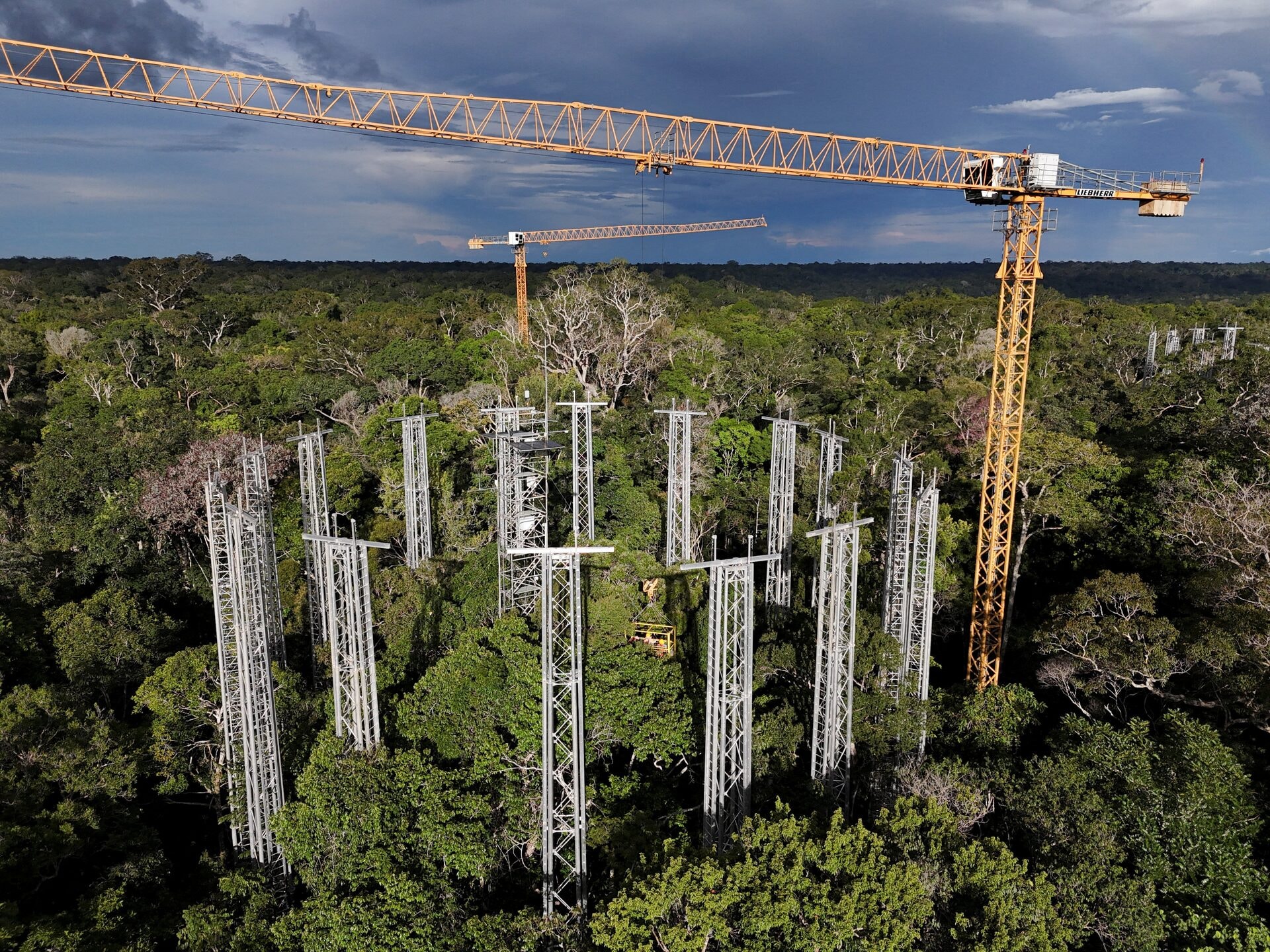
Tuesday,Forests are the trump card for host nation Brazil. To draw the world's attention to the vital role of rainforests, Brazil will launch a new global fund called the "Tropical Rainforests Forever Fund" (TFFF). The fund aims to raise up to $25 billion from donor countries and $100 billion from the private sector. This money will be invested in financial markets, and the profits will be used to reward countries with high rainforest cover that prevent deforestation. This is a groundbreaking idea, but it comes at an ironic time. According to Global Forest Watch, the destruction of primary tropical forests reached a record high in 2024. On average, the world loses the equivalent of 18 football fields of forest every minute. Will TFFF be a "step forward in protecting rainforests" as Greenpeace hopes, or will it be "too little, too late"?
Thirty-three years ago, the world gathered in Rio with a foundational and hopeful treaty. Thirty-three years later, the world gathers in Belem amidst division and weariness. COP30 is exposing a sad reality: While climate threats are becoming increasingly apparent, multilateral solidarity to address them is crumbling. The call from the Amazon is clear and urgent, but the biggest question is whether world leaders, who aren't even there, are willing to listen.


