
Traffic police point out driver's fault when vehicle breaks down on highway, potentially resulting in heavy fines.
Many drivers, when their vehicles break down on the highway, still fail to place the required hazard warning signs, posing a risk of chain-reaction accidents and potentially resulting in fines of up to 14 million VND and the deduction of 6 points from their driver's license.
The driver was still "confused" when stopping the car on the highway.
The Highway Traffic Control Patrol Team No. 6 (Team 6, Traffic Police Department, Ministry of Public Security) reported that recently, on the highways under its management, many cases have been recorded where vehicles experienced breakdowns but drivers were still "unclear" about the regulations on stopping vehicles and did not fully implement safety warning measures.
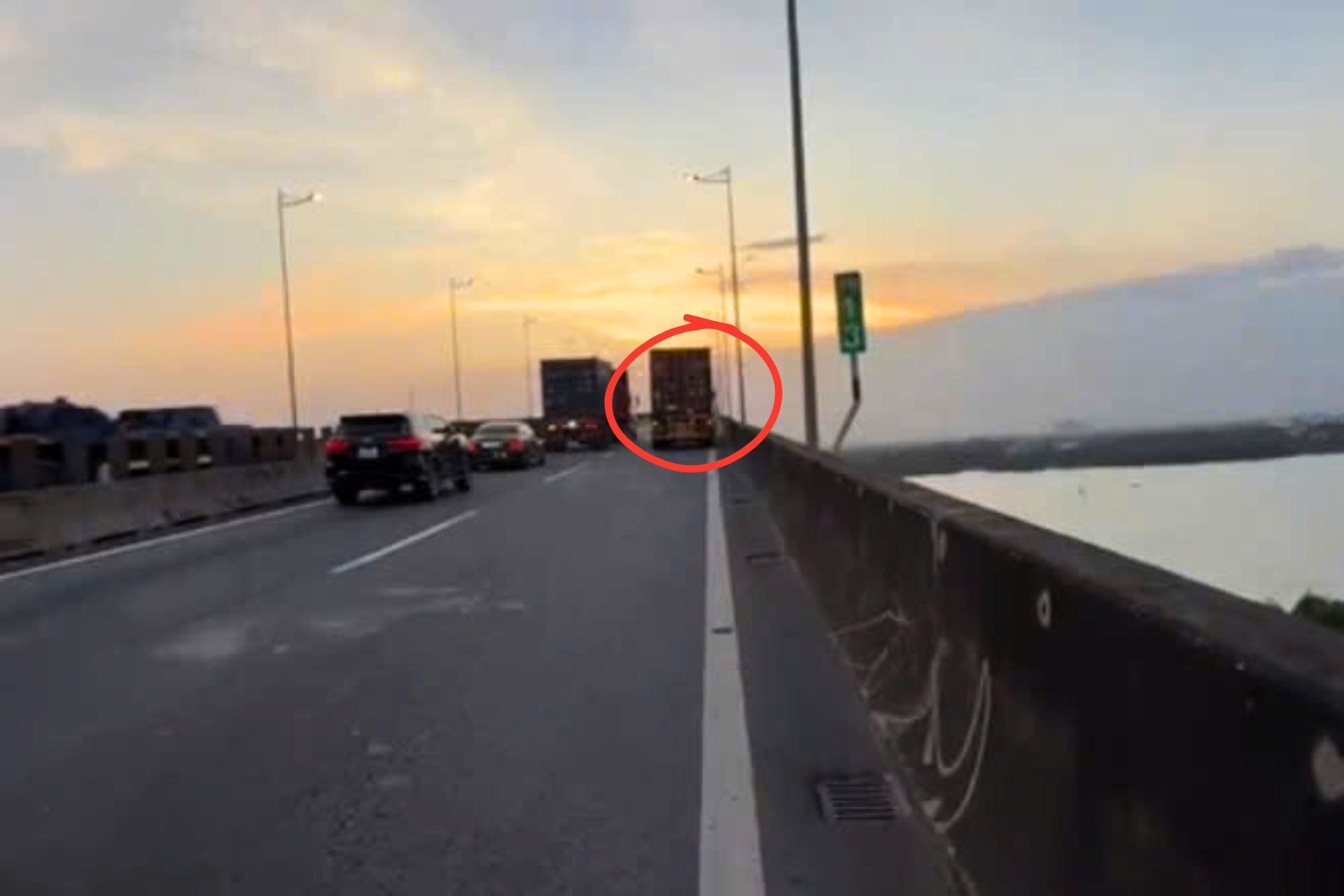
According to the leader of Team 6, many drivers, when their vehicles break down, have a flat tire, or experience technical problems, stop their vehicles right on the driving lane without moving them to the emergency lane, and also fail to place warning signs behind the vehicle as required by regulations.
Most recently, at over 6 PM on March 10th, at Km13+100 on the Ho Chi Minh City - Long Thanh - Dau Giay expressway, traffic police discovered a tractor-trailer with license plate 50H-681.XX driven by DTH (born in 1987, residing in Ho Chi Minh City) stopped on the road.
Upon inspection, authorities determined that the driver stopped the vehicle due to a technical malfunction but failed to place a warning sign at the rear as required by regulations. This restricted the visibility of vehicles behind, posing a potential traffic safety hazard.
Similarly, earlier, at nearly 5 PM on March 1st, at Km48+650 on the Phan Thiet - Dau Giay expressway, traffic police discovered a passenger bus with license plate 70H-069.XX, driven by NHD (born in 1974, residing in Tay Ninh province), stopped on the road due to a breakdown.
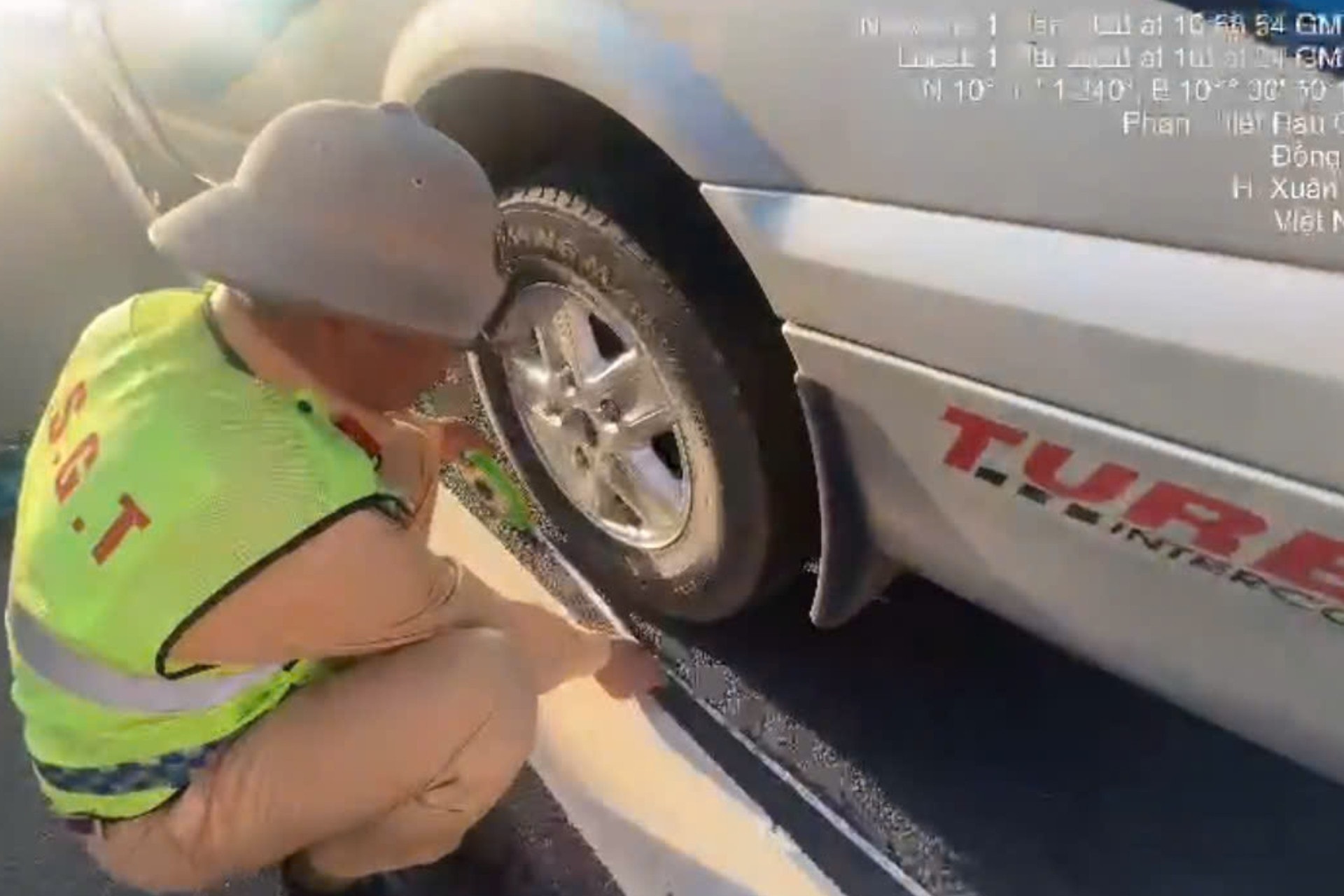
The driver had placed a hazard warning sign at the rear of the vehicle. However, when authorities inspected and measured the actual distance, the warning sign was found to be only 12.8 meters from the rear of the vehicle, failing to meet the minimum distance requirement.
For this violation, the driver will be fined between 12 and 14 million VND and have 6 points deducted from their driver's license according to regulations.
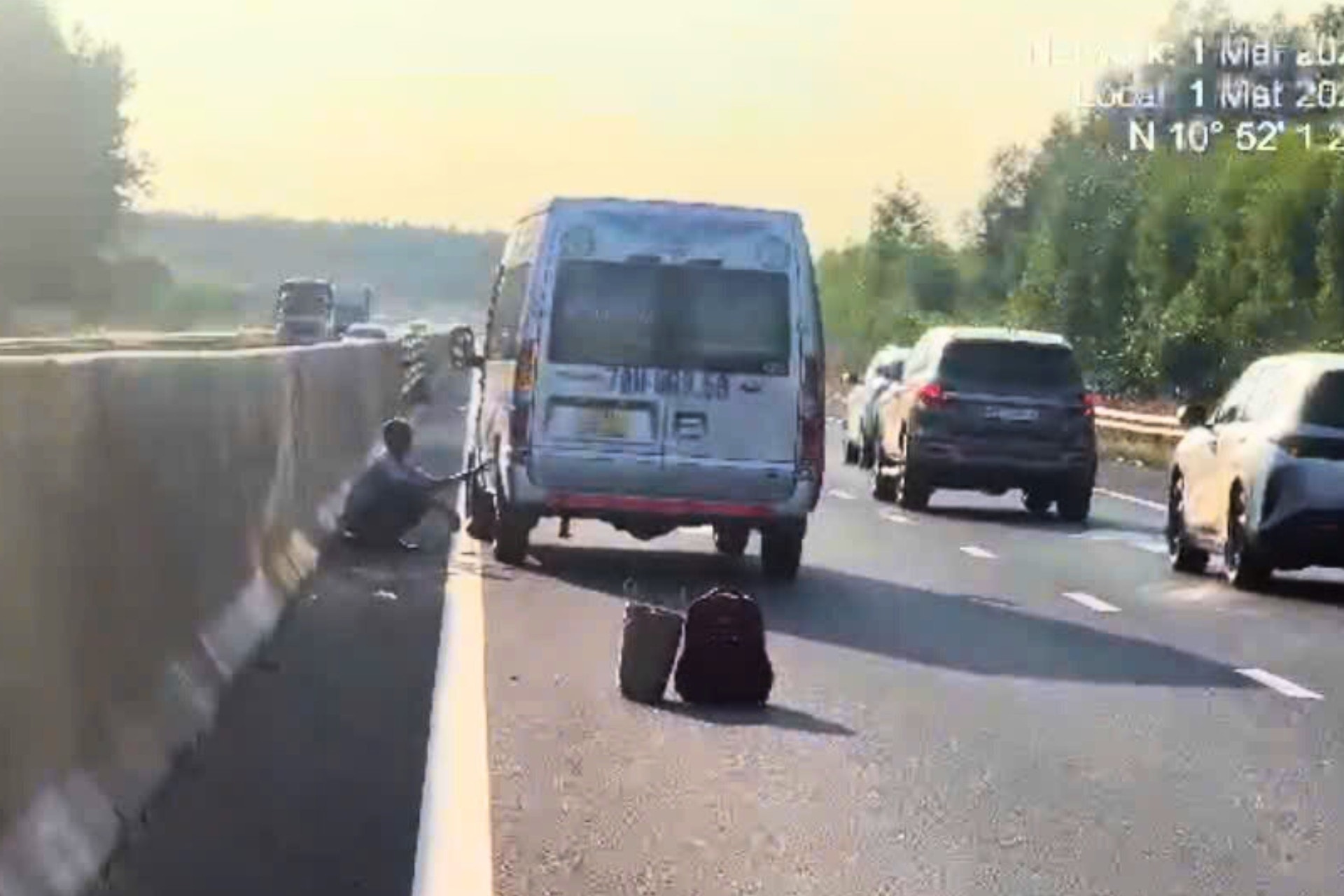
According to a traffic police officer, when a vehicle encounters a problem on the highway, the driver is required to place a warning sign or reflective cone at least 150 meters from the rear of the vehicle so that vehicles behind have enough time to detect and handle the situation.
However, many drivers still "neglect" to place warning lights too close to their vehicles or skip this step altogether, making it difficult for vehicles behind to recognize the warnings early, potentially leading to chain collisions.
What should a driver do if their car breaks down on the highway?
The leader of Team 6 stated that the unit currently manages the expressways from Ho Chi Minh City to Khanh Hoa, with a total length of over 460km, experiencing very high traffic volume, especially on weekends.
When driving on a highway, in emergency situations such as vehicle breakdown, tire blowout, running out of fuel, traffic collision, or a passenger experiencing health problems, the driver is permitted to stop the vehicle but must comply with all necessary procedures to avoid the risk of an accident.
First, the driver must try to move the vehicle into the emergency lane or close to the right-hand curb. After stopping, the driver should turn on the hazard lights and place a warning sign or reflective cone at least 150 meters from the rear of the vehicle.
At the same time, all occupants of the vehicle must quickly exit the vehicle and move to the right-hand side of the road to avoid danger. If safe, a person can be positioned behind the stopped vehicle, at least 50 meters away, to signal a warning to vehicles behind.
In the event of a collision or traffic accident, drivers can take photos or videos to record the scene, then quickly move the vehicle to the emergency lane or the side of the road and take the required warning measures.
At the same time, drivers should immediately contact the traffic police via telephone number 1900.8099 or the road management unit for assistance.
In the coming period, Team 6 will intensify patrols and inspections on highways to promptly detect and handle cases of vehicles stopping or parking illegally, especially vehicles experiencing breakdowns but without warning signs, which can easily lead to chain-reaction accidents.


