
"The Mountain-Shattering Punch..."
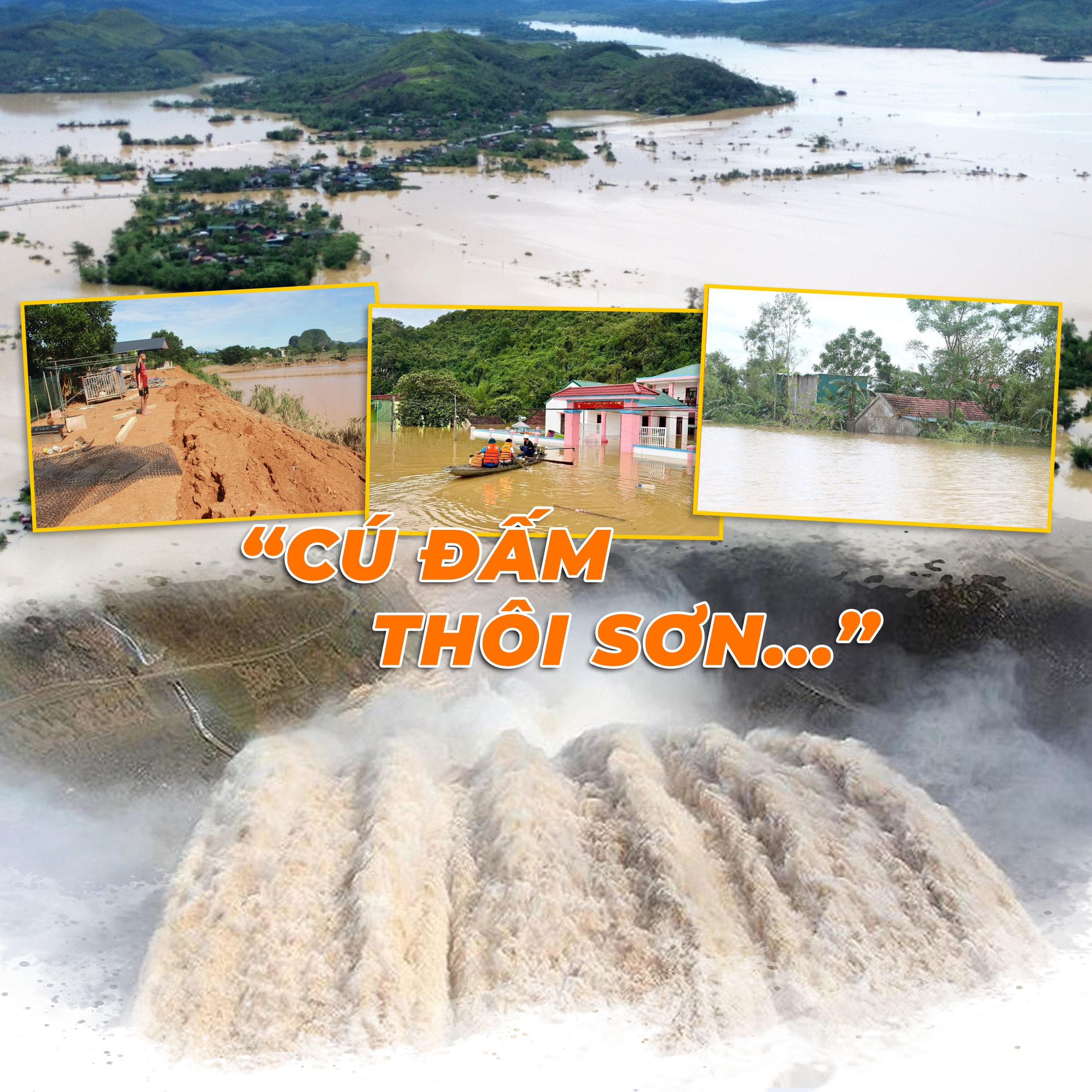
Recently, National Assembly representative Nguyen Anh Tri stated that the release of water from small hydropower plants is like a "knockout punch," causing many negative consequences for people in downstream areas.
Nhat Lan• December 7, 2025
Browsing news and Facebook on the morning of December 5, 2025, I saw a flurry of articles quoting National Assembly representative Nguyen Anh Tri's statement regarding the release of water from many small hydropower plants, comparing the release of water from these plants to a "knockout punch" causing numerous negative consequences.

Specifically, the newspaper cand.com.vn on December 4, 2025, published an article titled "Hydroelectric dams releasing floodwaters could be a 'knockout punch' causing extremely serious damage to the people." The phrase "knockout punch" was then mentioned in the following paragraph:
“Over the years, a series of small hydropower projects have been implemented. Many of these projects, after operation, have revealed limitations, even causing significant damage to downstream areas whenever floodwaters are released in combination with heavy natural rainfall. Many small hydropower projects have been implemented over the past three decades, a very large number, but after operation, the consequences sometimes outweigh the benefits. According to him, the release of water from upstream reservoirs, coupled with natural floods, has caused severe damage to people in downstream areas. “I believe that this can be considered a ‘heavy blow’ that has caused extremely serious damage to people downstream,” the representative said…
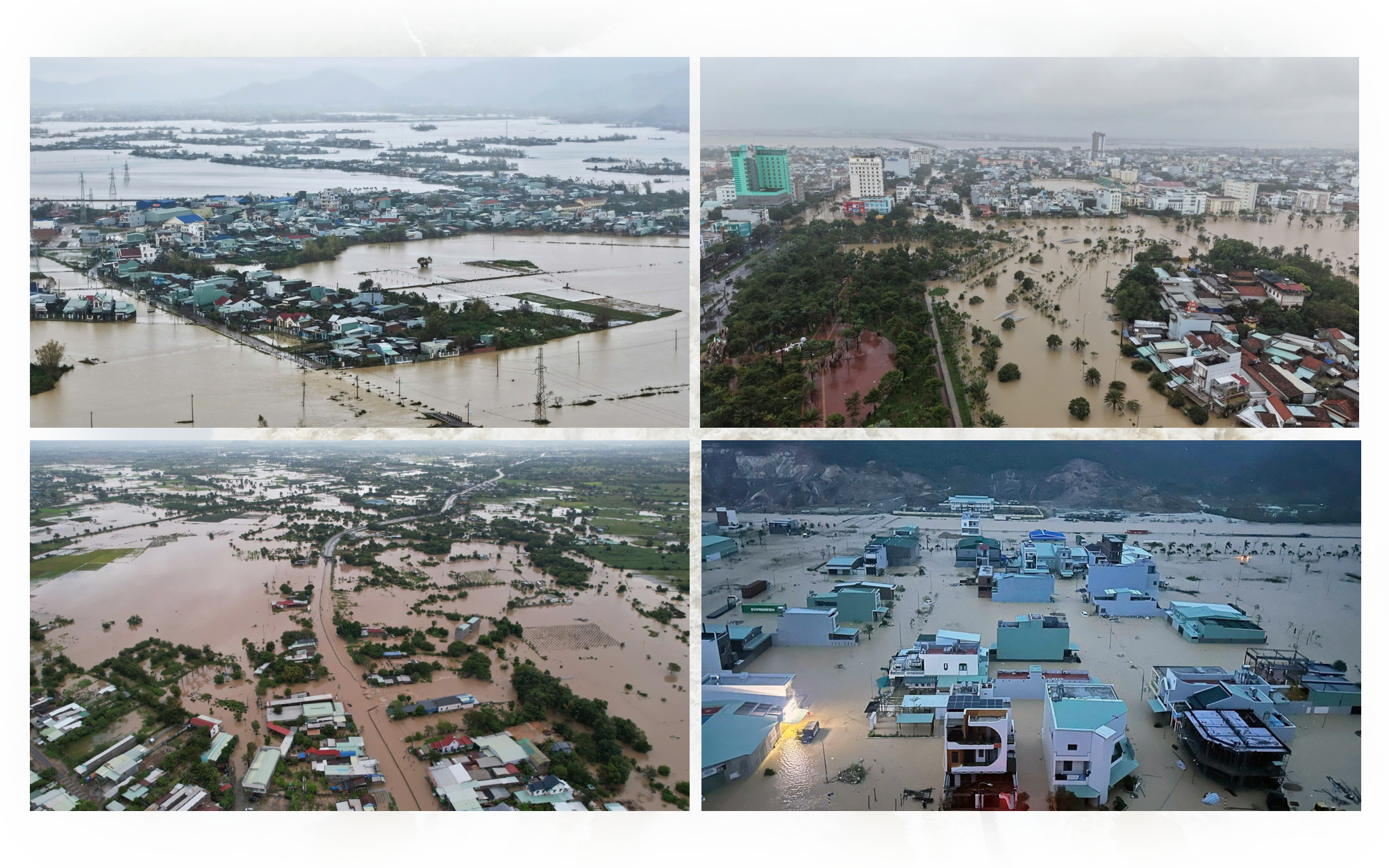
The devastating floods that the provinces of Gia Lai, Dak Lak, Khanh Hoa, and Lam Dong have suffered are extremely serious. Watching the videos, images, and information in the press and on social media recently is truly heartbreaking. Although I haven't been to these provinces myself, based on my experiences with the floods in Nghe An, I find the comparison of "releasing water from hydroelectric dams" to "a devastating blow" to be very accurate; and I appreciate the understanding and frankness of National Assembly representative Nguyen Anh Tri!
I still remember one day at the end of August 2018, when a huge volume of water unexpectedly surged from the upstream branches of the Nam Mo and Nam Non rivers, forcing the Ban Ve hydropower plant to release floodwaters for the first time, with a discharge rate exceeding 4,000 cubic meters.3The discharge from the hydroelectric dam, hundreds of meters high, swept away the permanent concrete bridge leading to the Ban Ve residential area, washed away and flooded many houses, and caused geological changes and cracks in the area. Following this incident, in a subsequent article, I described the floodwaters gushing out from the spillways as "water dragons"; and continued to delve into the consequences of hydroelectric dams to create a series of articles, including one titled "Blocking the raging floods in the Mekong Delta: Eliminating the consequences of 'man-made disasters'" (Baonghean.vn, September 16, 2018).
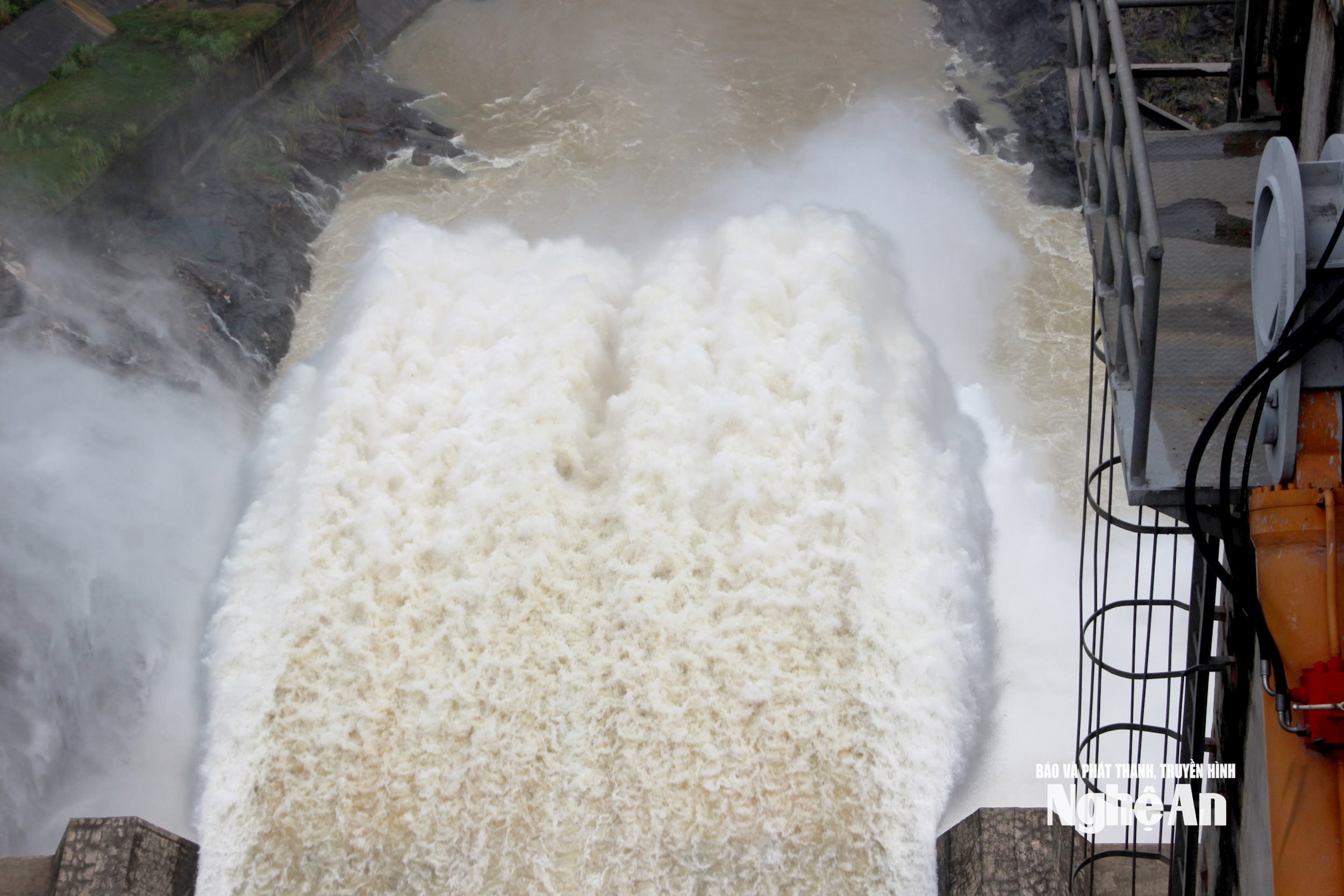
In fact, the operation of hydropower plants has resulted in numerous man-made disasters in Nghe An province. For example, at the end of October 2020, a hydropower plant on the Lam River issued a notice at 7 PM stating that it would release floodwaters at 4 AM the following morning. However, due to poor forecasting, the water inflow into the reservoir occurred earlier than expected, leading to another notice announcing the flood release at midnight, 0:30 AM. The fact that the hydropower plant announced the flood release at night and carried it out suddenly in the middle of the night is extremely disadvantageous; how could local officials and residents downstream have time to react? Therefore, damage to the people was unavoidable, causing much resentment. Following this incident, the article "Hate Hydropower Plants?" was published (Baonghean.vn, November 15, 2020).
In truth, like everyone else, I understand the necessity of hydropower systems and the value they bring to ensuring national energy security and socio-economic development. However, natural disasters combined with hydropower dam releases have caused and continue to cause immense damage, as National Assembly representative Nguyen Anh Tri observed: "Many projects, after operation, reveal limitations and even cause significant damage to downstream areas whenever flood releases combine with heavy natural rainfall."
Over the years, facing successive floods and "double" natural disasters (natural floods and hydroelectric floods), scientists in Nghe An have undertaken a project: "Investigation and assessment of the negative impacts of hydroelectric power plant systems in Nghe An on the environment and proposals for solutions to mitigate these impacts."
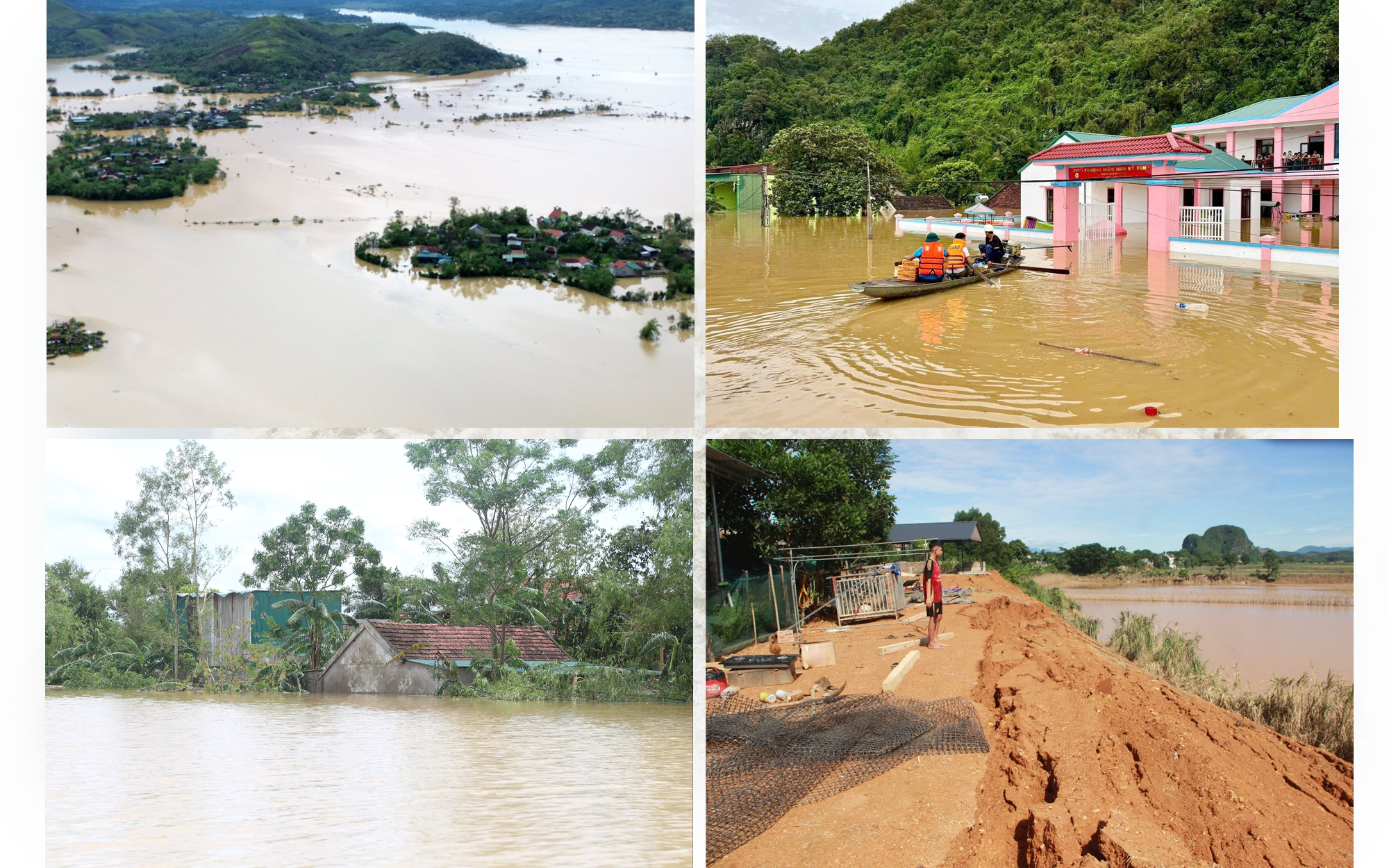
The report highlighted the negative impacts of hydropower projects. These include the displacement of a significant number of people; a reduction in the area of natural forests in the headwaters; changes in river flow, blockage of sediment flow, leading to dwindling water resources, limiting water supply for other purposes, and worsening water quality; contributing to saltwater intrusion in downstream areas; and being one of the causes of severe flooding, particularly in extreme situations such as sea level rise, heavy rainfall, and hydropower plant flood releases.
Therefore, given what the provinces of Gia Lai, Dak Lak, Khanh Hoa, and Lam Dong are currently experiencing, there is a need for knowledgeable and frank voices to point out the shortcomings so that responsible agencies can reassess flood prevention and flood release operations at hydropower plants, and find accurate solutions to address the problem of "double" floods and floods upon floods.
And also to make hydropower plant owners understand their responsibilities, strictly comply with regulations, and minimize risks to the people. Let's not let the situation of releasing floodwaters like a "heavy punch" on the heads of the people happen again and again!


